

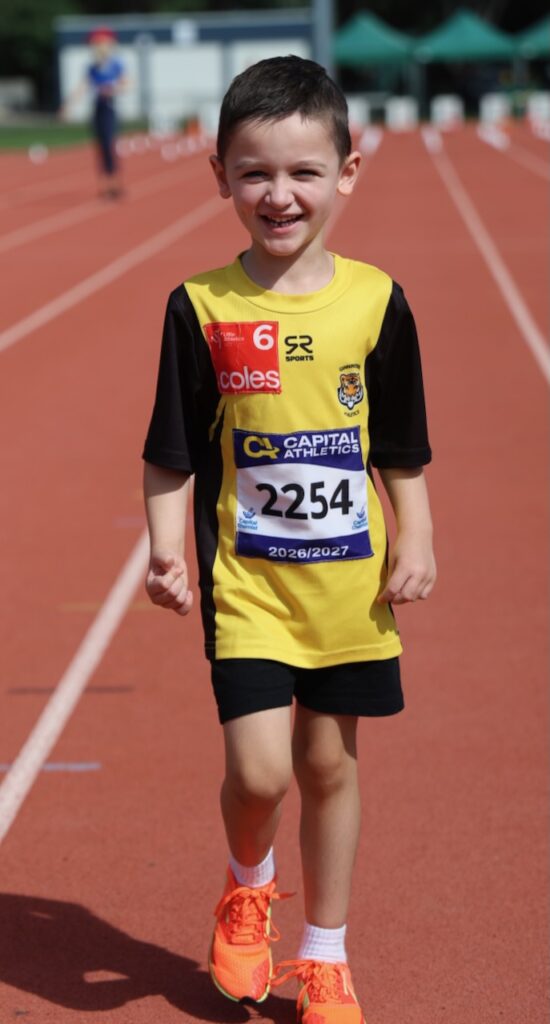
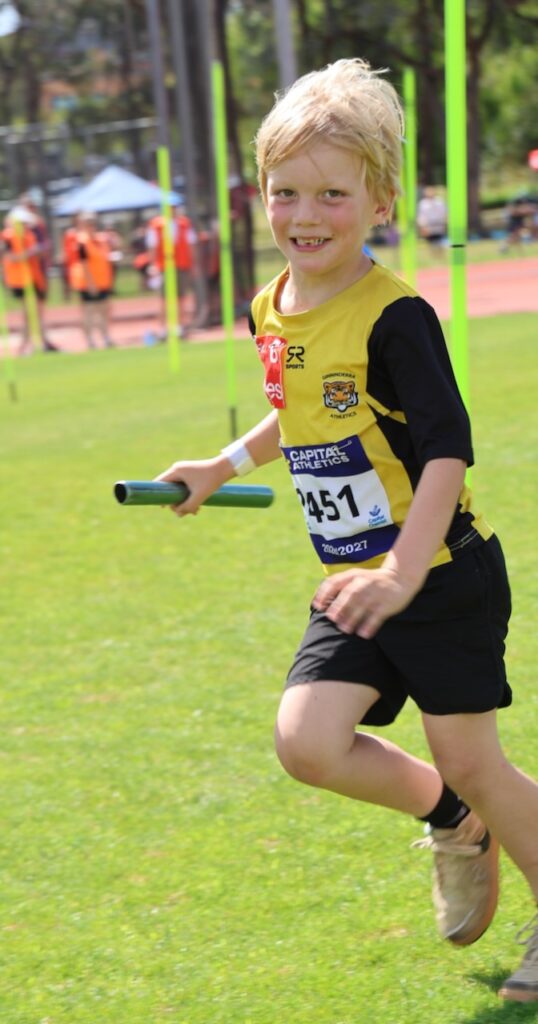
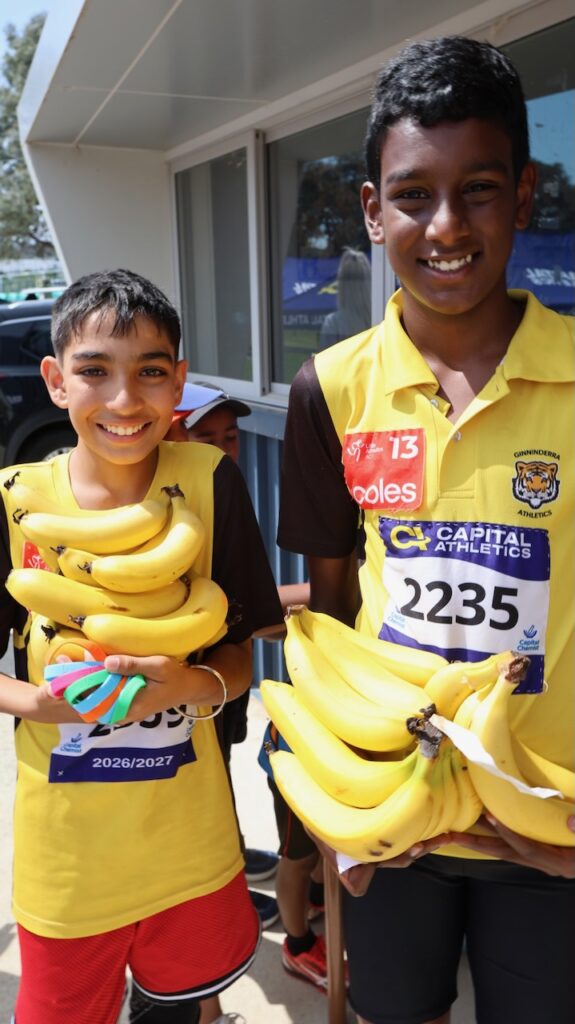
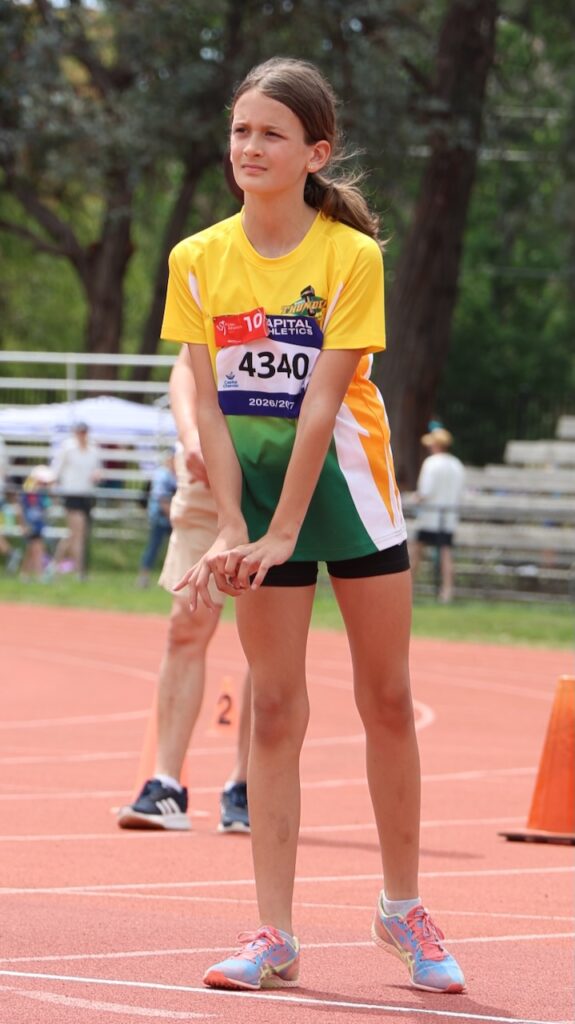
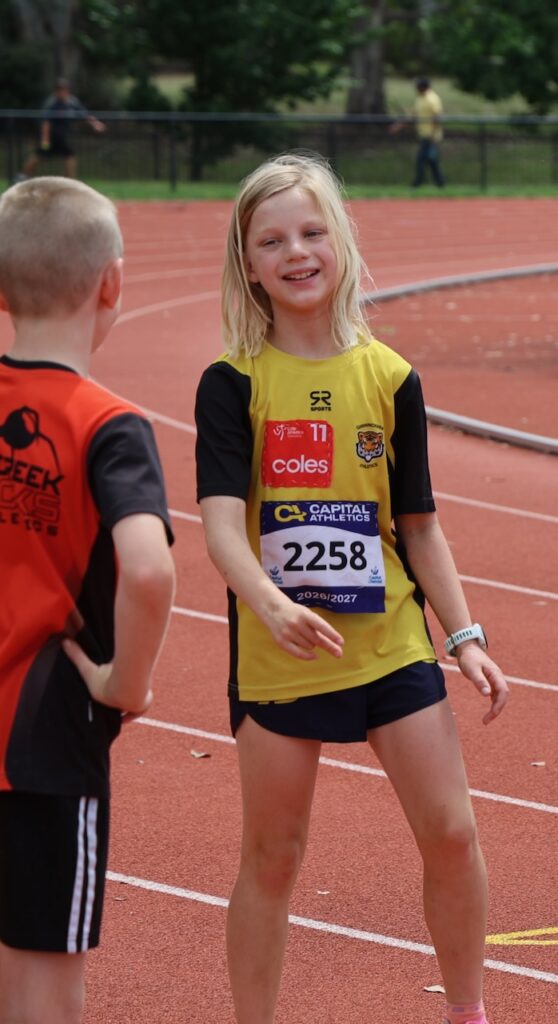
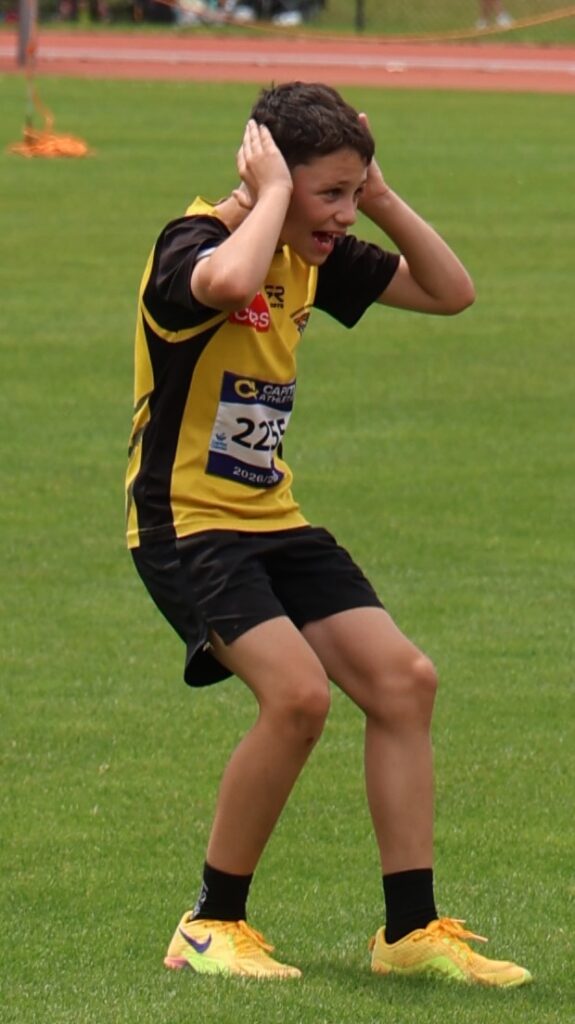
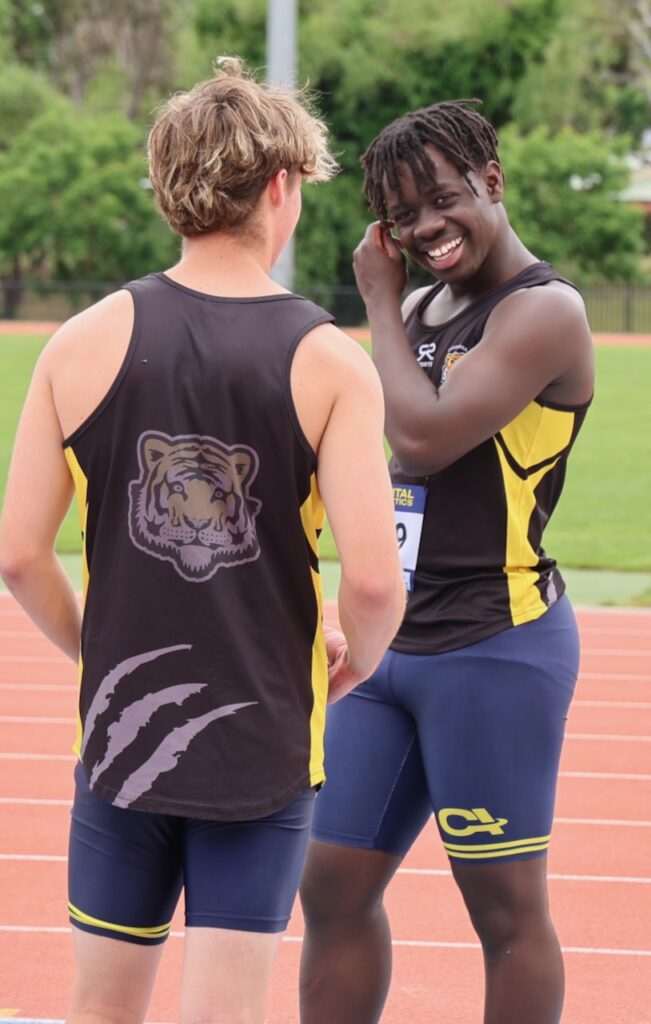
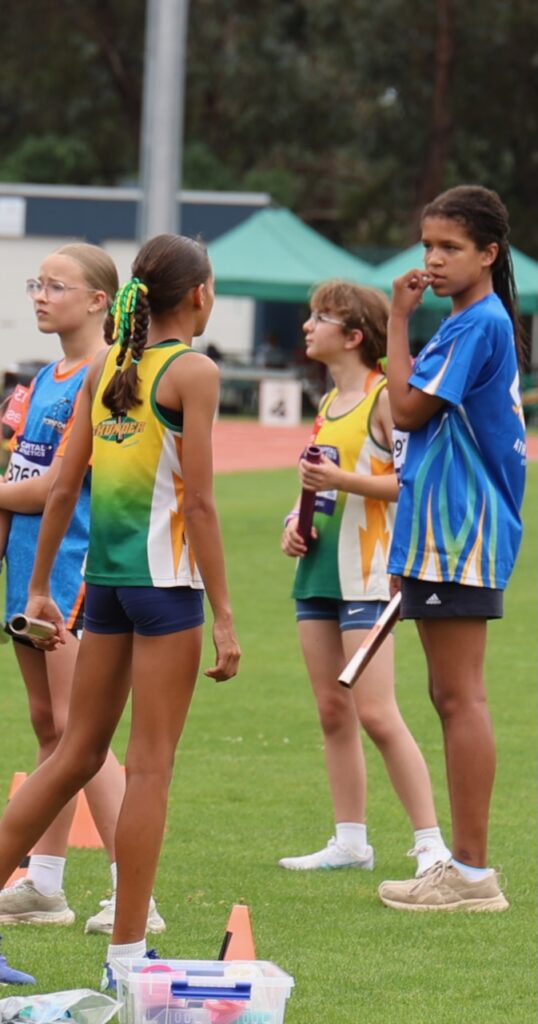
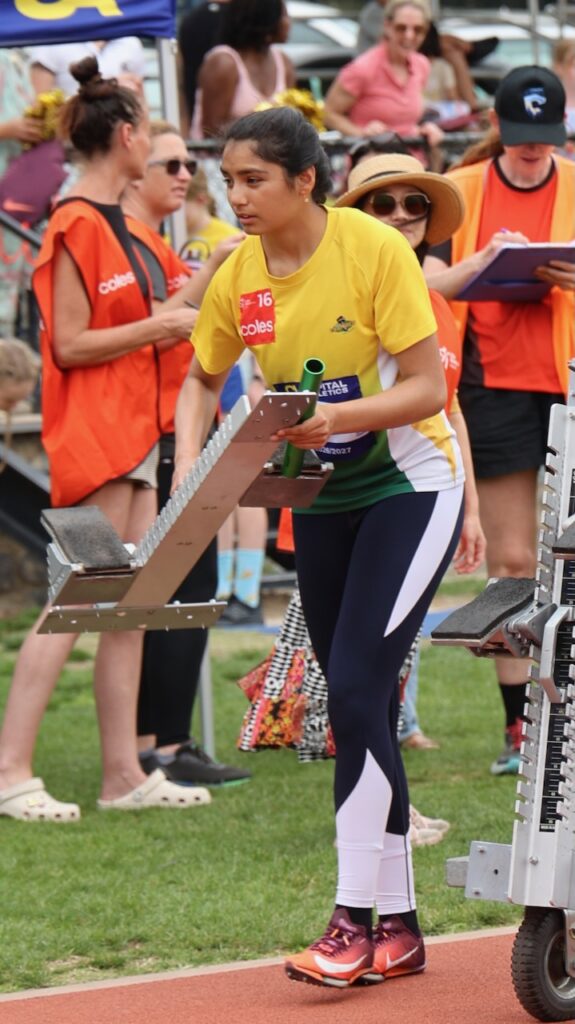
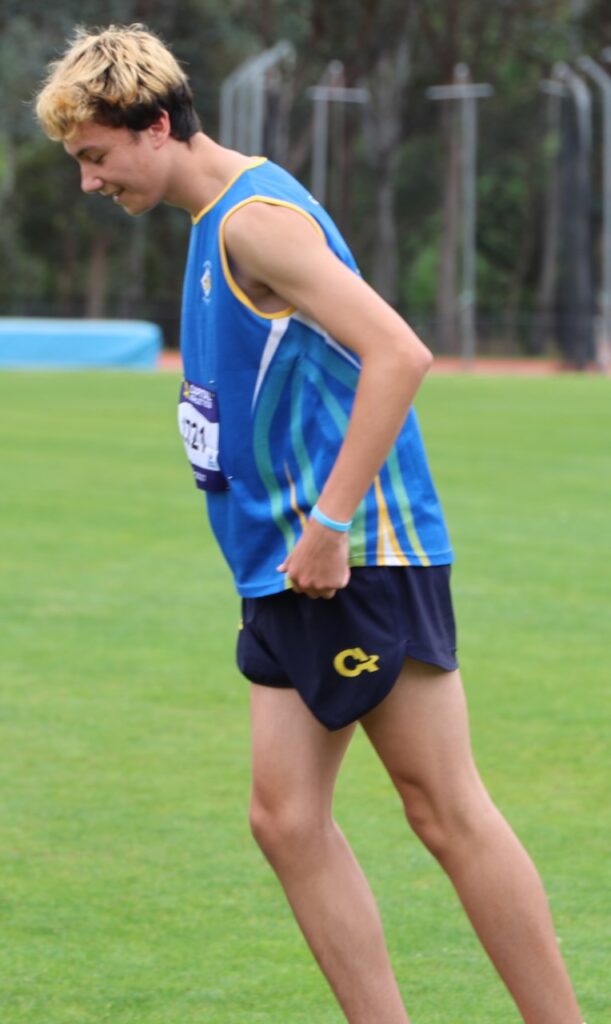
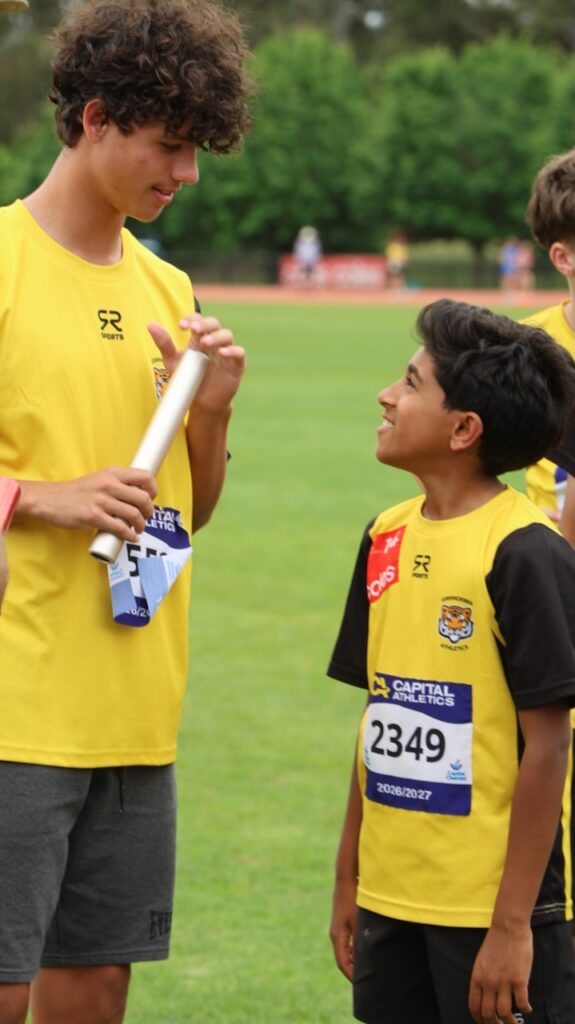
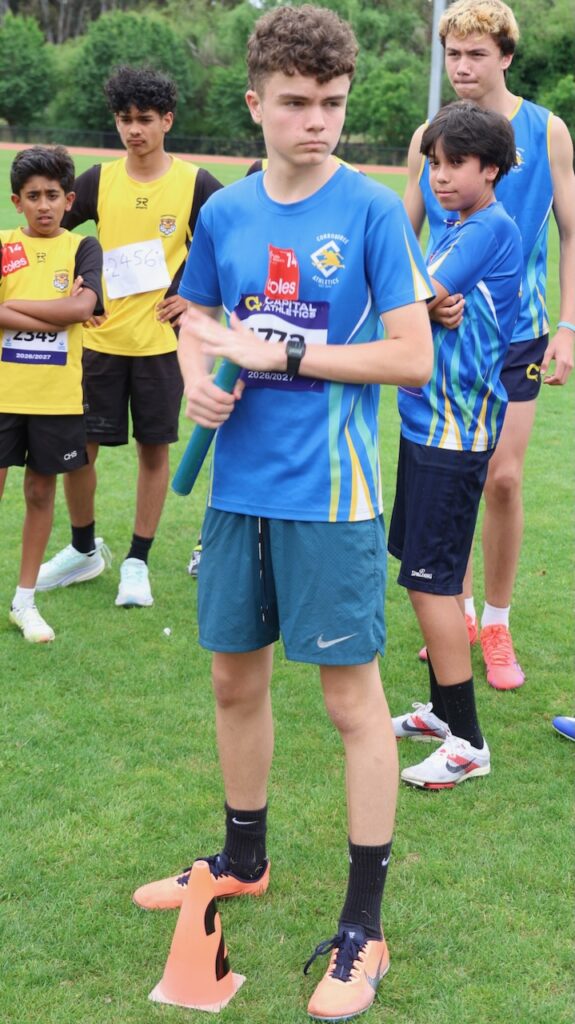
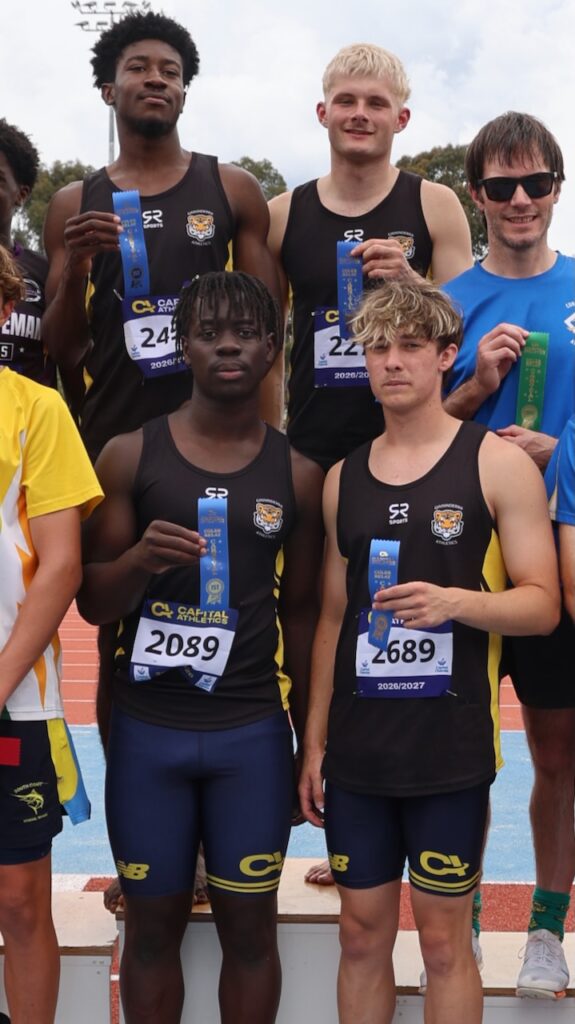
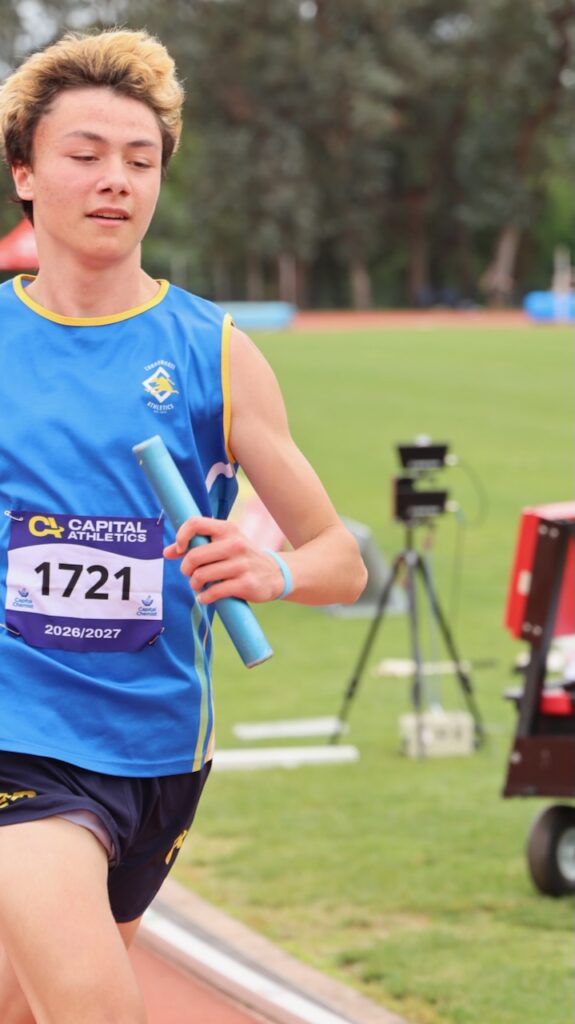
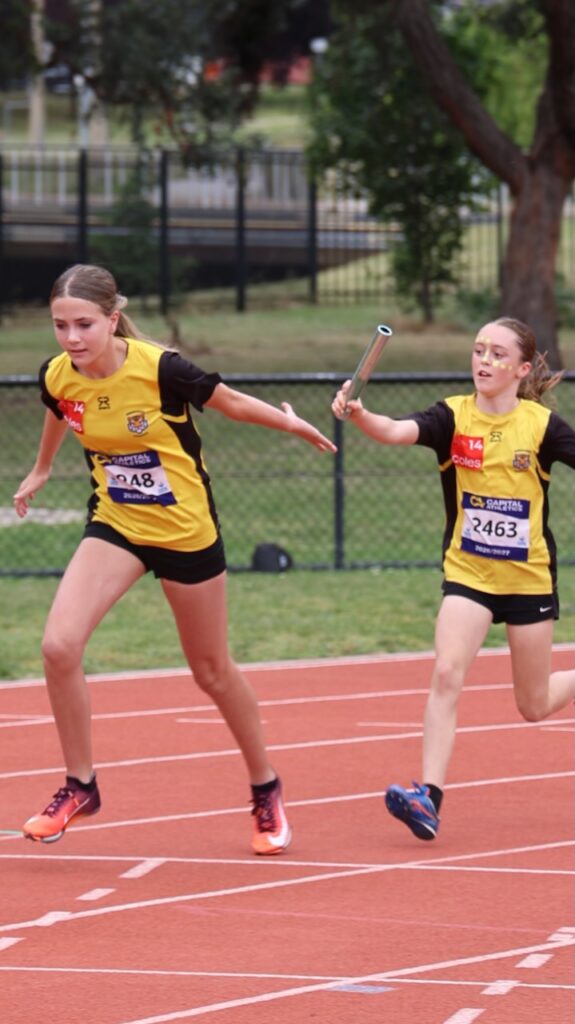
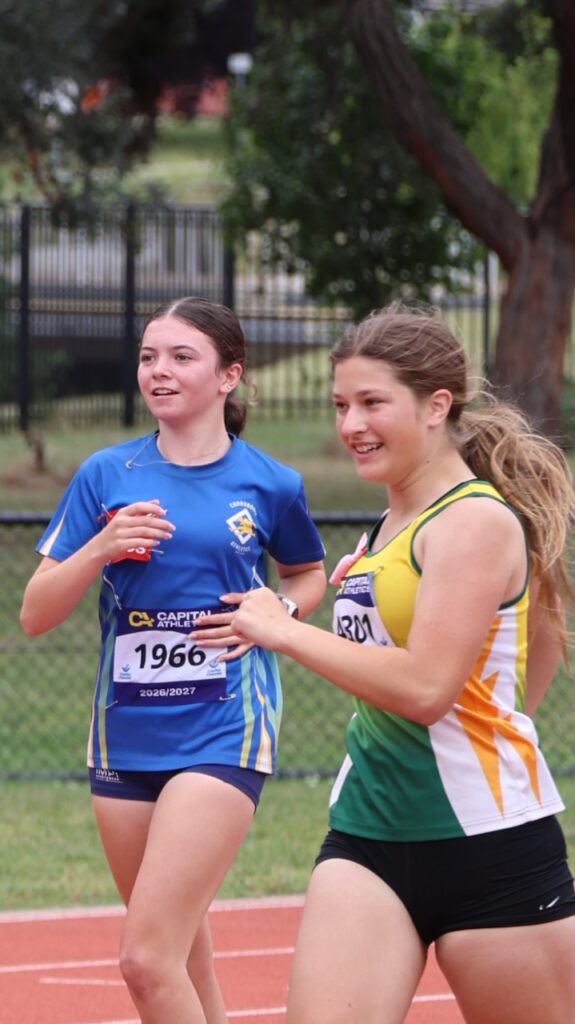
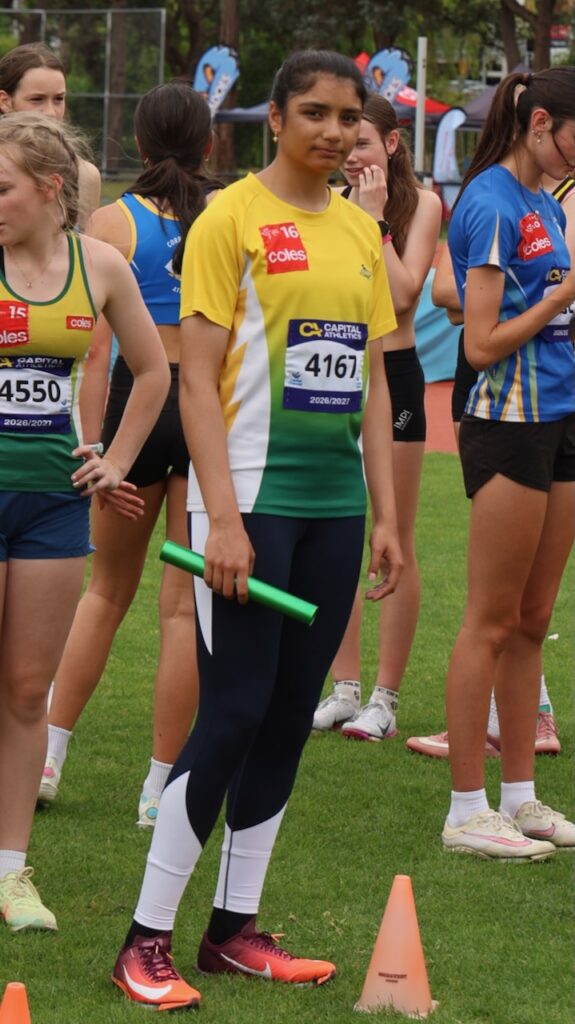
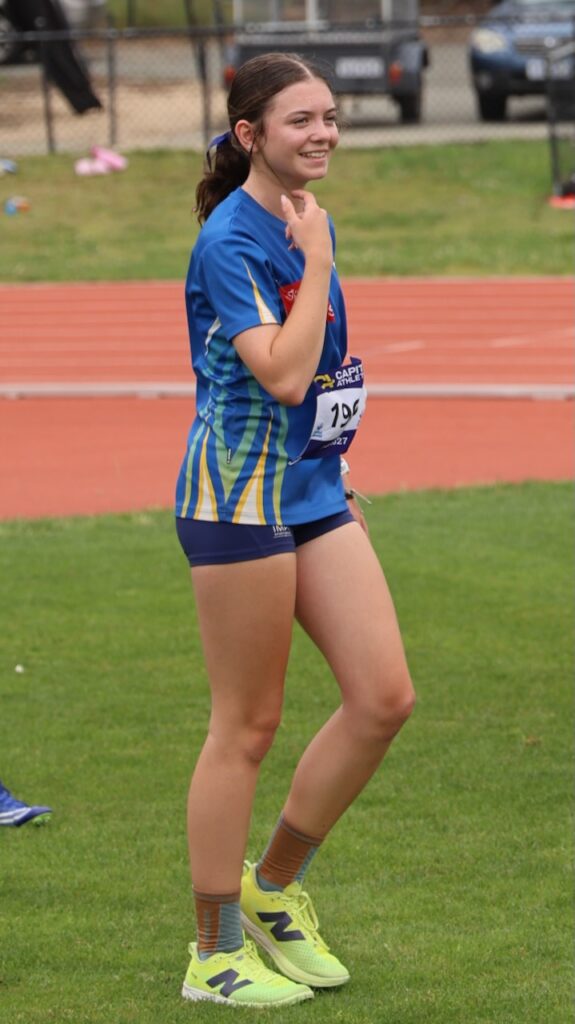
Different ages, different events and different clubs, but a shared commitment to teamwork, effort and enjoying athletics.
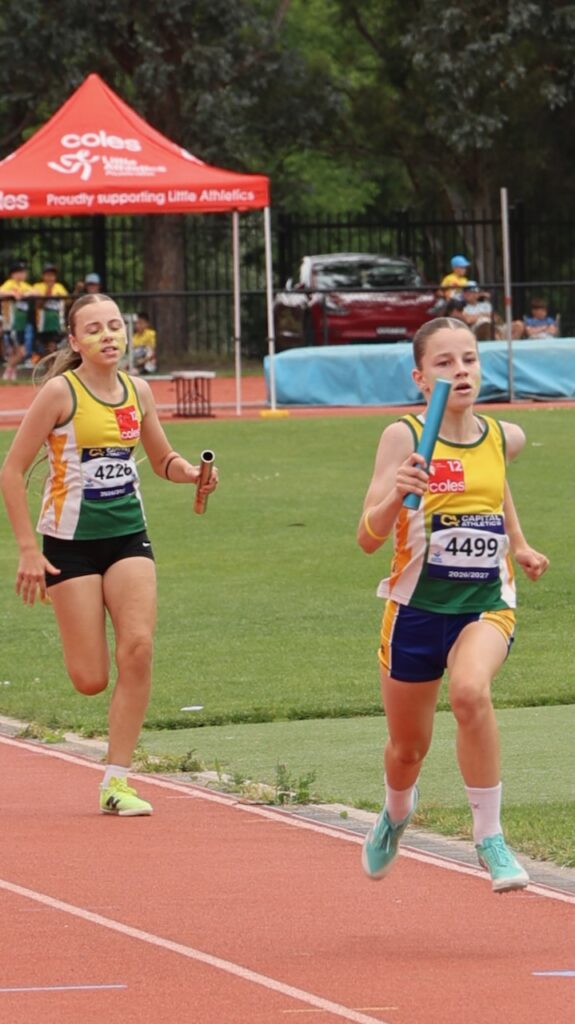
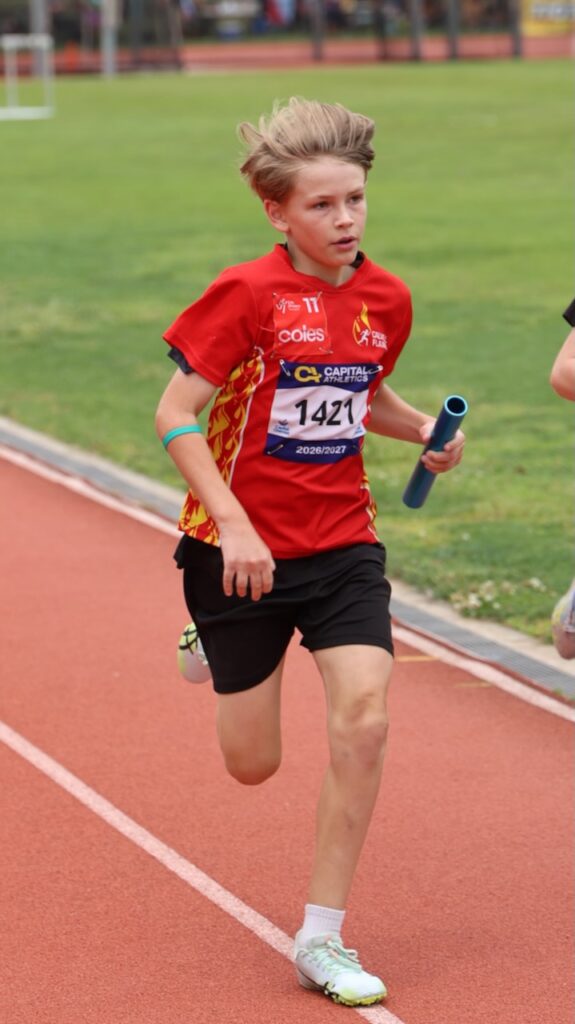
The Capital Athletics 2026 Relay Carnival brought together athletes from across Canberra for a day that celebrated one of the most enjoyable aspects of our sport: the opportunity to compete as part of a team. For FAST Running, it was particularly rewarding to see athletes from across our programs, from FAST Start through to FAST Performance, taking part alongside teammates, friends and competitors from other squads and clubs.
Athletics is often considered an individual sport. Much of our training is focused on personal development, improving technique, building physical qualities and working towards individual performance goals. But relay competition offers something different. Athletes must combine their abilities, communicate with one another and contribute to a result that belongs to the whole team rather than any one individual.
That shared responsibility changes the experience of competition. An athlete might be running alongside someone they’ve trained with for years or joining a relay team with athletes they rarely see outside competition. Either way, success depends on their willingness to work together, support one another and give their best effort for the team.
Different Athletes, One Team
One of the highlights of the carnival was seeing athletes from different backgrounds, ages and stages of development working together. Some were experienced competitors, comfortable with the demands of racing, while others were still learning what it means to compete in a team environment.
For our younger FAST Start athletes, relay competition provides opportunities to develop confidence, understand teamwork and experience the excitement of contributing to something bigger than their own performance. Learning when to run, how to communicate with teammates and how to respond to the responsibility of a relay leg are all valuable parts of their athletic development.
As athletes progress through our programs, those experiences become increasingly important. FAST Accelerate athletes continue developing their running mechanics, coordination and competitive skills, while our more experienced FAST Performance athletes bring greater race awareness and technical understanding to the track.
Despite those differences, the underlying expectations remain consistent. Every athlete has a responsibility to prepare appropriately, support their teammates and make a genuine effort, regardless of their age, experience or the position they occupy within the team.
It was equally encouraging to see our male and female athletes participating across the carnival, contributing to a broad range of teams and events. Each athlete brings different strengths, and relay competition provides an opportunity to recognise those contributions within a shared performance.
Working Beyond Our Own Squad
An important part of the day was the opportunity for FAST athletes to compete alongside athletes from other training groups and clubs.
While we take considerable pride in the training environment we’ve established at FAST, we also recognise that athletics is a wider community. Our athletes regularly compete against runners they know from school, club athletics and other squads, and those relationships are an important part of their experience in the sport.
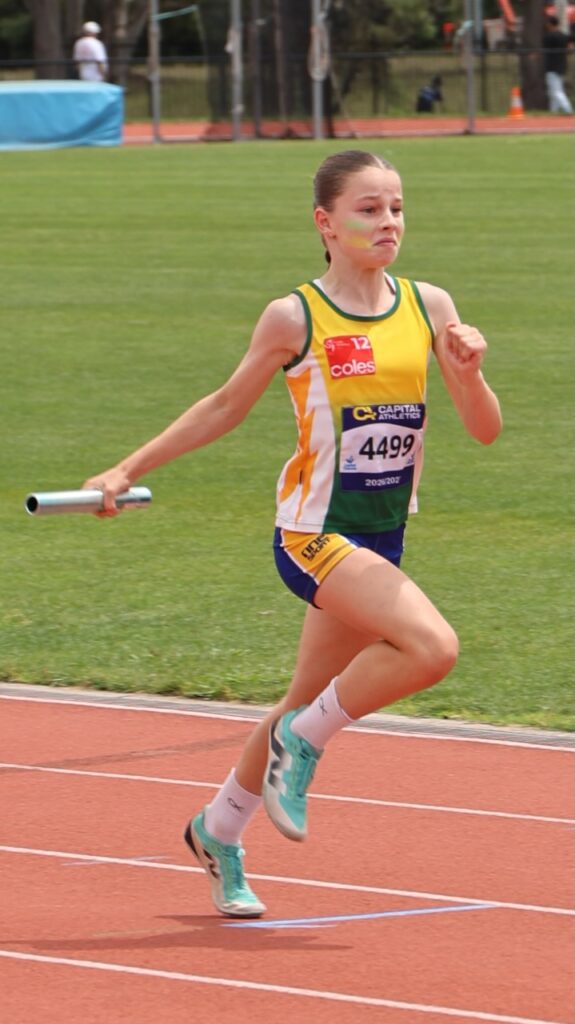
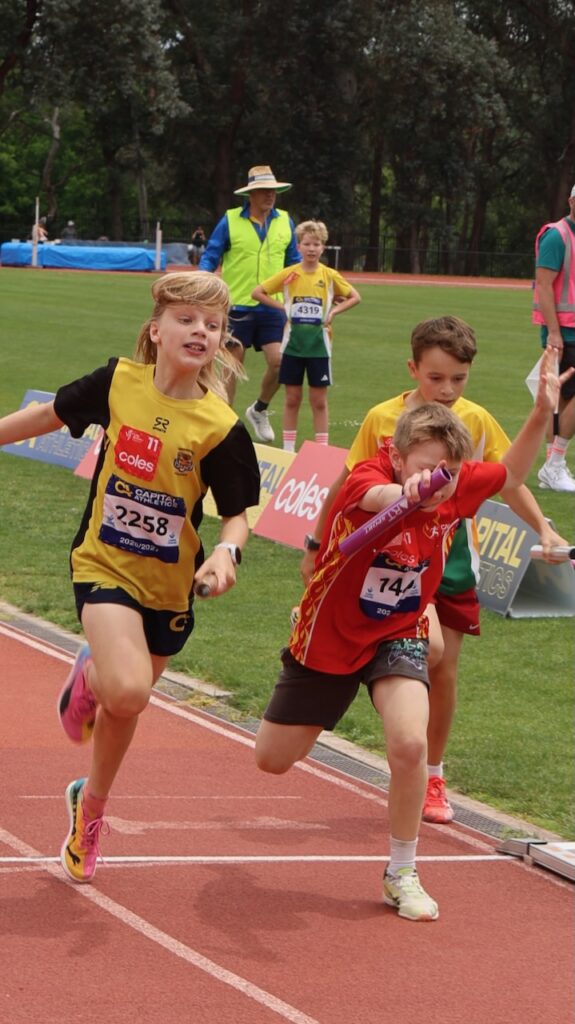
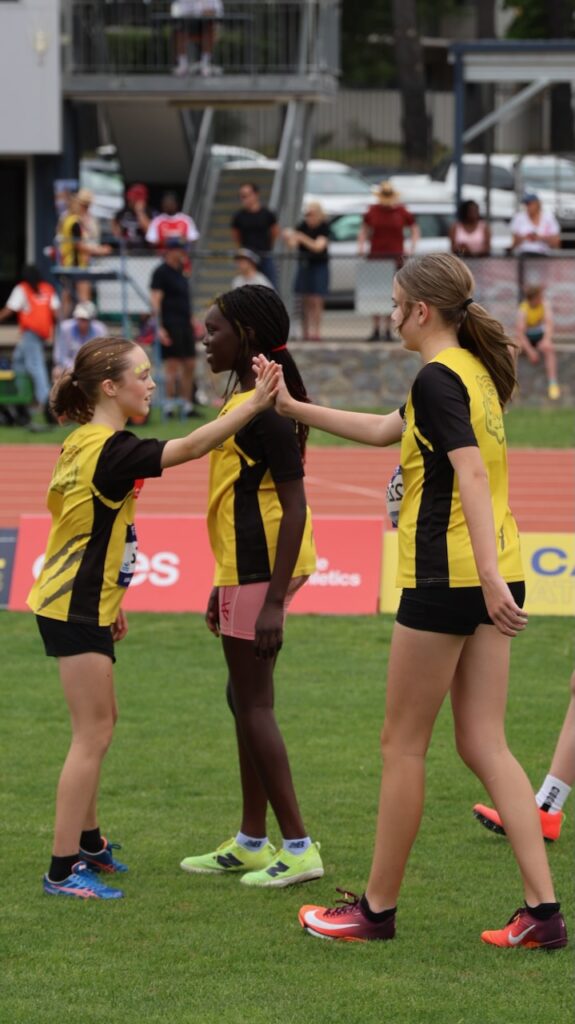
Relay competition can turn familiar competitors into teammates. Athletes who might normally line up against one another suddenly find themselves working towards the same result, sharing responsibility for exchanges, encouraging each other and celebrating their collective effort.
Those experiences help develop respect, communication and an appreciation for the contribution that every athlete makes. They also reinforce that being part of FAST doesn’t mean limiting our relationships to our own squad.
We want our athletes to be confident working with others, to respect athletes and coaches from different programs and to contribute positively wherever they compete. The ability to cooperate, adapt and support teammates is valuable both within athletics and beyond it.
The Race Doesn’t Finish Until the Line
One of the messages we continually reinforce at FAST is the importance of completing an effort properly.
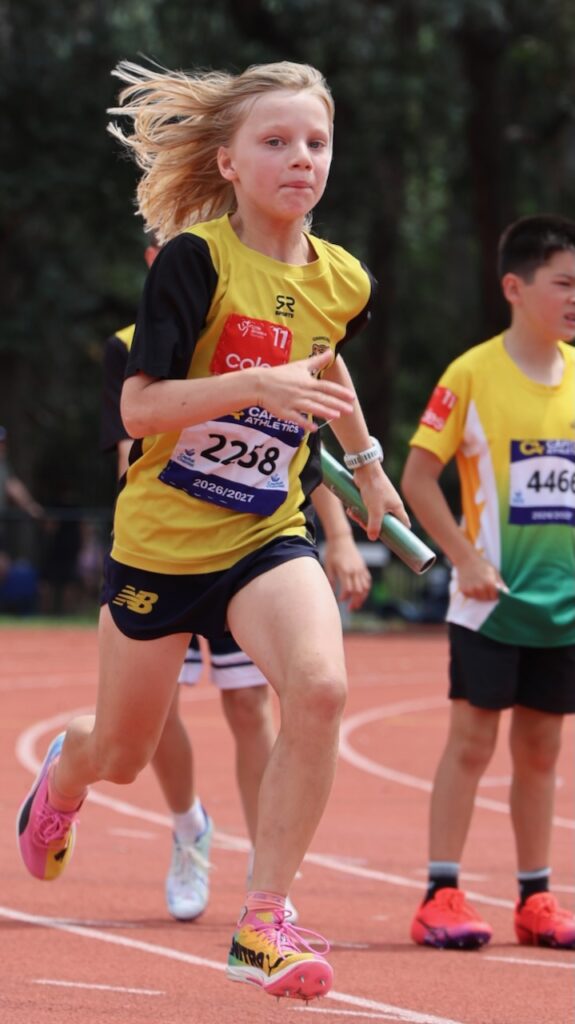
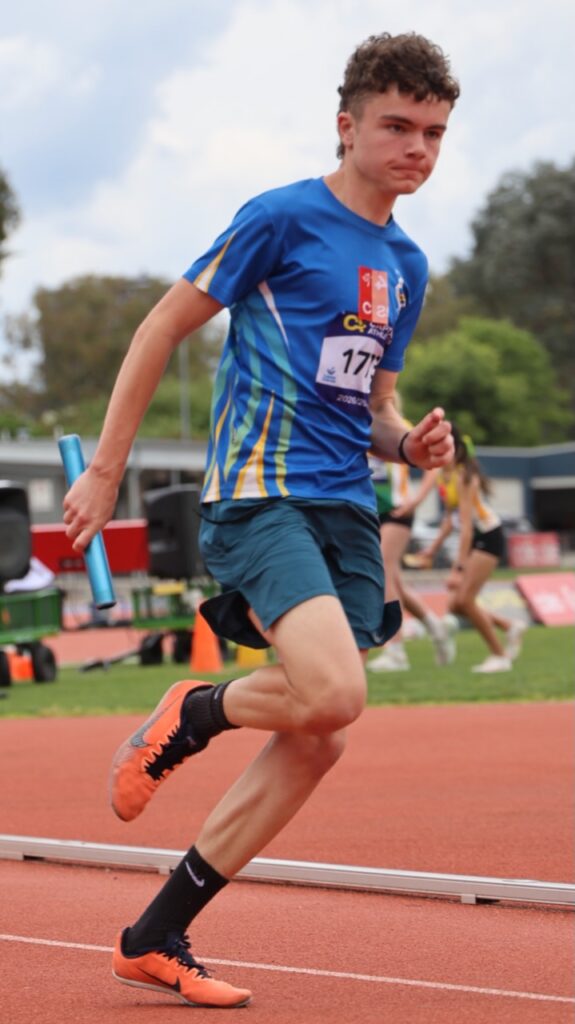
In sprinting, the finish line is not somewhere an athlete should begin slowing down. We encourage athletes to maintain their mechanics, continue applying effort and run through the line rather than easing off as they approach it.
Relay competition provides an excellent opportunity to reinforce that principle. Every athlete’s contribution matters, and the effort maintained over the final metres of a leg can be just as important as the acceleration at the beginning.
For younger athletes, learning to run through the finish is an important technical habit. For experienced sprinters, maintaining posture, rhythm and effective mechanics while fatigued is a skill that requires continual attention.
The carnival provided opportunities to see those principles applied across different ages and abilities. Whether an athlete was running a short sprint leg or contributing to a longer relay event, the expectation was the same: commit to the effort, maintain good running habits and finish the task.
Importantly, this isn’t about demanding the same speed or performance from every athlete. Running Excellence means recognising where an athlete is in their development and encouraging them to execute their event to the best of their current ability.
The youngest athlete learning to complete a relay leg with confidence deserves the same encouragement as an experienced sprinter producing a fast split. Both are developing skills, accepting responsibility and contributing to their team’s performance.
More Than a Result
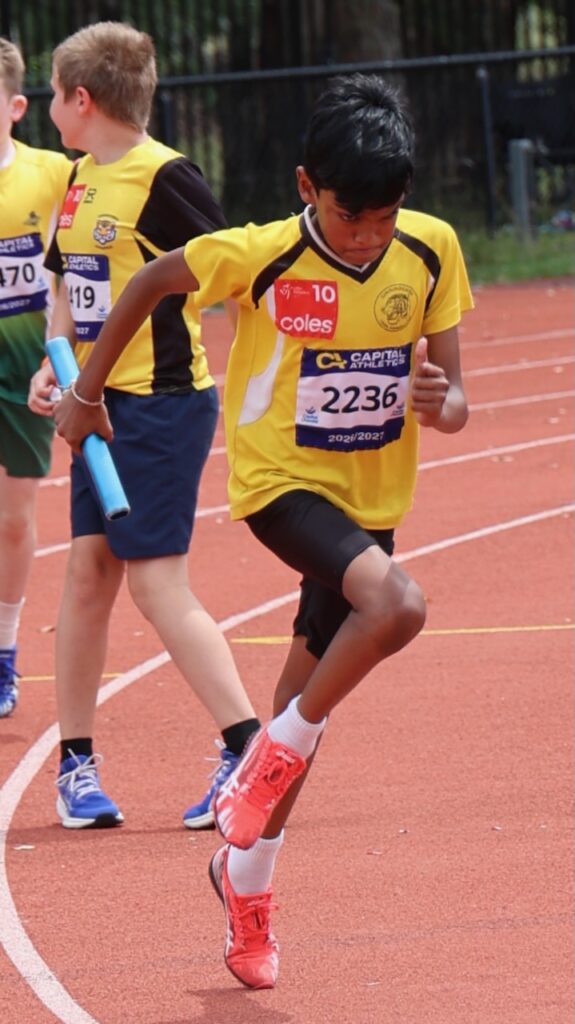
Relay carnivals are remembered for more than finishing positions and times. They’re also about the moments between races, the encouragement from teammates, the conversations between athletes and the excitement of watching someone else compete.
For some athletes, the most memorable part of the day might be a strong individual leg. For others, it might be completing a successful baton exchange, joining a team with new friends or simply enjoying the experience of representing their club.
Those experiences are an important part of developing athletes who enjoy their sport and want to remain involved over the long term.
At FAST, our coaching philosophy places considerable emphasis on technical development and purposeful training, but we also recognise the importance of the environment in which that development takes place. Athletes learn from their coaches, from their own experiences and from the people around them.
A supportive team environment encourages athletes to take on challenges, learn from mistakes and recognise that improvement is an ongoing process. Relay competition brings many of those qualities together in a way that individual events sometimes cannot.
Running Excellence at Every Level
One of the most rewarding aspects of the Capital Athletics Relay Carnival was seeing the breadth of FAST Running represented throughout the day.
From our youngest FAST Start participants through to our established FAST Performance athletes, the carnival reflected the different pathways available within our program. Athletes were competing at different ages, across different events and with varying levels of experience, but they were united by a common approach to their athletics.
Running Excellence isn’t defined by a particular age group, event or performance standard. It begins with learning good movement habits, developing confidence and understanding the importance of effort. As athletes progress, those foundations support increasingly demanding technical and physical development, but the underlying principles remain the same.
The relay carnival also reminded us that excellence isn’t always measured by an individual result. It can be demonstrated through a well-executed baton exchange, a determined finish, a willingness to support an unfamiliar teammate or the encouragement offered to another athlete after a difficult race.
These are behaviours we want to see throughout FAST, regardless of whether an athlete is just beginning their athletics journey or preparing for national-level competition.
Congratulations to all the athletes who participated in the Capital Athletics Relay Carnival, and thank you to Capital Athletics, the participating clubs, coaches, officials and volunteers who helped bring everyone together.
It was a day that demonstrated the strength of Canberra’s athletics community and the value of creating opportunities for athletes to compete, cooperate and enjoy their sport together.
Different athletes. Different ages. Different clubs. Different events. But a shared commitment to giving their best, supporting one another and continuing to grow.
Running Excellence, together.


Comments are closed