
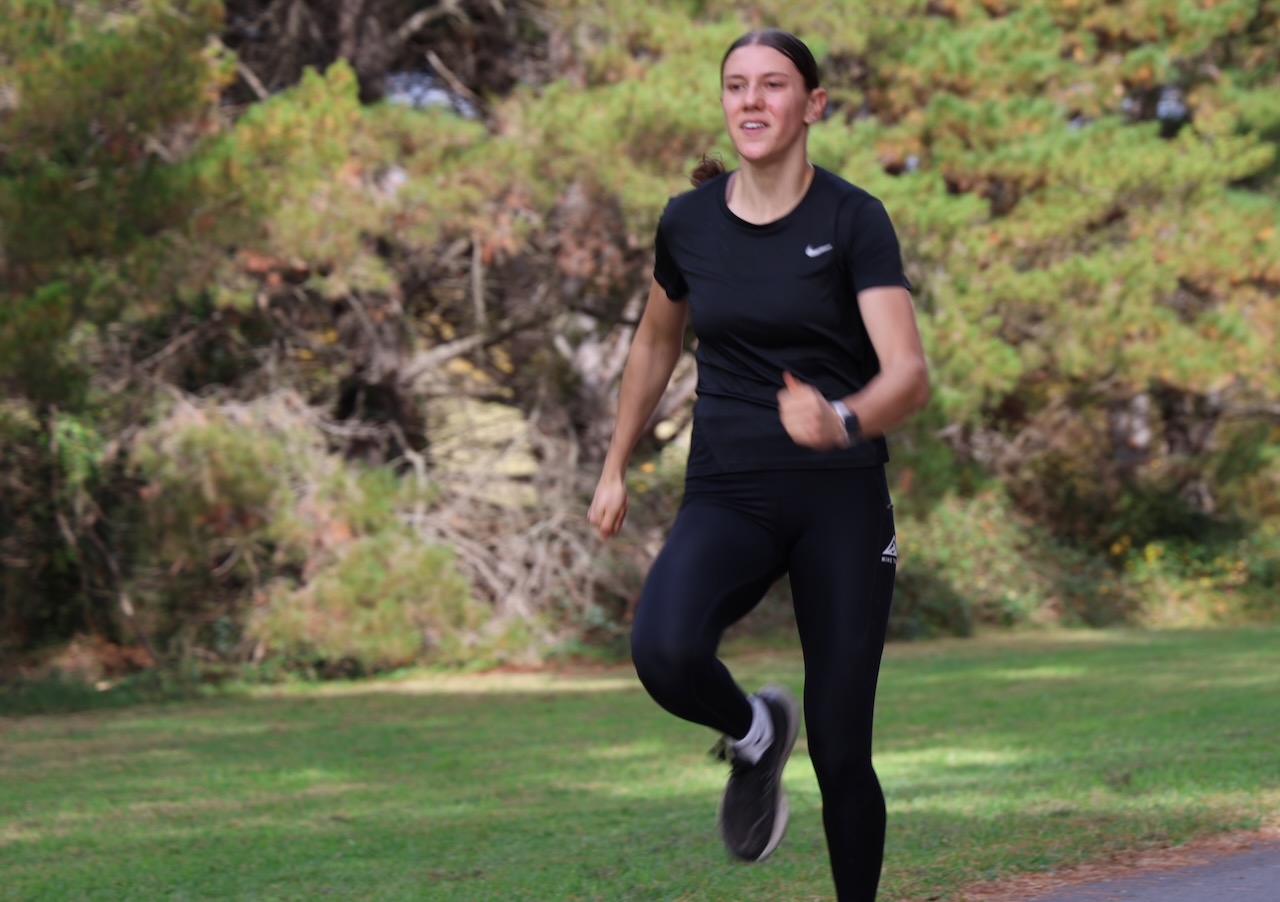
From the outside, many sprint squads can look similar.
Athletes running reps.
Coaches holding stopwatches.
Warm-ups, blocks, gym sessions, competitions.
But high-performing environments are rarely defined by what people see on the surface.
They are defined by the systems underneath.
At FAST Running, the training environment has been built carefully over many years around one central idea:
Not just fast times.
Not just hard sessions.
But an environment where athletes can consistently improve, stay connected to the sport, and develop over the long term.
Athlete First
Everything at FAST begins with one principle:
That does not mean training is easy.
It does not mean standards are lowered.
It means decisions are made with the athlete’s long-term development, wellbeing, and performance in mind.
Sometimes that means pushing hard.
Sometimes it means pulling back.
Sometimes it means changing sessions, modifying loads, or protecting athletes from making emotional decisions around injury or fatigue.
The goal is not short-term noise.
The goal is sustainable progress.
One Squad, Many Pathways
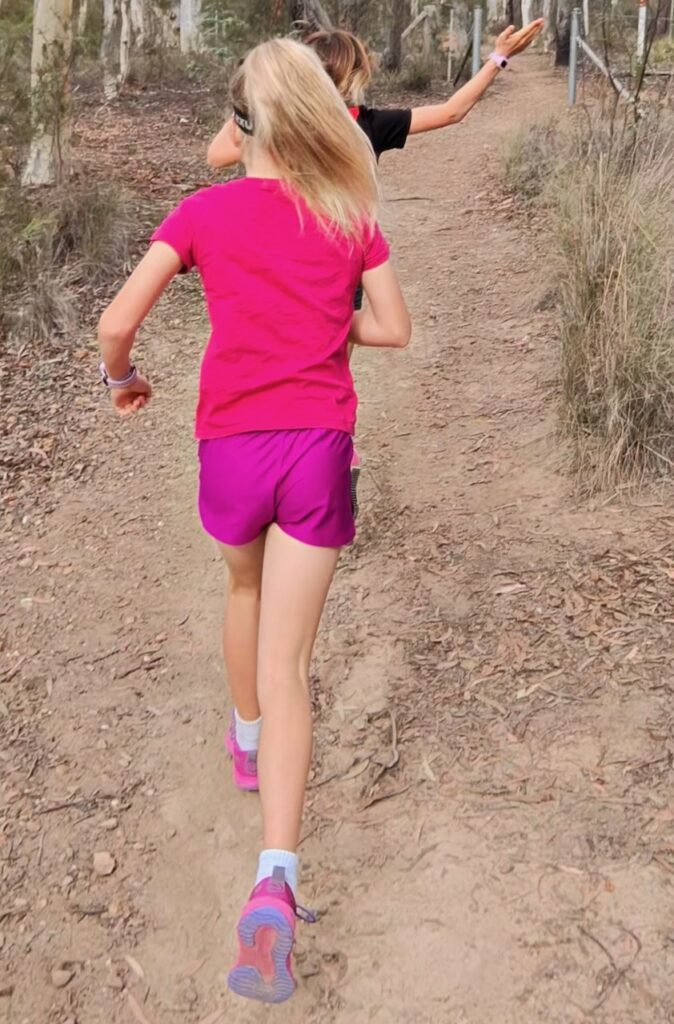
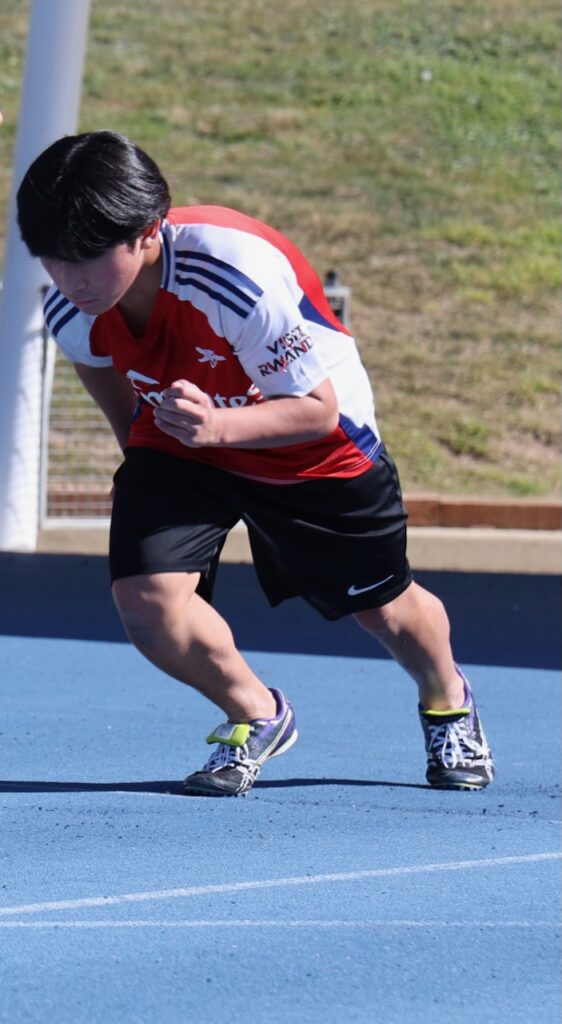
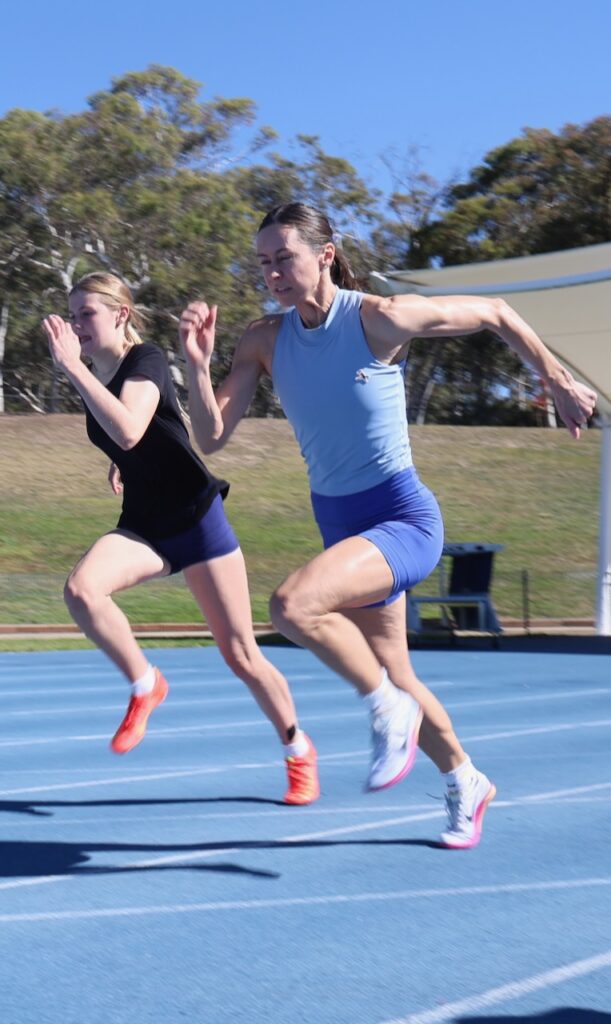
One of the unique strengths of FAST Running is the diversity of athletes within the environment.
FAST includes:
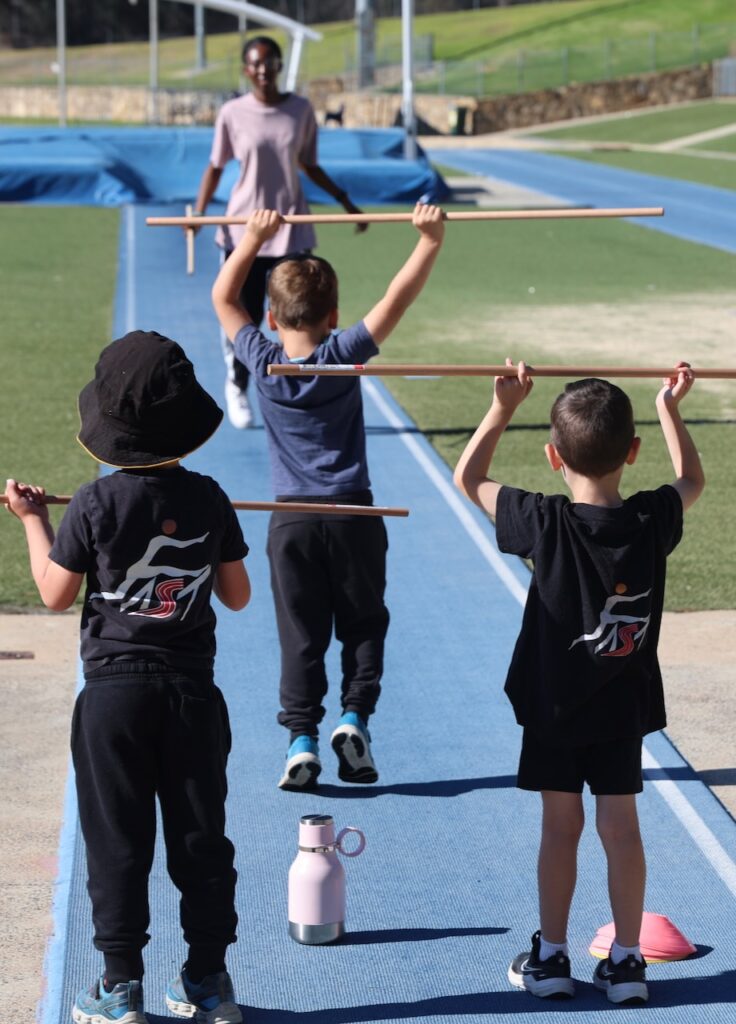
- FAST Start athletes learning movement fundamentals
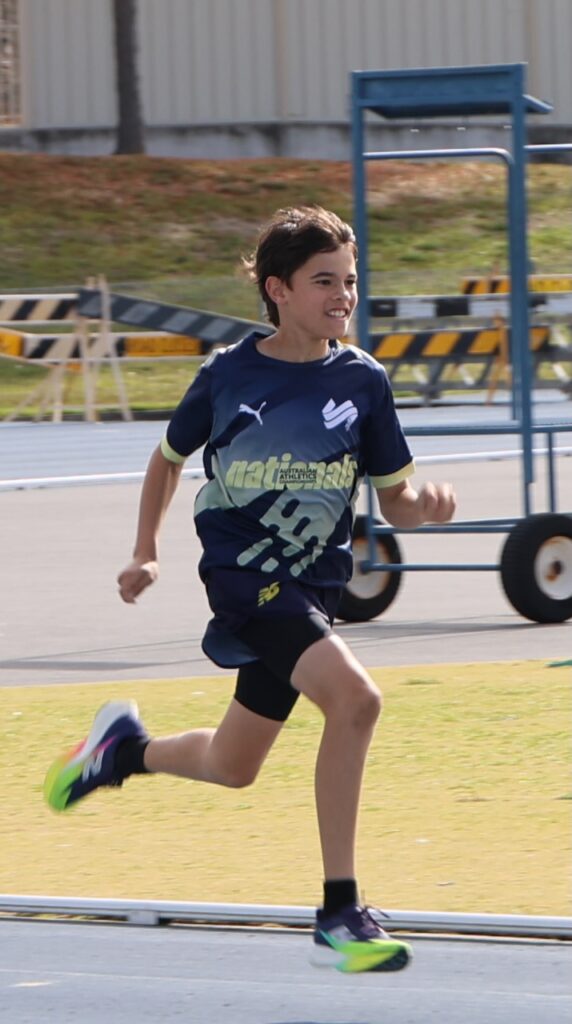
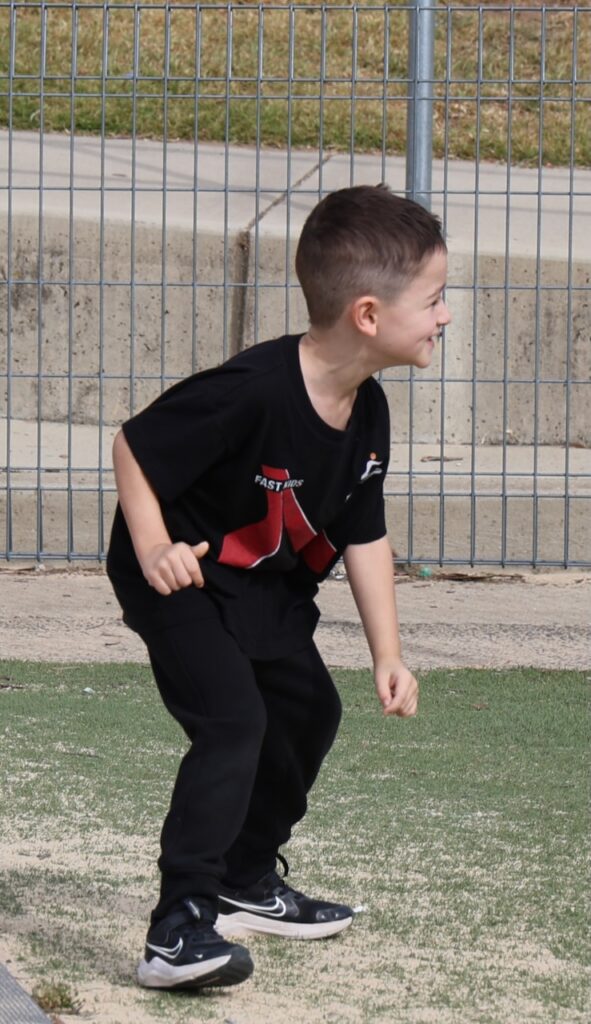
- FAST Kids developing coordination and confidence
- FAST Accelerate athletes building performance habits
- FAST Track athletes developing sprint performance
- FAST Performance athletes targeting national-level competition
- FAST for Sport athletes improving speed for football, basketball, rugby and other sports
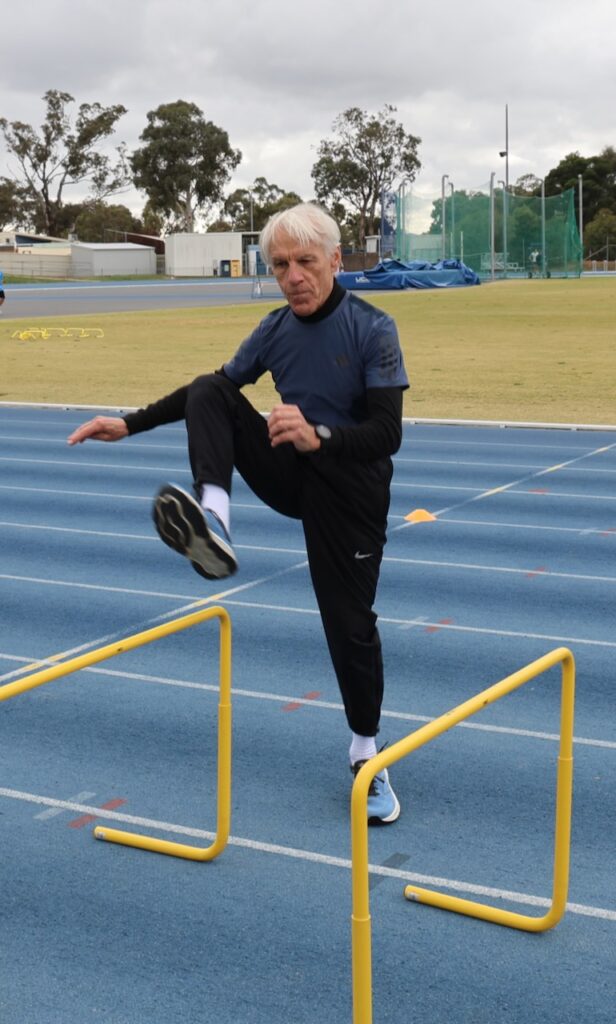
- masters athletes
- para-athletes
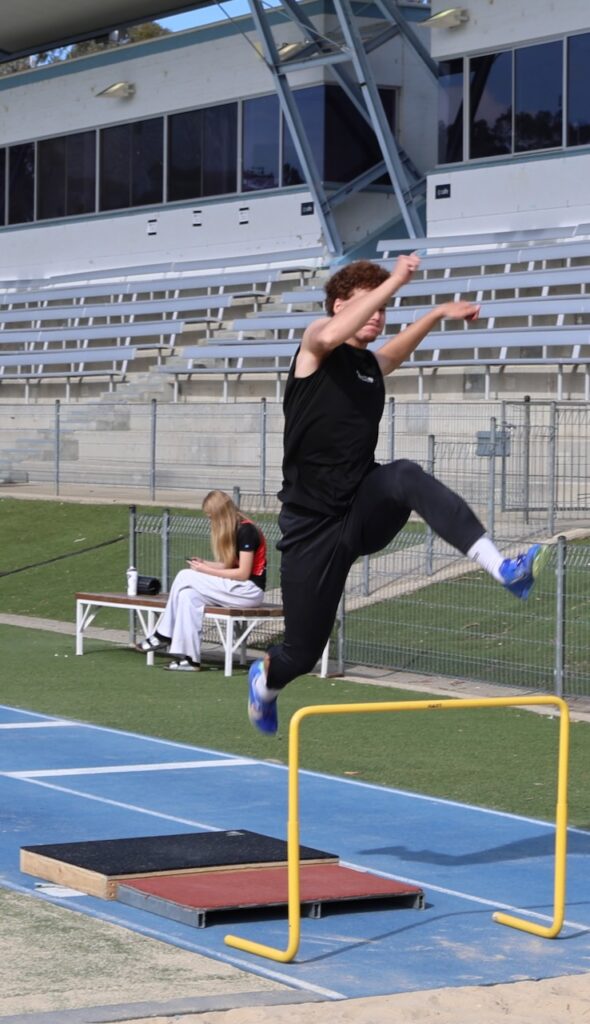
- jumpers
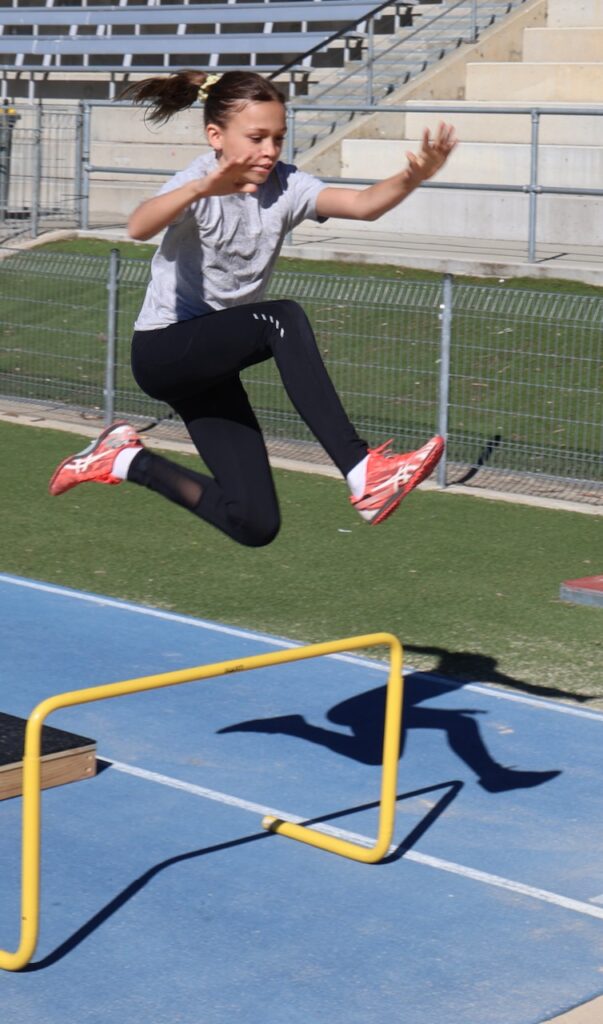
- hurdlers
- sprinters
- middle-distance athletes
Different athletes.
Different goals.
Shared standards.
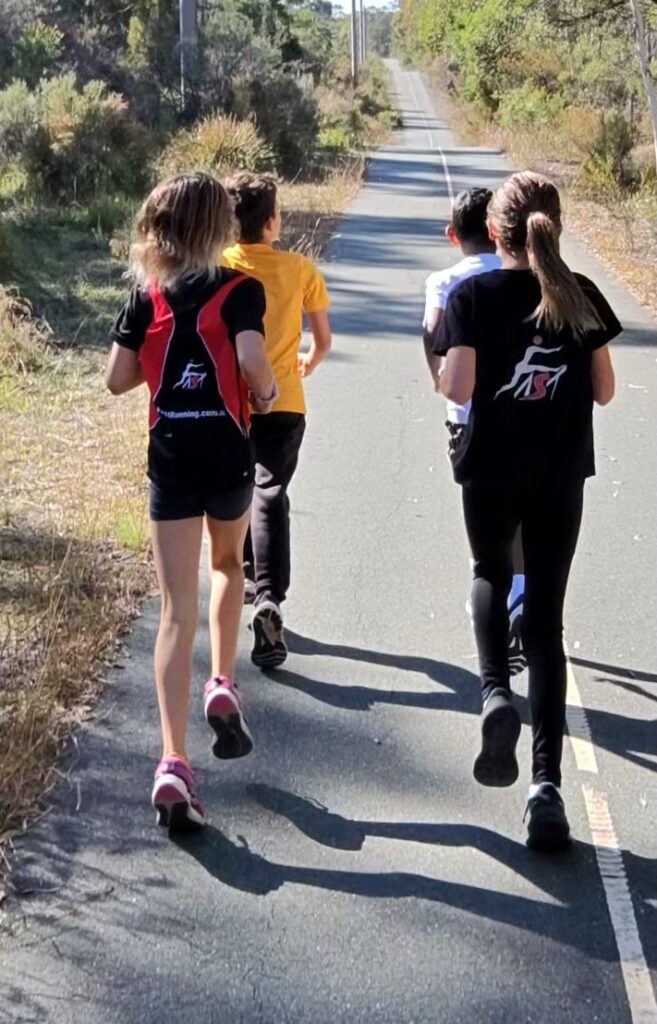
That creates a strong culture where younger athletes can see older athletes training with focus and professionalism, while older athletes help guide the next generation.
Sprinting Is Coached, Not Survived
At FAST Running, sprinting is treated as a skill.
Sessions are not built around exhausting athletes for the sake of fatigue.
They are built around improving movement quality, rhythm, projection, stiffness, posture, acceleration mechanics, and speed expression.
That is why FAST sessions often include:
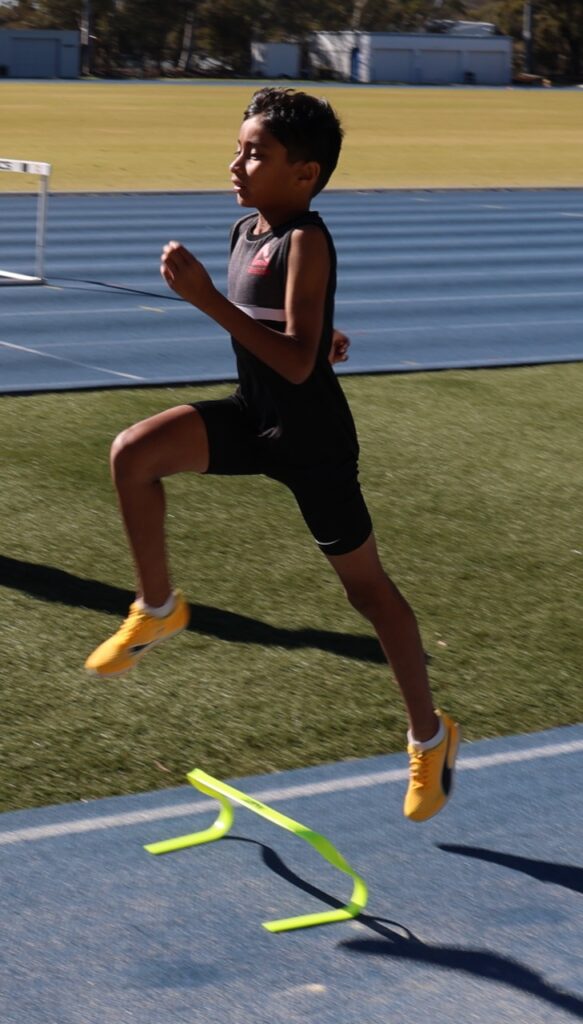
- wickets
- resisted sprinting
- wall drills
- bounding
- dribbles
- projection work
- rhythm runs
- posture drills
- technical sprint preparation
Every element has a purpose.
The aim is not just to work hard.
The aim is to move better at speed.
The Warm-Up Matters
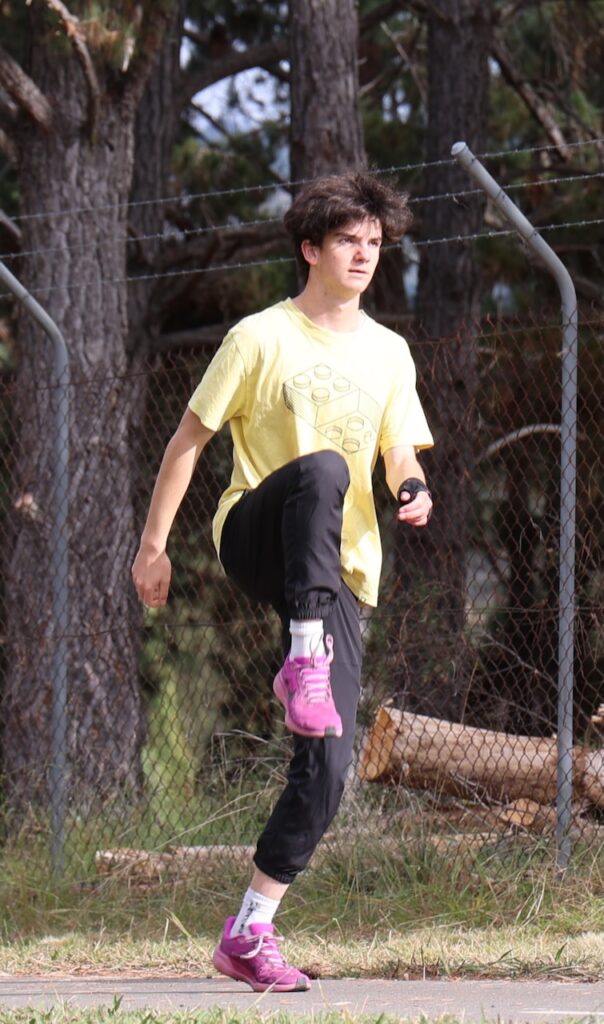
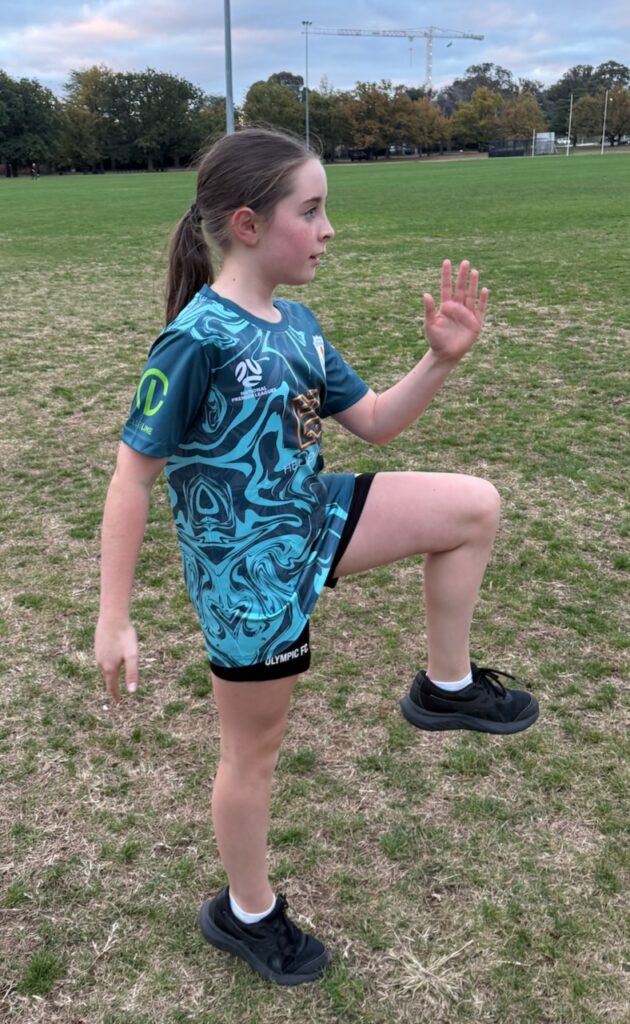
At FAST, the warm-up is part of the training session.
Athletes are coached from the first movement of the night.
Movement preparation is used to reinforce sprint mechanics, posture, rhythm, stiffness, coordination, and acceleration qualities before high-speed sprinting begins.
This helps athletes arrive at the main session prepared to sprint fast with quality.
It also creates consistency throughout the squad.
Strength Training With Purpose
FAST Running also approaches strength and conditioning differently from many traditional sprint programs.
The gym exists to support sprinting.
Not bodybuilding.
Not exhaustion.
Not social media highlights.
Strength work is selected to improve:
- force transfer
- posture
- projection
- stiffness
- trunk control
- acceleration mechanics
- sprint-specific strength qualities
The focus remains on helping athletes sprint faster and move more efficiently.
Community Matters Too
Performance environments do not need to lose their sense of community.
One of the strengths of FAST Running is the balance between standards and connection.
Athletes train seriously.
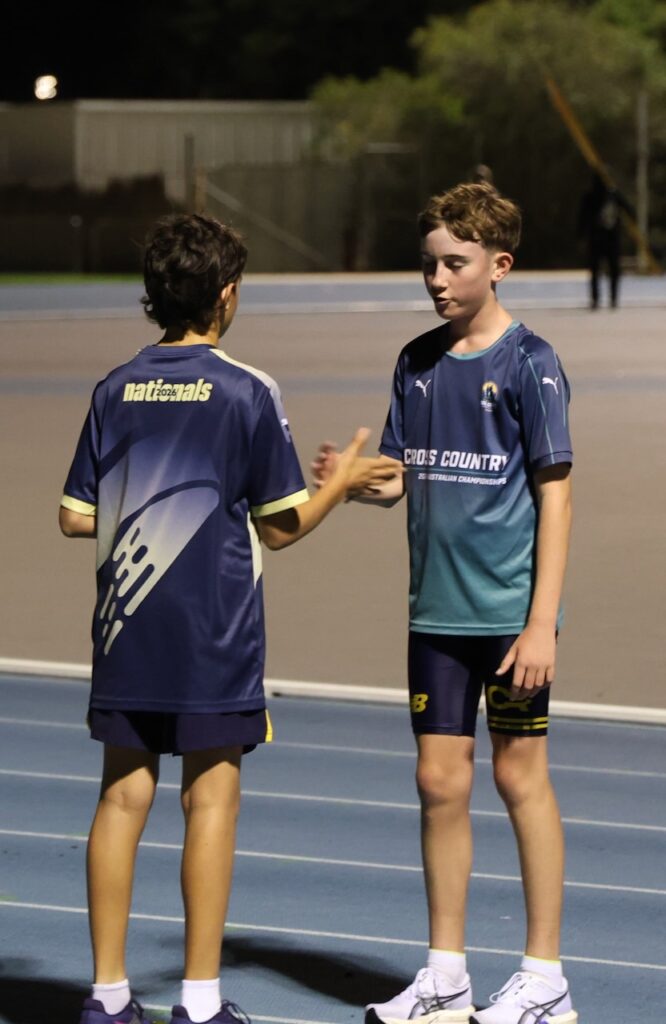
But they also support one another.
Older athletes mentor younger athletes.
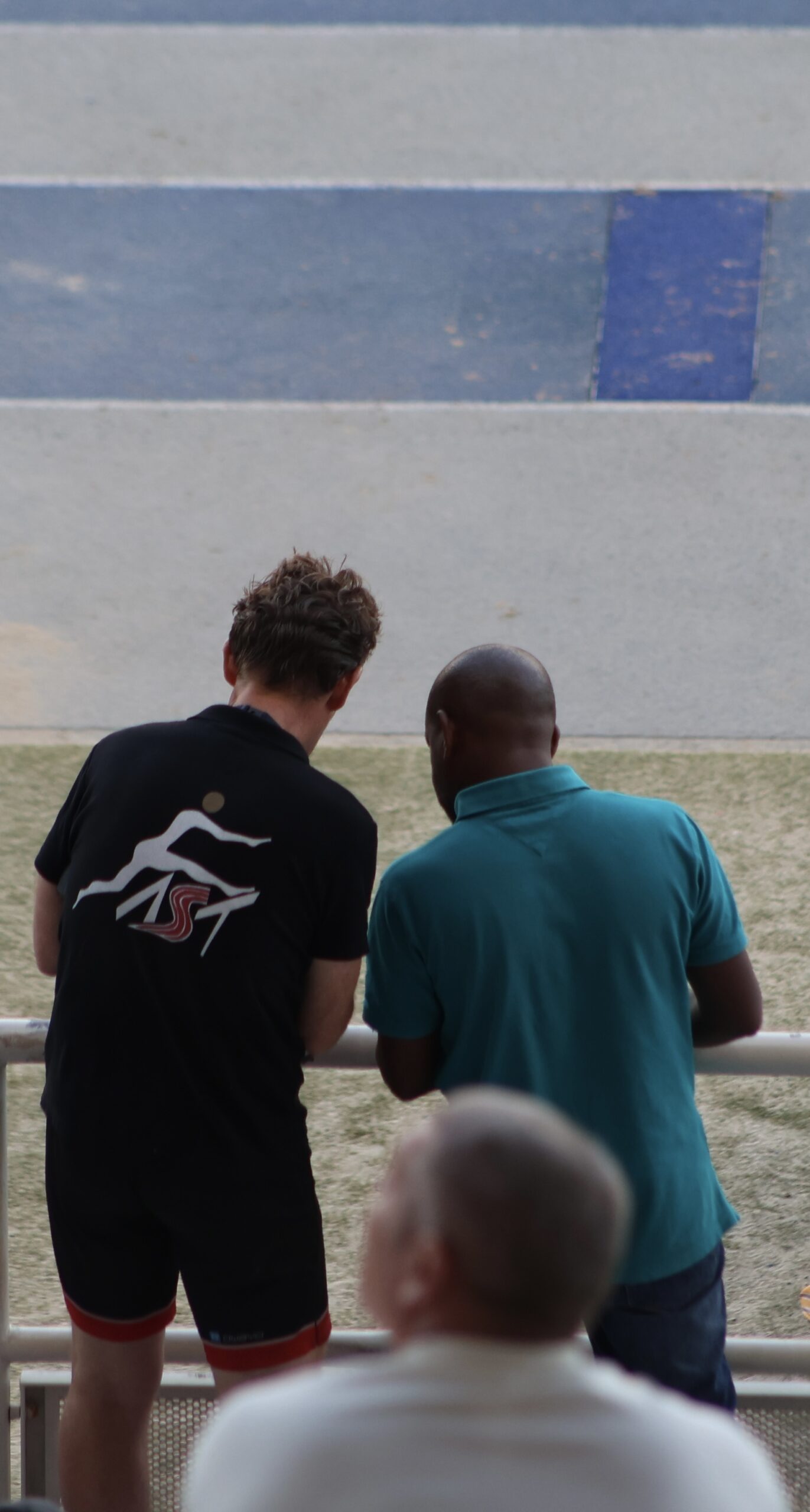
Coaches collaborate across groups.
Families contribute to the culture.
Training environments remain positive, stable, and welcoming.
That matters because athletes perform best when they feel connected to the environment around them.
Leadership Across the Squad
FAST Running is also built around shared leadership.
Female coaches, development coaches, senior athletes, allied health providers, and support staff all contribute to the broader environment.
Leadership exists at every level of the squad.
That depth becomes especially important across long seasons, major competitions, and periods of transition.
The system is bigger than one session.
Bigger than one athlete.
And bigger than one coach standing at the track.
Running Excellence
At FAST Running, success is not measured only by medals or personal bests.
It is also measured by:
- consistency
- growth
- resilience
- confidence
- leadership
- community
- long-term development
- athlete wellbeing
Because the best training environments do more than produce performances.
They help people grow.
That is what Running Excellence means at FAST Running.





Comments are closed