
For many athletes, hill running means one thing:
Fitness.
More reps.
More fatigue.
More suffering.
At FAST Running, we see hills differently.
Because for sprinters, speed still needs to be trained with speed, intent, and quality movement — even when the terrain changes.
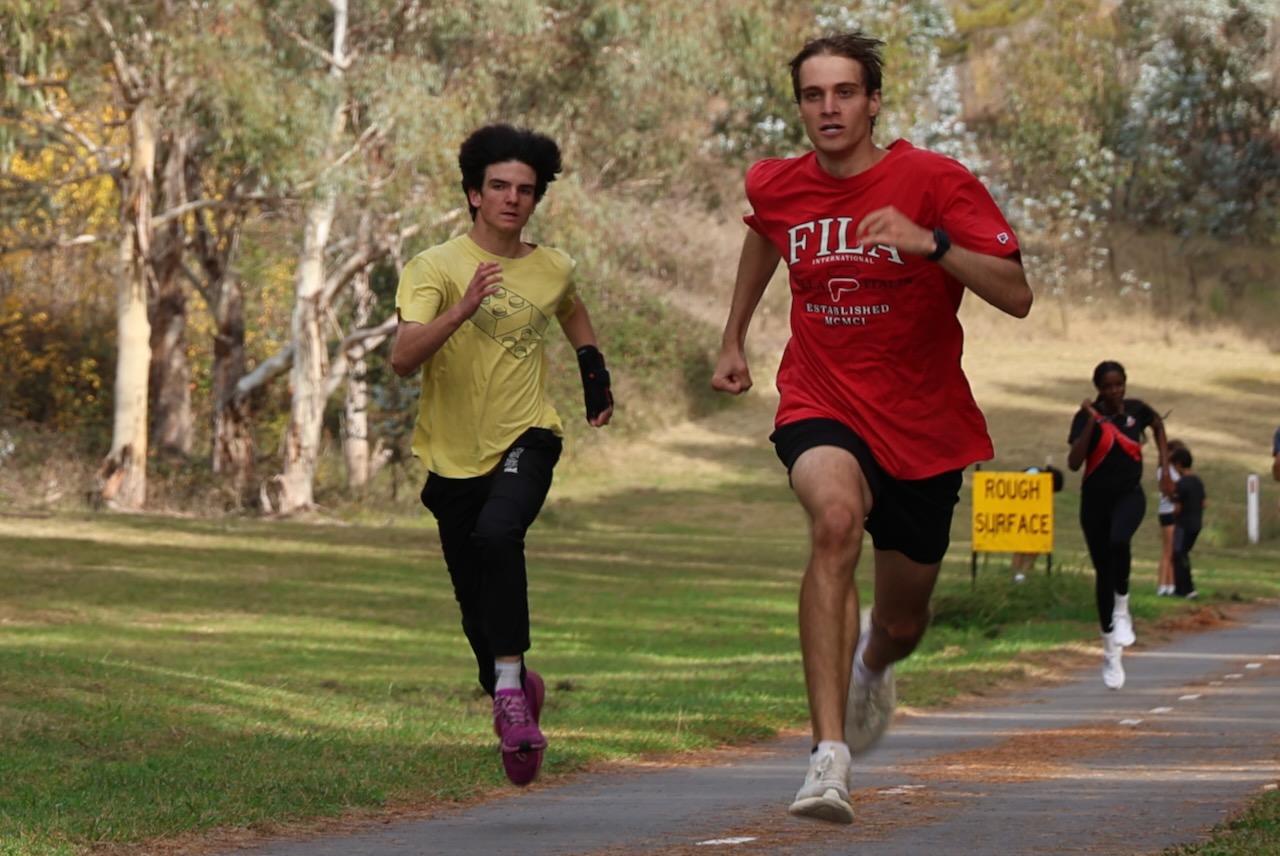
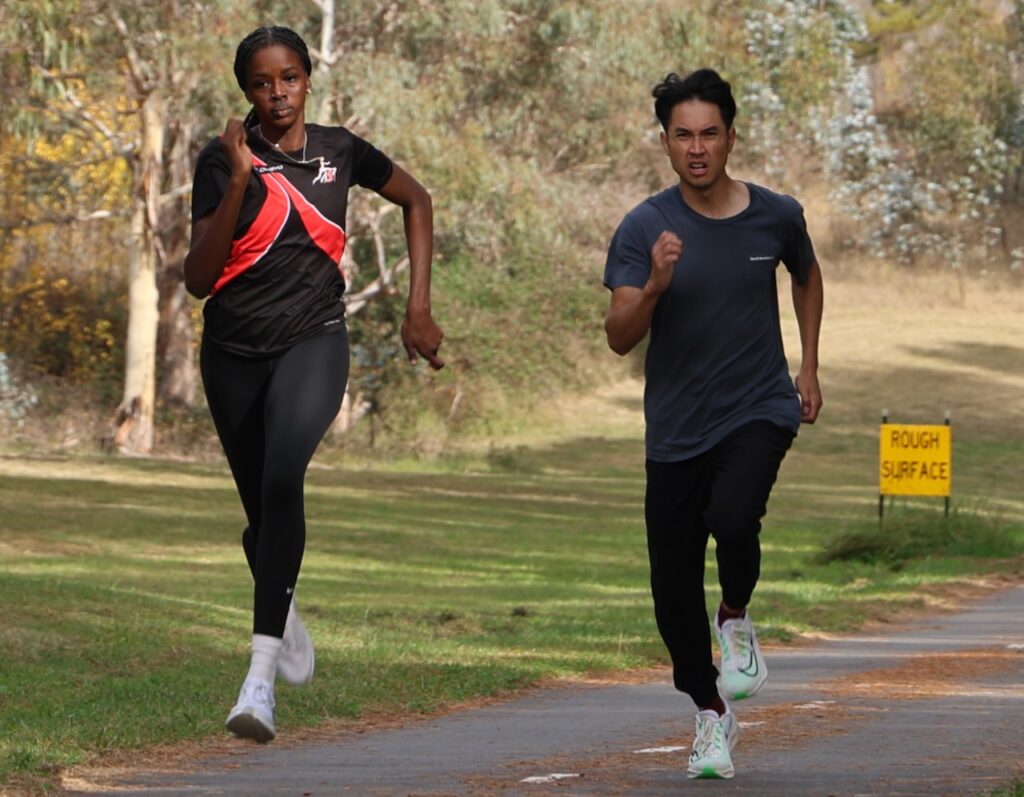
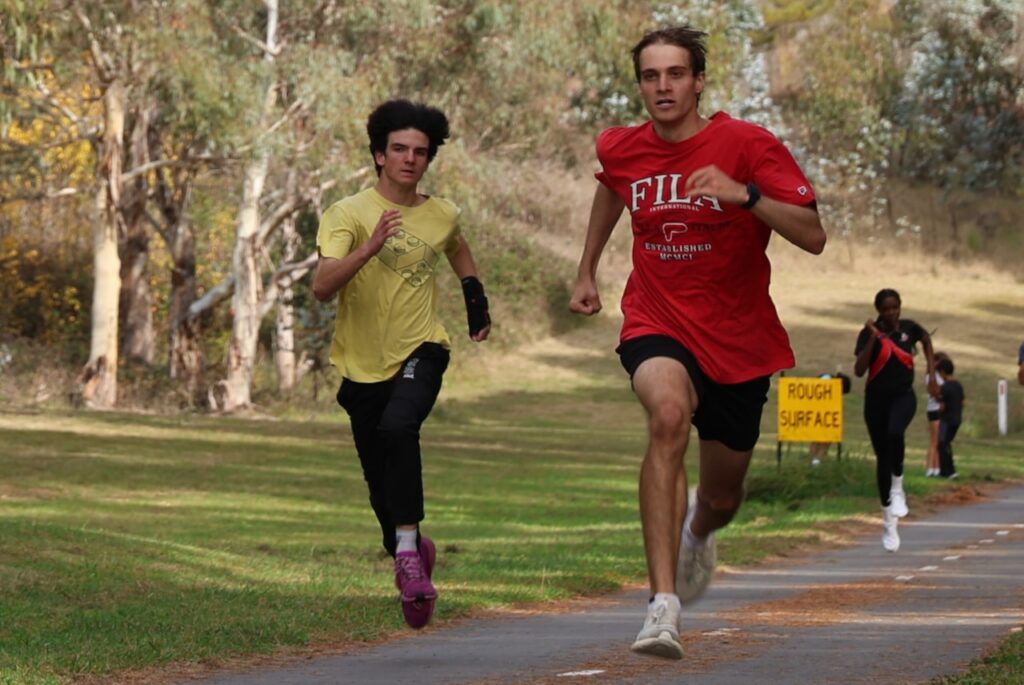
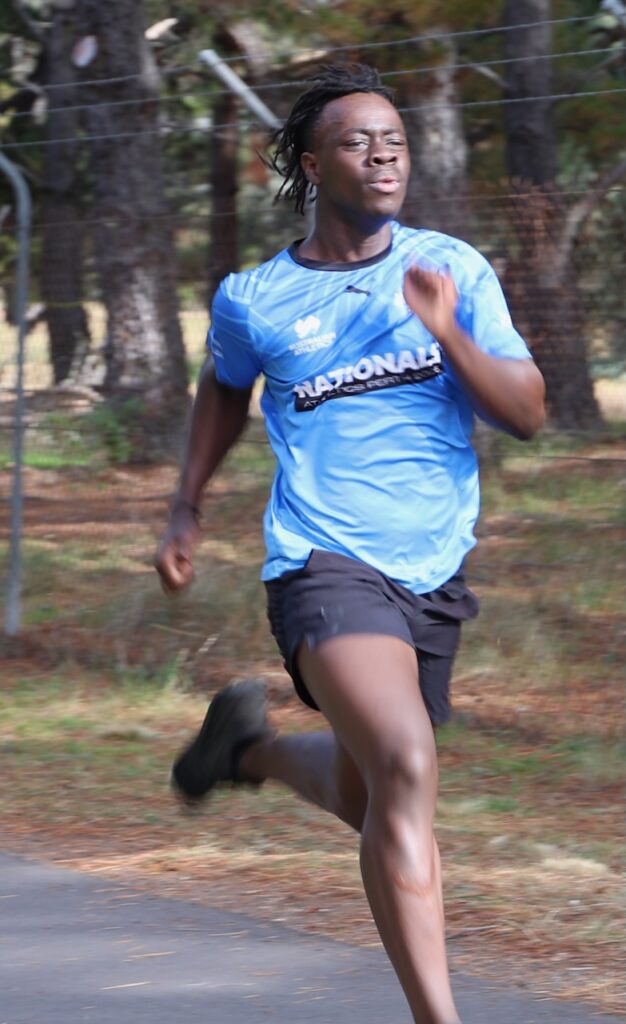
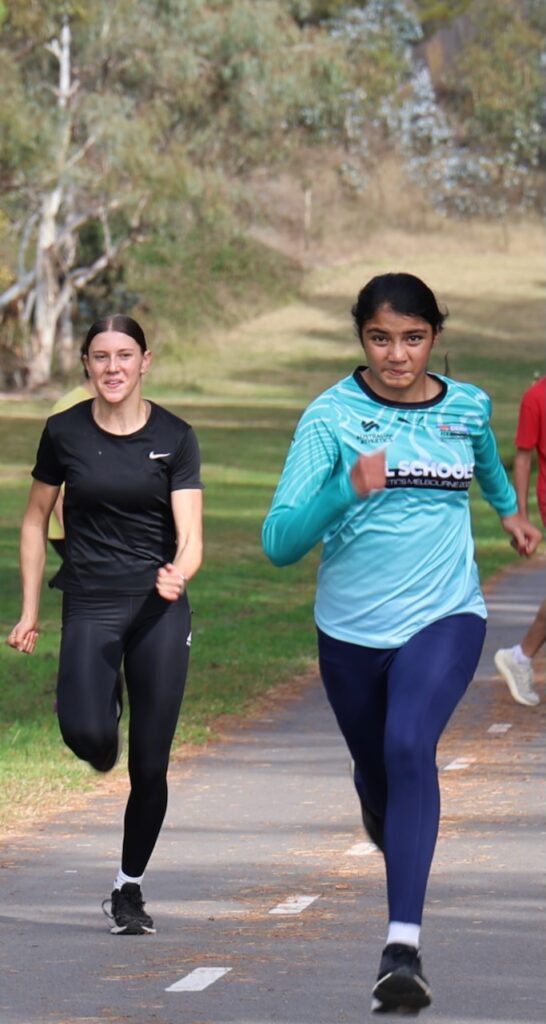
That philosophy shaped this week’s acceleration session at Government House hill, where FAST athletes completed repeated 50 metre hill sprints with full recovery and clear technical intent.
Not to survive the session.
To improve from it.
Hills Are a Tool — Not the Goal
Hill training has existed in athletics for decades.
But how it is used matters.
At FAST Running, hills are not simply conditioning tools designed to exhaust athletes. Instead, they are used strategically to reinforce:
- acceleration projection
- force application
- front-side mechanics
- posture under effort
- rhythm and intent at speed
The hill naturally encourages athletes to push longer and apply force more effectively into the ground.
For younger athletes, this creates better movement awareness.
For advanced athletes, it reinforces acceleration mechanics without needing excessive technical cueing.
Why We Don’t Chase Fatigue
Modern sprinting is often misunderstood.
Many assume athletes improve simply by doing more:
- more volume
- more repetitions
- more exhaustion
But sprinting is ultimately a speed and power event.
Once movement quality deteriorates significantly, athletes are no longer rehearsing high-performance mechanics.
They are rehearsing survival.
That is why FAST sessions are built around quality exposure rather than accumulated fatigue.
Athletes walk back between repetitions.
They reset.
They recover.
Then they sprint again with intent.
This allows speed qualities to remain present throughout the session.
One Session — Multiple Purposes
One of the strengths of the FAST system is that the same session can serve multiple athlete groups simultaneously.
During this week’s hill session:
- FAST Accelerate athletes observed older athletes sprinting at high speed
- FAST Performance athletes reinforced acceleration qualities under controlled load
- developing athletes learned session rhythm, discipline, and recovery structure
- coaches observed mechanics in a more simplified acceleration environment
This is part of the wider FAST philosophy:
Younger athletes grow fastest when they regularly see what higher standards look like.
Not years later.
Now.
Innovation Through Simplicity
Innovation in coaching does not always mean expensive technology or complicated systems.
Sometimes innovation is:
- using the environment creatively
- understanding why a session exists
- applying load intentionally
- knowing when not to add more
Government House hill has become one of several FAST environments used to challenge athletes differently throughout the year alongside AIS track sessions, grass work, wickets, resisted accelerations, and race modelling.
The goal is never random variety.
The goal is purposeful adaptation.
Building Fast Athletes — Not Just Tired Ones
At FAST Running, every session asks a simple question:
“What quality are we actually trying to improve?”
This week, the answer was acceleration quality and force application.
Not exhaustion.
Not punishment.
Not simply “working hard.”
Because fast athletes still need opportunities to run fast.
And that principle continues to shape how FAST Running develops athletes — from junior development through to national-level performance.






Comments are closed