
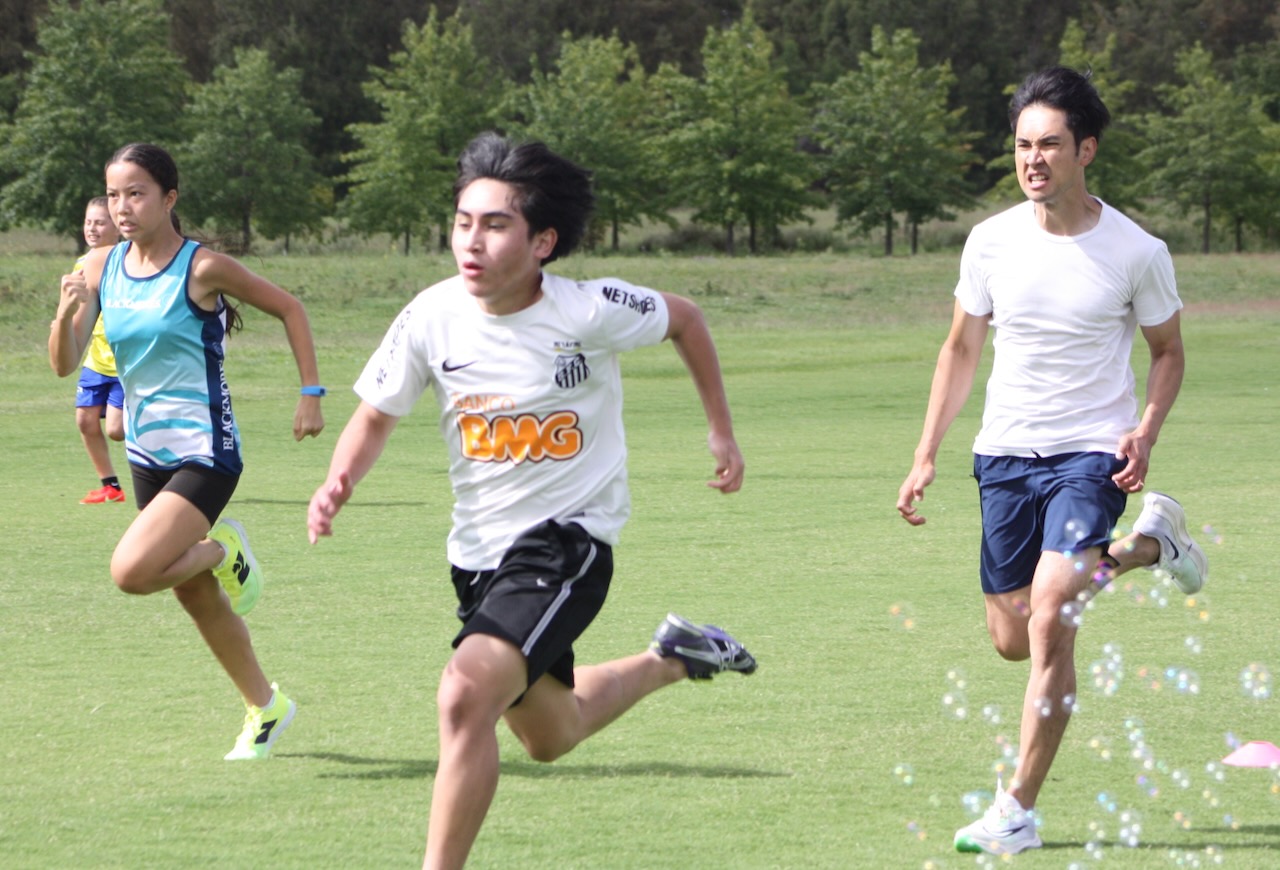
Some athletes take years before their natural sprint qualities become obvious.
Others show signs almost immediately.
For Aqlan Taufik, it did not take long.
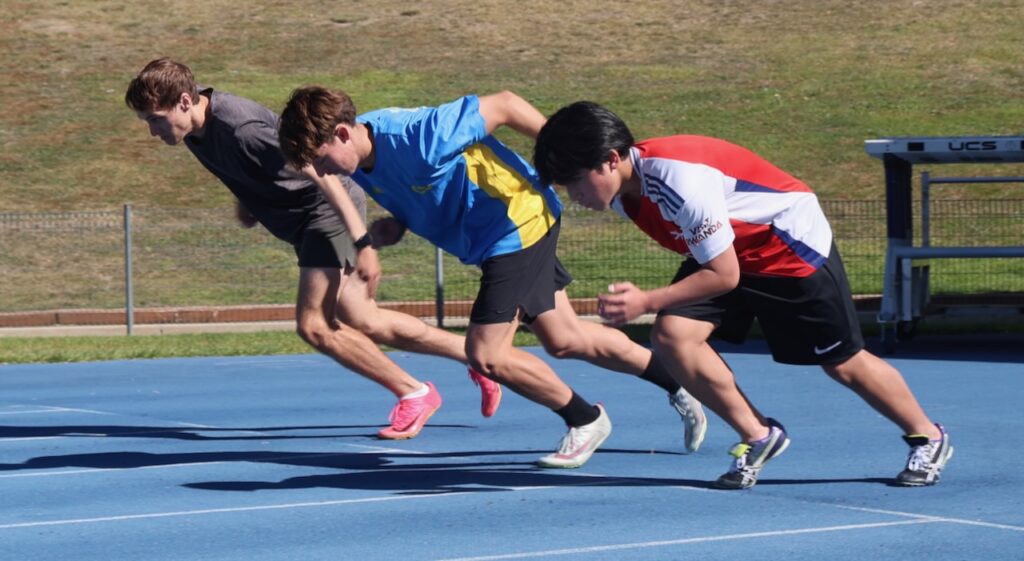
Despite only recently beginning structured sprint training with FAST Running, Aqlan quickly stood out for one major reason:
Natural speed.
Not just effort.
Not just energy.
Actual sprint qualities.
Fast turnover.
Strong acceleration instincts.
Reactive movement.
Elasticity.
The ability to move quickly across the ground without looking forced.
Those qualities are difficult to teach.
And they immediately caught attention within the FAST environment.
More Than Just Running Fast
At FAST Running, however, natural speed is viewed as the beginning of the process — not the end of it.
Because sprinting at a high level is about far more than simply moving quickly.
Posture matters.
Projection matters.
Rhythm matters.
Force direction matters.
Relaxation matters.
Learning how to organise speed efficiently is what ultimately allows talented athletes to continue improving over time.
That has become a major focus of Aqlan’s development.
Organising the Speed
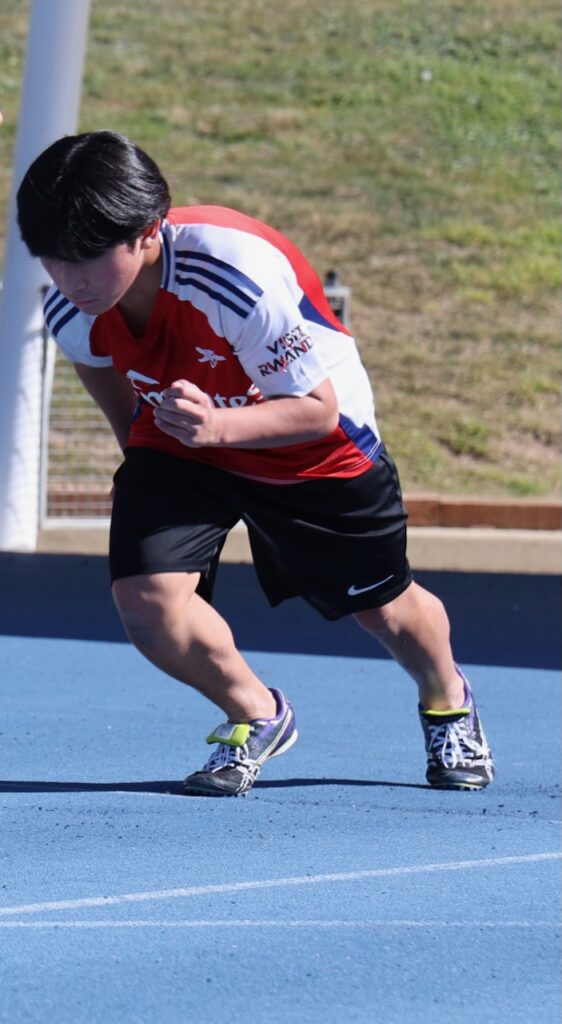
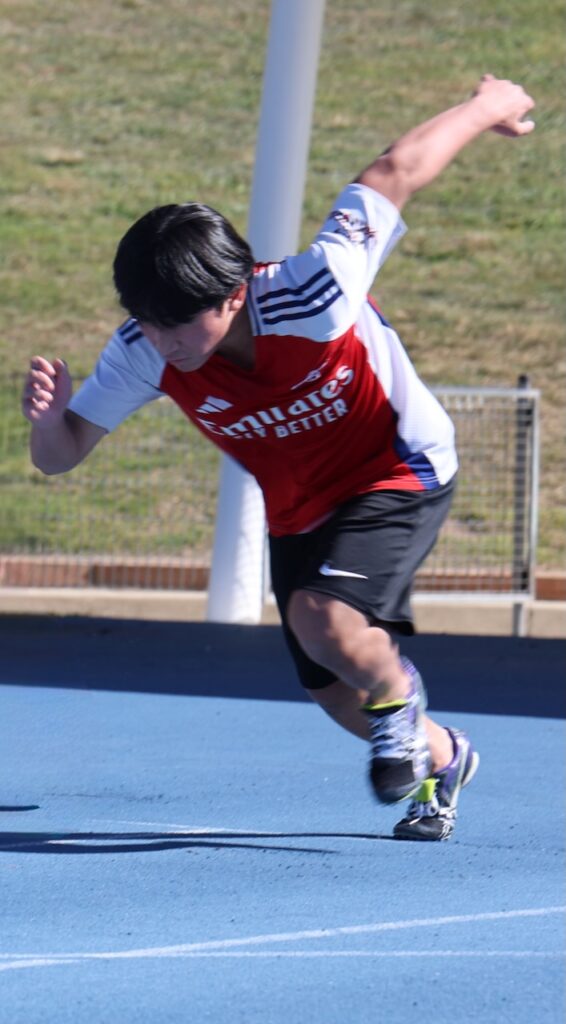
One of the most exciting aspects of Aqlan’s sprint profile is his natural frequency and acceleration qualities.
Even early in training, he demonstrated the ability to turn over quickly and attack the ground aggressively.
Within FAST Running, the focus has been on carefully developing those qualities without losing the natural speed that makes him unique.
That means:
- improving posture
- refining projection mechanics
- developing stiffness
- building rhythm
- improving movement efficiency
- learning how to stay relaxed while sprinting fast
The goal is not to change how Aqlan moves.
The goal is to help organise and strengthen the qualities already there.
Long-Term Development Matters
Importantly, FAST Running views athletes like Aqlan through a long-term lens.
Young athletes with natural ability often improve quickly early on.
But long-term development still requires patience.
That includes:
- managing training loads properly
- building resilience gradually
- improving movement quality
- protecting athlete wellbeing
- avoiding the temptation to rush development
At FAST Running, Athlete First always remains the priority.
Especially with younger athletes showing exciting early signs.
Learning the Craft of Sprinting
One of the biggest transitions for naturally fast young athletes is learning that sprinting is a technical event.
Sessions now regularly expose Aqlan to:
- acceleration mechanics
- wickets
- hill sprinting
- posture drills
- stiffness work
- rhythm development
- sprint-specific warm-up systems
- structured speed exposure
These sessions help athletes understand not just how to run fast — but how to sprint efficiently.
That learning process takes time.
Part of a Bigger Environment
Another important part of Aqlan’s development is the environment around him.
At FAST Running, younger athletes train alongside:
- experienced sprinters
- national finalists
- hurdlers
- jumpers
- team sport athletes
- masters athletes
- developing juniors
That environment helps younger athletes build strong habits early.
They see how older athletes prepare.
How they warm up.
How they recover.
How they handle setbacks.
How they train consistently.
Those details matter over time.
Running Excellence
What makes Aqlan’s journey exciting is not simply that he is fast now.
It is that he is still at the very beginning of his development.
There is still so much to learn.
So much to build.
So much to refine.
At FAST Running, the goal is not simply to produce quick short-term results.
The goal is long-term development built around movement quality, athlete wellbeing, consistency, and Running Excellence.
For athletes like Aqlan, that journey is only just beginning.

Comments are closed