Seeing the Phases: Visualising Perfection in the Triple Jump

FAST Running - Long Jump - Triple Jump

At FAST Running, we don’t just train the triple jump — we study it.

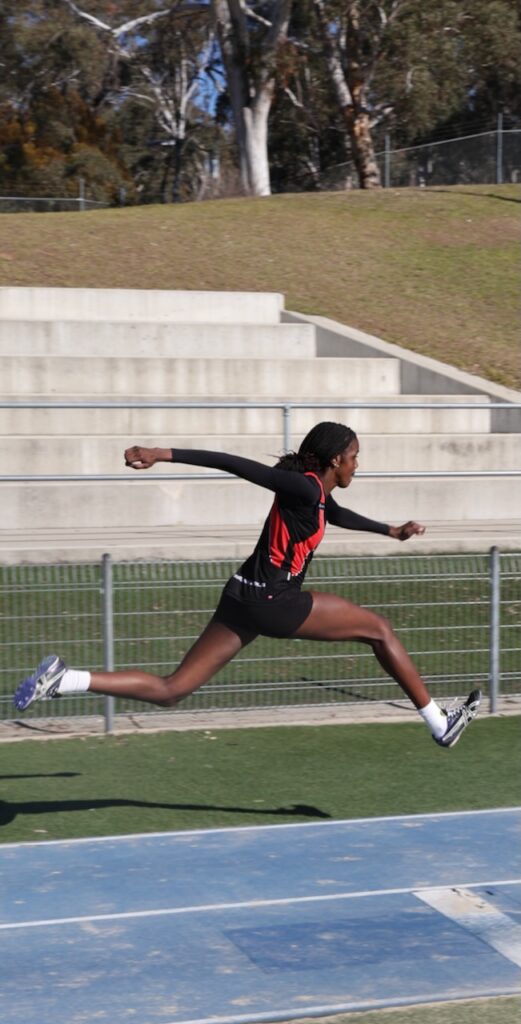
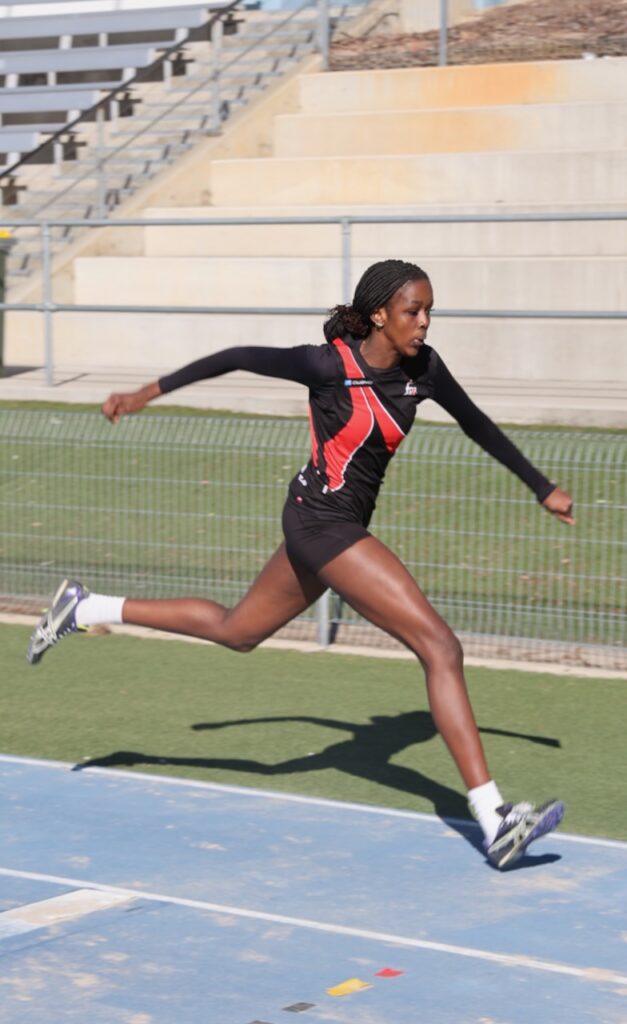
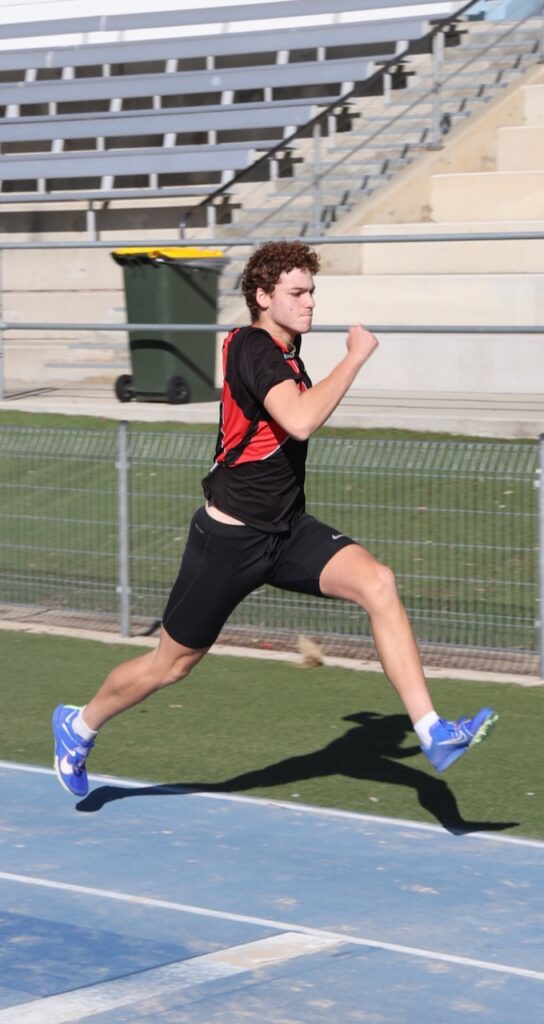
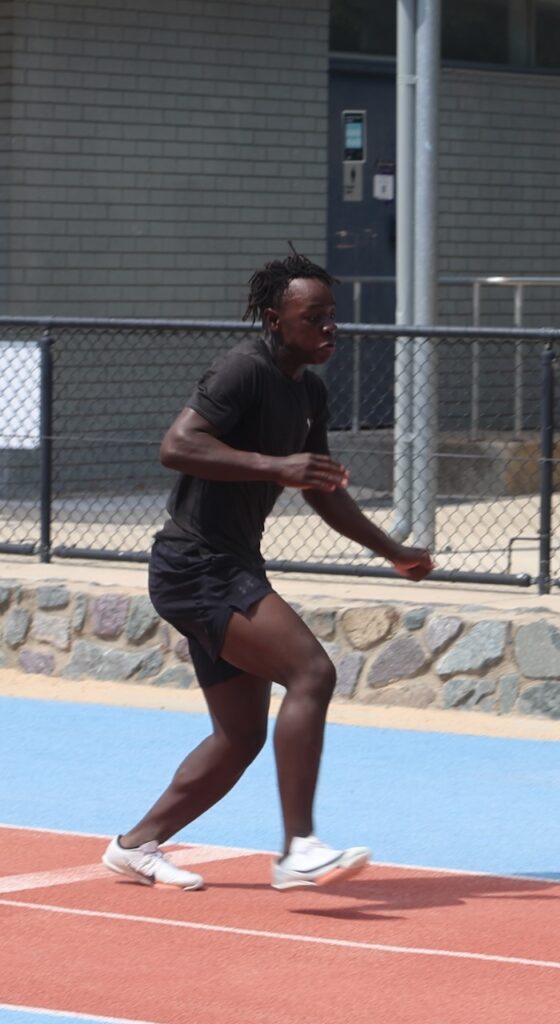
Behind every hop, step, and jump is a carefully rehearsed rhythm. To master the triple jump, we break the event into its key phases and explore how each athlete moves through them. It’s not guesswork — it’s precision.

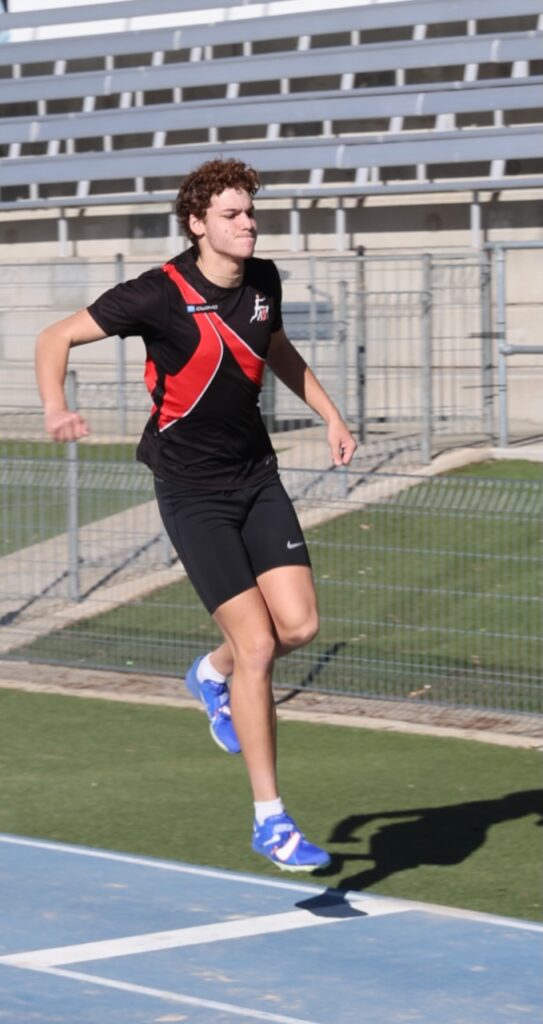
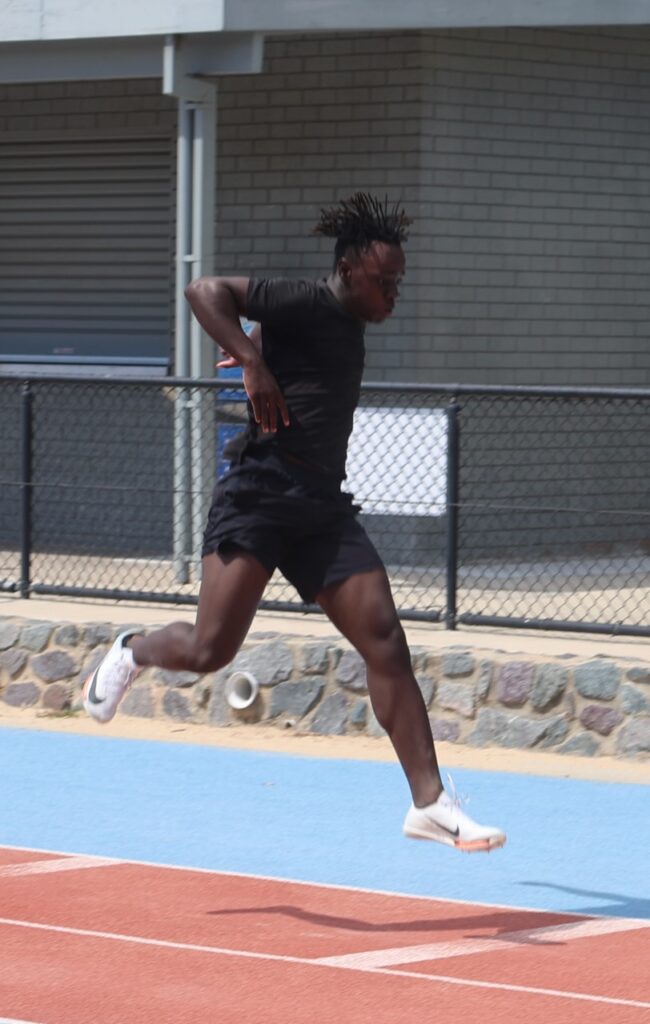
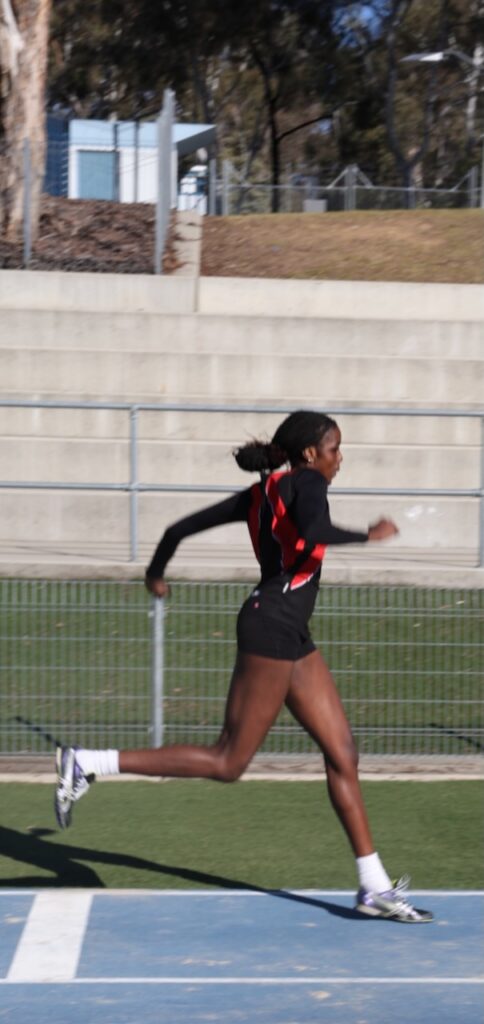
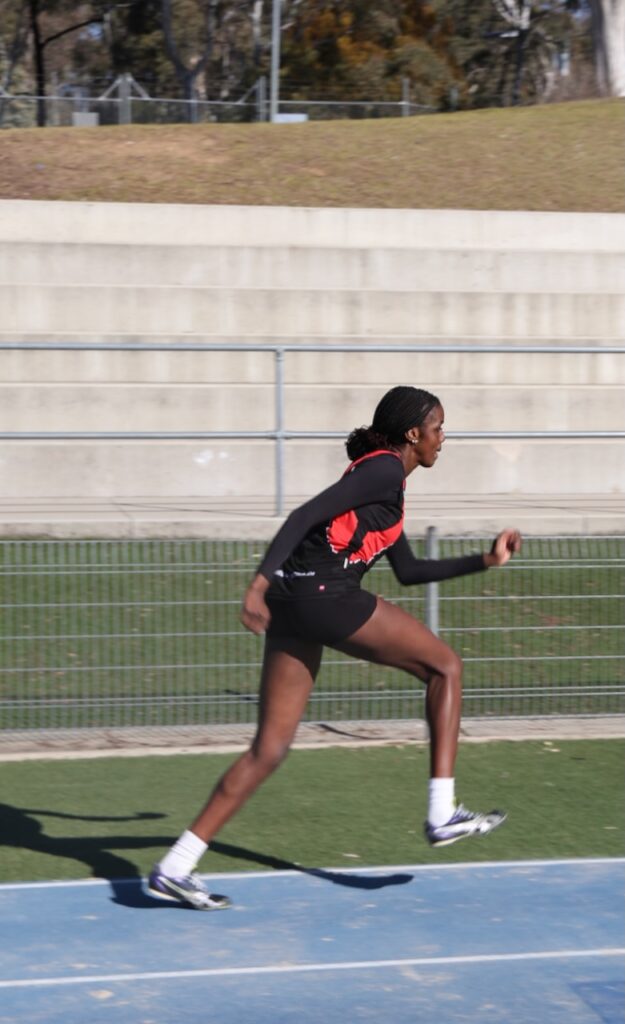
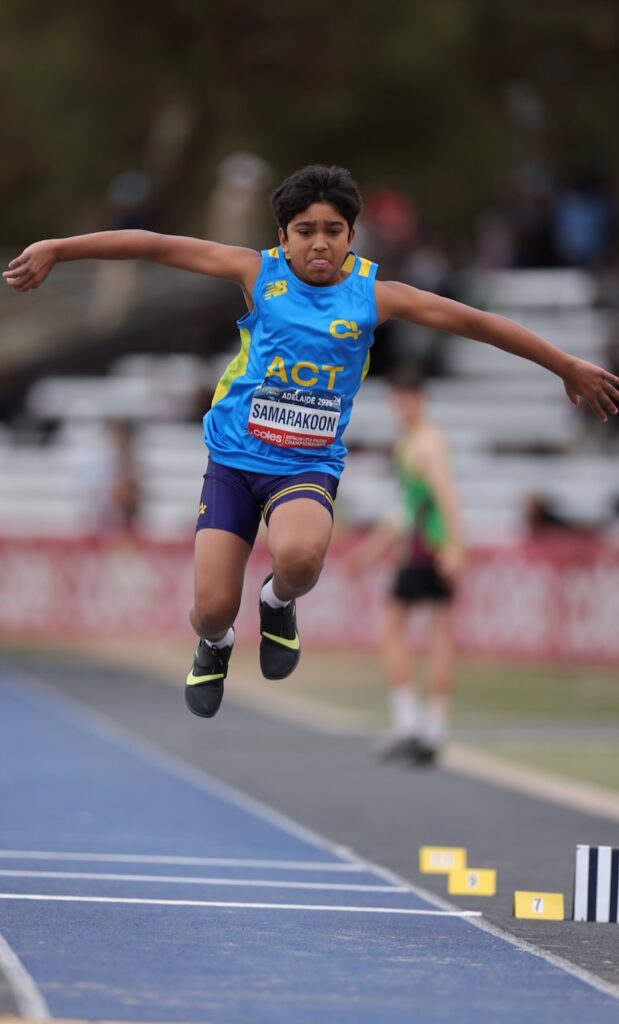
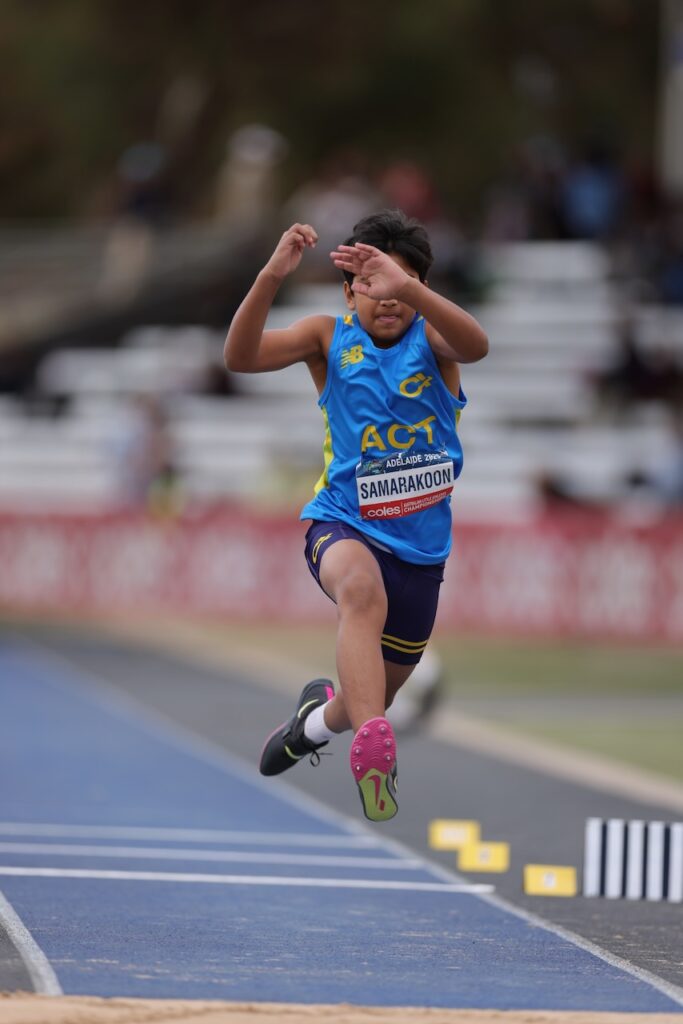
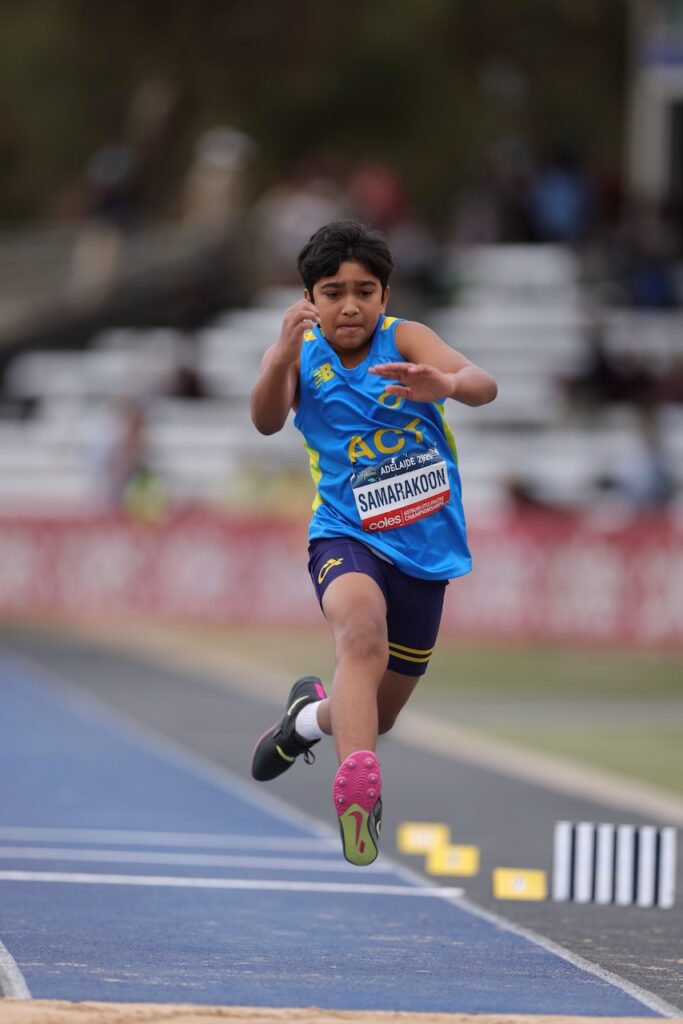
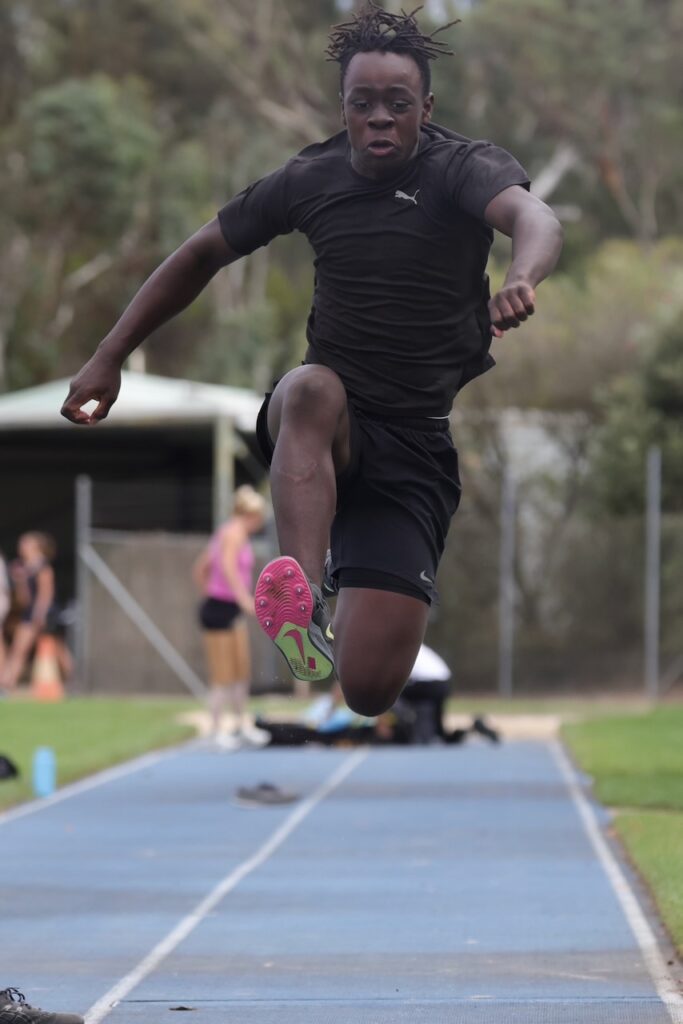
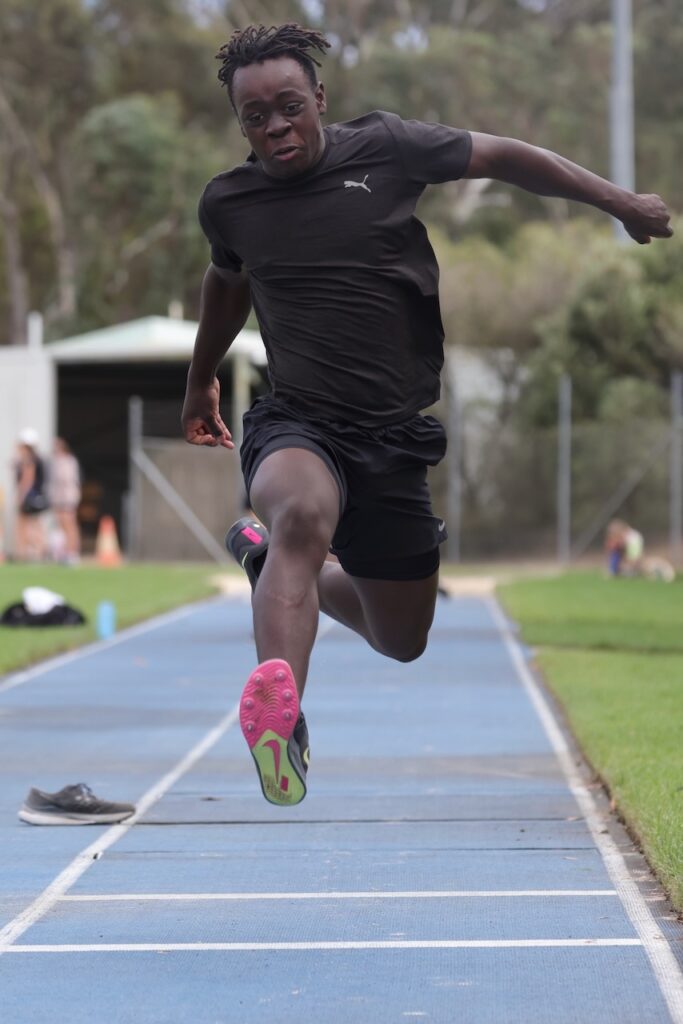
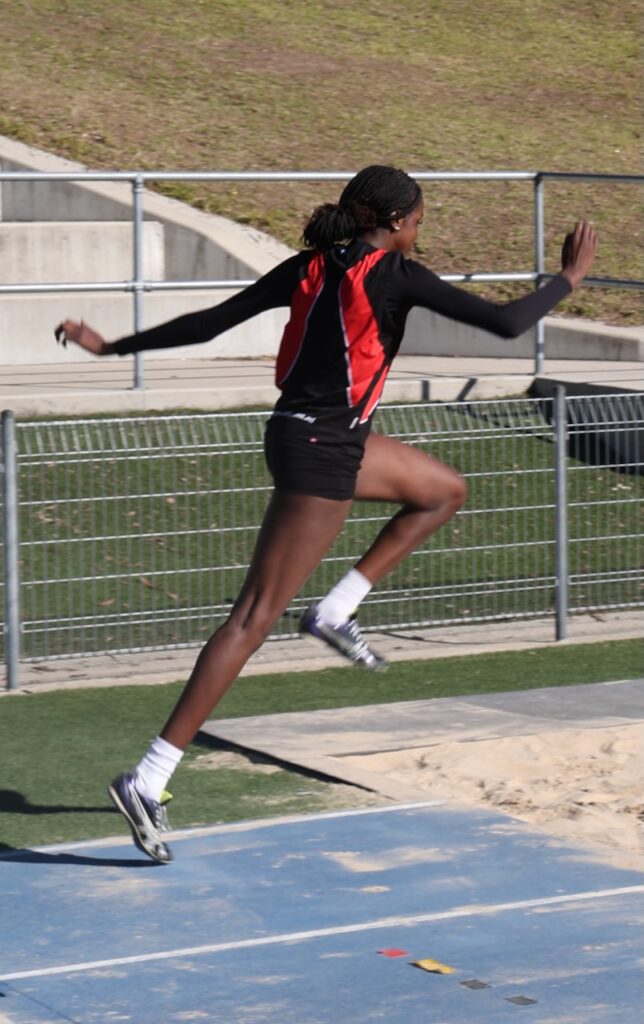
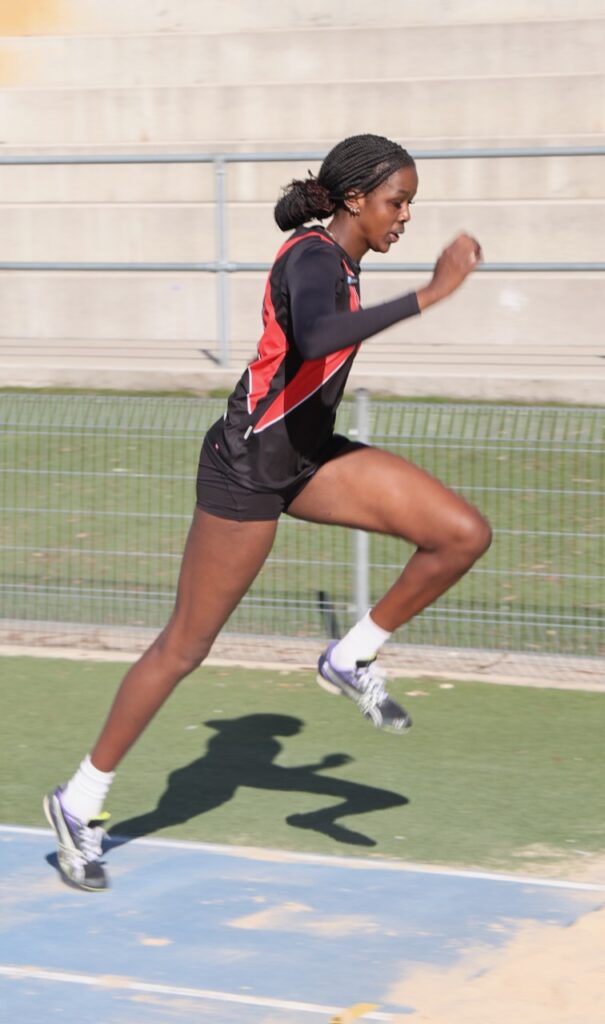
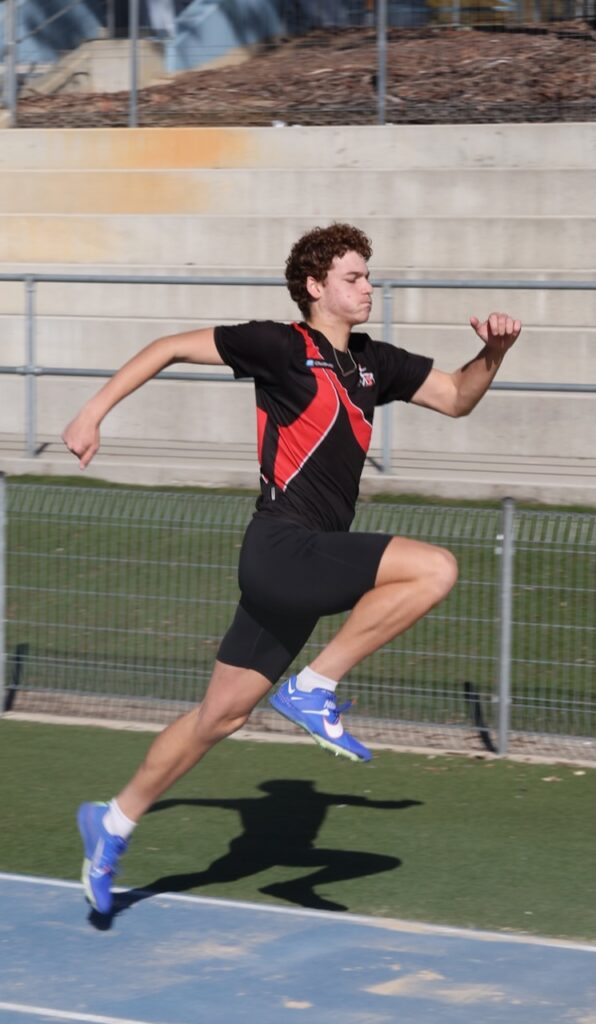
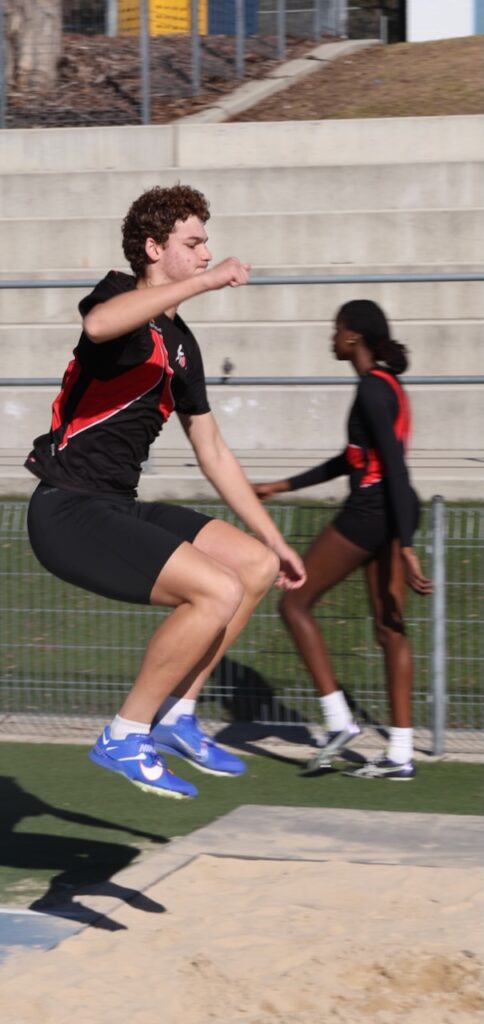
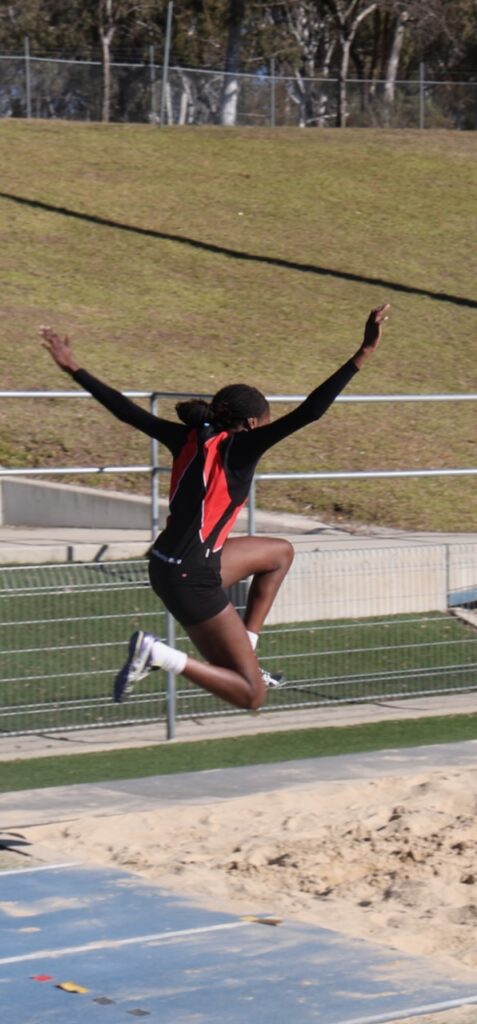
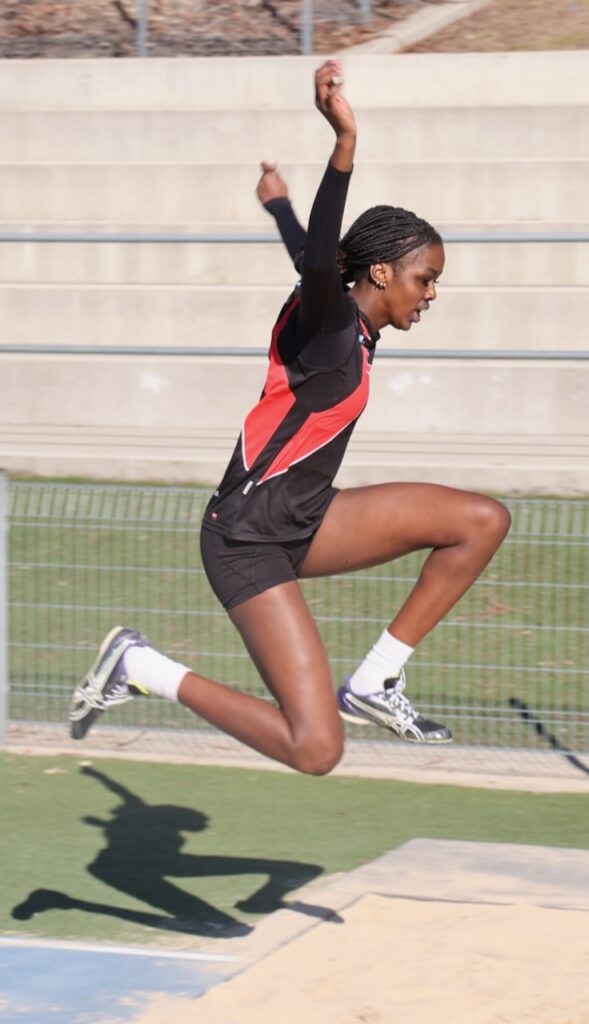
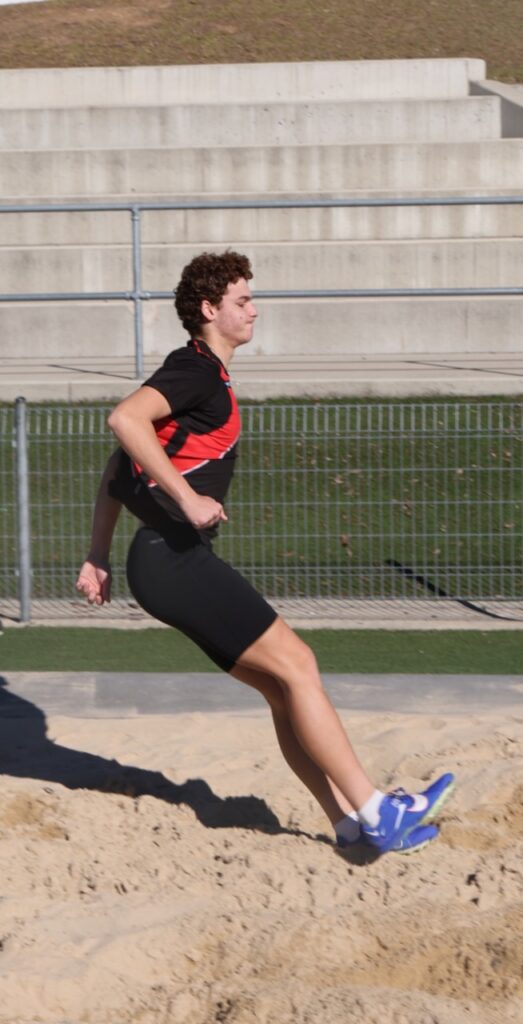
We use video analysis and visualisation to bring the event to life. Whether it’s through slow-motion playback, side-by-side comparisons with elite models, or freeze-frame breakdowns, our athletes learn to see what their bodies are doing and how that lines up with what they’re feeling.

Each session builds the athlete’s internal map:

  • Where the hop lifts from and lands.
  • How the step keeps rhythm without collapse.
  • When the jump opens up and reaches.

We pause and rewind, frame by frame, looking at body angles, posture, shin position, arm timing, and torso control. Athletes begin to pick up subtle posture cues — a low knee here, a collapsed chest there — and use that feedback to make meaningful adjustments in real time.

Then, we pair the footage with targeted cues:

  • “Hold the hop,”
  • “Bounce out of the step,”
  • “Reach and stay tall into the jump.”

The result? More connected, confident, and coachable jumps.
Athletes don’t just hear the cues — they see what they mean. And when it clicks, it’s not just a technical improvement, it’s a moment of ownership.

At FAST, we believe that when you can visualise it, you can jump it.


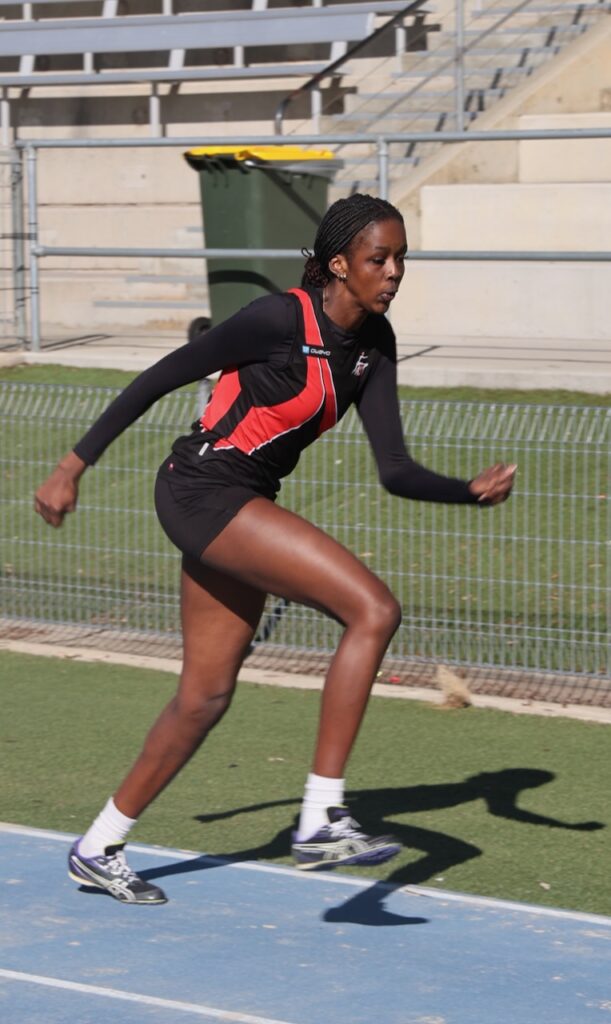
APPROACH RUN (THE SETUP)

Goal: Build controlled speed and rhythm into the take-off.
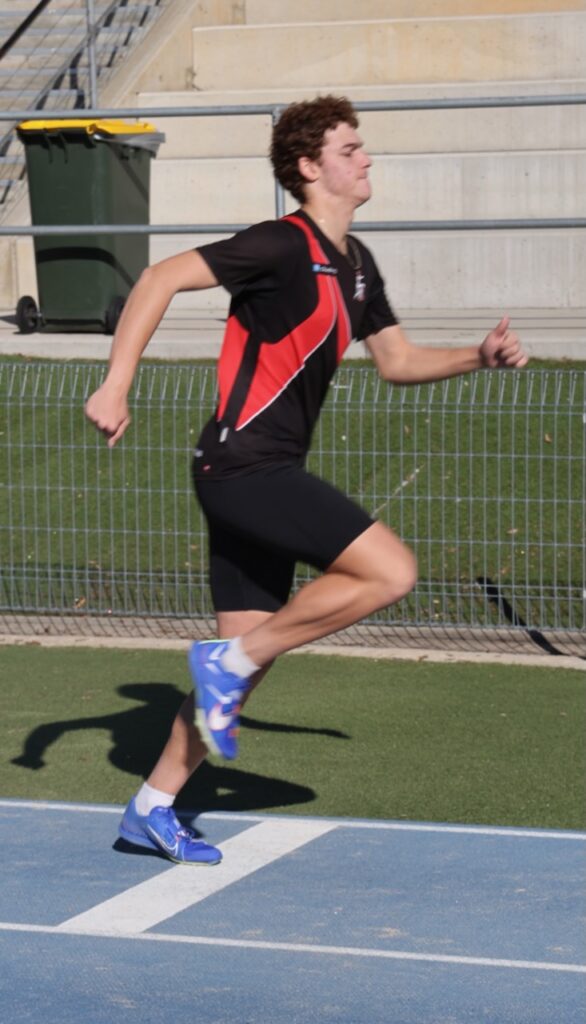
  • Posture: Tall, relaxed, upright sprinting mechanics.
  • Cadence: Slightly increasing stride frequency in the last few strides.
  • Penultimate step: Slightly longer to lower the center of mass.
  • Last step (take-off step): Flat foot contact directly under the body to set up a powerful hop.

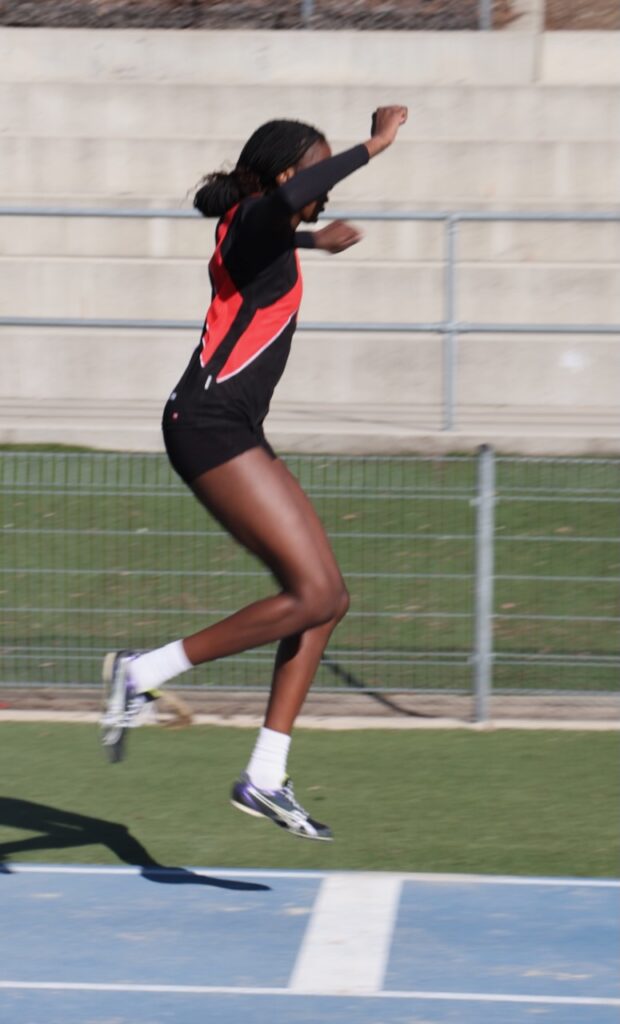
PHASE 1: HOP (SAME LEG AS TAKEOFF)

Action: Take off from one foot, land on the same foot.

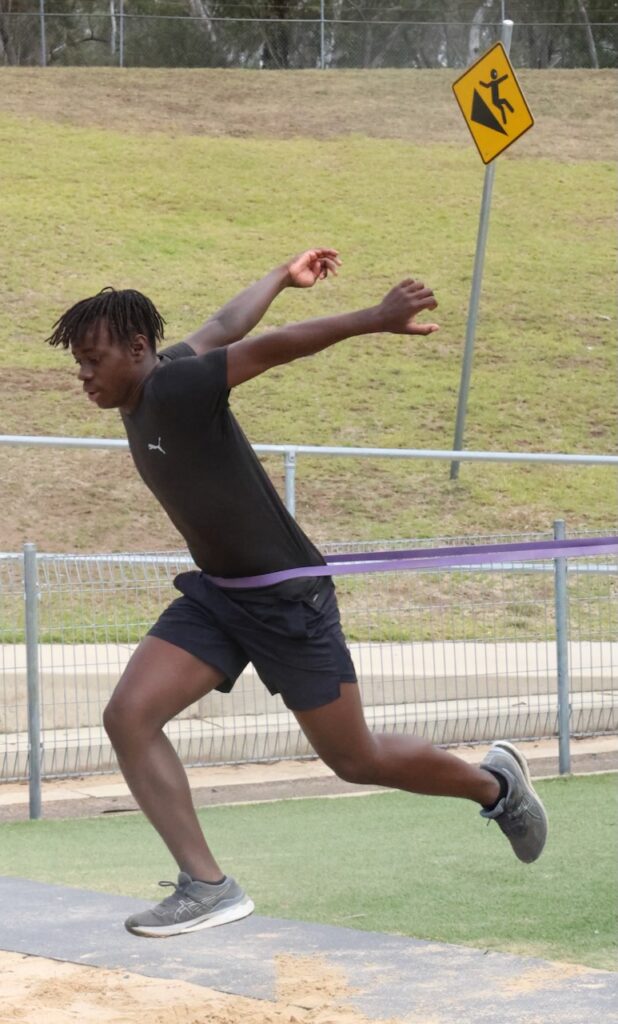
  • Flight: The takeoff leg stays under the hips; avoid excessive backward flick.
  • Free leg (swing leg): Drives forward and stays in front to maintain forward momentum.
  • Arms: Double-arm or single-arm action — timed with the swing leg for balance and lift.
  • Landing: Flat to slightly heel-first to promote a quick transition; leg should be extended but not locked.
  • Body position: Slight forward lean, eyes up, hips high. Avoid collapsing.

✅ Key to success: Minimise braking and maintain horizontal velocity.

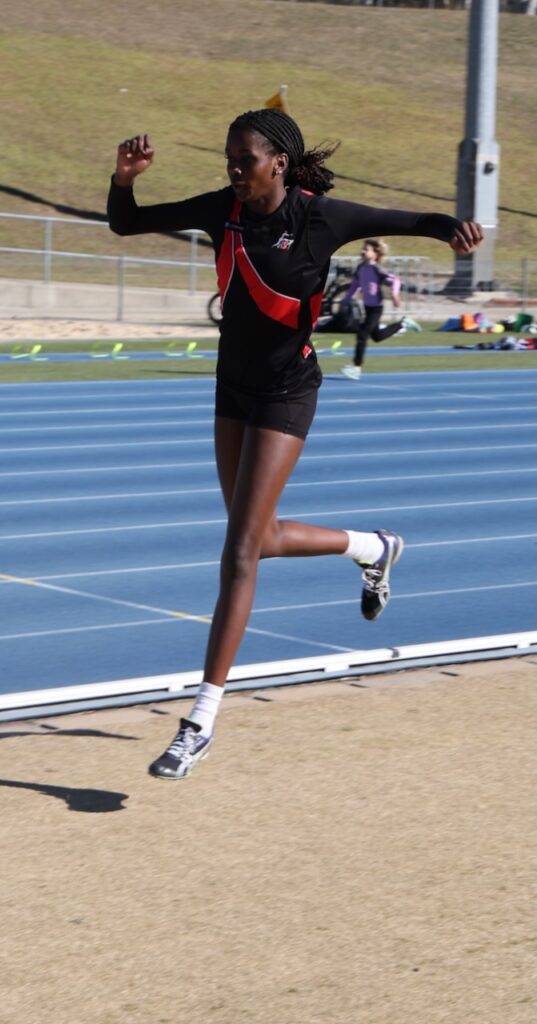
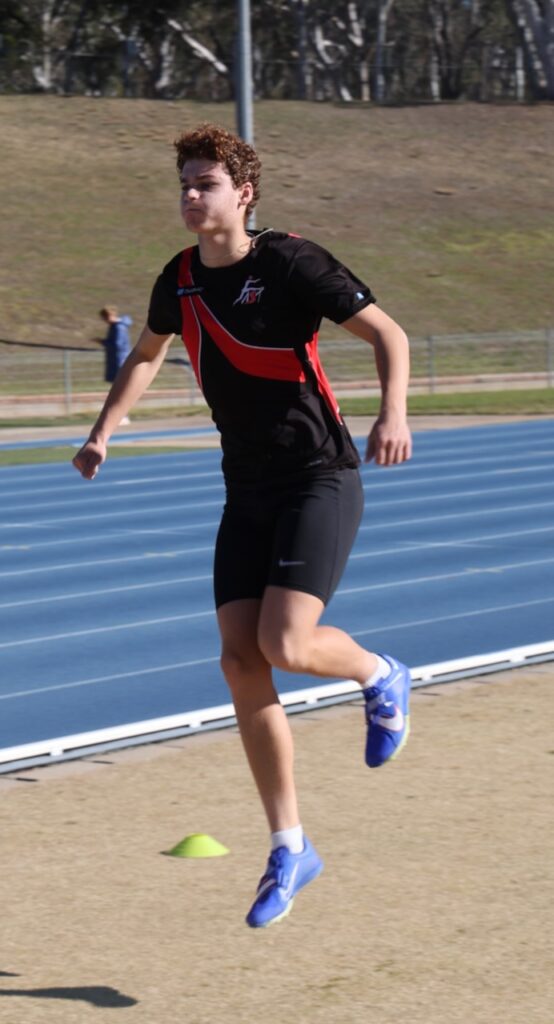
PHASE 2: STEP (OPPOSITE LEG)

Action: Land on the opposite leg from the hop, then push off into the jump phase.

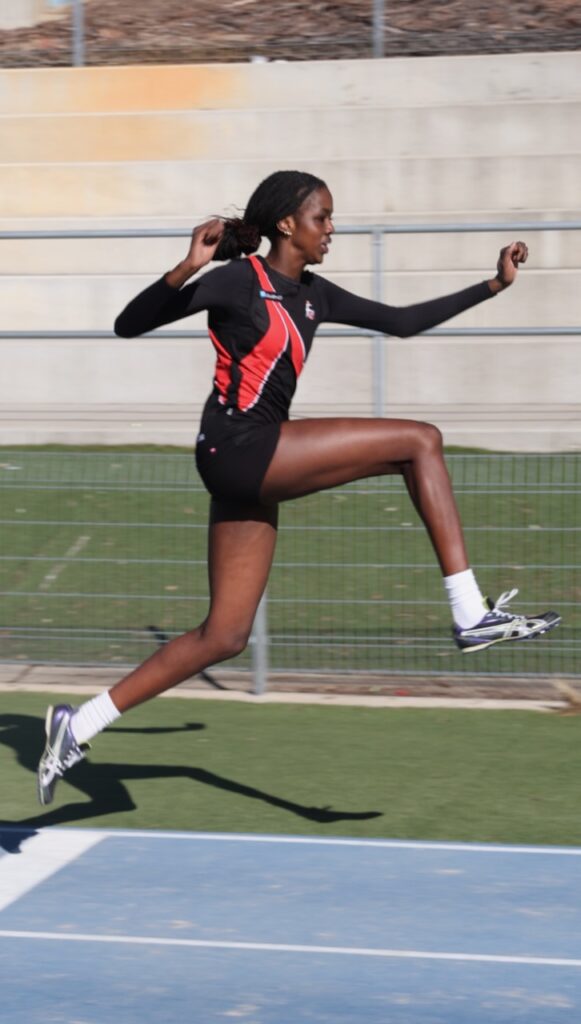
  • Landing leg: Stiff but reactive — this is where athletes often lose the most momentum.
  • Hips: Stay tall and aligned; avoid sitting or twisting.
  • Torso: Controlled, not overly rotated or leaning back.
  • Arm action: Active and coordinated to help balance and lift.
  • Push-off: Springy, not sinking — like bouncing from one leg to the next with speed.

✅ Key to success: Keep the step long without collapsing — this phase should be nearly as long as the hop.

PHASE 3: JUMP (INTO SAND PIT)

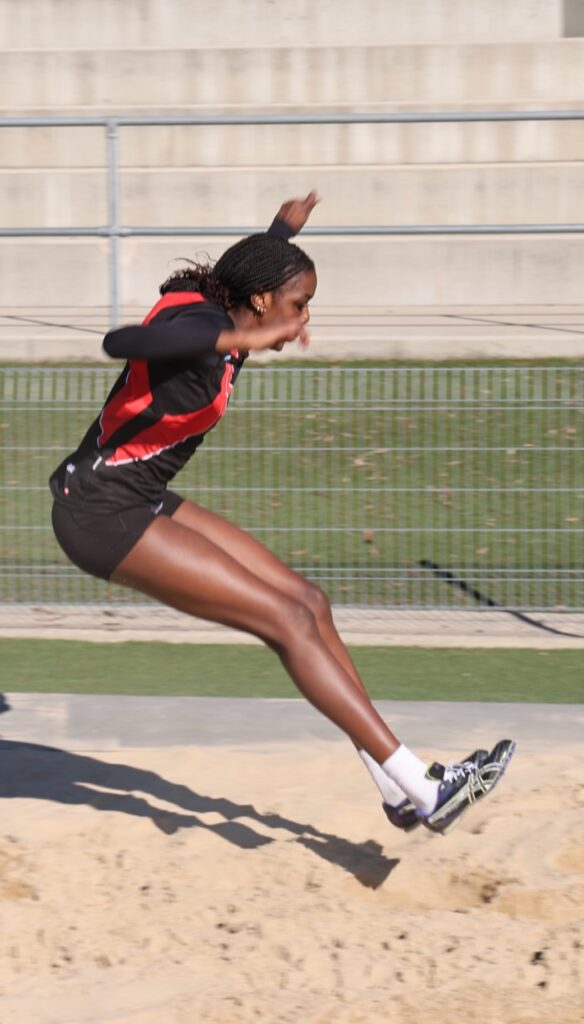
Action: Jump off the step leg into the pit, like a long jump.

  • Takeoff: Lift using the full foot or ball of foot, not just the toes.
  • Legs: Swing the free leg and extend both legs forward mid-air for maximum distance.
  • Arms: Pull up and forward — typically a hang or hitch-kick technique depending on style.
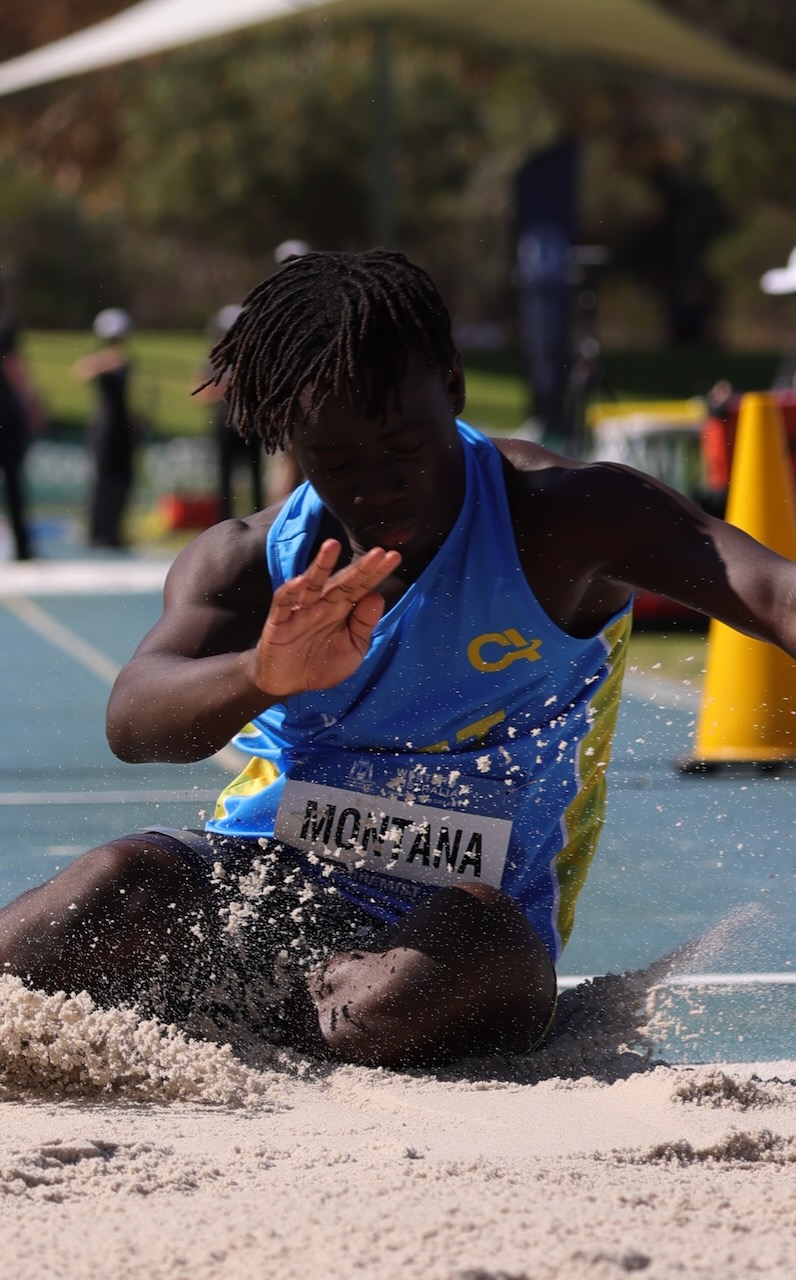
  • Landing: Legs extended forward, arms forward or overhead, chin down, feet together.
  • Finish: Slide hips forward on landing to avoid backward fall.

✅ Key to success: Stay tall off the board, time the swing and arms, and reach forward without collapsing.


RHYTHM & DISTRIBUTION

Ideal distance ratios (approximate)

  • Hop: 35–37%
  • Step: 29–32%
  • Jump: 31–35%

Athletes should aim to maintain momentum and rhythm across all phases, rather than maximising just one.

Triple Jump Phase Distance Distribution (Approximate)

Total DistanceHop (35–37%)Step (29–32%)Jump (31–35%)
11.00 m3.85 – 4.07 m3.19 – 3.52 m3.41 – 3.85 m
12.00 m4.20 – 4.44 m3.48 – 3.84 m3.72 – 4.20 m
13.00 m4.55 – 4.81 m3.77 – 4.16 m4.03 – 4.55 m

For developing athletes:

  • 40% hop / 30% step / 30% jump ratio is common early on.
  • Ideal ratios (above) usually develop with training and rhythm control.

COMMON FAULTS TO AVOID

  • Uneven rhythm: e.g., too short a step or too long a hop. Most critical is not overextending the hop — it tends to cause the step phase to collapse.
  • Overreaching or collapsing in the step phase.
  • Throwing the head back during takeoff or landing.
  • Losing posture (chest or hips dropping).

CATEGORIES

News|Performance

Comments are closed