
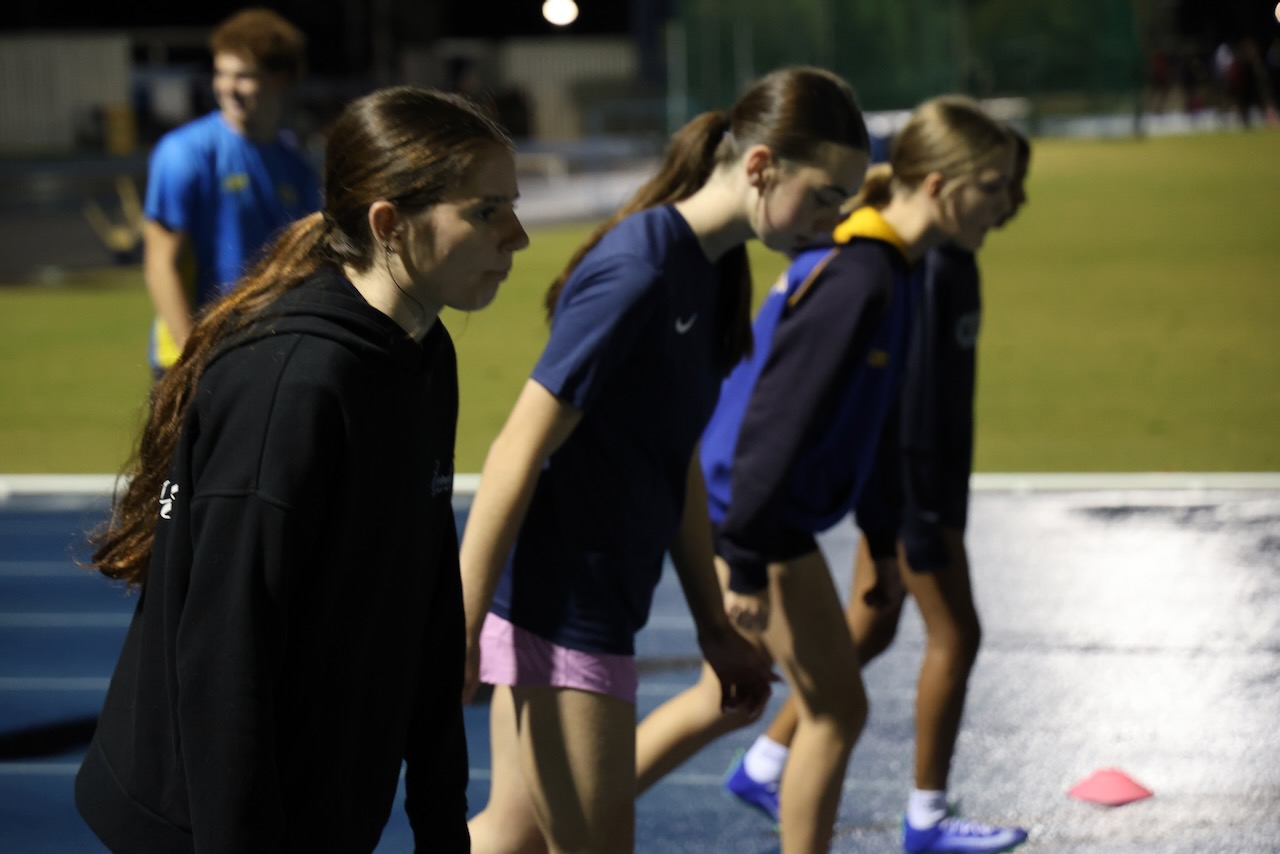
Winter is rarely the part of the athletics season people remember most.
There are no national finals.
No medals.
No major championships.
No finish-line photos.
And yet, some of the biggest performance gains of the year are often built during winter.
At FAST Running, winter is viewed as one of the most important parts of the entire training year.
Because winter is where athletes quietly build the foundations for the performances people eventually see in summer.
The Invisible Season
One of the challenges of winter training is that progress is often difficult to see immediately.
Athletes are rebuilding.
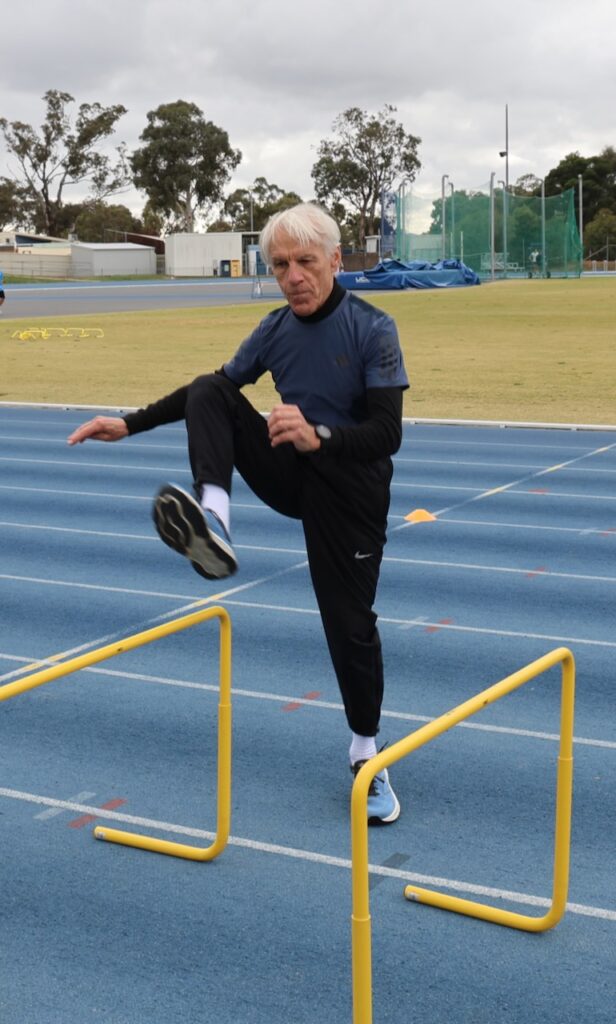
Refining mechanics.
Improving movement quality.
Developing strength.
Building rhythm.
Learning better posture and acceleration patterns.
Sometimes sessions feel repetitive.
Sometimes the weather is cold.
Sometimes motivation drops.
That is normal.
But high-performing athletes learn something important:
Consistency matters more than motivation.
Small Improvements Compound
At FAST Running, the goal of winter is not to chase artificial fitness or survive exhausting sessions.
The goal is consistent long-term development.
Small improvements repeated over many weeks eventually become major changes.
Better posture.
Cleaner acceleration mechanics.
Improved stiffness.
More efficient rhythm.
Stronger force transfer.
Better sprint shapes under pressure.
None of these qualities appear overnight.
They are built through repeated exposure to quality training over time.
That is why consistent attendance during winter matters so much.
The Athletes Who Improve Most
Every season, the athletes who improve the most by summer are usually not the athletes searching for shortcuts.
They are the athletes who:
- continue showing up
- trust the process
- stay patient
- train consistently
- build good habits
- keep moving forward when progress feels slow
Winter rewards patience.
It rewards discipline.
It rewards athletes who can continue working even when competition feels far away.
The FAST Approach to Winter
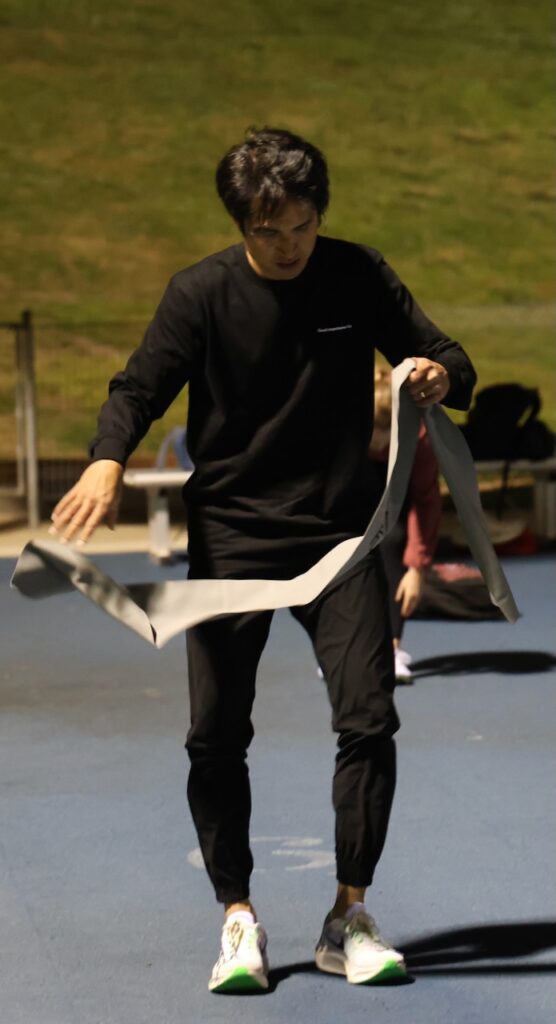
At FAST Running, winter is not treated as a punishment phase.
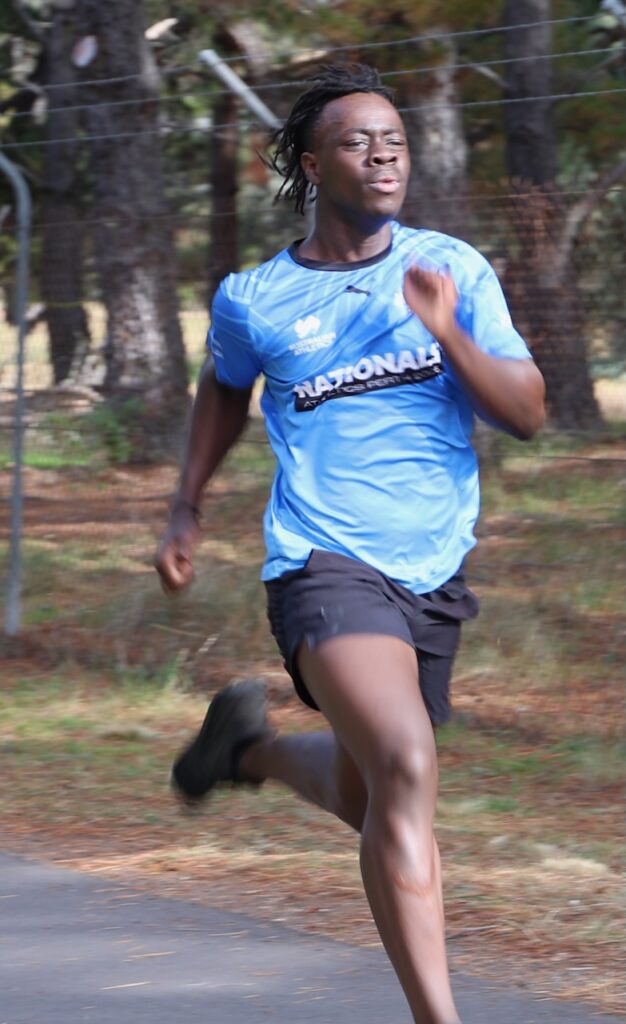
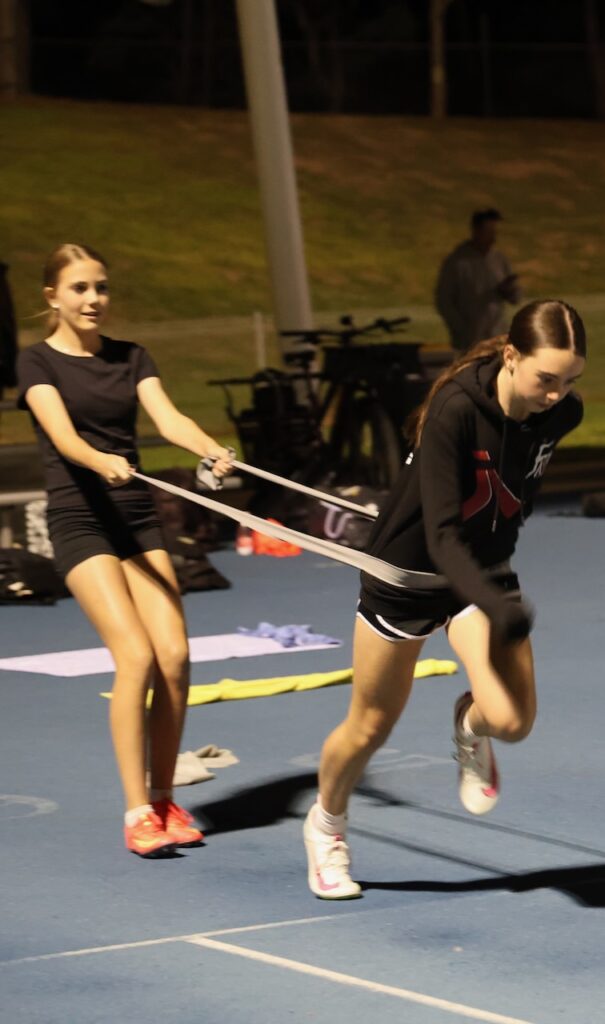
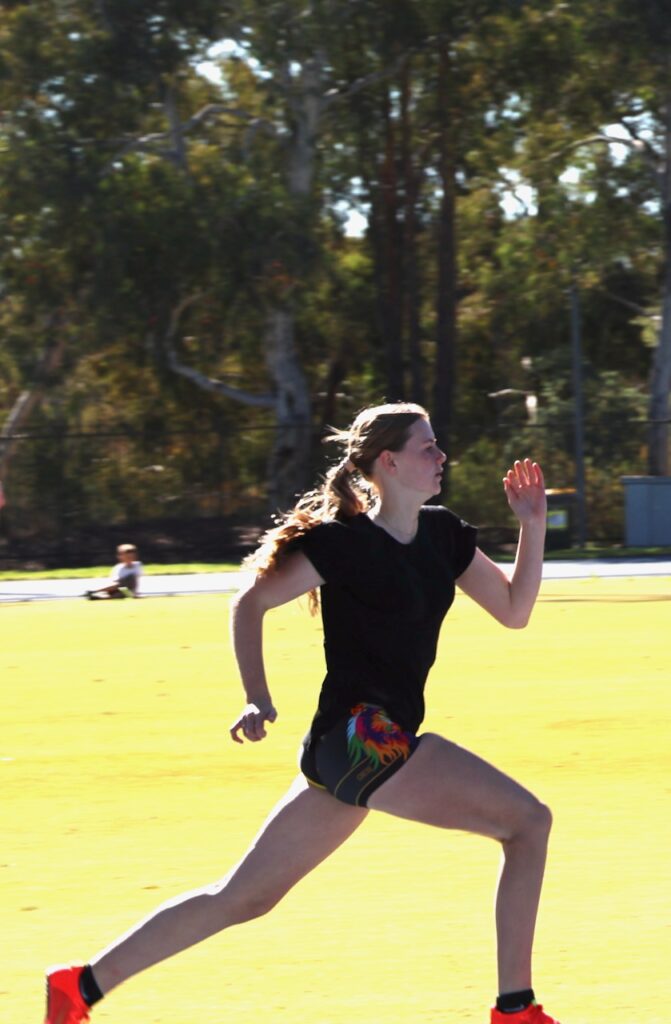
Athletes still sprint.
They still work on speed.
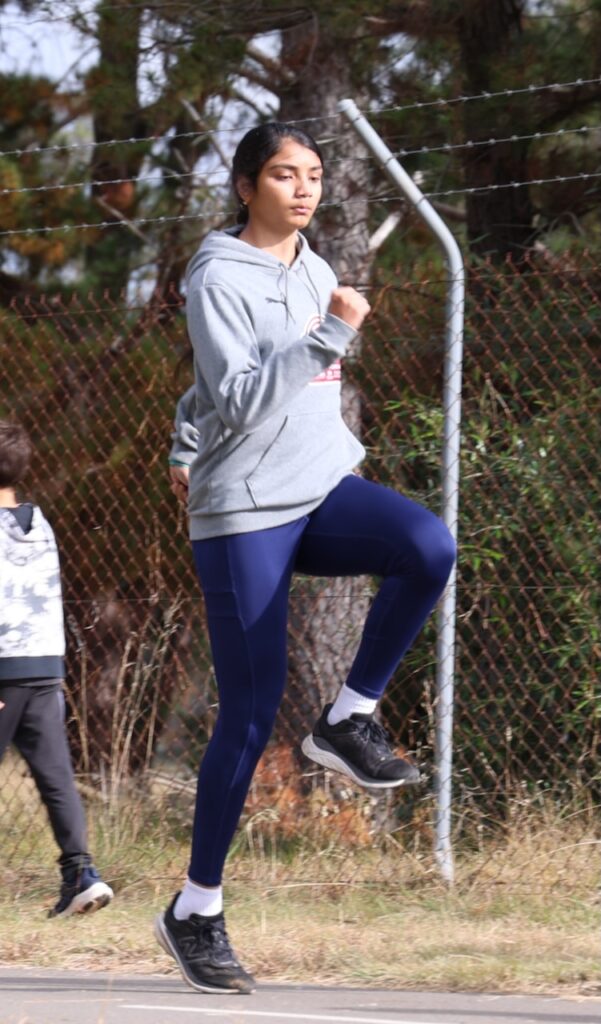
They still develop rhythm, projection, stiffness, posture, and sprint mechanics.
The environment remains positive, connected, and performance-focused.
The difference is that winter allows more space for development.
More space to rebuild mechanics.
More space to strengthen weaknesses.
More space to improve movement quality without the pressure of weekly racing.
That work becomes incredibly valuable later in the season.
Community Matters During Winter
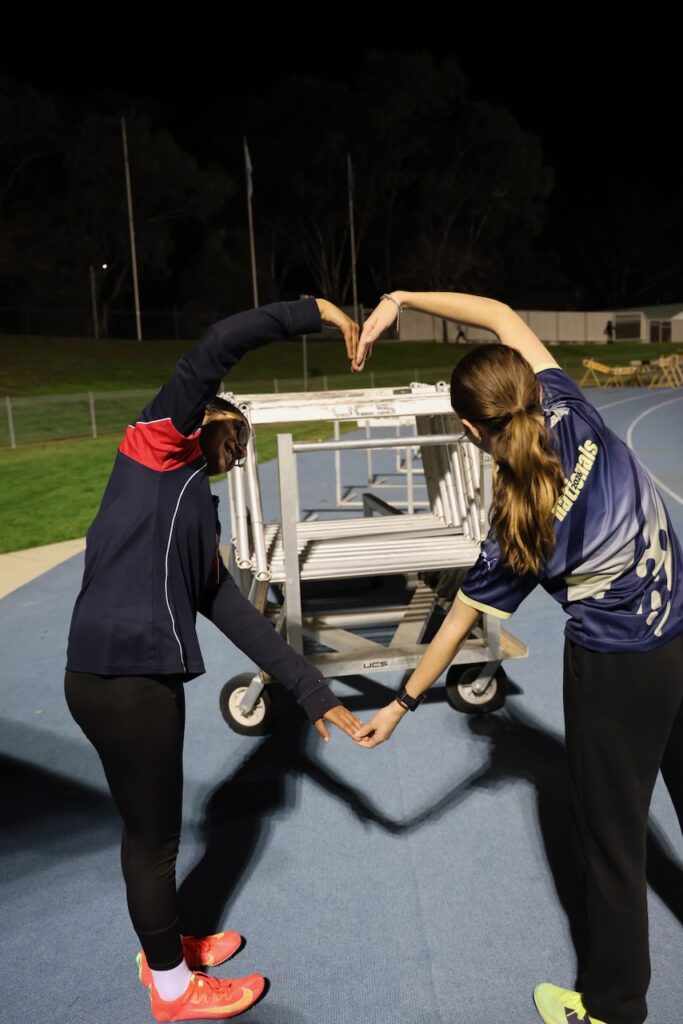
Winter is also where squad culture becomes especially important.
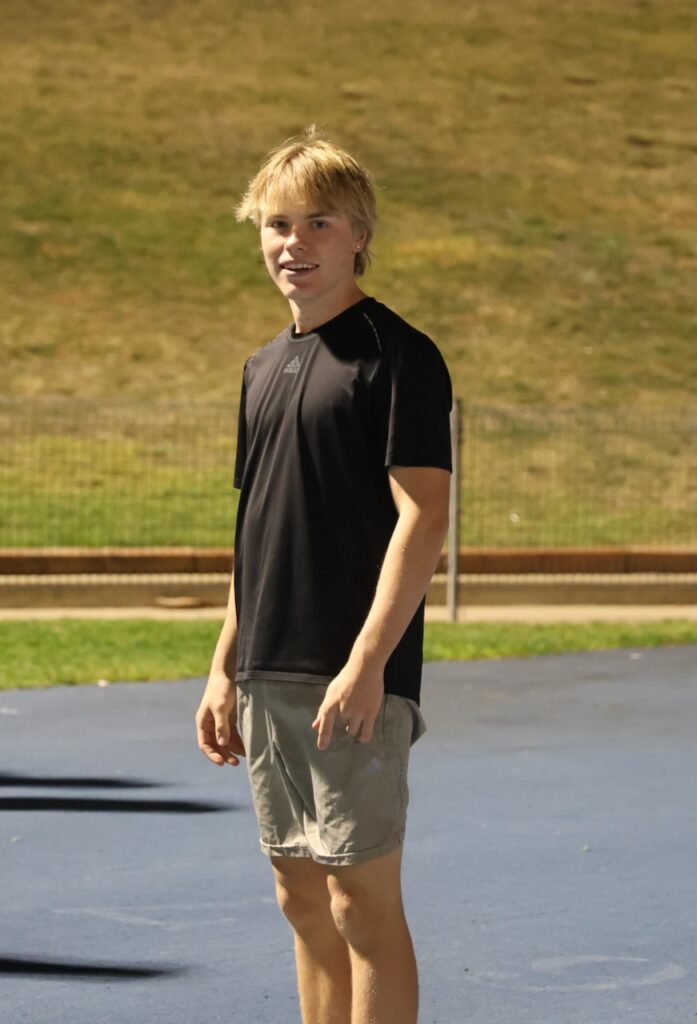
Cold nights.
Dark evenings.
Longer training blocks.
Less external excitement.
These are the periods where community helps athletes stay connected and consistent.
At FAST Running, athletes train alongside:
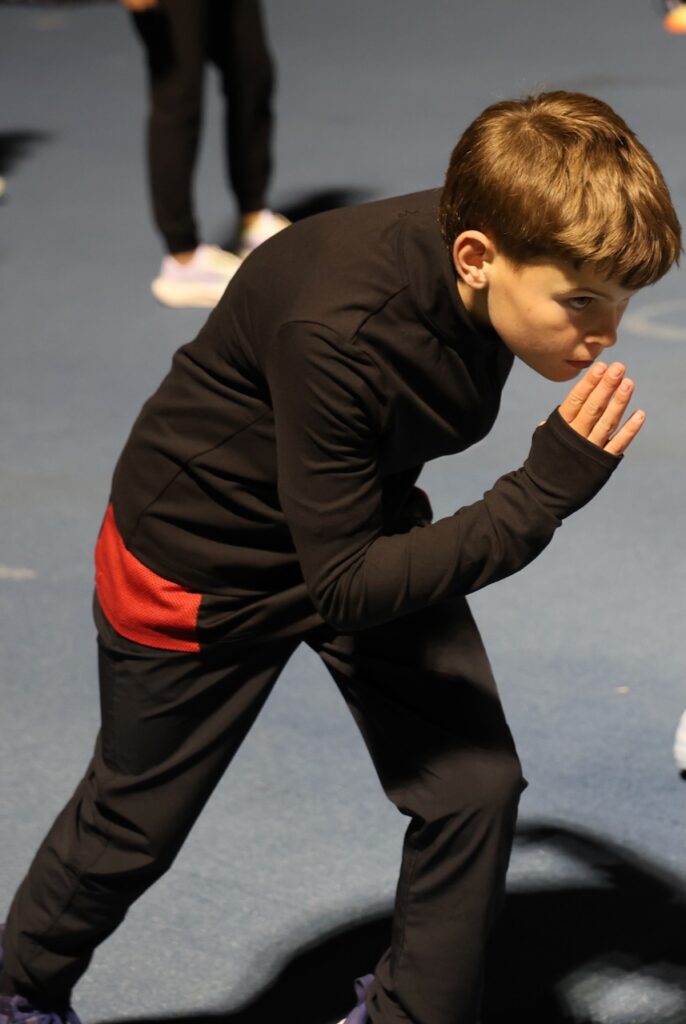
- younger athletes
- older athletes
- national finalists
- beginners
- masters athletes
- team sport athletes
- para-athletes
Everyone continues building together.
That environment helps create accountability, energy, and momentum across the squad.
Running Excellence Is Built Quietly
One of the most important lessons athletes eventually learn is that major performances are usually built long before competition day arrives.
They are built during ordinary training weeks.
During winter sessions.
During consistent attendance.
During technical work that nobody applauds at the time.
The loud moments in sport are usually supported by many quiet ones underneath.
Athlete First
Importantly, consistency does not mean blindly training through injury, exhaustion, or burnout.
At FAST Running, Athlete First always remains the priority.
Smart consistency matters.
Long-term development matters.
The goal is not simply to train more.
The goal is to train consistently and sustainably over time.
Winter Builds Summer
At FAST Running, winter is not viewed as “waiting for the season.”
It is part of the season.
It is where athletes:
- build habits
- improve movement
- strengthen weaknesses
- develop resilience
- create momentum for summer
Because when championship season eventually arrives, the athletes who prepared consistently through winter are usually the athletes best positioned to perform.
Winter may not always be visible.
But it matters.
And in sprinting, consistency almost always wins.




Comments are closed