
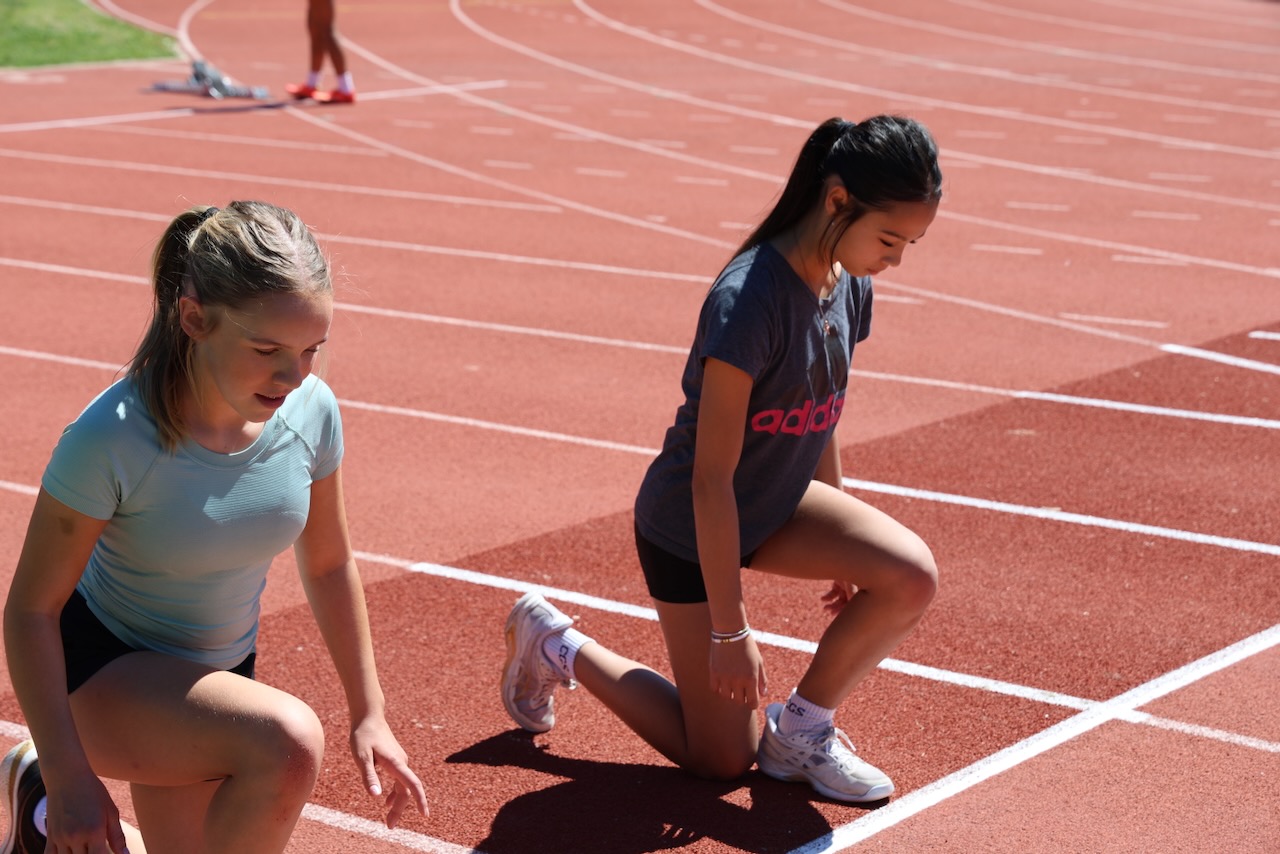
Every sport needs speed. The way that speed is developed — and applied — should reflect the athlete and the game they play.
Watch a FAST for Sport session and, at first glance, much of what happens might look familiar to anyone who has watched our sprinters train.
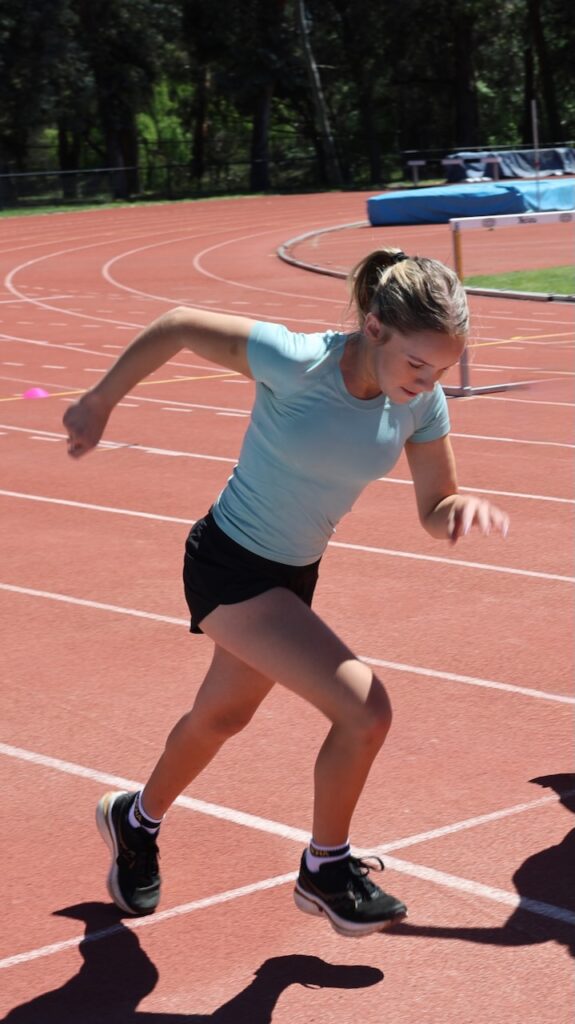
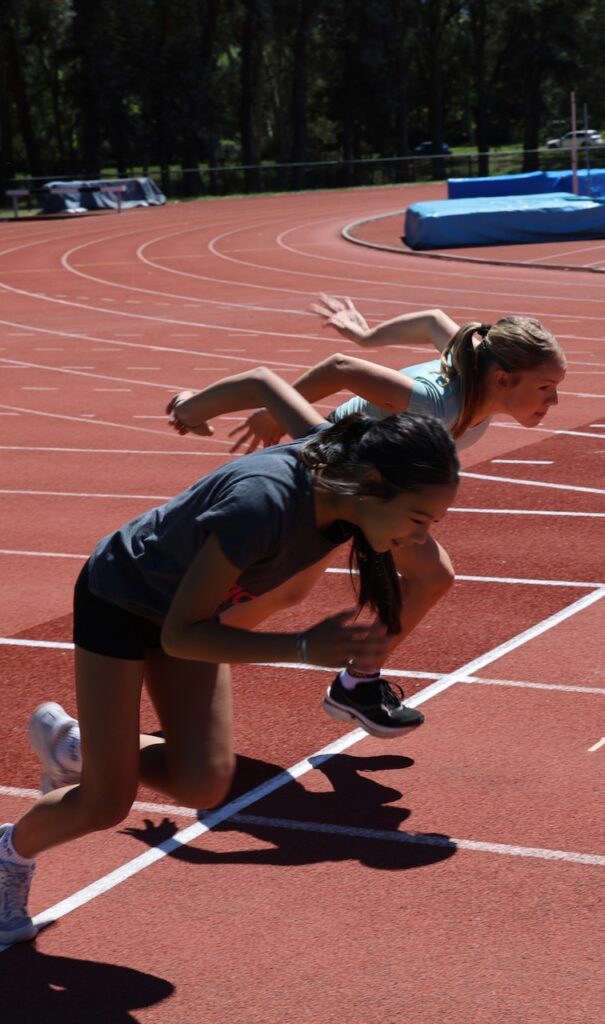
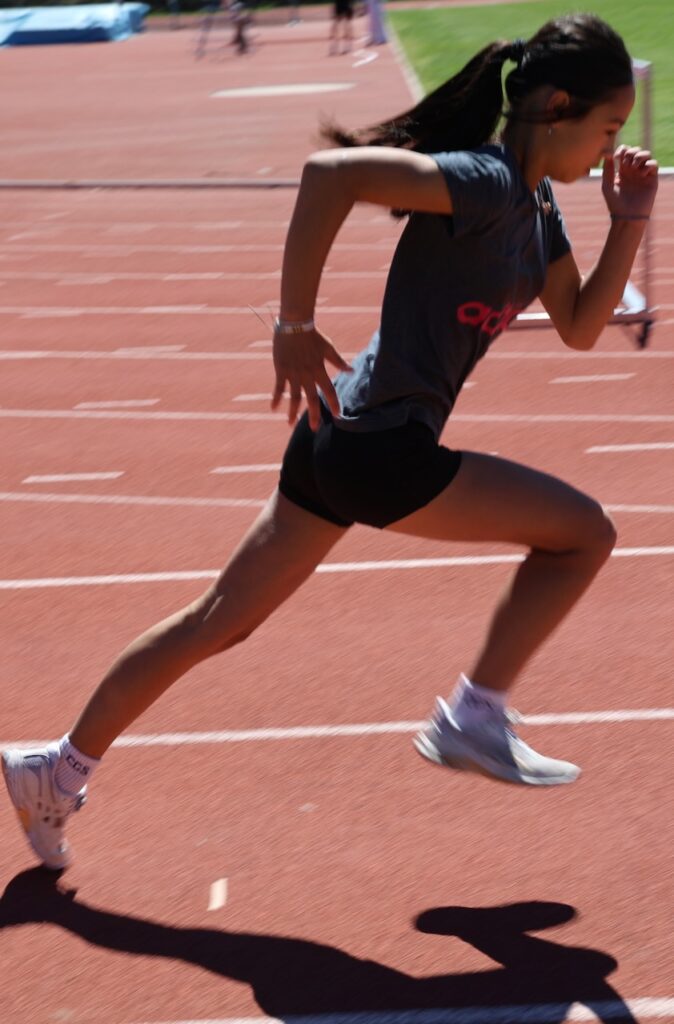
Athletes accelerate. They learn how to move efficiently. They run fast. Coaches pay attention to posture, rhythm, force application and the technical qualities that allow an athlete to produce speed.
That similarity is deliberate.
The principles that allow a sprinter to run fast don’t suddenly stop applying because an athlete wears football boots, carries a hockey stick or spends Saturday afternoon chasing an opponent rather than a finish line.
But FAST for Sport isn’t a sprint program with a different name.
The important part is what happens next.
First, develop speed
We believe there is value in teaching athletes how to run fast before continually asking them to express that speed within the chaos of sport.
Young sporting athletes are frequently asked to accelerate, chase, close space, separate from opponents and repeat high-speed efforts. Yet many have had surprisingly little dedicated coaching in how to accelerate and sprint.
That is where FAST’s background in sprint performance becomes valuable.
Our FAST Foundation gives athletes exposure to the movement and speed qualities that underpin faster running. From there, the coaching becomes increasingly relevant to the athlete standing in front of us.
We don’t need a footballer to become a track sprinter.
We want the footballer to become a faster footballer.
That distinction sits at the heart of FAST for Sport.
From running fast to using speed
Sport doesn’t happen in a straight line with eight empty lanes beside you.
An athlete may need to accelerate over a few metres, react to an opponent, change the shape of a run, reach a contest, recover and do it again. Different sports — and even different positions within the same sport — place different demands on the athlete.
That means developing speed is only part of the job.
Across the training week, FAST for Sport progressively connects the fundamental qualities of fast running with the demands athletes experience in their sport.
Exactly how we do that varies.
The requirements of an emerging AFL player aren’t identical to those of a hockey player. A field athlete preparing for repeated high-intensity efforts may require something different from an athlete whose immediate objective is improving a 2km time trial for a development program.
The objective determines the training rather than the other way around.
A program, not a generic session
This is also why FAST for Sport isn’t built around finding a collection of impressive-looking speed and agility drills and giving them to everybody.
There is a structure behind what athletes do.
Within that structure, athletes share important elements of our FAST approach to running and speed development before their training becomes more specific to their sport, team or individual requirements.
Sometimes the differences between two athletes will be obvious. At other times, two athletes may appear to be completing the same activity while their coaches are looking for very different things.
Training can also be adjusted through individual overlays when an athlete’s competition schedule, development, position, physical preparation or other needs warrant it.
The result is a group environment without assuming that everybody in the group requires an identical program.
That matters to us.
Parents and athletes should be able to ask why am I doing this? and receive a better answer than because that’s today’s session.
Different environments for different purposes
Our move across Canberra has actually given FAST for Sport another opportunity.
During a normal week our athletes now experience grass, hills and synthetic track environments across our training locations.
We don’t simply reproduce the same session on each surface.
Each environment gives our coaches different opportunities to develop athletes, and the training changes accordingly.
A hill can provide something that a flat synthetic track cannot. Grass gives us space and flexibility for sporting applications. The track provides another environment for developing and measuring high-speed running.
The venue is a tool.
What matters is understanding how and when to use it.
Coaching is the difference
Equipment can be bought. Drills can be copied. A session seen online can be reproduced the following afternoon.
Coaching is harder to replicate.
FAST for Sport is supported by coaches including Matt, Nate, Conor and Steve, working within the broader FAST coaching environment. Their job isn’t simply to organise activities. It is to observe the athlete, understand the purpose of the work and make appropriate decisions as the session unfolds.
Sometimes that means providing a technical cue.
Sometimes it means changing a repetition, recovery or training demand.
Sometimes the best coaching decision is recognising that an athlete doesn’t need to do exactly what the person beside them is doing.
That is why the system matters more than any individual drill.
Speed for your sport
FAST for Sport continues to grow because the question we’re trying to answer is actually quite simple:
How do we help this athlete become faster for what they do?
The answer is rarely as simple as running a few sprints or setting out some cones.
It begins with developing the foundations of fast running. It progresses towards applying those qualities to sport. It considers the demands of the athlete’s team and competition. And where appropriate, it becomes individual.
The details behind that process are something our coaches will continue to develop, test and refine.
Those details belong on the training ground.
What parents and athletes should expect to see is the result: purposeful training, coaches who understand why it is being prescribed, and athletes learning not only to run faster, but to make that speed useful.
FAST for Sport
Elite sprinting principles. Sporting application. Individual development.
Running Excellence. For every sport
Comments are closed