Acceleration is not just about effort.
It’s about direction.
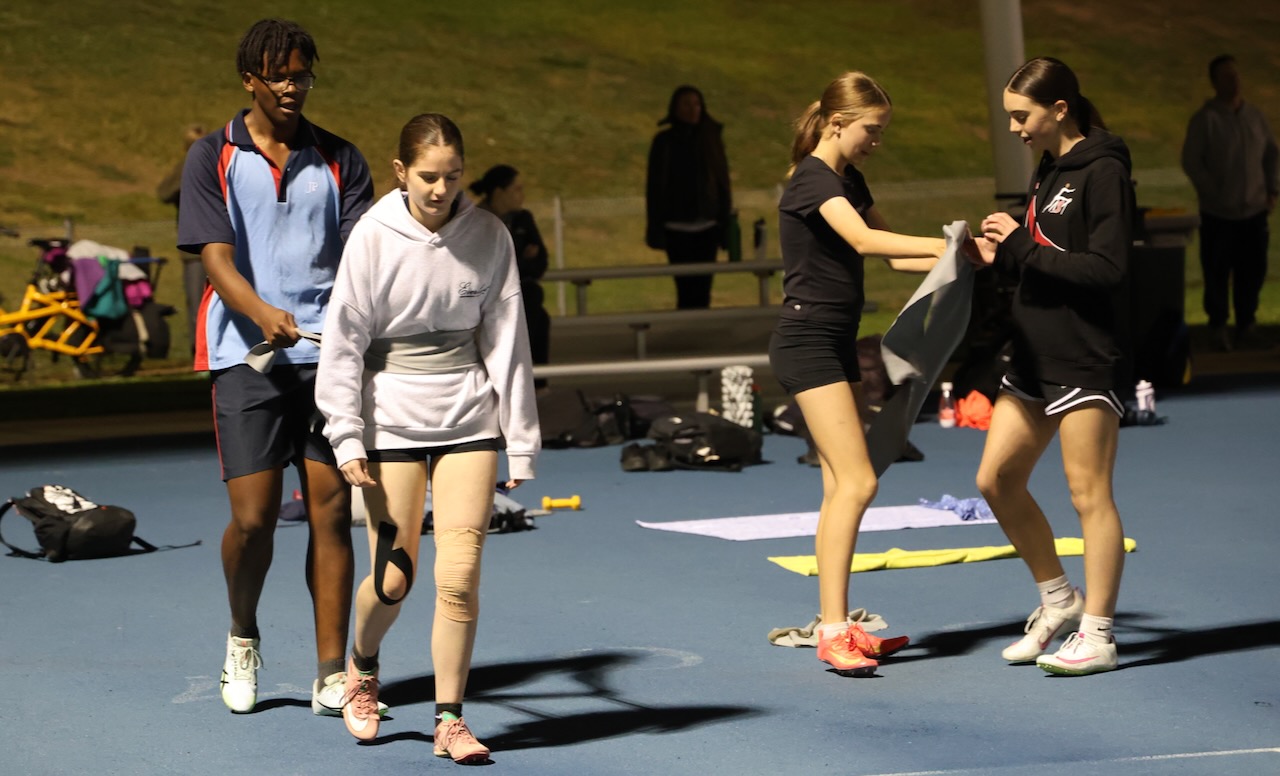
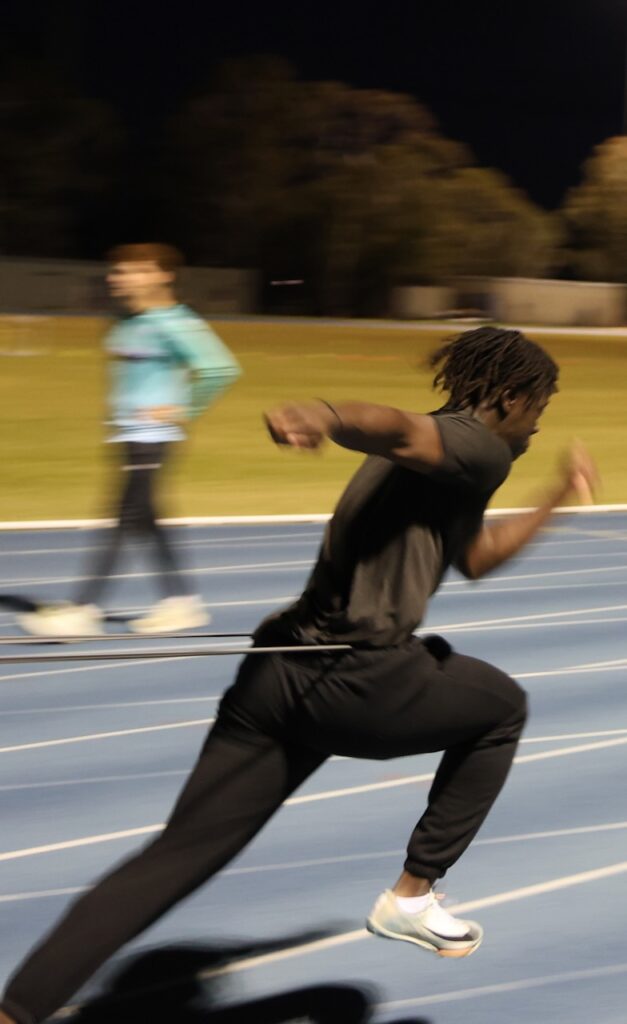
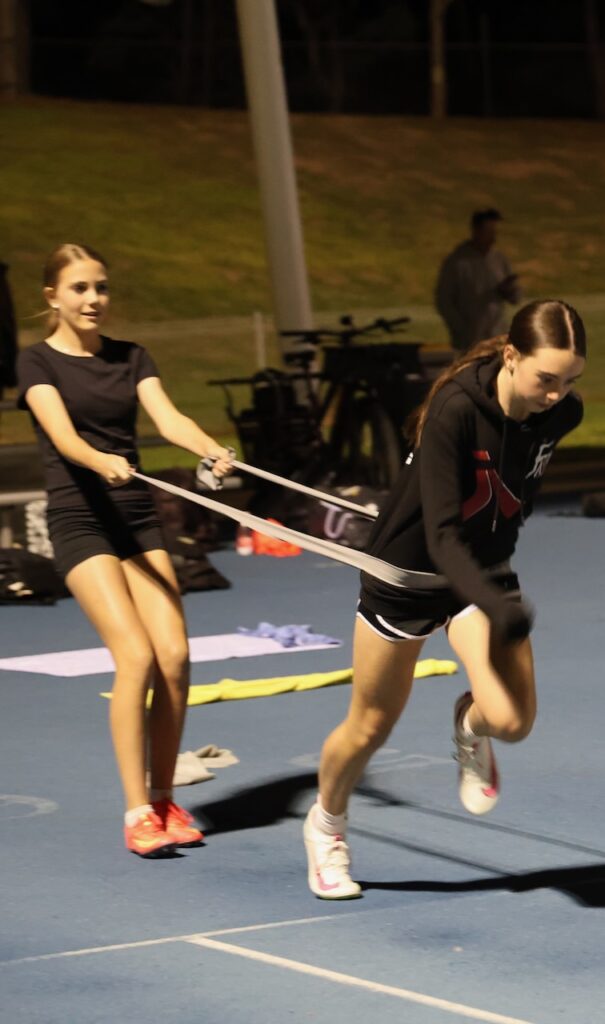
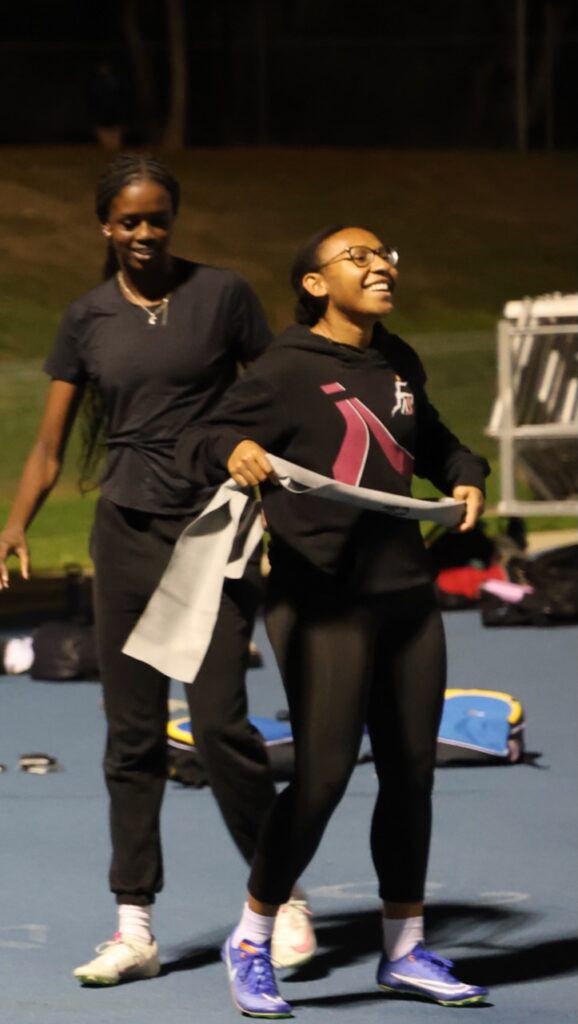
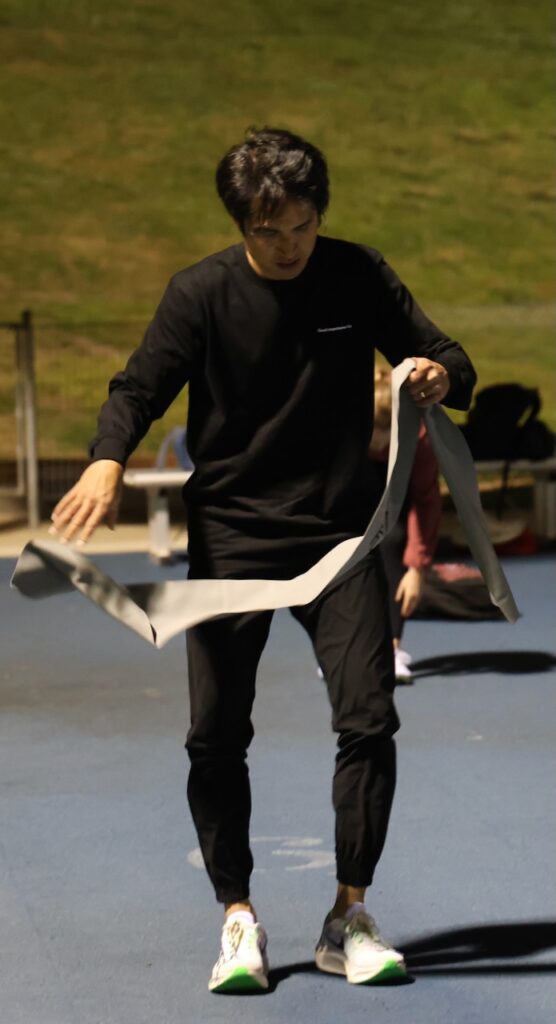
At FAST Running, resisted sprint work using bands continues to play an important role in teaching athletes how to apply force effectively during the early stages of acceleration.
Slowing Athletes Down to Teach Them to Move Better
Resisted sprinting is not used to make sessions harder.
It is used to improve mechanics.
Bands allow athletes to:
- feel projection angles more clearly
- apply force horizontally
- stay patient through the push phase
- improve posture during early acceleration
The resistance creates awareness.
And awareness changes movement.
Teaching Force Application
One of the most common acceleration errors in developing athletes is rushing upright too early.
Bands help athletes:
- push longer
- maintain shin angles
- organise posture
- improve rhythm through the first steps
This creates cleaner movement patterns that later transfer into free sprinting.
Technique Before Intensity
At FAST Running, resisted work is always controlled.
The goal is not to overload athletes.
The goal is to reinforce positions and movement quality while maintaining intent.
Because acceleration is a skill.
And skills improve through precise repetition.
From Drill to Performance
Once athletes return to free accelerations, the changes often become visible:
- stronger projection
- cleaner transitions
- improved force direction
- smoother rhythm
Small technical improvements create meaningful performance gains over time.
At FAST Running, resistance is not used to make athletes tired.
It’s used to help them move better.


Comments are closed