
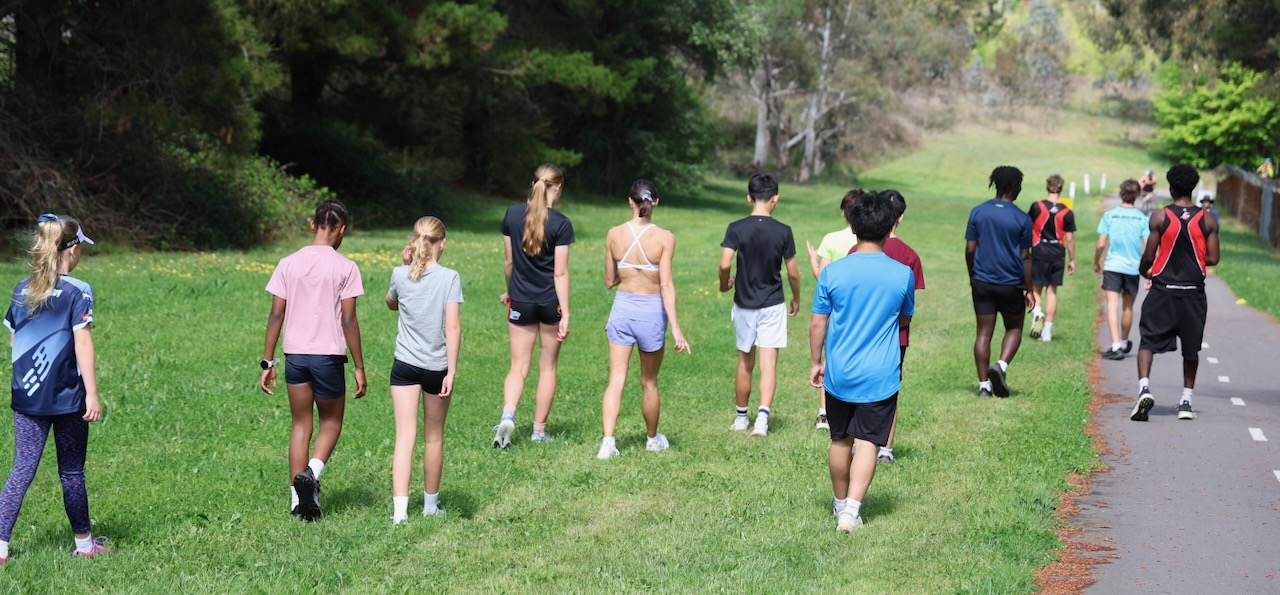
Three grass sessions. One track session. One very familiar hill. A week after leaving the AIS, FAST has found its new rhythm.
A week ago, FAST Running began something we hadn’t exactly planned for.
With the AIS Athletics Track closed to us, a training week that had developed around one primary venue suddenly had to be rebuilt across Canberra.
Seven days later, something interesting has happened.
It already feels remarkably normal.
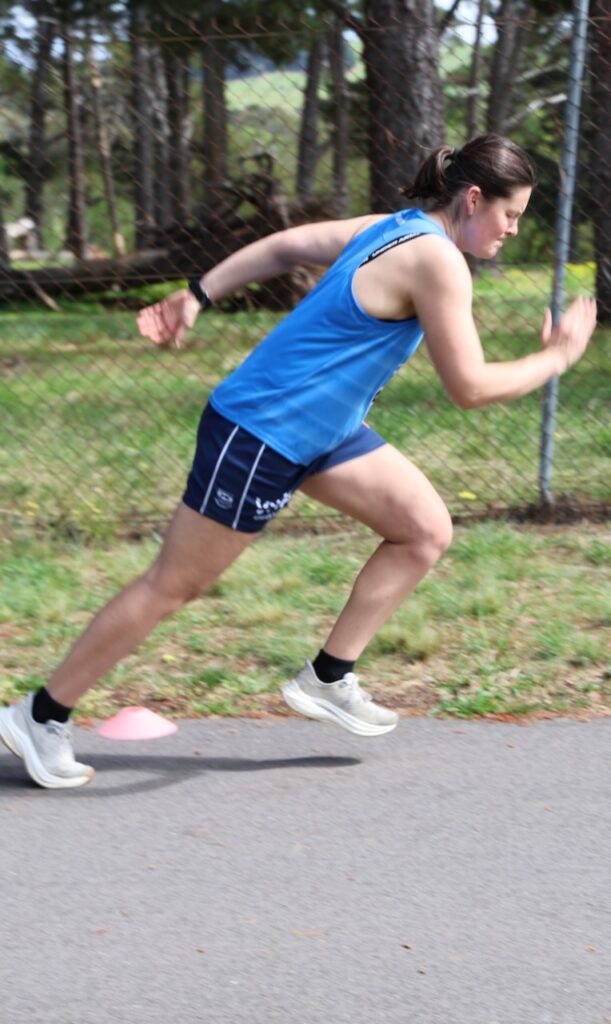
The locations have changed. The surfaces have changed. Equipment now travels with us. Coaches have become very good at turning patches of Canberra grass into sprint training environments.
But the athletes are training.
And a new FAST weekly rhythm is taking shape.
Three days on the grass
Cook and Aranda have quickly become important parts of our new training environment.
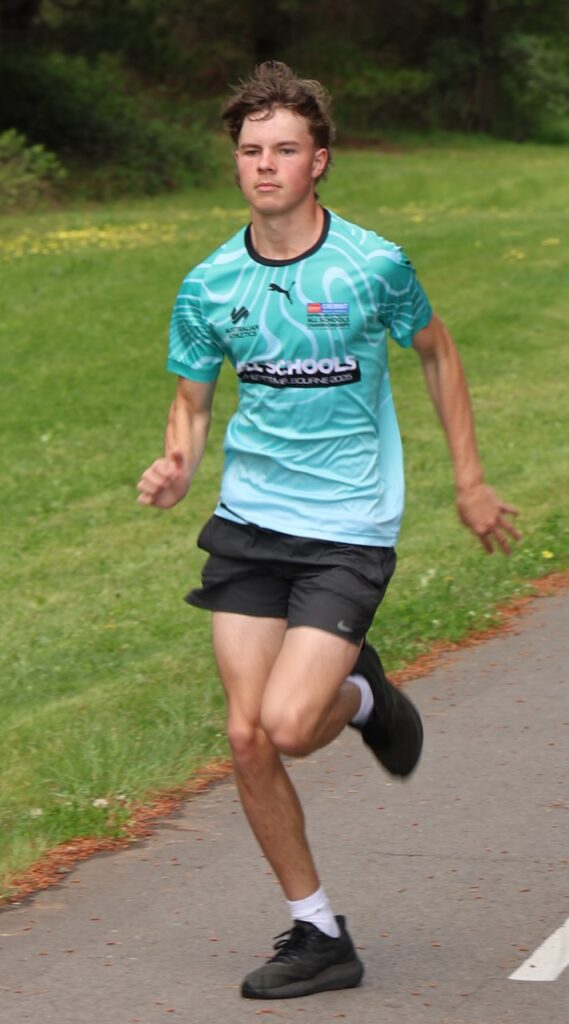
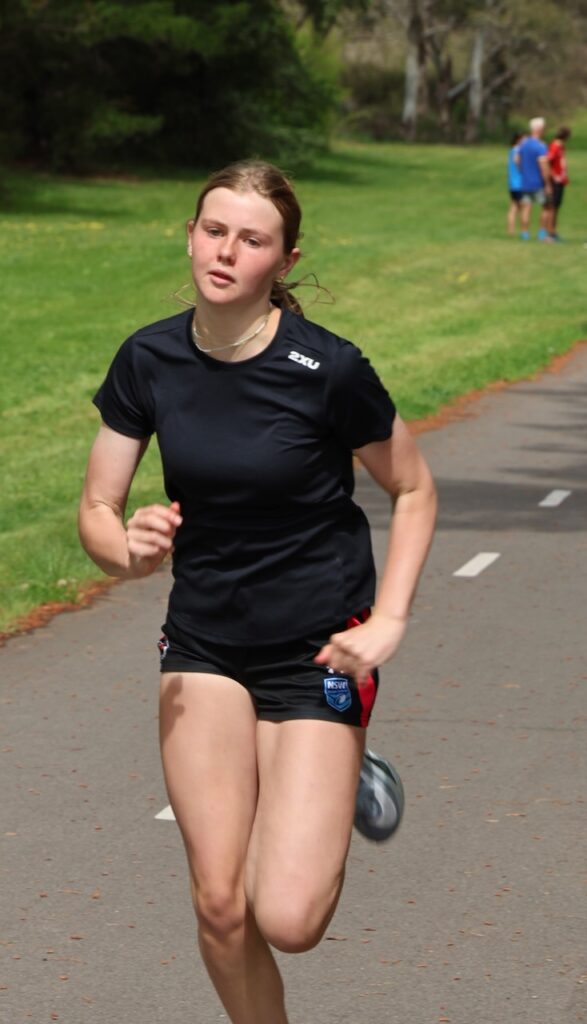
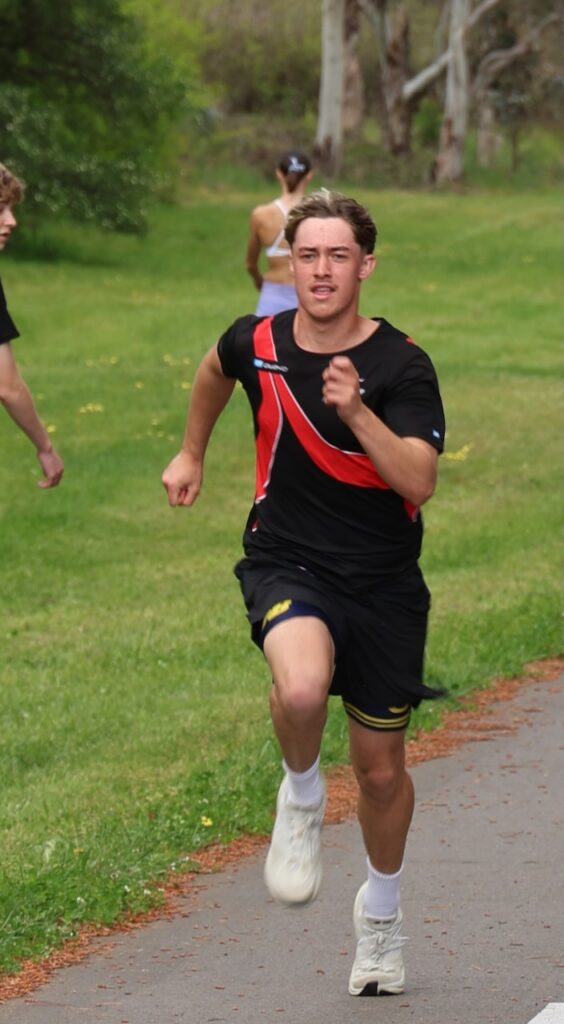
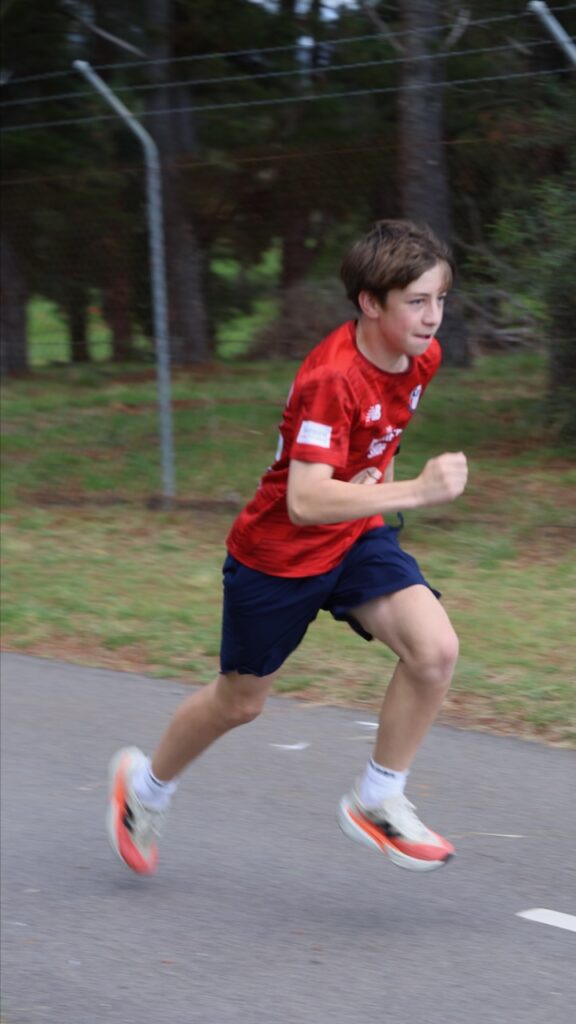
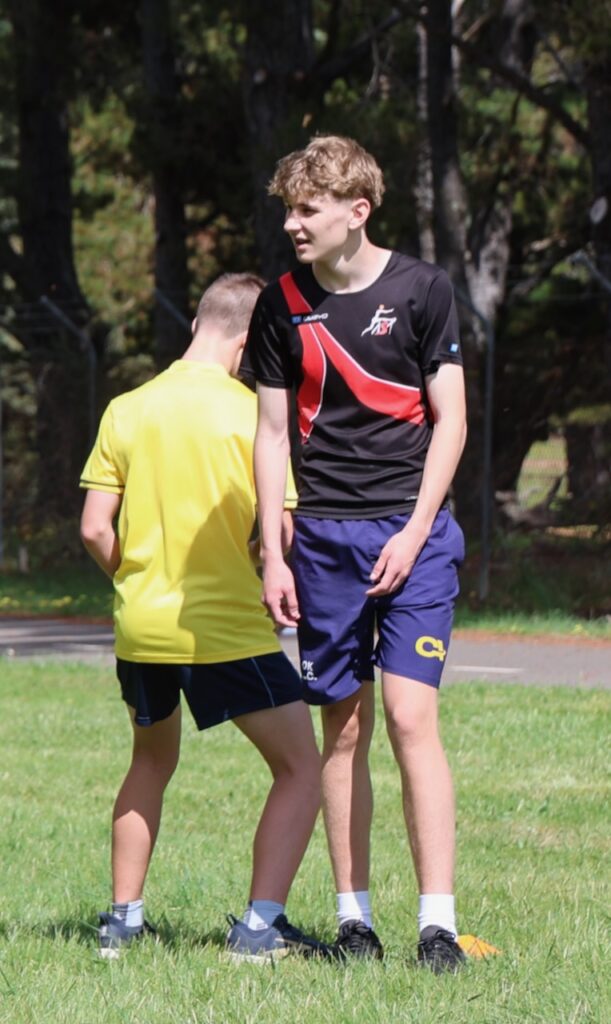
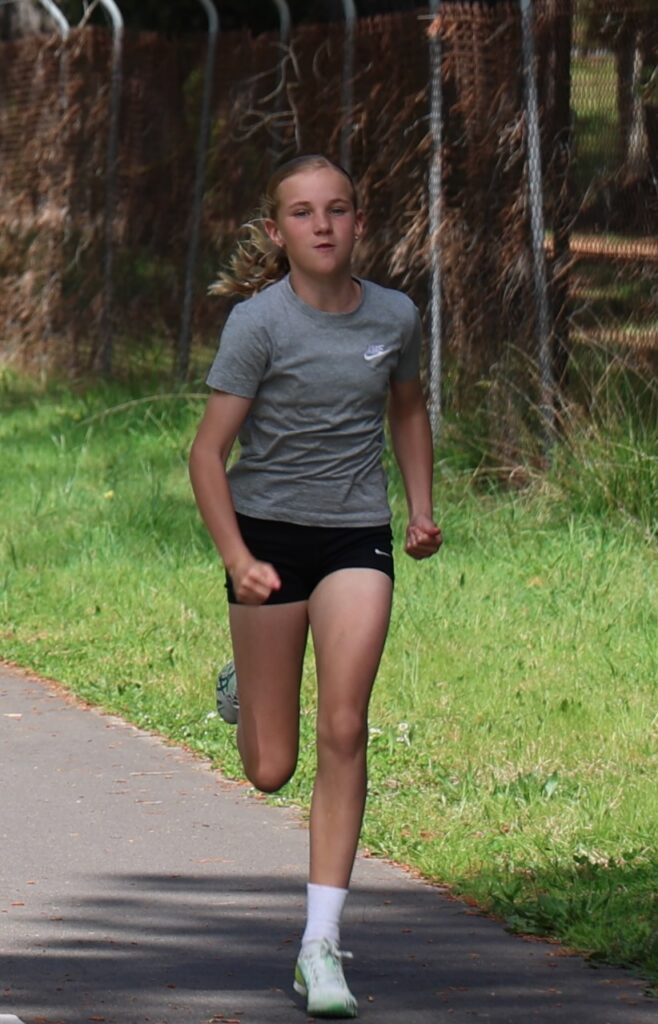
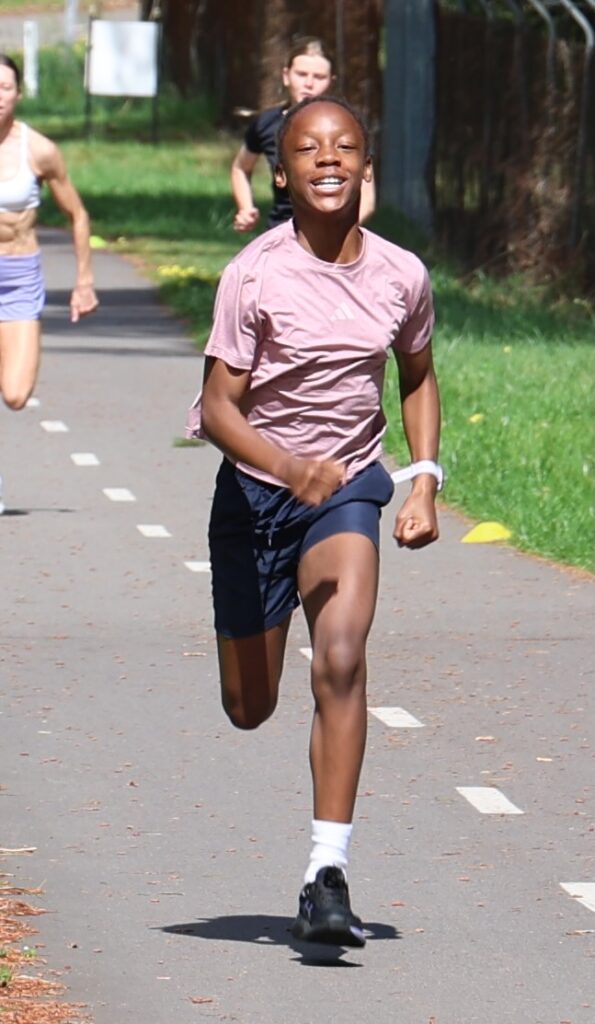
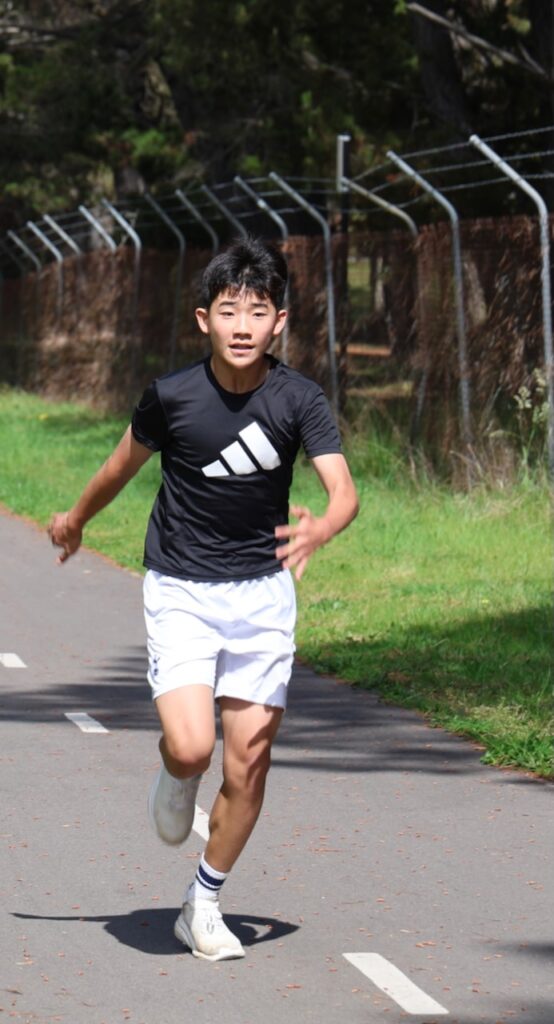
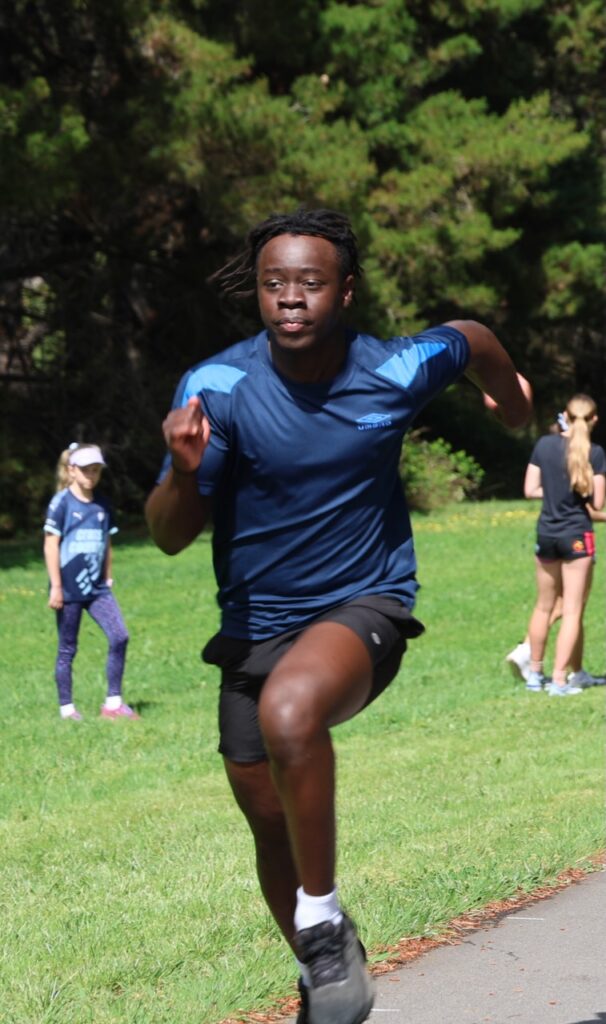
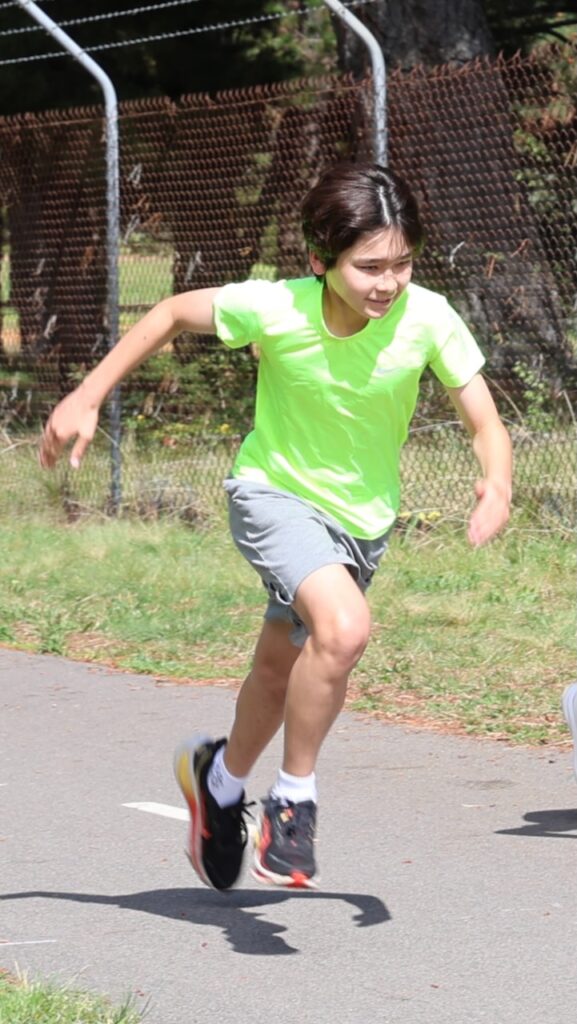
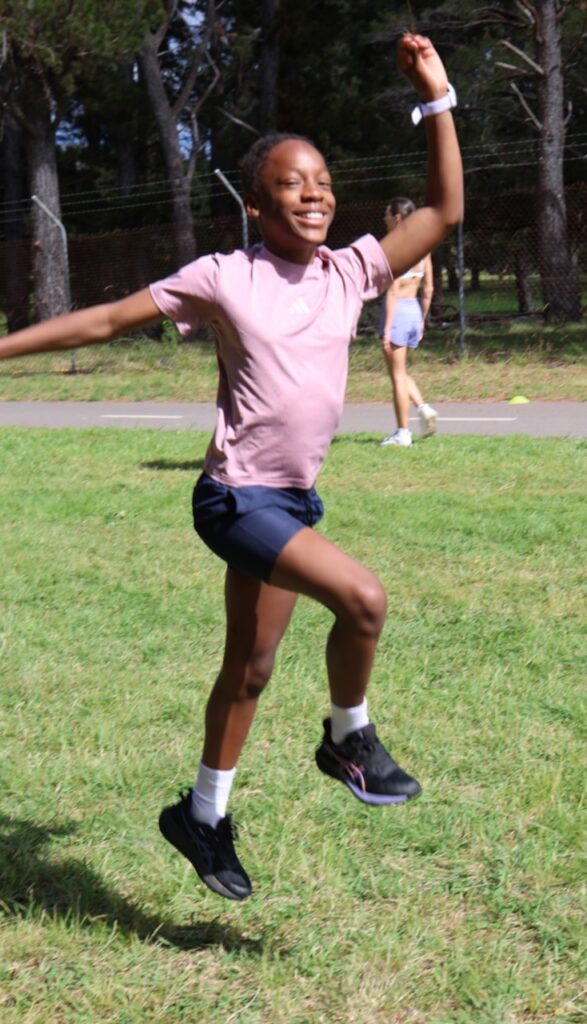
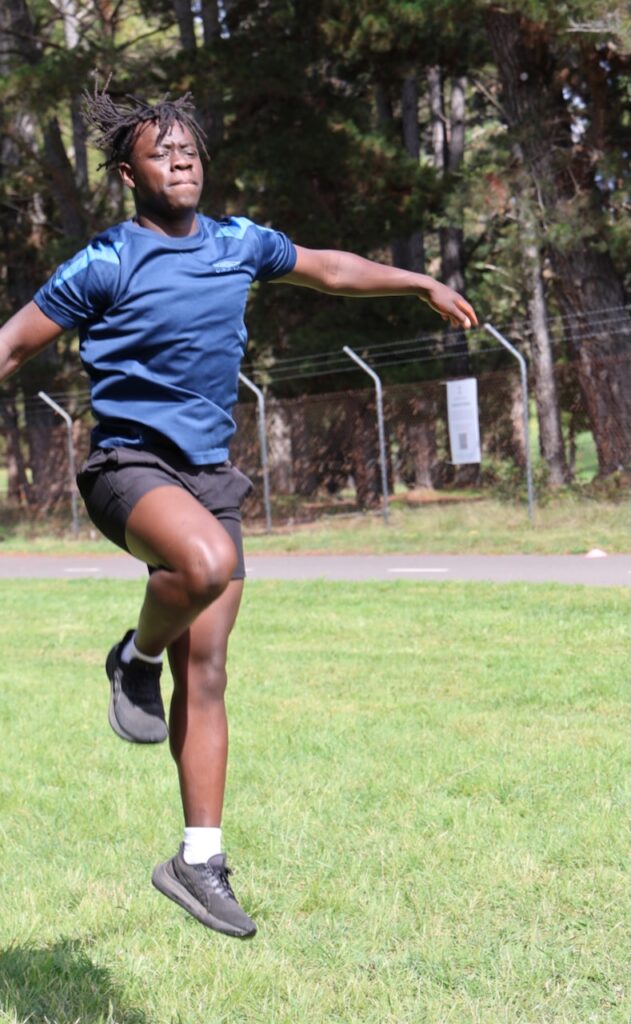
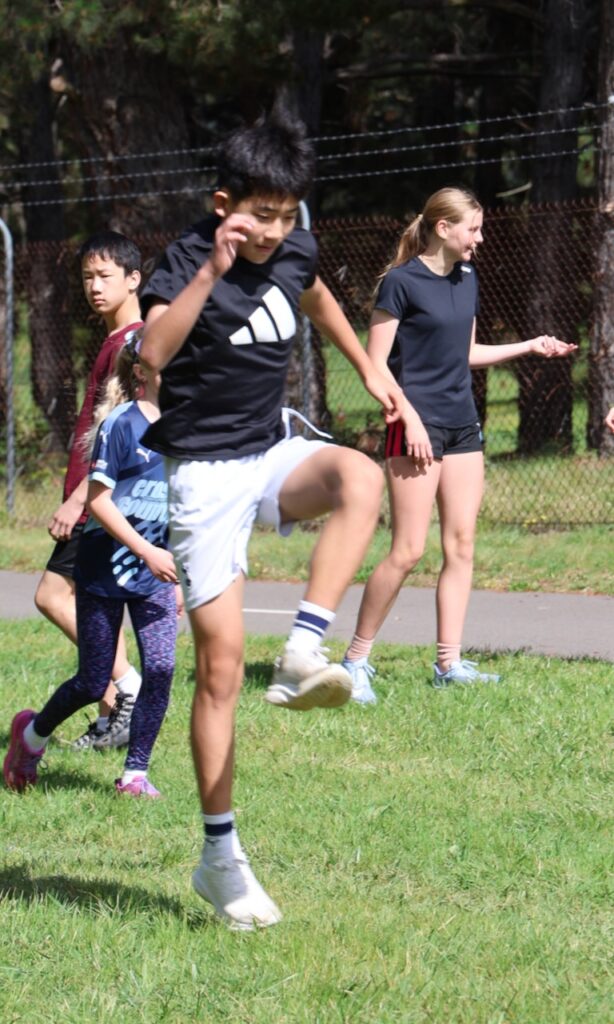
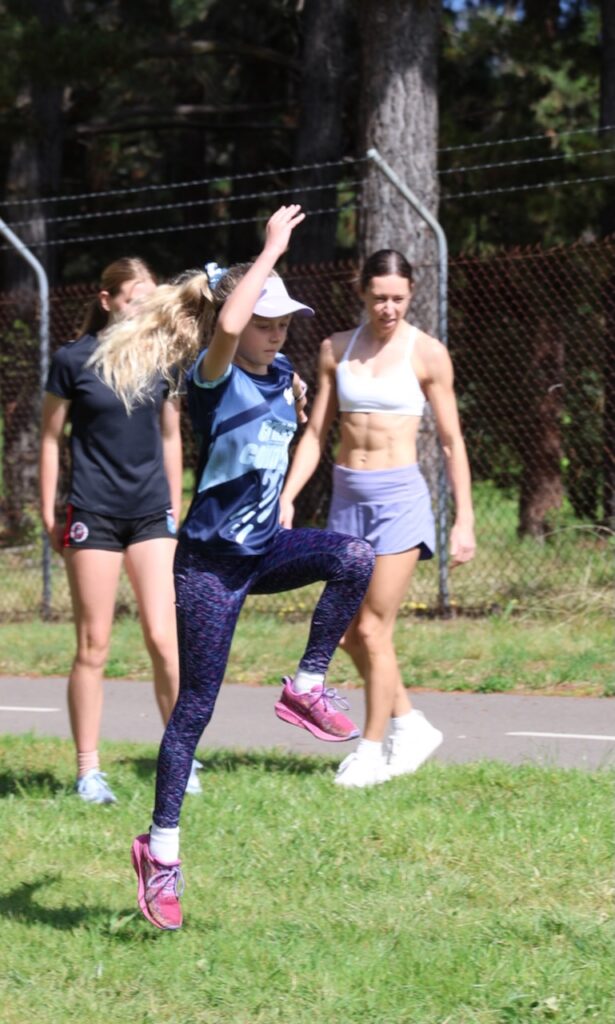
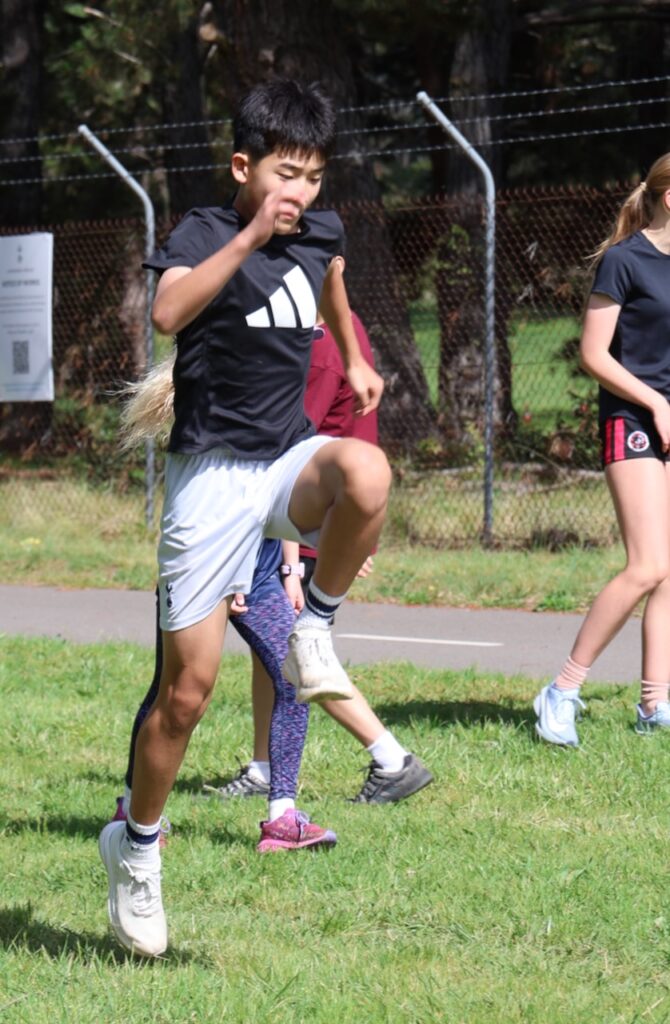
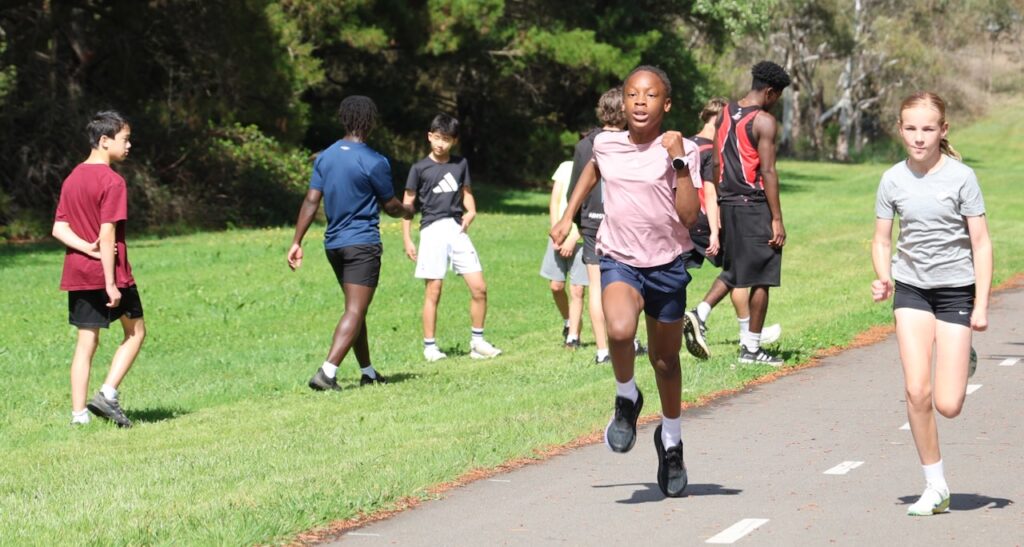
Across three sessions each week, the grass gives us room to accelerate, sprint, drill, jump and work through the different components of our programs.
It isn’t simply a case of transferring what we did at the AIS onto grass.
We are learning the venues and adapting.
Where does acceleration work best? What distances can we use effectively? Where should equipment be positioned? How does the surface change what we prescribe? Which parts of a session belong here and which are better saved for somewhere else?
Those questions are now becoming part of our programming.
And there are advantages.
Grass provides a different stimulus. The open spaces give us flexibility. Cook and Aranda have a distinctly local, community feel.
Most importantly, they are becoming places where FAST athletes know what happens when they arrive.
The equipment comes out.
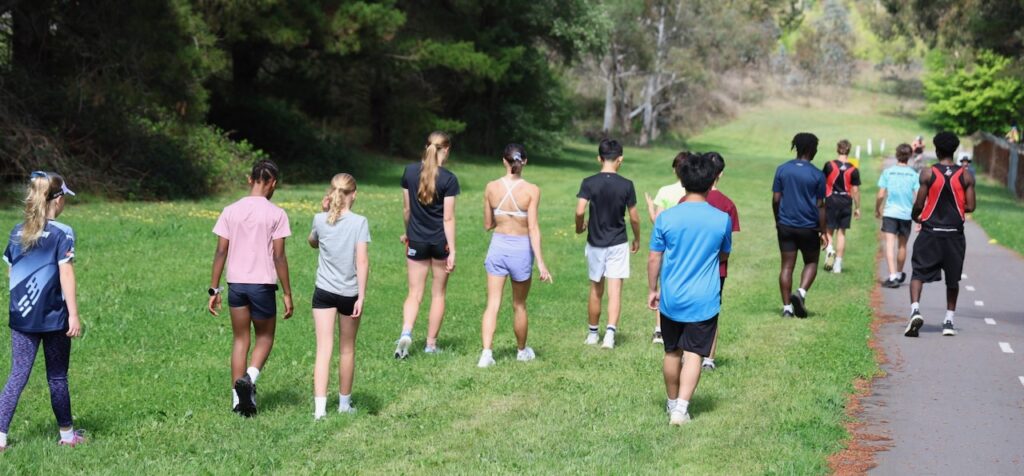
The groups form.
The coaching starts.
We train.
Sundays still belong on the track
Once each week, however, we return to a synthetic athletics surface.
Sunday at Woden Park has become an important piece of the new FAST week.
For our sprinters, hurdlers and jumpers, retaining regular access to a proper synthetic surface matters.
As competition season approaches, athletes need opportunities to experience the velocities, contacts, equipment and technical demands that come with their events.
Grass has an important place in our program.
So does the track.
Rather than seeing the different venues as compromises, we are increasingly looking at what each environment allows us to do well.
That means choosing the training for the environment instead of wishing every environment was the AIS.
And then there is GG’s
Some things haven’t changed at all.
Saturday morning still means heading towards Government House and one of our favourite FAST sessions.
We know it simply as GG’s.
Perhaps it deserves a slightly more formal name.
GG’s — The FAST Climb.
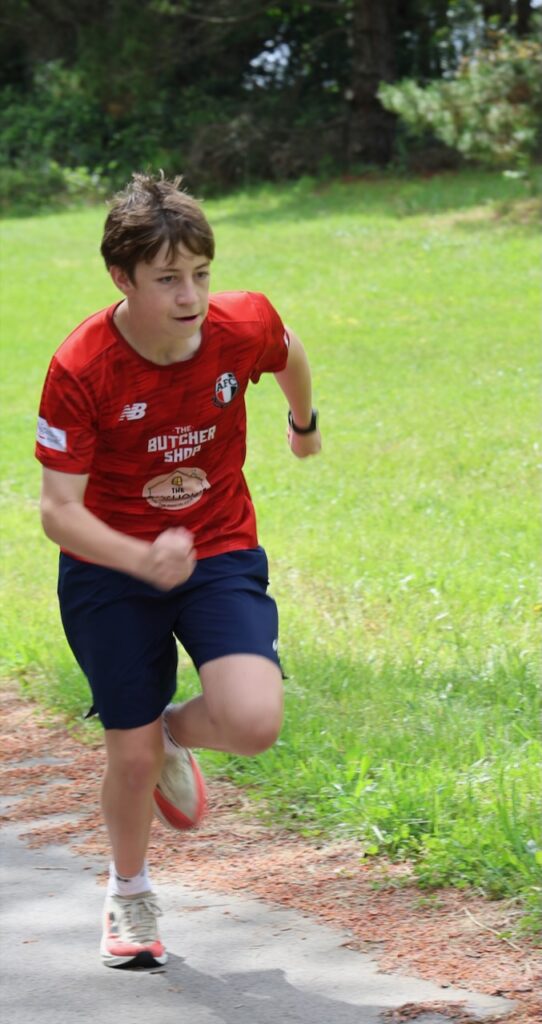
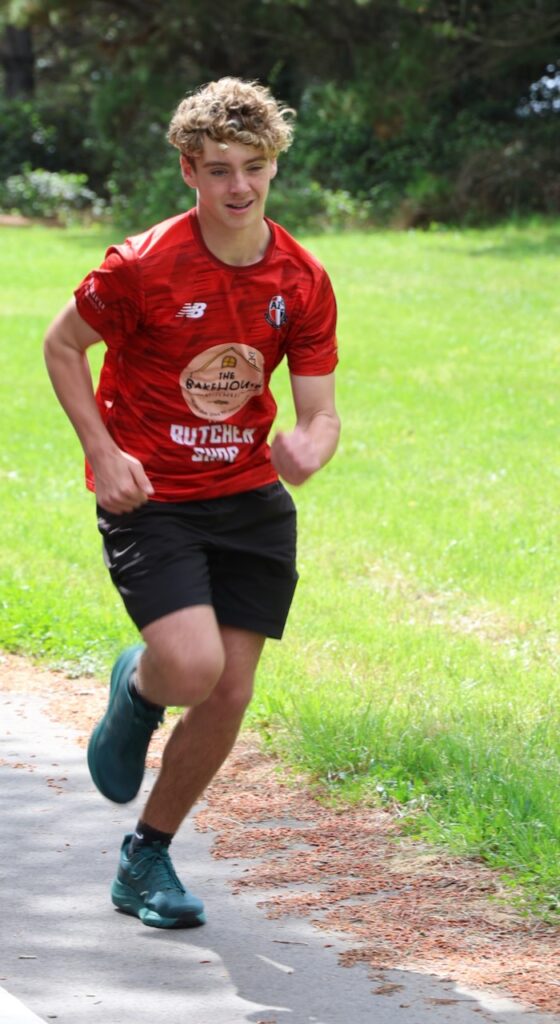
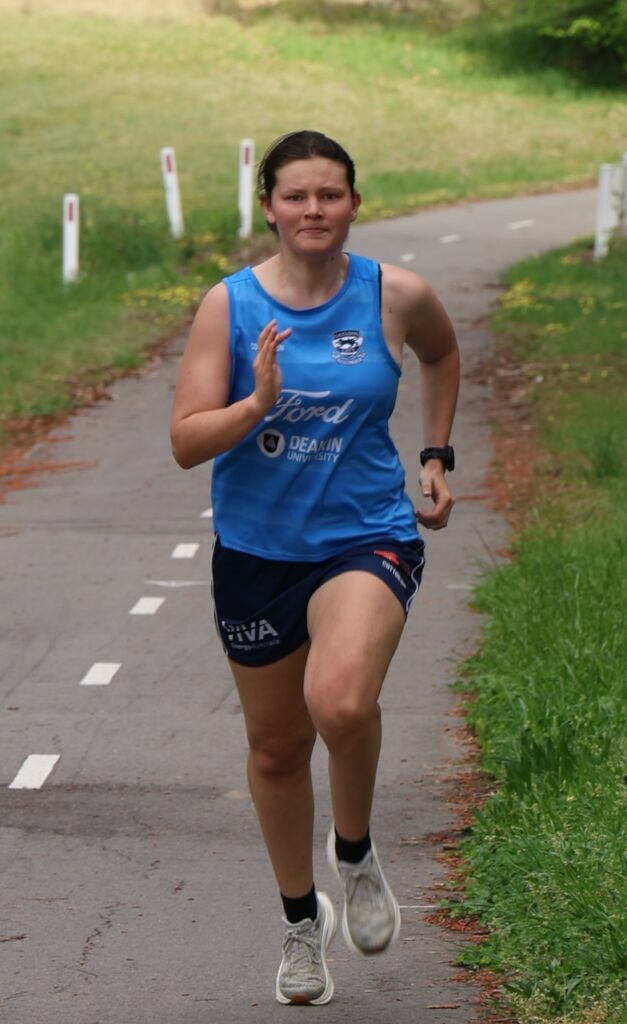
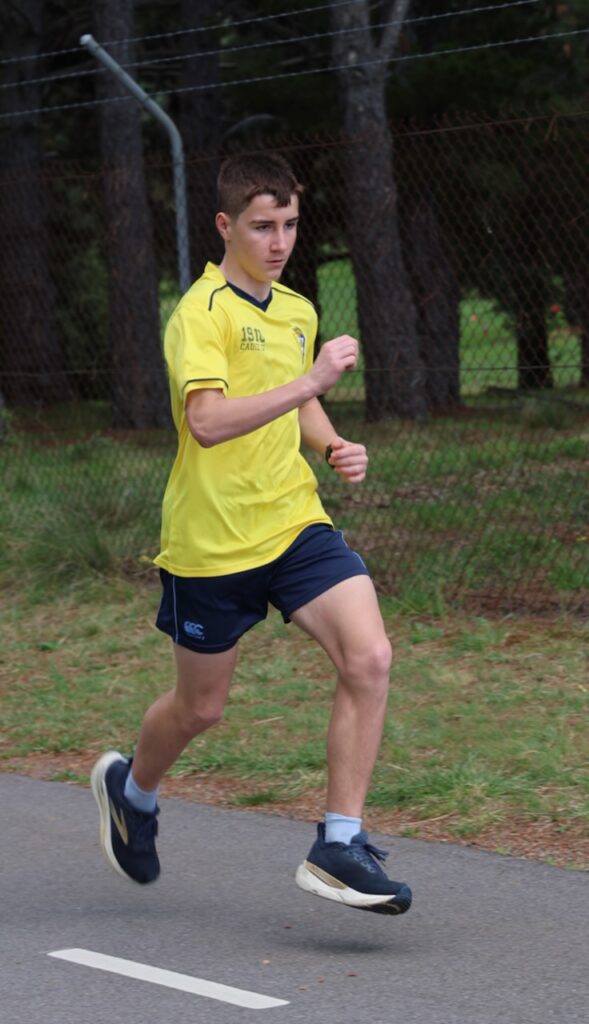
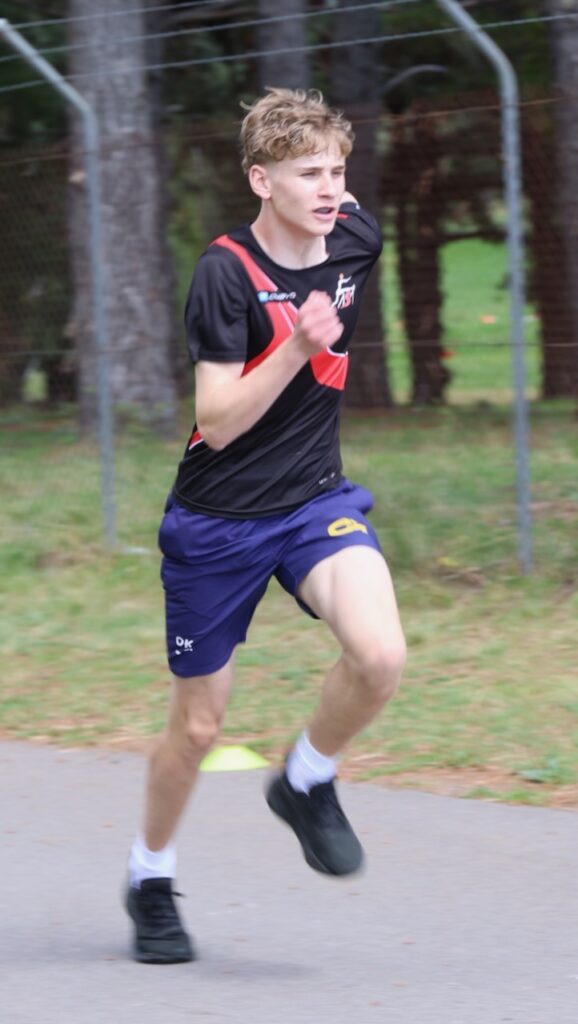
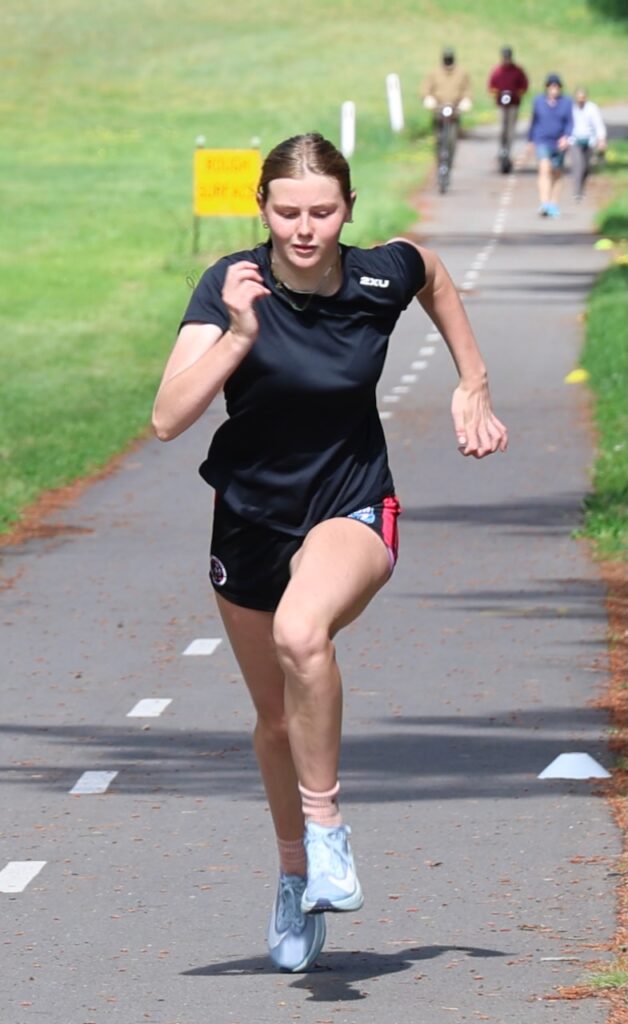
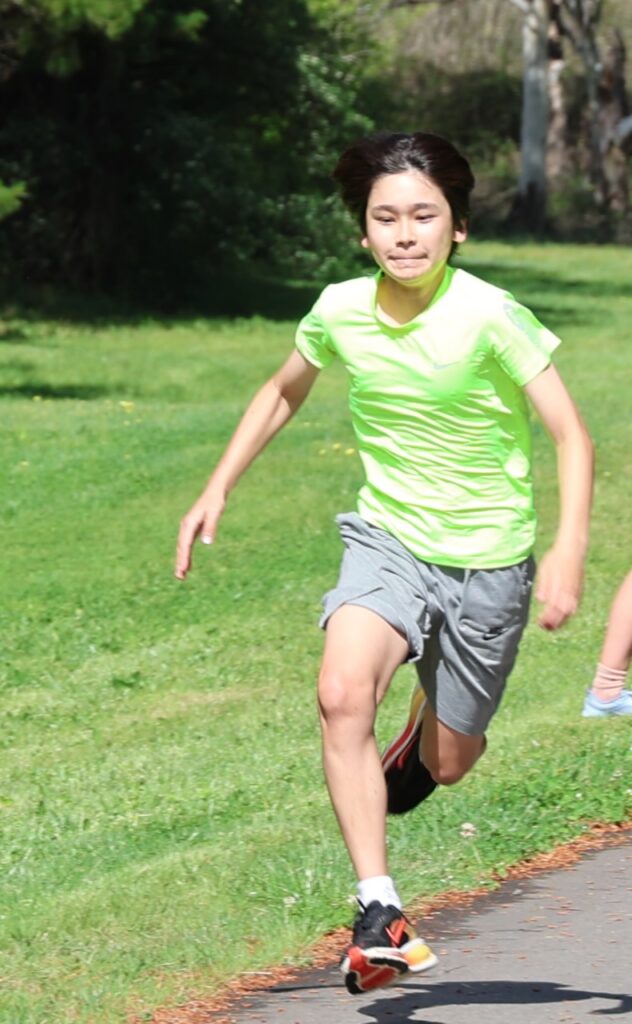
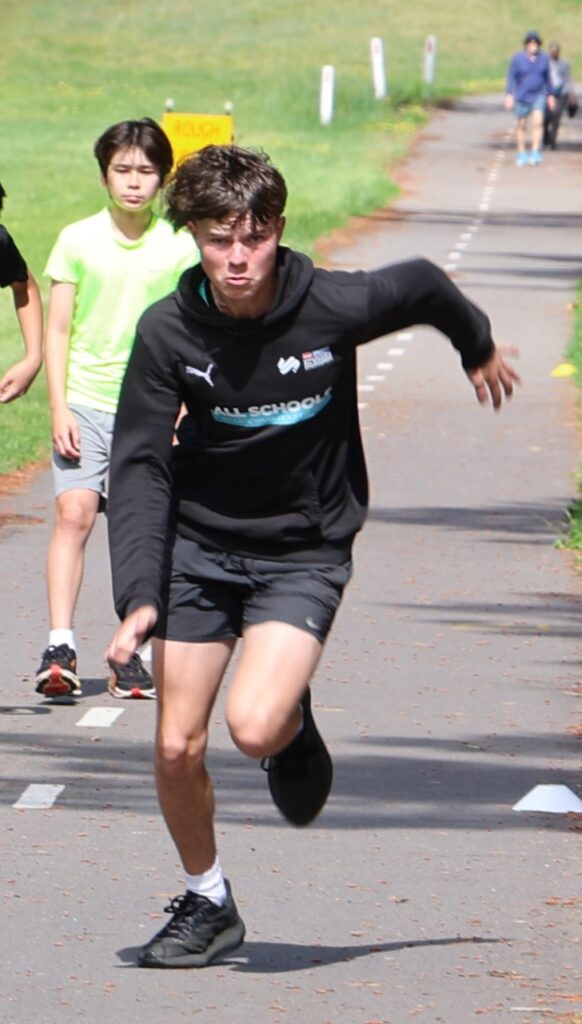
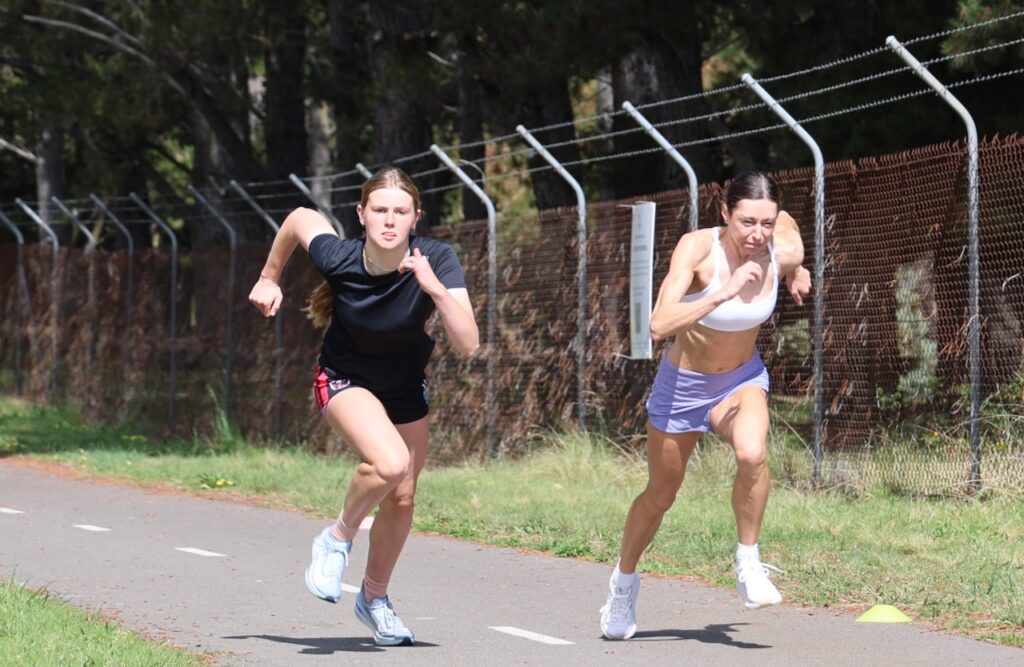
It is a simple environment: a bike path, a substantial incline and athletes who know that the easiest way to reach the top is to keep running.
There is no need to manufacture intensity.
The hill takes care of that.
And on Saturday, even the Government House Open Day wasn’t enough to interrupt training.
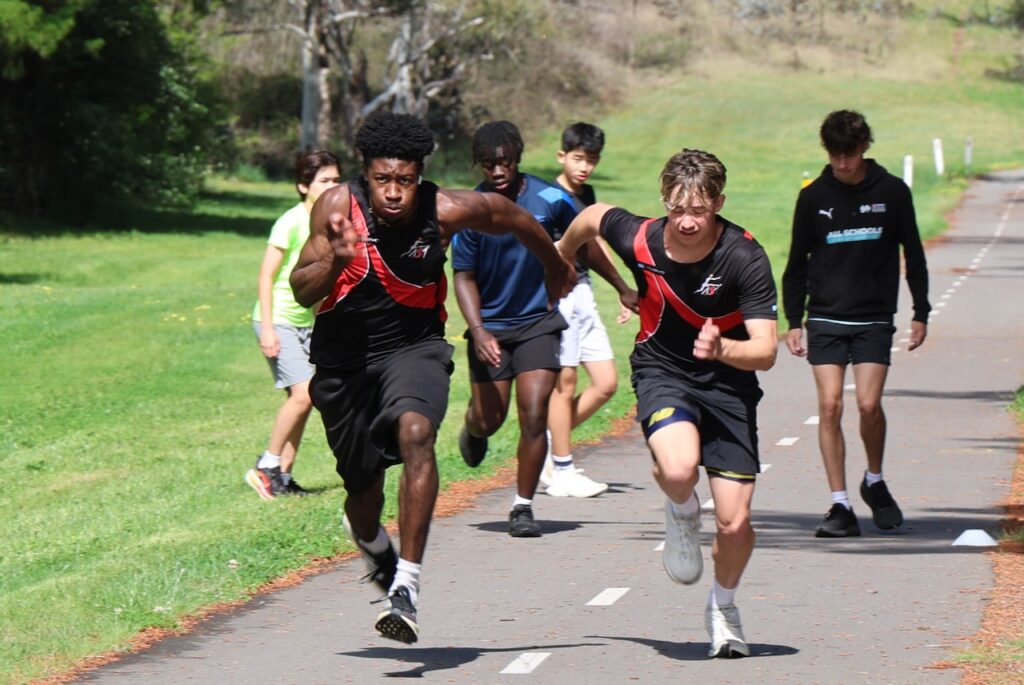
We sprinted first.
Mixing with royalty afterwards while still dressed in FAST sprint gear was entirely optional.
One hill. Different objectives.
Saturday also demonstrated something important about the way FAST now operates.
Everyone could be running up the same hill without everyone doing the same training.
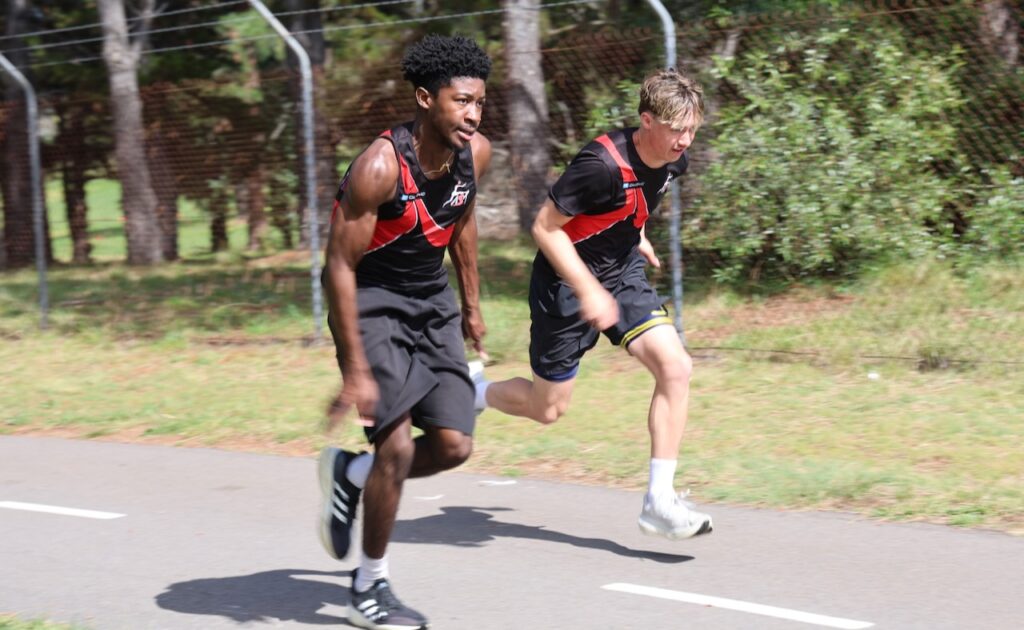
Our GIANTS program athletes attacked back-to-back longer hill repetitions with minimal recovery, with Coach Matt keeping a close eye on the group.
Their requirements are different from those of a 100m sprinter. Their ability to produce and reproduce running efforts matters, and the hill gives us another way to develop those qualities.
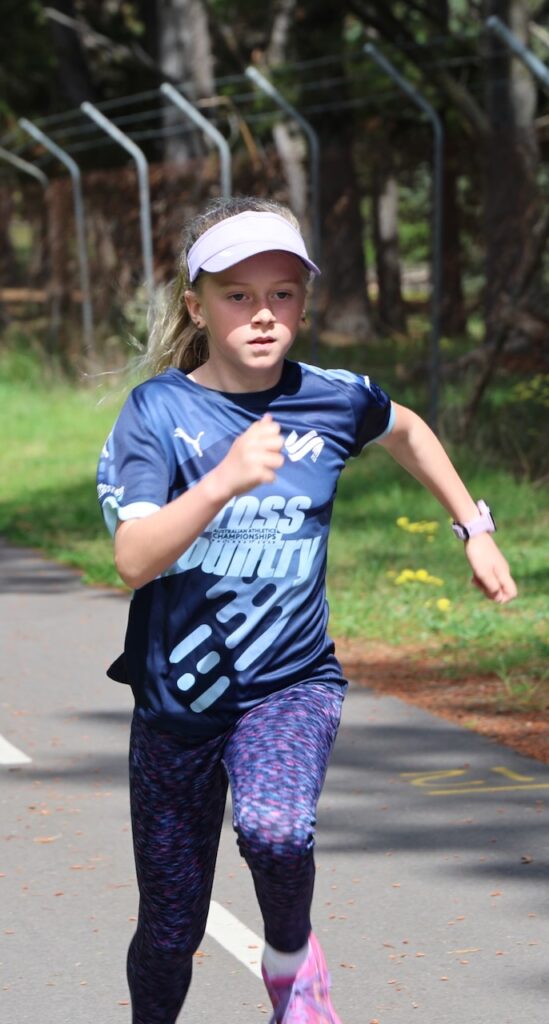
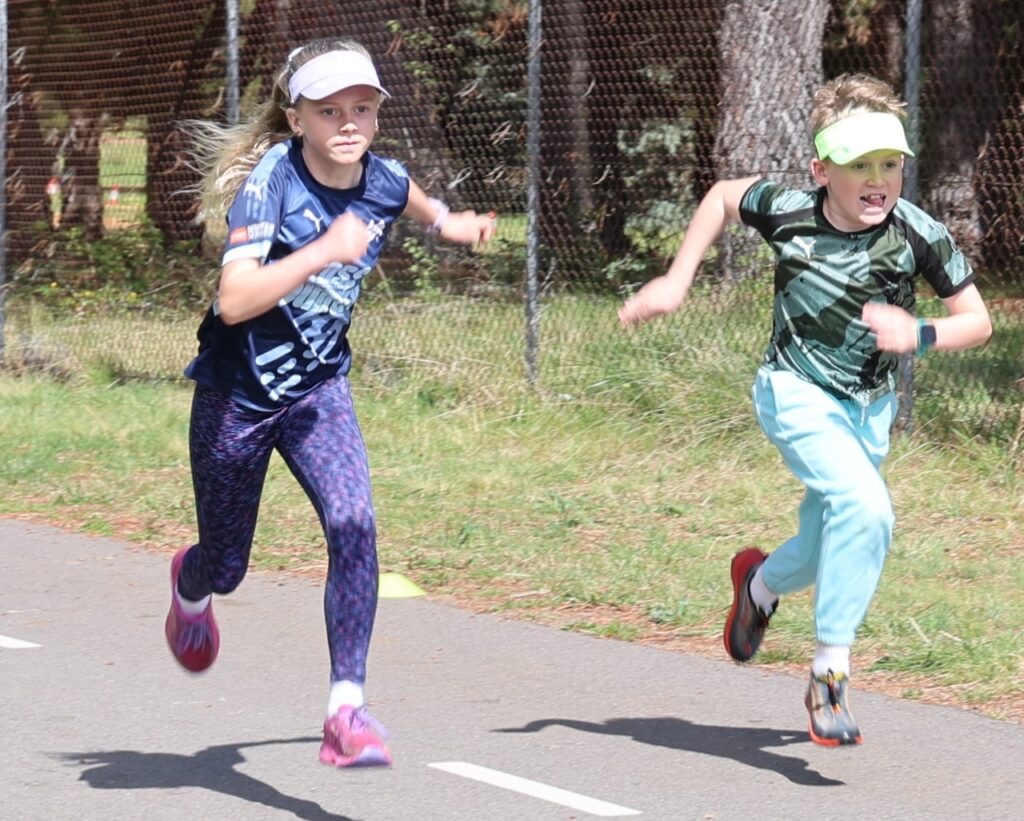
Nearby, Coach Marijke worked with our Accelerate athletes, making sure younger and developing athletes understood what they were trying to do rather than simply being told to run uphill.
The objective was still speed.
The delivery matched the athletes.
Coach Steve oversaw our FAST Track and FAST Performance athletes, whose sessions reflected their individual preparations as competition season approaches.
For some, that meant different distances.
For others, different volumes or intensities.
Same hill.
Different athletes.
Different objectives.
A network rather than a home ground
Perhaps that is the biggest change after our first week away from the AIS.
FAST no longer has one obvious home training venue.
Instead, we have something closer to a training network.
Cook. Aranda. Woden. GG’s.
Grass when grass suits the objective.
Synthetic track when the track matters.
Hills when the hill provides something neither can.
And within those environments sit our different programs — FAST Performance, FAST Track, Accelerate and FAST for Sport — with coaches applying a common set of principles to athletes with very different needs.
It requires more organisation.
Equipment needs to be moved.
Sessions need to be designed around the available environment.
Coaches need to know not only what is written in the program, but why it is there and when it needs to change.
In some ways, losing the convenience of one established athletics facility has forced us to become better at something we already believed in:
building the training environment around the athlete rather than expecting the athlete to fit the environment.
Running Excellence moves
A week isn’t long enough to declare that every problem has been solved.
There will be wet evenings, difficult surfaces, equipment challenges and plenty of adjustments ahead.
But the first week has shown us something.
FAST didn’t disappear when we left the AIS.
It moved.
Three sessions on Canberra grass.
One session each week on the synthetic track at Woden.
And Saturday mornings racing bikes up GG’s — The FAST Climb.
Different surfaces. Different locations. Different training demands.
The same athletes, coaches, systems and expectations moving between them.
A week into our exile, the new routine is already starting to feel like ours.
New surroundings. Same standards.
Running Excellence isn’t where you train. It’s how you approach it.
Running Excellence grows.

Comments are closed