
FAST Running begins a new chapter at Cook
For years, the AIS Athletics Track has been one of the places most closely associated with FAST Running.
This week, things looked very different.
There was no synthetic track beneath our feet. No permanent hurdles waiting beside the straight. No starting blocks stored nearby. No established sprint markings telling us exactly where everything should go.
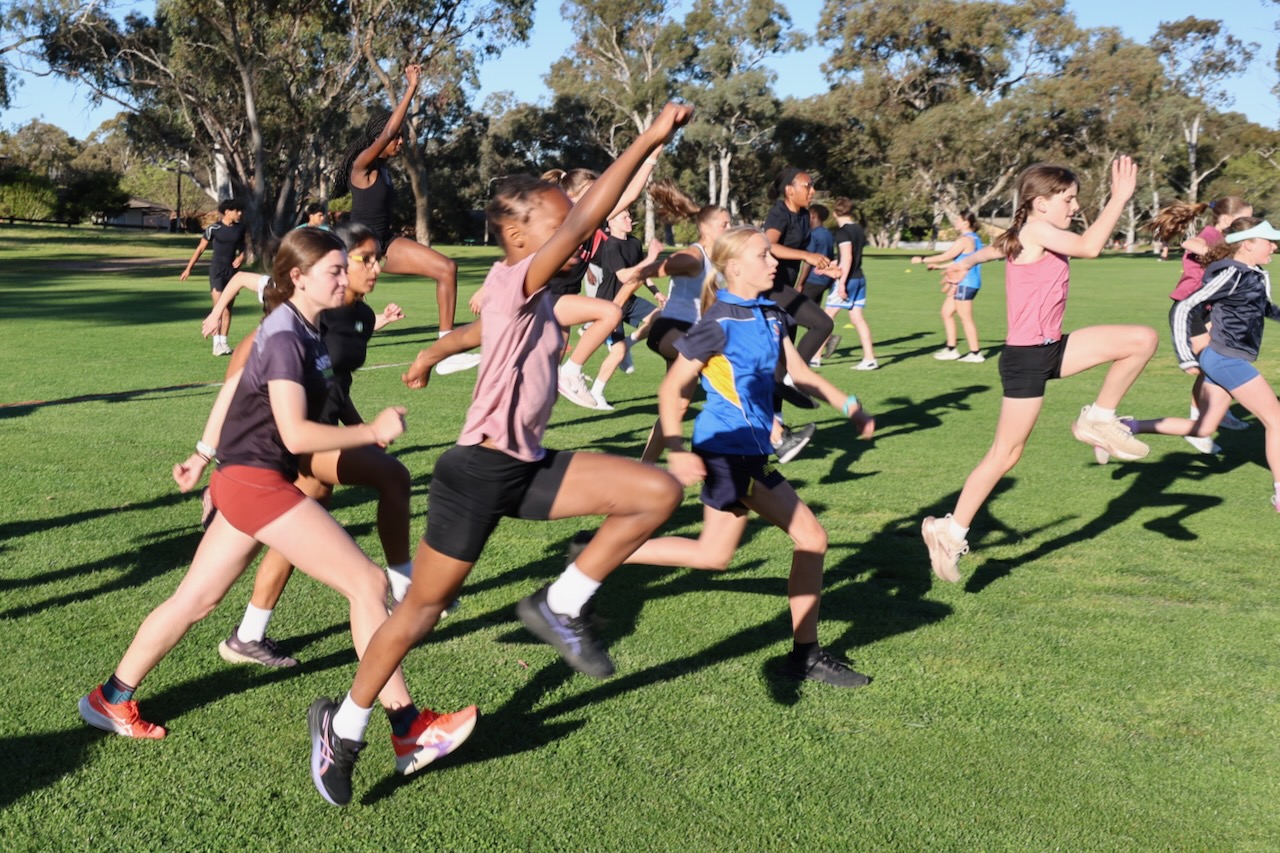
Instead, there was a large green oval, a beautiful Canberra backdrop and a grass track that hadn’t existed a few hours earlier.
By training time, it looked and felt like FAST.
Building the environment
At lunchtime, our coaches were at Cook marking out the grass.
Distances were measured. Straights and bends were established. Training areas were organised. By the time our athletes arrived, what had been an open sporting field had become our newest training environment.
Then came the equipment.
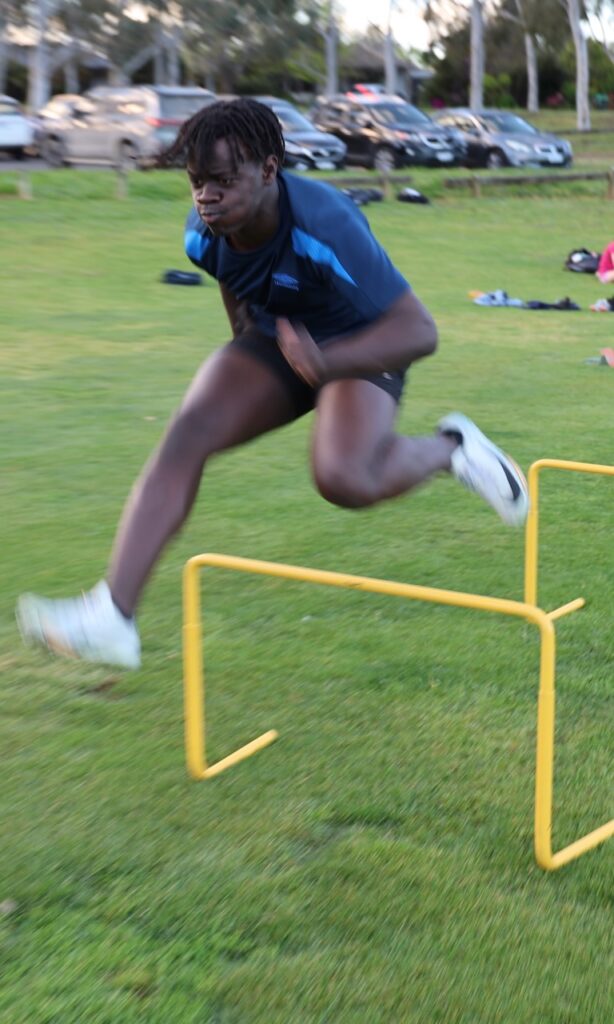
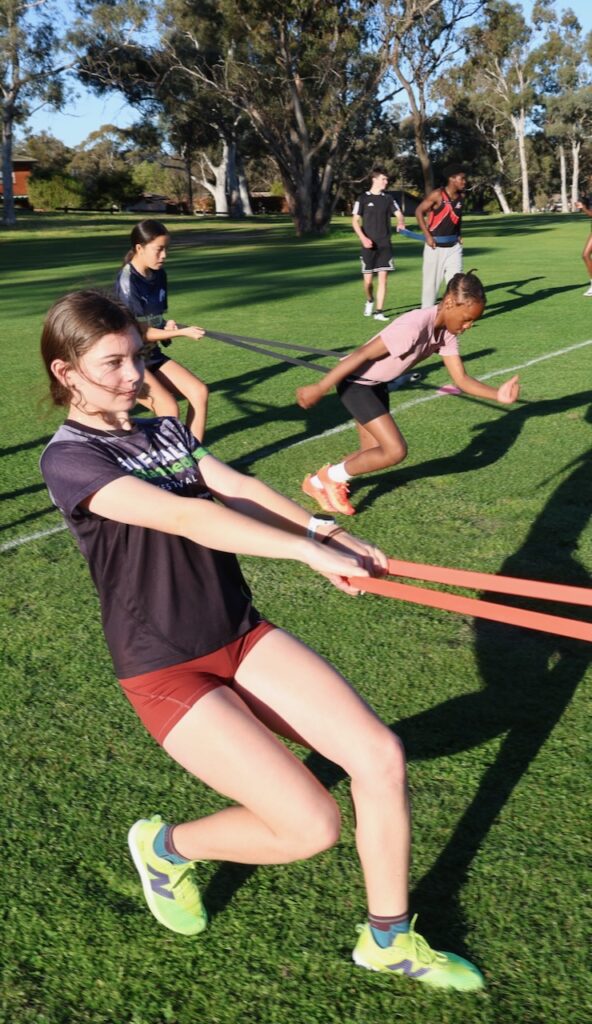
Our hurdles. Starting blocks. Jump boxes. Resistance bands. Timing and coaching equipment. Everything needed to turn an ordinary patch of grass into somewhere athletes could train with purpose.
It wasn’t the AIS.
We weren’t trying to pretend that it was.
What mattered was that the standard of what we were trying to deliver hadn’t changed.
A strong first night
And then the athletes arrived.
Lots of them.
What immediately stood out wasn’t what Cook lacked compared with the AIS. It was how quickly the new environment came alive.
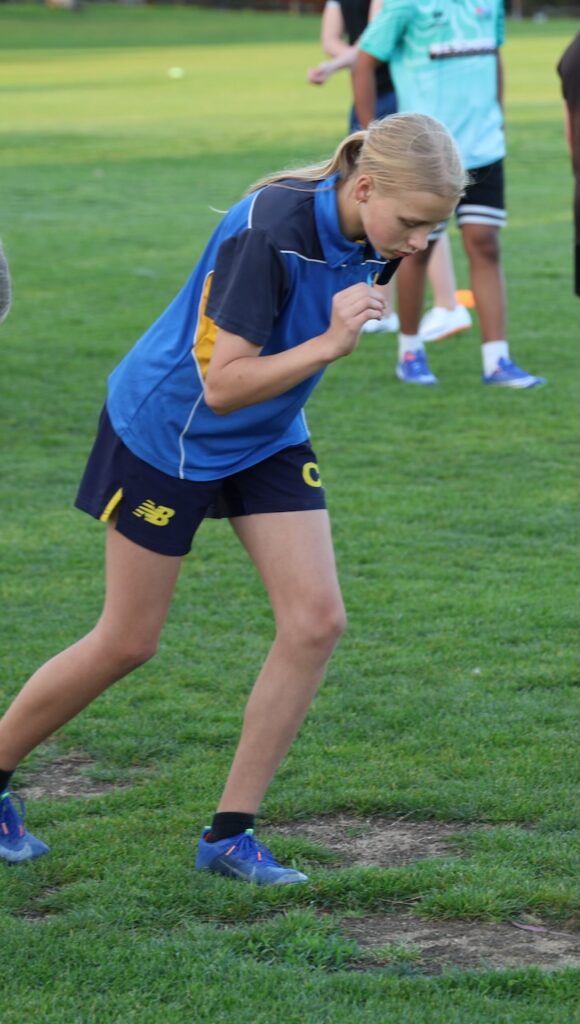
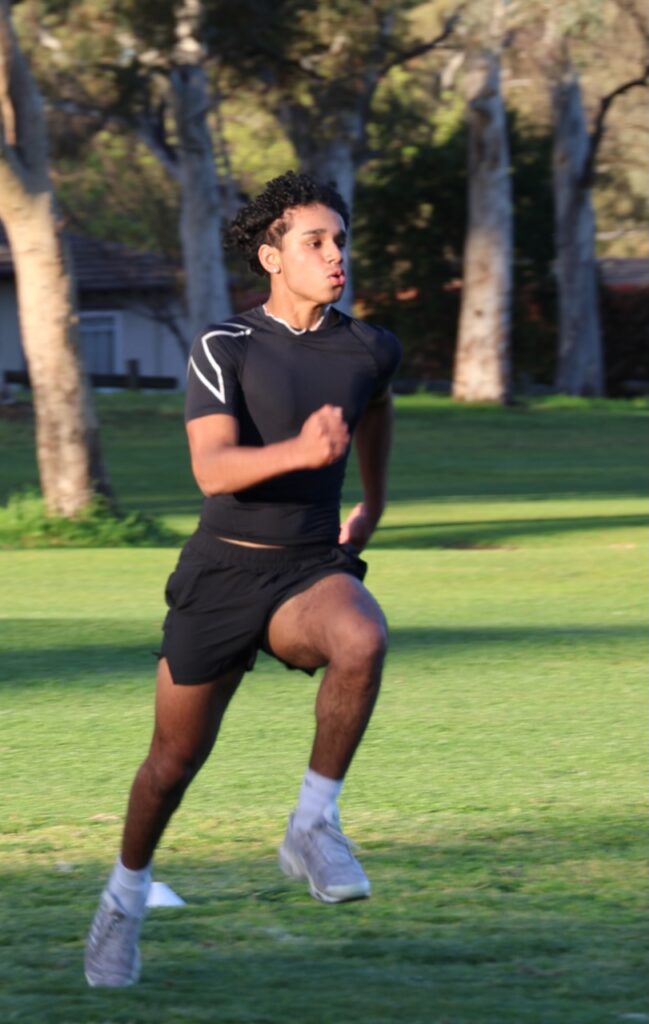
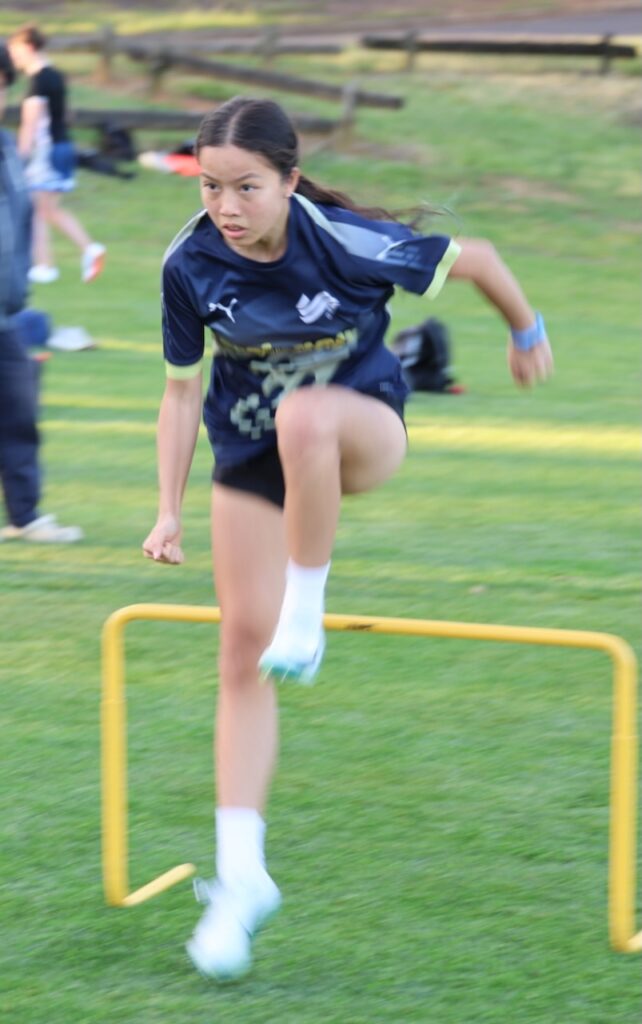
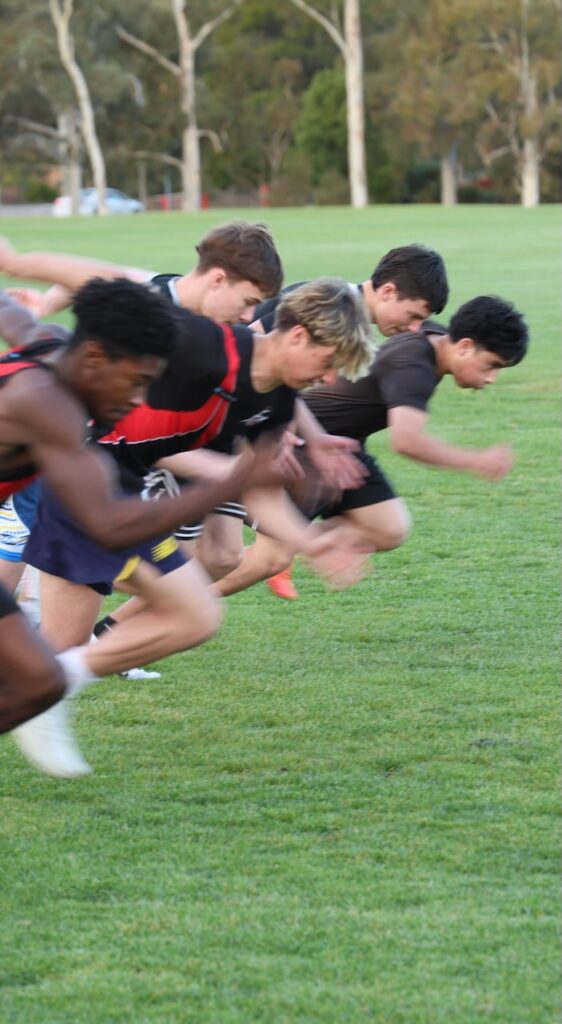
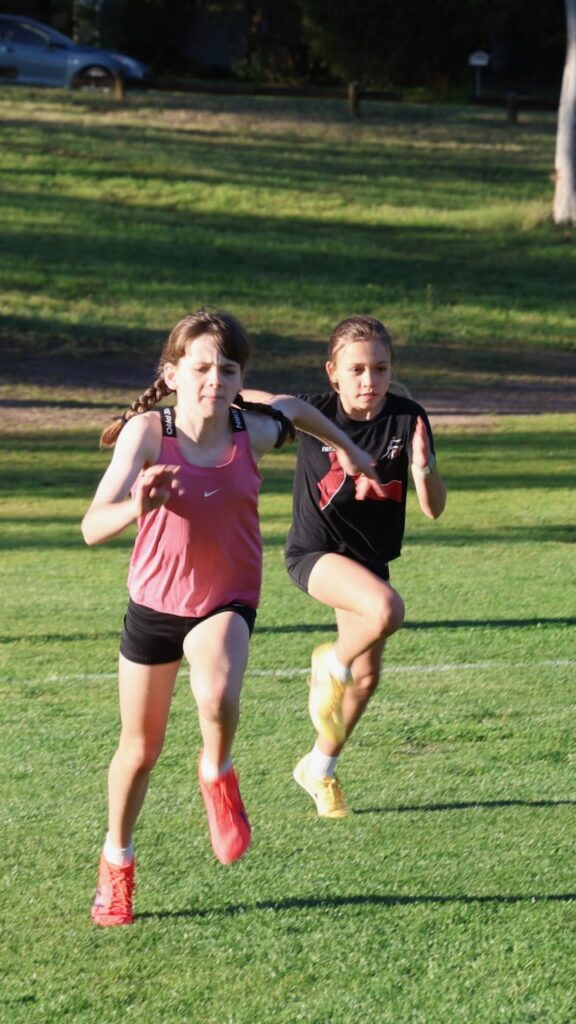
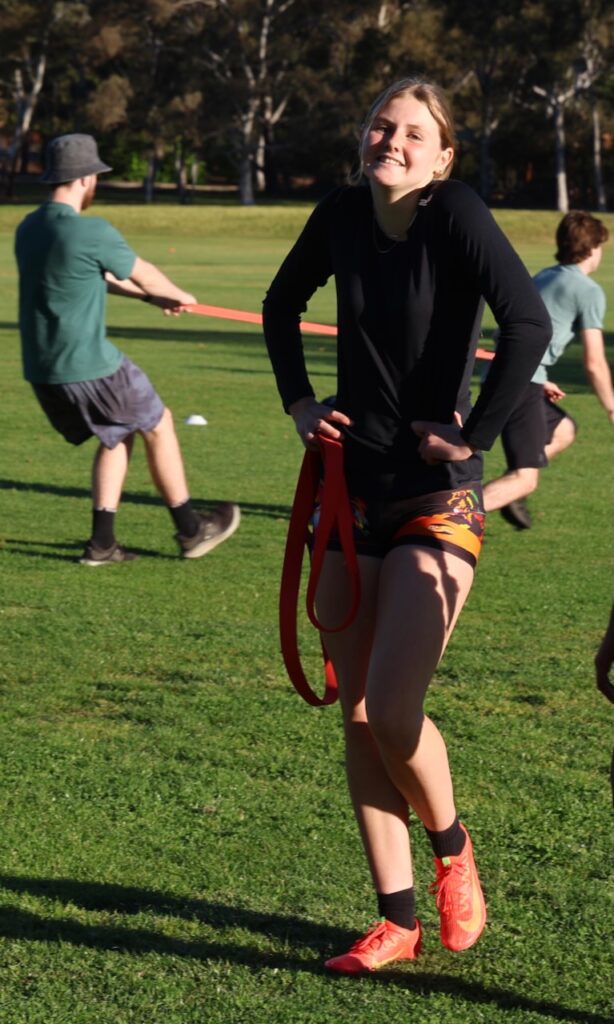
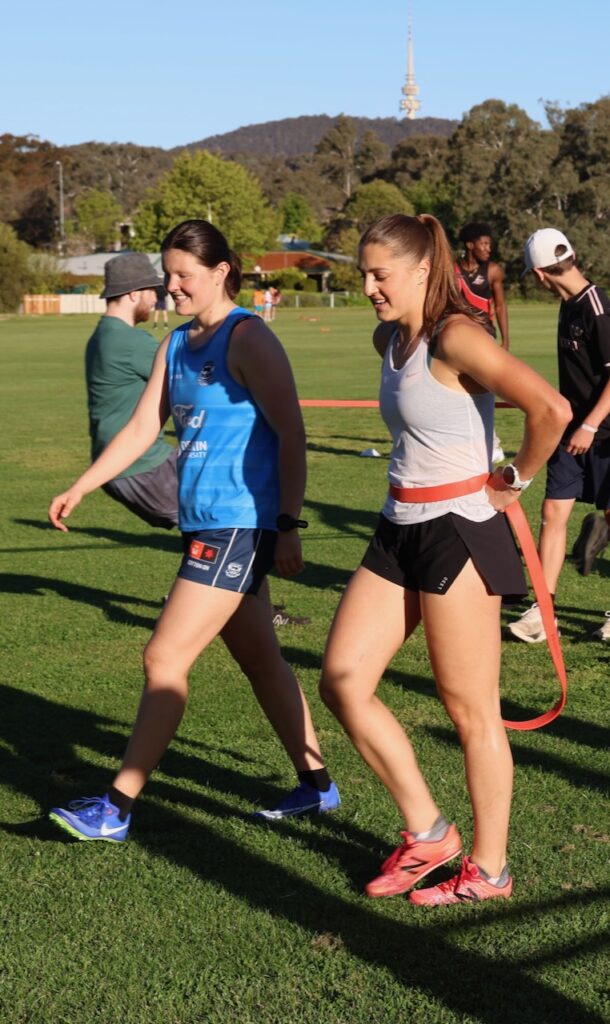
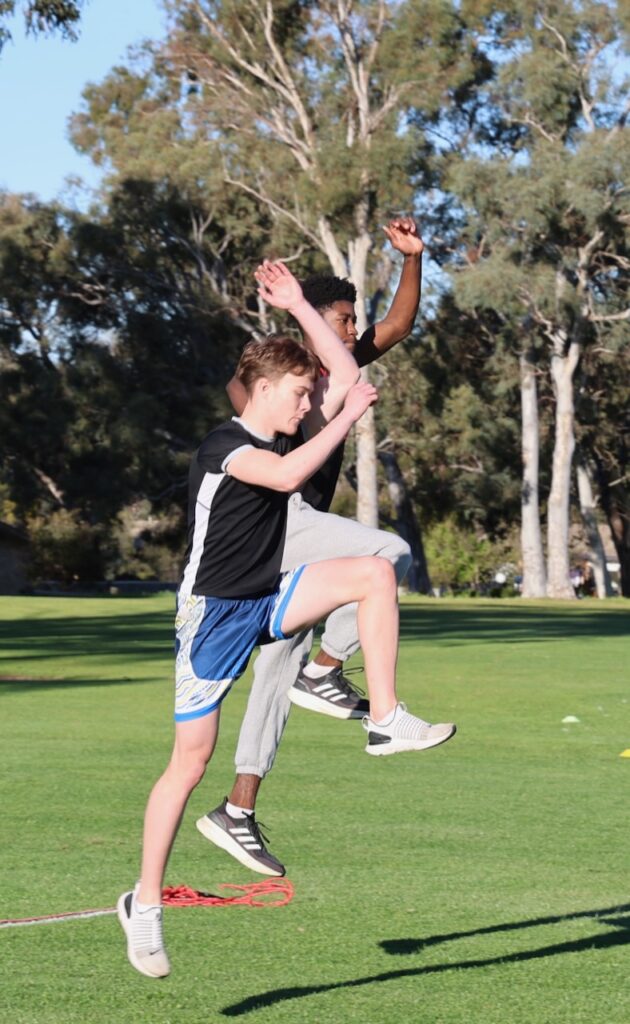
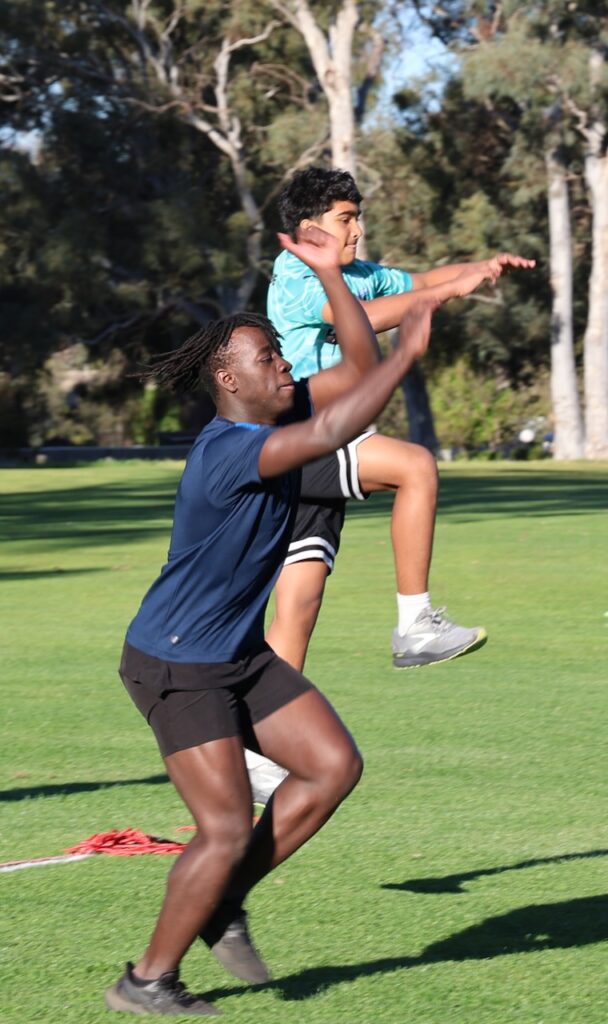
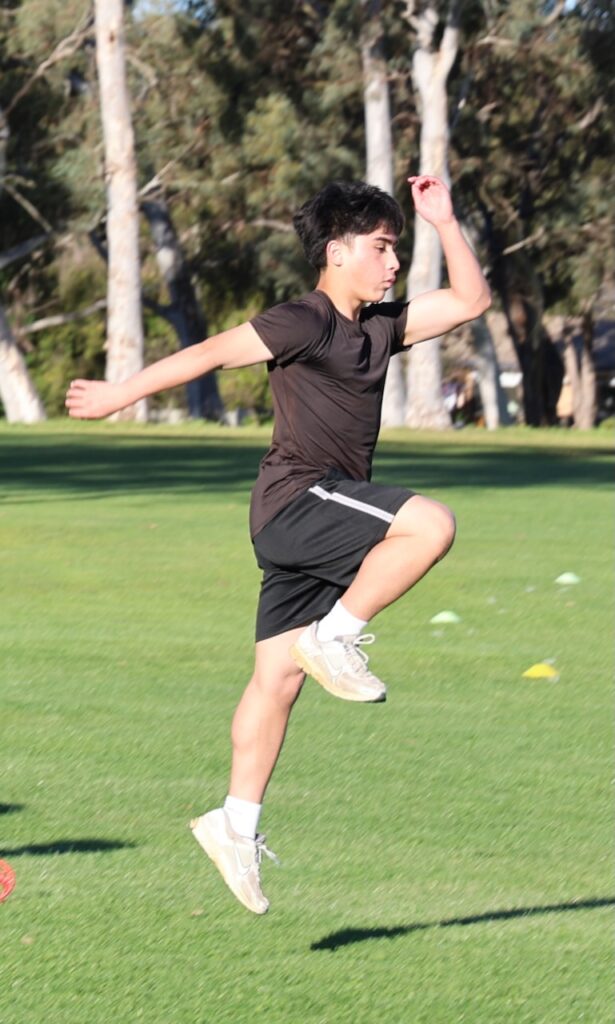
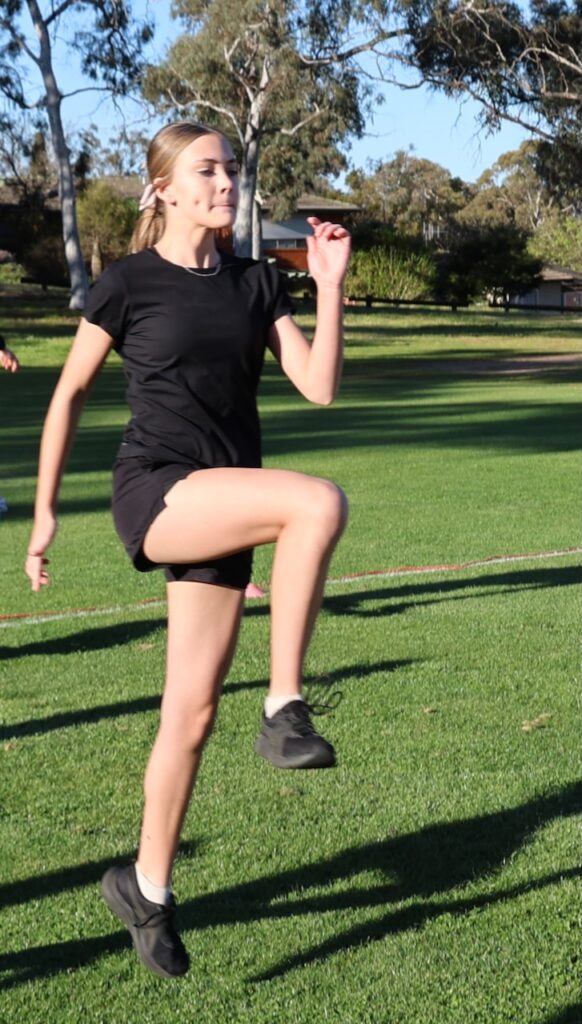
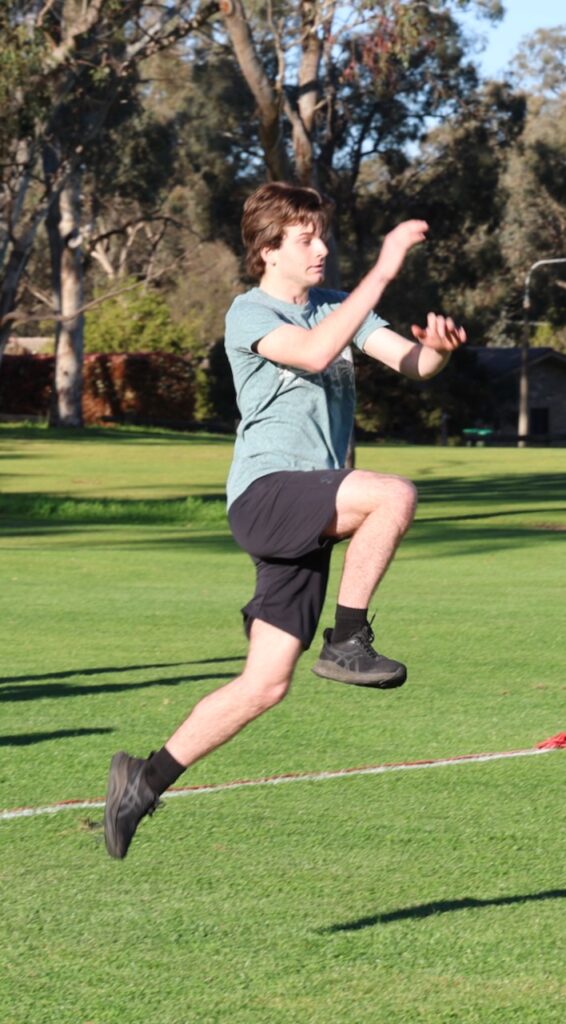
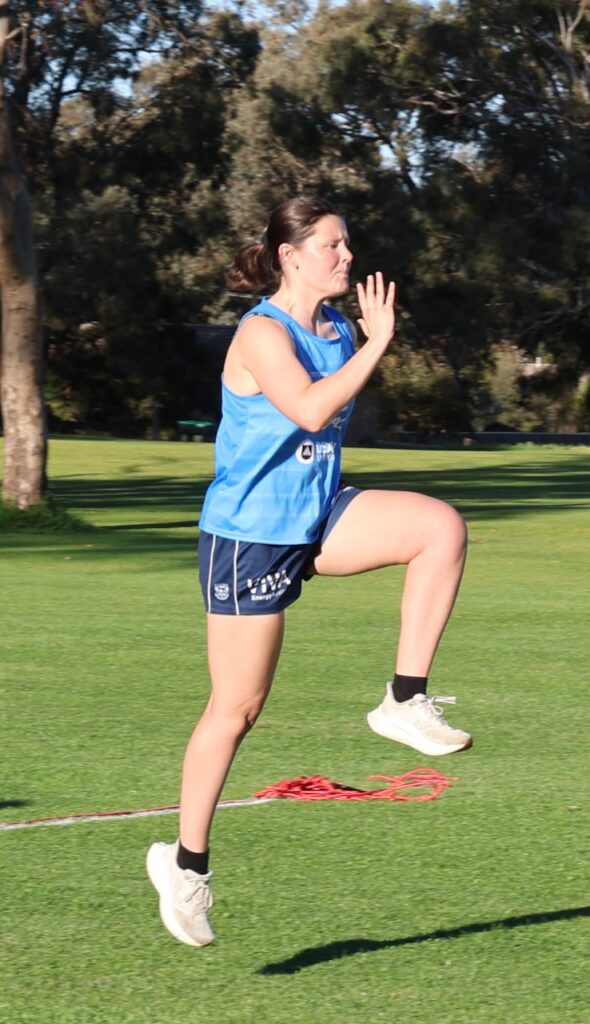
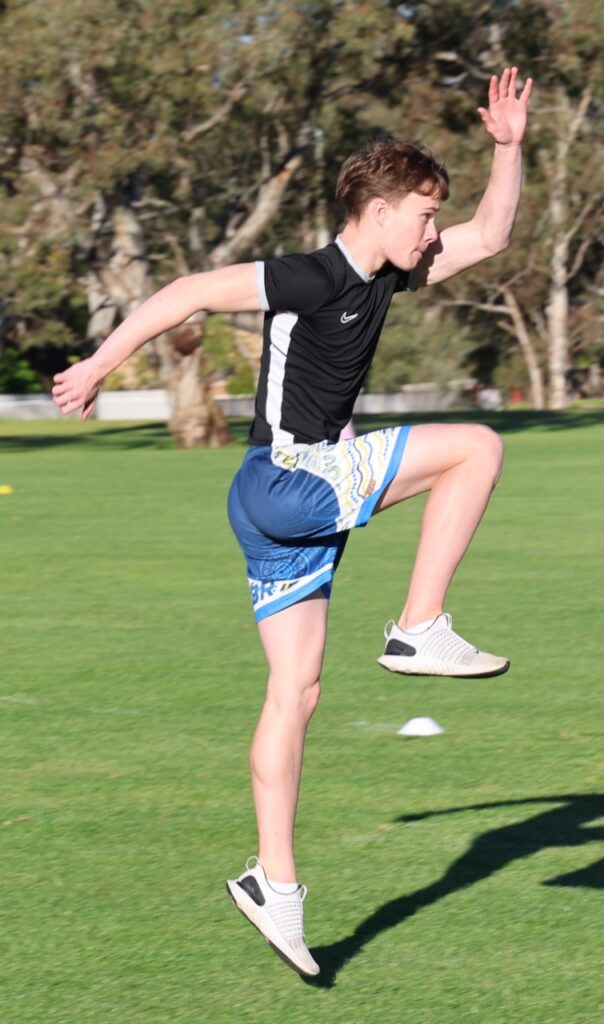
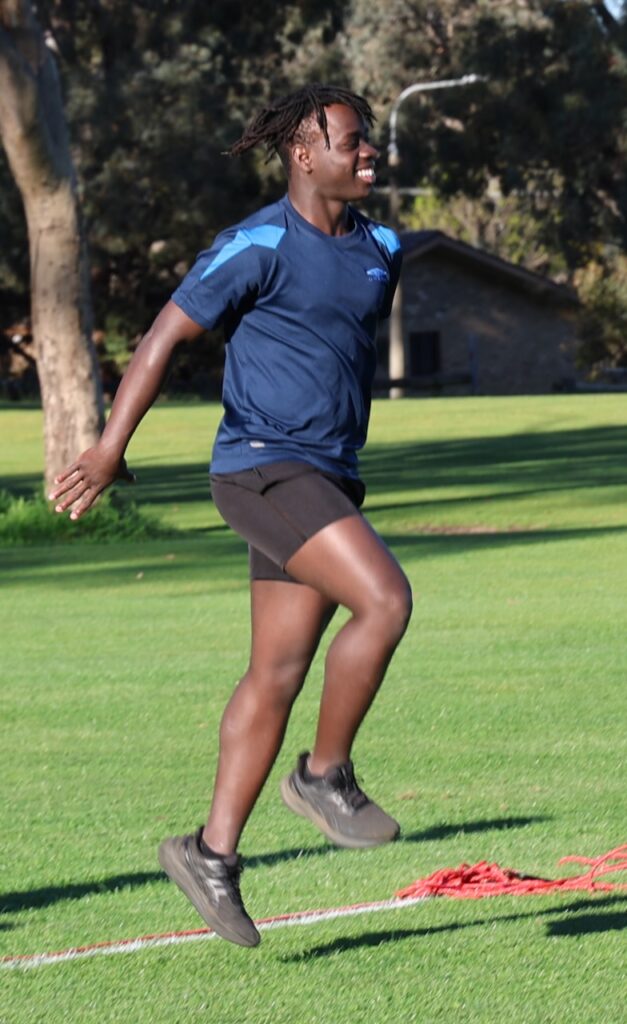
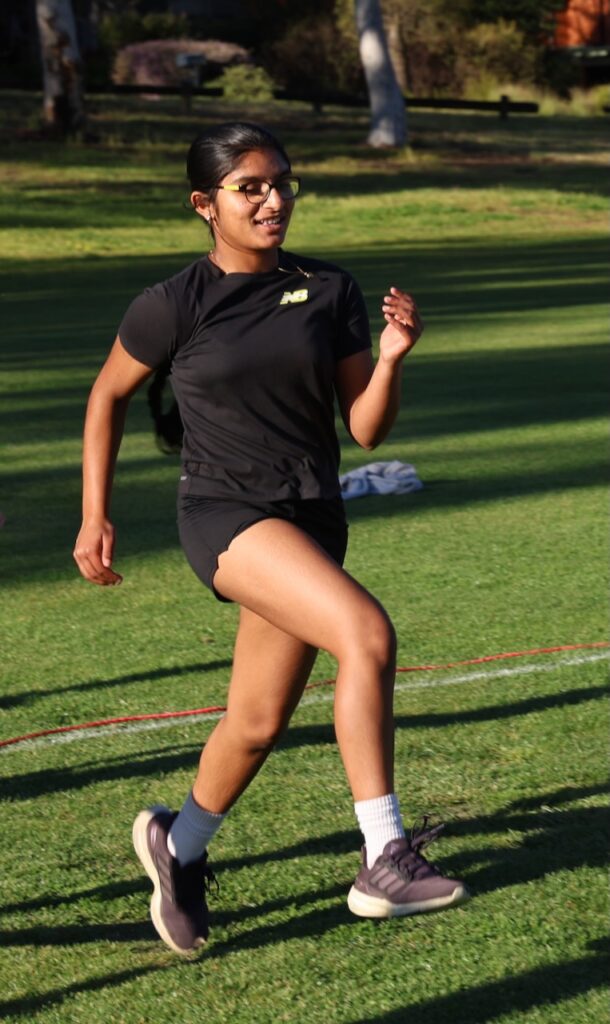
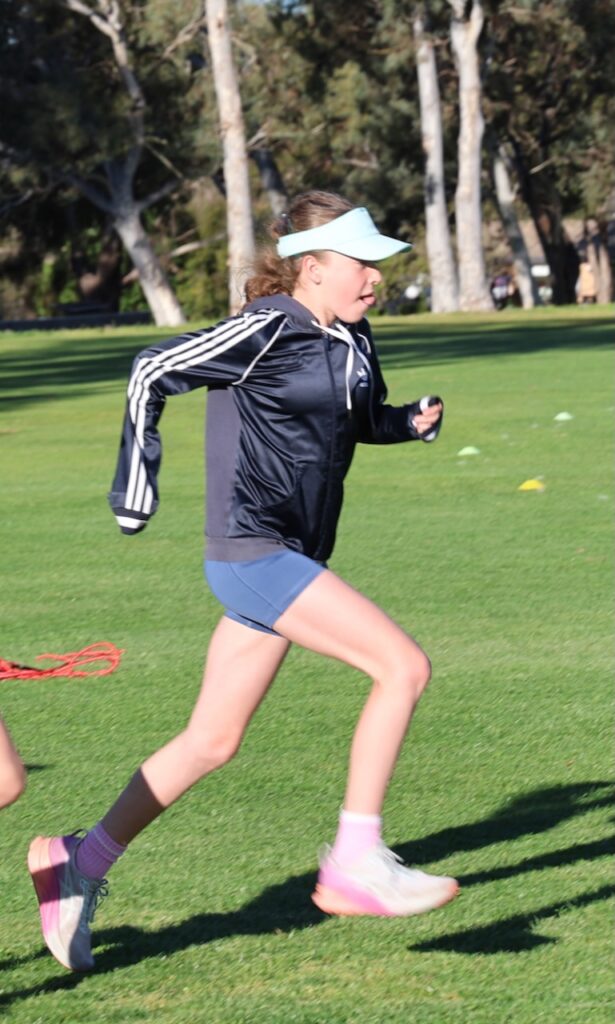
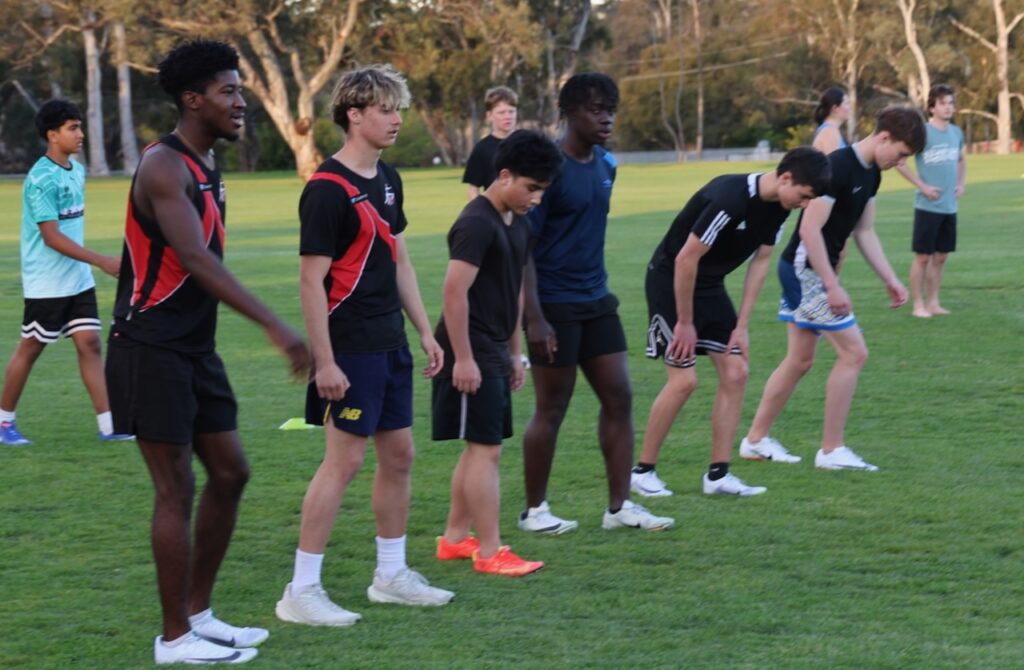
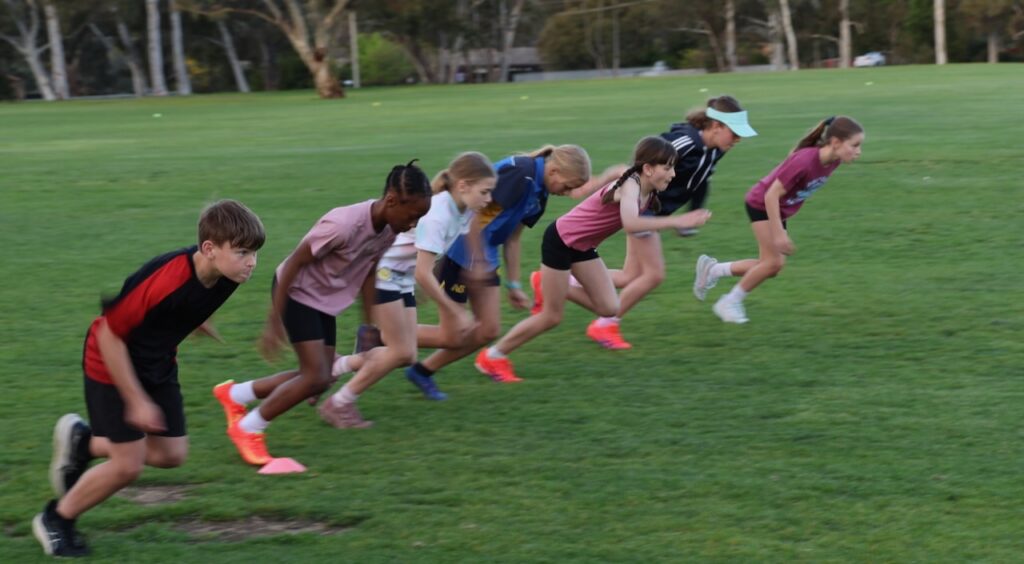
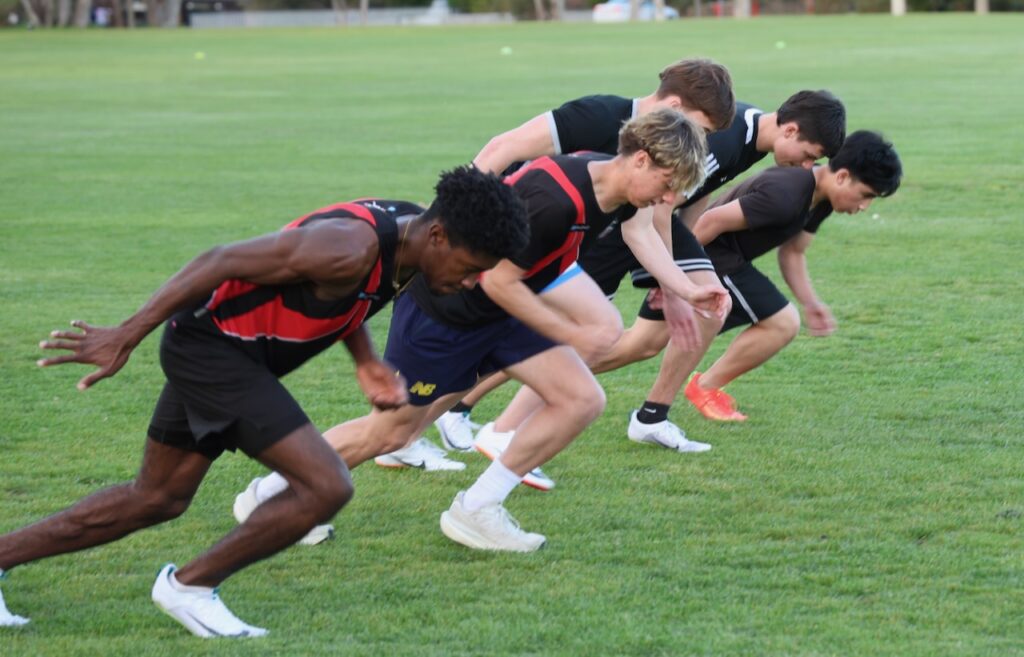
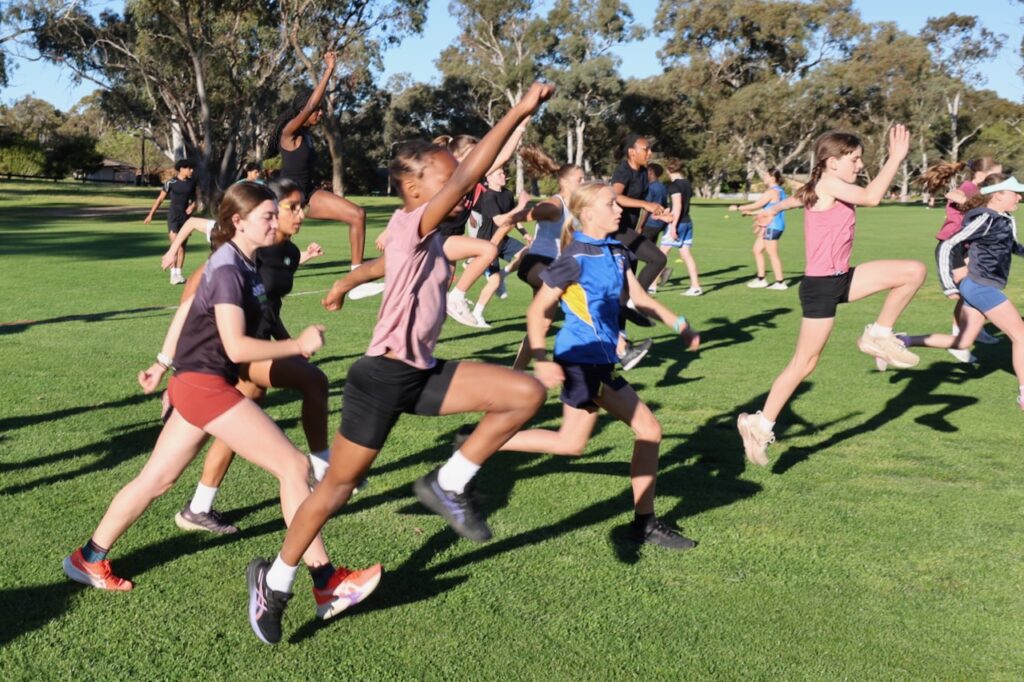
Athletes accelerating from blocks across the grass. Groups working through drills. Hurdles and equipment spread across the training area. Coaches moving between athletes. Conversations, encouragement and plenty of energy between repetitions.
There was a strong FAST presence on the oval.
Perhaps more importantly, there was a great atmosphere.
For all the disruption involved in moving training venues, our first session at Cook didn’t feel temporary. It felt like a squad establishing itself somewhere new.
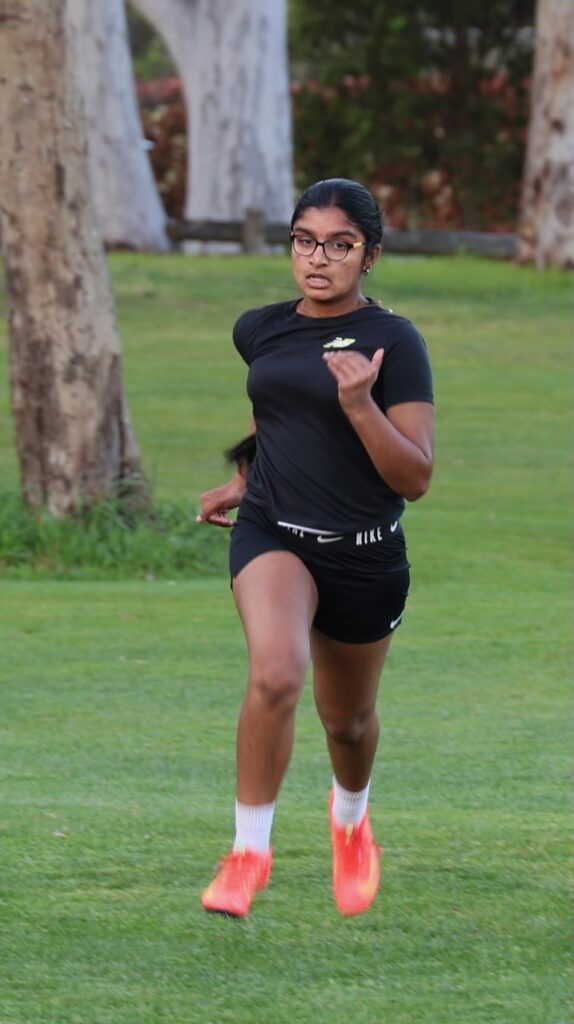
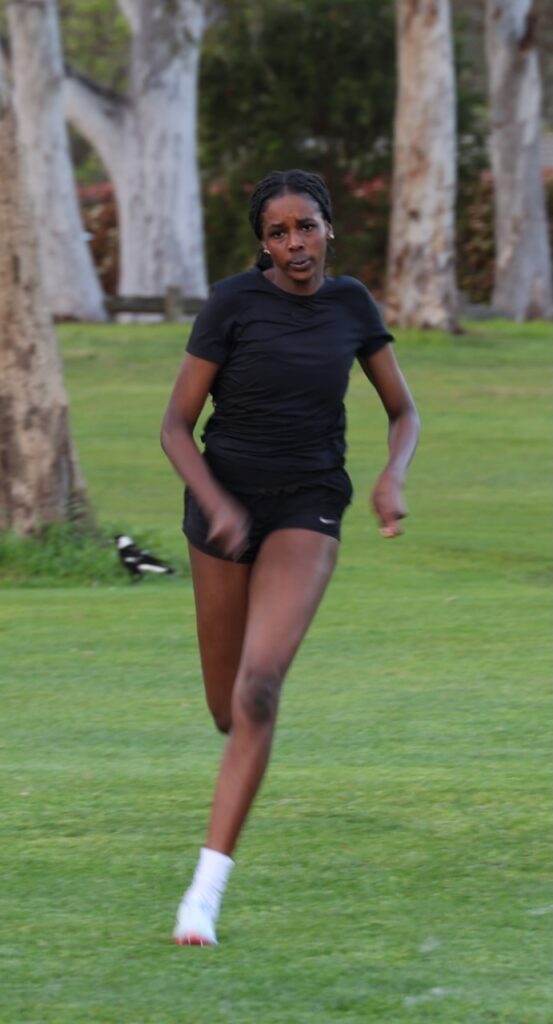
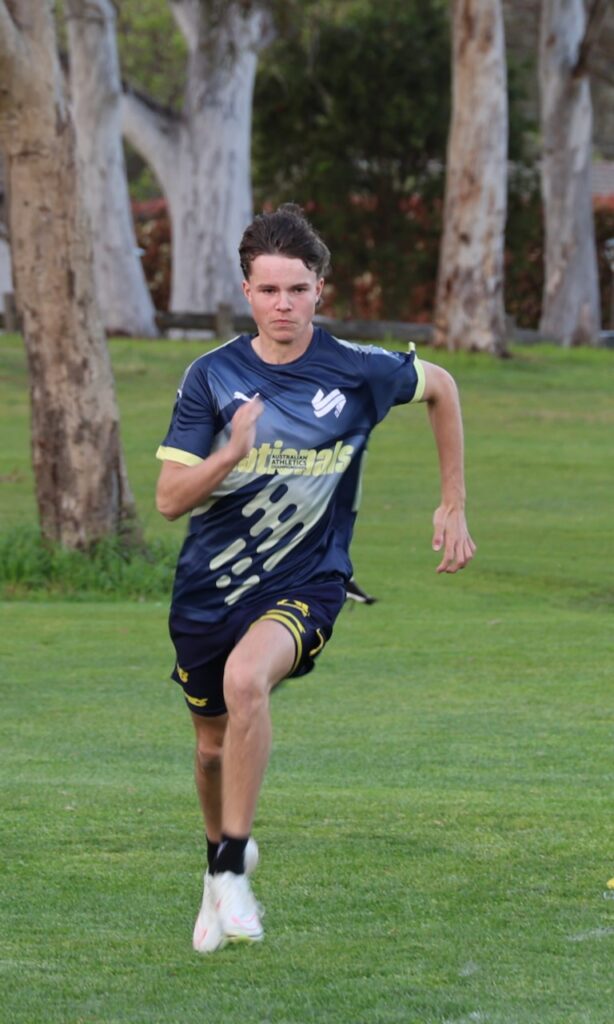
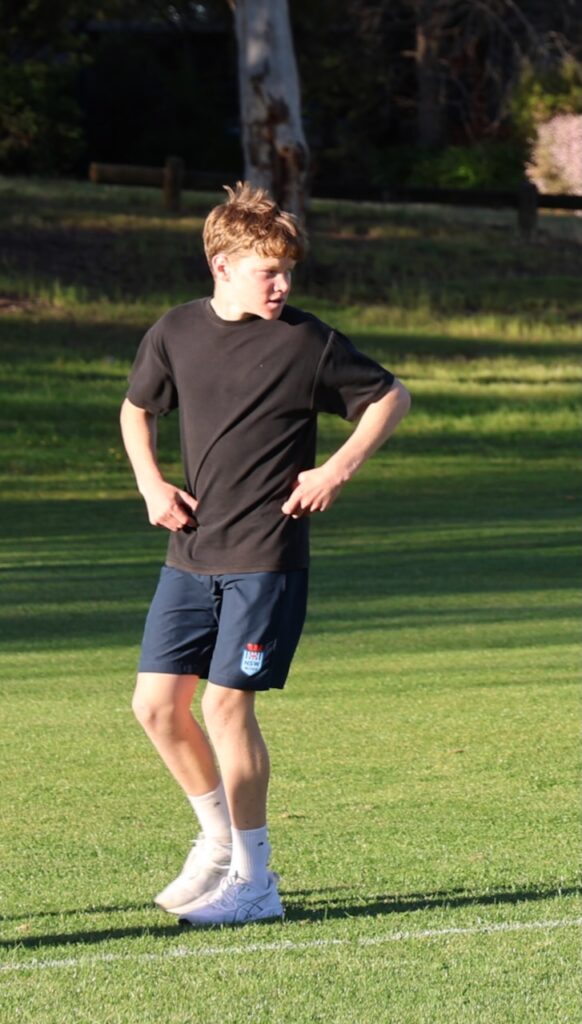
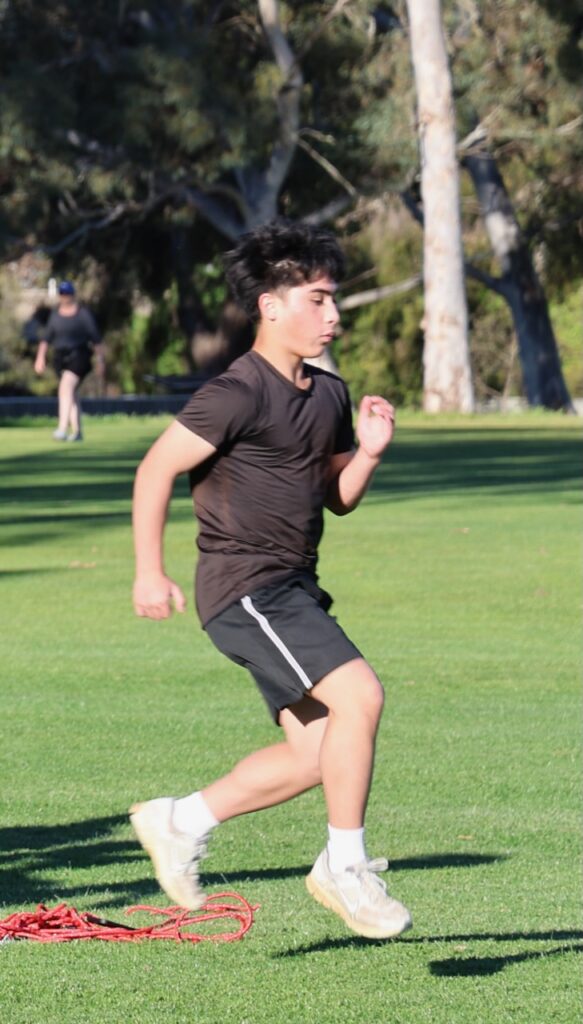
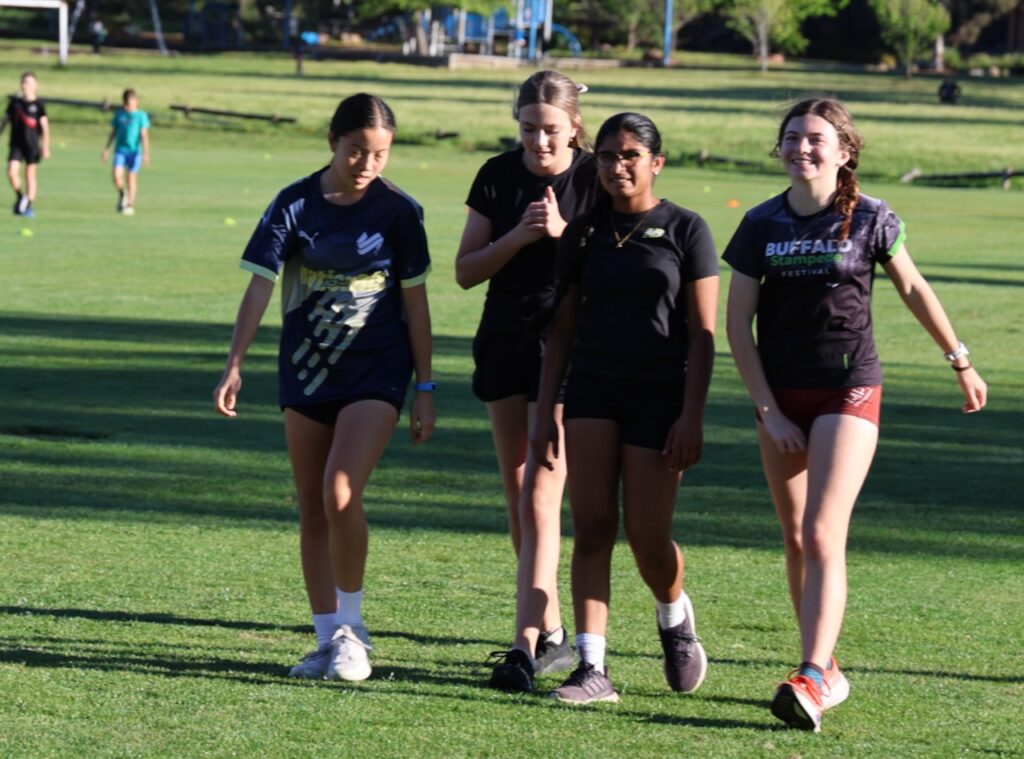
The photographs from the evening probably tell that story better than anything we could write. FAST athletes training together against a surprisingly beautiful backdrop, with the trees and surrounding hills giving the session a character quite different from the environment we had become accustomed to at the AIS.
Different doesn’t necessarily mean worse.
Sometimes it simply means different.
Something we built ourselves
There was also something satisfying about knowing that almost everything visible in the session had been brought there or created by our own coaching team.
The track markings had been put down only hours earlier.
The hurdles were ours.
The blocks were ours.
The jump boxes were ours.
The resistance equipment was ours.
But more importantly, the people were ours.
Athletes turned up ready to train. Coaches turned up ready to coach. Everyone adapted.
That matters.
Over the coming months we will continue learning how best to use Cook. Grass changes how we approach some sessions. The space creates different possibilities and different limitations. We will adjust distances, layouts and training content when necessary rather than trying to reproduce an athletics stadium on an oval.
The objective isn’t to make Cook into the AIS.
It is to make Cook work for our athletes.
More than a training venue
There was another quality to the evening that we don’t want to lose as we settle into our new surroundings.
It felt like a community.
A group of athletes and coaches occupying a shared piece of grass, setting up our own equipment and getting on with training.
There was less infrastructure around us, but somehow the FAST presence felt particularly visible.
That is worth remembering.
FAST Running has never really been about a building, a track or a particular postcode. Facilities matter. Good surfaces matter. Access to quality athletics infrastructure matters enormously, particularly as athletes progress.
But facilities alone don’t create a performance environment.
People do.
Coaches who care about what they deliver. Athletes who arrive wanting to improve. A squad that supports one another. Equipment chosen for a reason. Sessions built around development rather than simply filling time.
Those things can travel.
New surroundings. Same standards.
The move away from the AIS will require adaptation, and we aren’t going to pretend otherwise.
Cook will not replace everything we had.
But our first evening there demonstrated something important.
The surroundings can change without the purpose changing with them.
We can mark a track on the grass at lunchtime, unload our equipment in the afternoon and have athletes training seriously on it that evening.
We can create a strong performance environment while retaining the community that has always been an important part of FAST.
And perhaps that is the best way to begin this next chapter.
New surroundings. Same standards.
FAST Running isn’t a place. It’s a standard.
Running Excellence grows.
Comments are closed