
At the end of every championship, there’s a results sheet.
Times. Distances. Placings.
They tell you who was fastest, who jumped furthest, who stood on the podium.
But they don’t tell you how anyone got there.
And they don’t tell you what it took.
At FAST Running, we don’t measure performance by a single number. We look at the journey—because that’s where the real story sits. Junior Nationals in Brisbane wasn’t a collection of results for our athletes. It was a culmination of months of decisions, setbacks, adjustments, and growth.
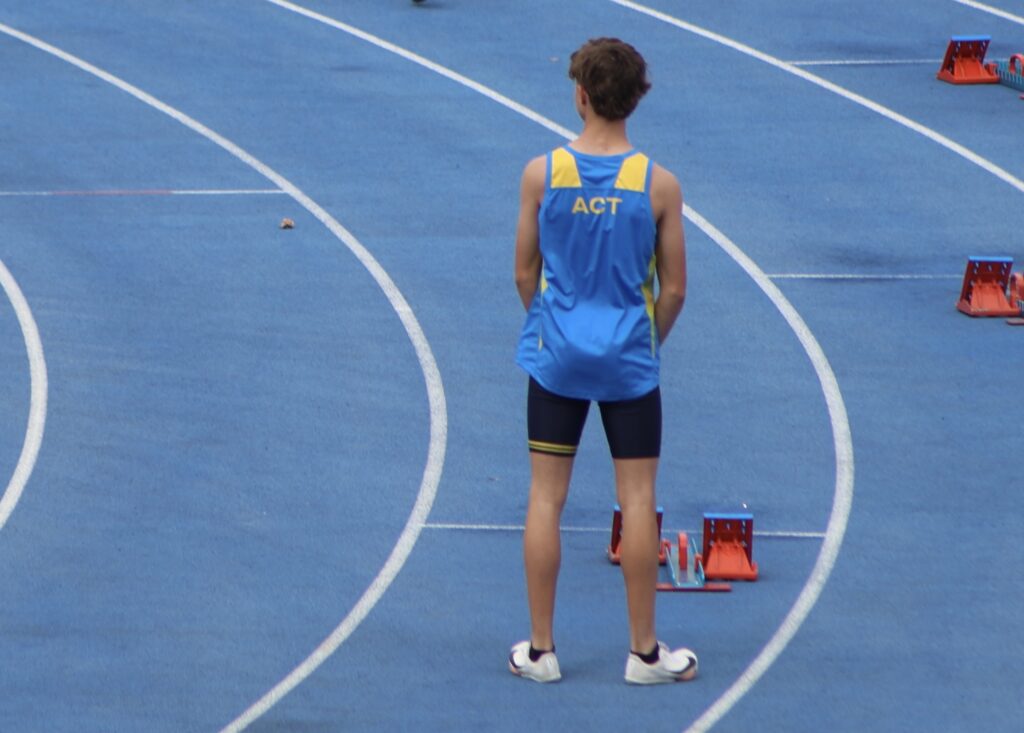
Each athlete arrived at that start line differently.
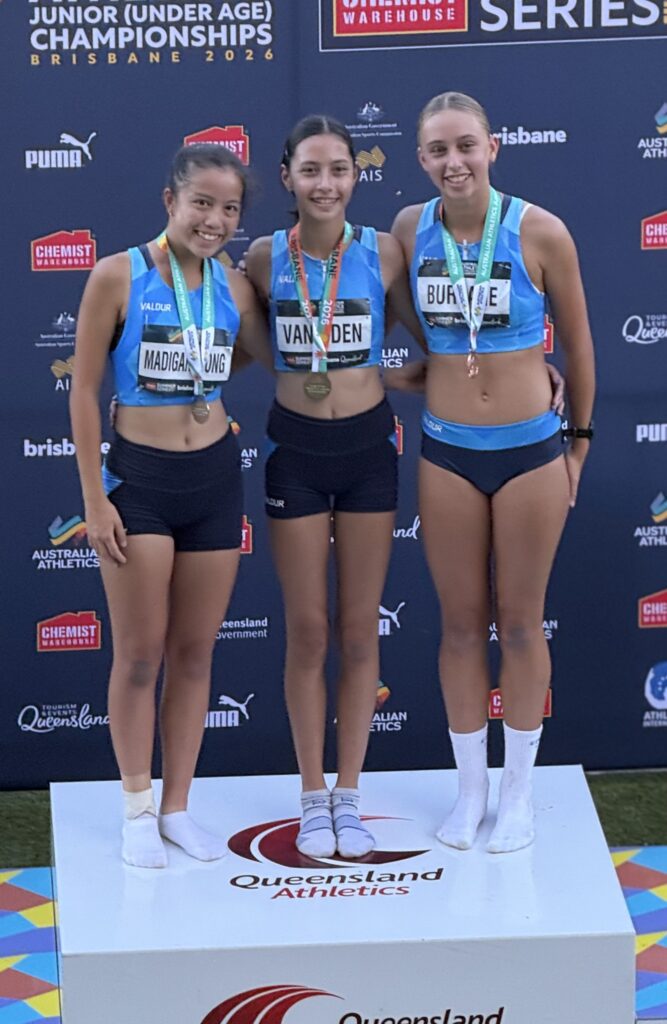
Bree Madigan Wong – Resilience and Execution
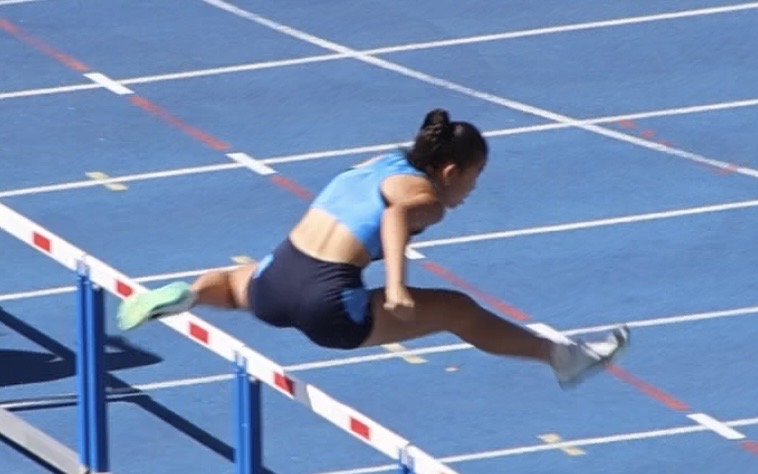
Bree’s season didn’t follow a straight line. A move across states, schools, systems, squads, and coaches would challenge any athlete. Add to that a pre-existing ankle injury from football, and the path became even more complex.
As her speed improved in the 100m, it changed her relationship with the hurdles. She was arriving faster—forcing technical adjustments mid-season. There were setbacks. There were baulks. There was an injury at ALAC earlier in the week.
But when it mattered, Bree delivered.
A flawless run. A 0.47s personal best. A silver medal.
Not defined by the medal—but by everything it took to execute when it counted.
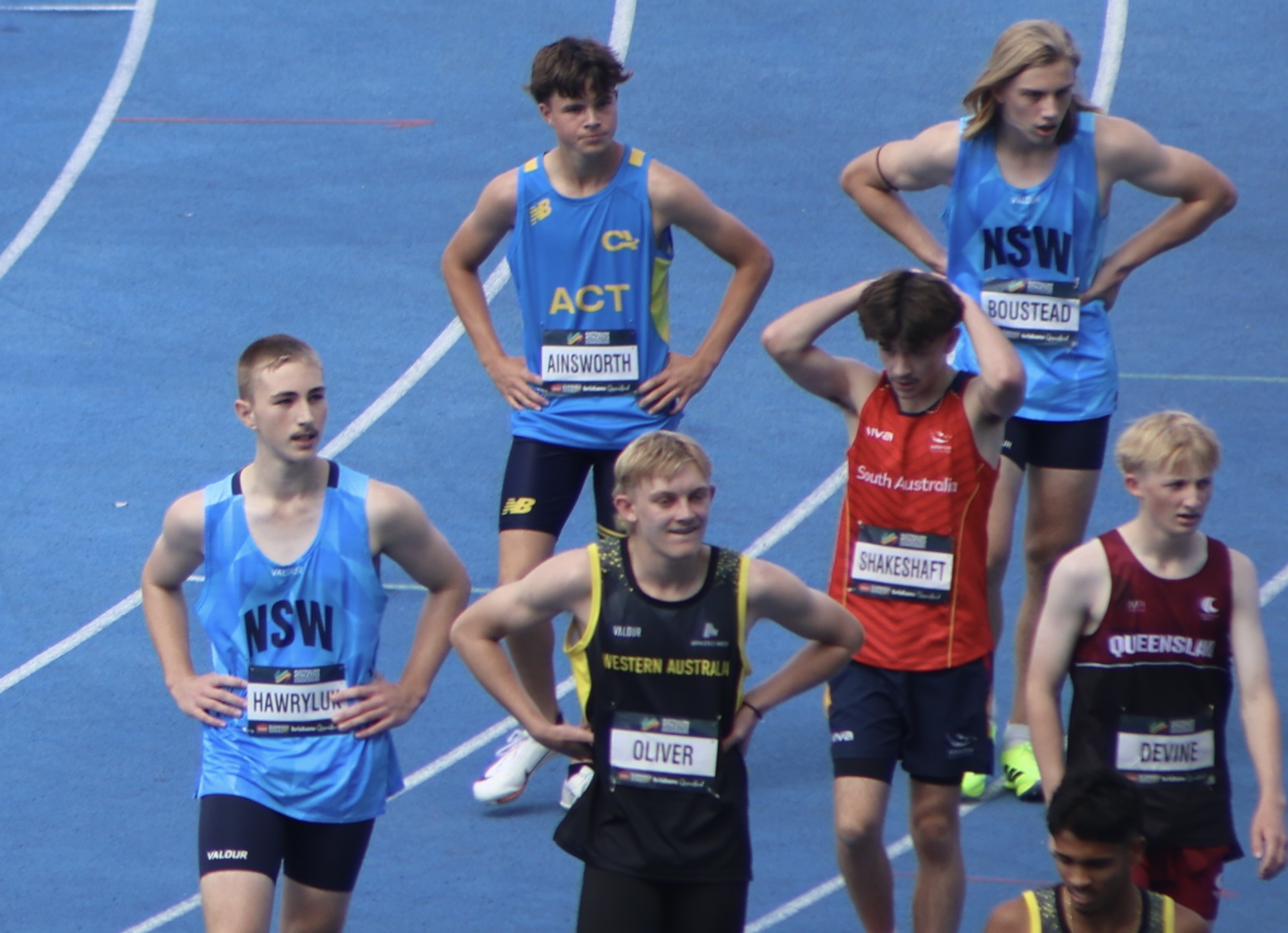
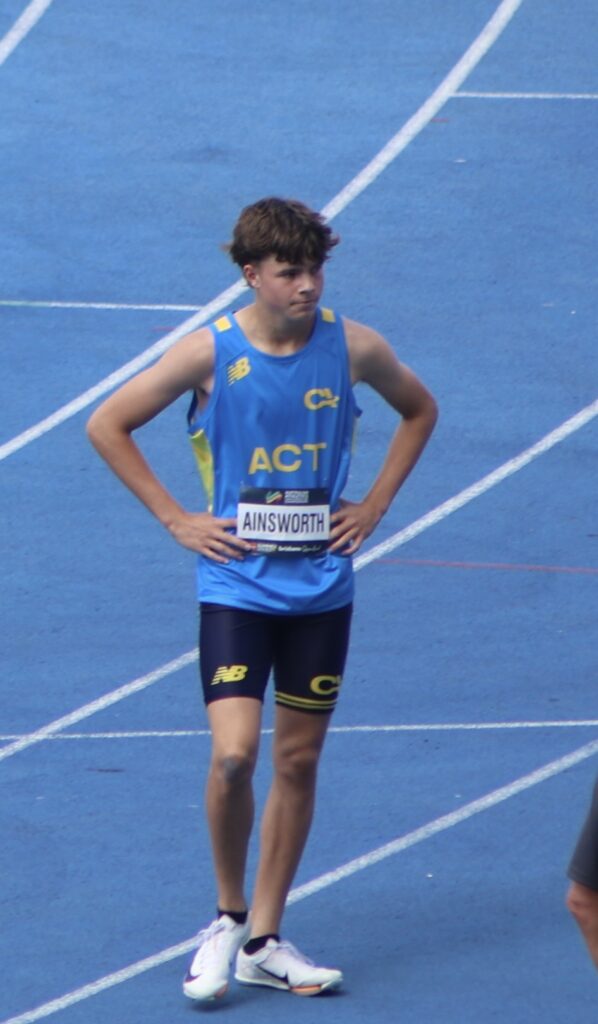
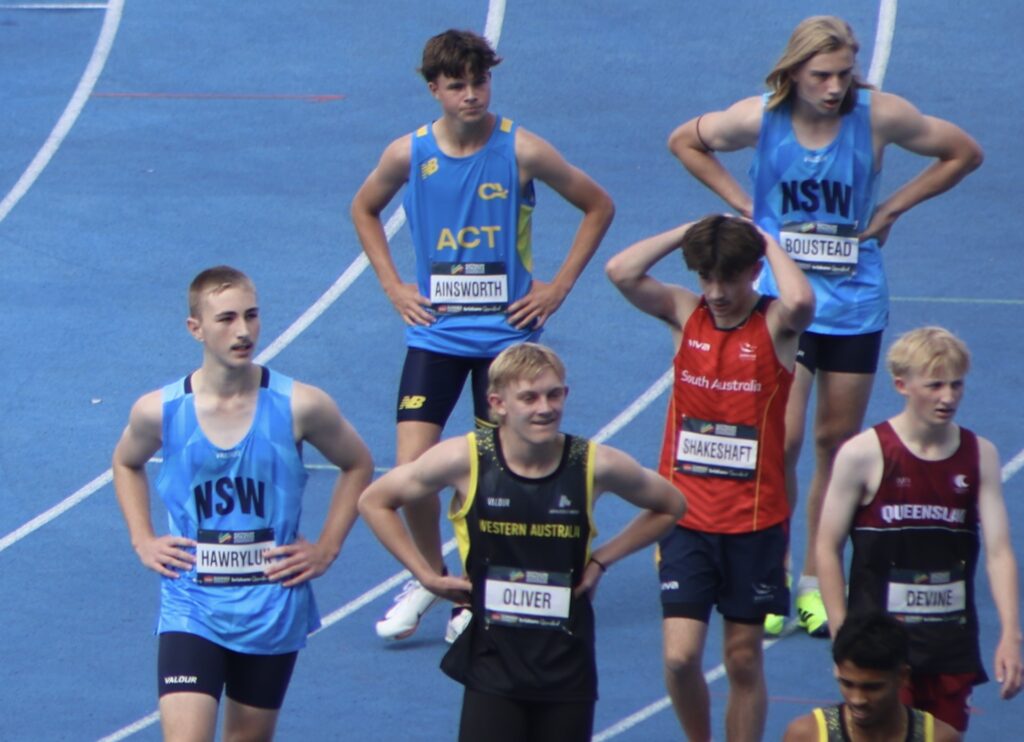
Lewin Ainsworth – Decisions and Growth
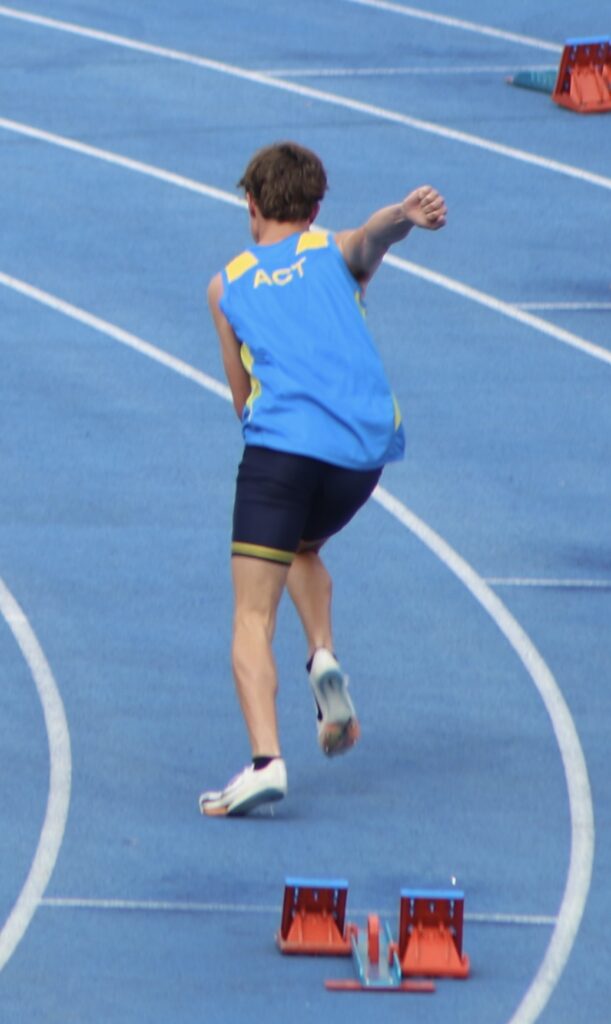
Lewin took on the challenge most avoid—competing across the 100m, 200m and 400m.
His winter built speed across all three, and at ACT School Championships he attempted to qualify in each event on the same day. But in the 400m, a timed final caught him out. Chasing position instead of time cost him qualification.
A hard lesson.
At All Schools, he reset as a 100m–200m athlete and performed—until a grade two hamstring tear in his final race ended his campaign.
Seven weeks later, he returned. Not fully ready. The 100m and 200m weren’t at his level—but the 400m produced a personal best.
Then came the decision: chase all three again, or commit.
He chose the 200m–400m.
At Junior Nationals, that clarity showed—0.5s in the 200m and 3.5s in the 400m. His improved speed carried through, but more importantly, so did his understanding of what it takes to perform.
Sam Ainsworth – Finding His Event
For Sam, the season was about identity.
Working hard but not quite hitting the standards in the 100m and 200m, he was searching for where he fit. His background as a multi-event athlete—highlighted by a strong 800m—showed he had the tools, but not yet the outlet.
That changed over the hurdles.
Breakthrough performances at ALAC in both the 80mH and 200mH shifted his belief. And that confidence translated—twice running faster in the 200m during the week than he had just months earlier at ACT Underage Championships.
By the end of the campaign, Sam had his answer.
Hurdles was his event.
And his growth extended beyond his own races. In the moments before Bree’s final, it was Sam she turned to—calm, composed, and grounded. His presence helped her block out the noise and deliver.
That’s what real confidence does—it lifts others.
Sam Blood – Learning the Standard
Twelve months ago, Sam was a basketball player.
He found sprinting quickly—and success came with it. By September, he had secured a 100m spot at All Schools, building a strong rivalry with teammate Daniel that accelerated his development.
But elite performance demands more than talent.
A Christmas break extended too long left him underprepared for ACT Championships. He still qualified—but lost his top-two position. A shift toward the 200m followed.
Then came disruption. A school trip. Time on the water. And finally, a surfing accident that left him with a deep ankle cut requiring stitches—two weeks out from Junior Nationals.
No taper. No ideal preparation.
He still stepped on the line.
The wound hadn’t fully healed. Pain and bleeding were part of the reality. And yet, he delivered—just outside his personal best in the 200m.
For Sam, this season wasn’t just about discovering sprinting. It was about understanding what it takes to sustain it.
Daniel Nwaobi – Maturity Under Pressure
Daniel’s season will be remembered for breakthrough performances—twice running sub-11 and finishing fourth at All Schools.
But the reality behind it was more demanding.
Ongoing hip and mobility limitations required constant management. His preparation became highly individualised, with regular intervention just to keep him moving at his best.
A renewed focus on max velocity leading into Nationals saw him re-establish himself as the fastest U18 sprinter in the ACT across both the 100m and 200m.
Then, one week out from Junior Nationals, he strained his hamstring.
He still travelled. Still competed. Still made the 200m final.
But in the defining moment of his season, Daniel chose not to run it.
A decision to protect his future over chasing a result.
That level of self-awareness is rare. And it says more about his trajectory than any time ever could.
Brooklyn Montana – Choosing the Sport
Brooklyn’s season was a constant balancing act.
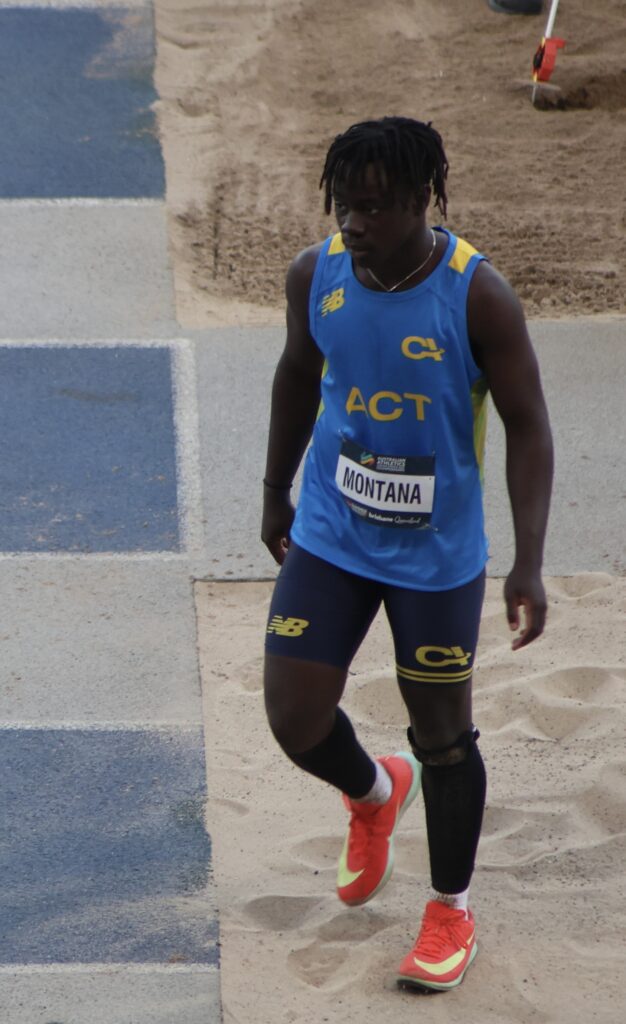
Coming from a soccer background, chronic knee soreness followed him into one of the most demanding events in athletics. Triple jump placed repeated stress on an already compromised system.
Week after week, he managed it—working closely with physio and medical support just to stay in contention.
Two weeks out from Nationals, the approach escalated. Shockwave therapy. Laser treatment. Interventions that come with their own risks and recovery timelines.
It wasn’t a perfect lead-in. It was a calculated effort just to compete.
And while Nationals didn’t produce his best jump, that’s not what defines his season.
What matters is what he learned—and the decision that followed.
Athletics is now his focus.
The Result Behind the Results
Junior Nationals wasn’t the end point.
It was a checkpoint.
For some, it confirmed direction. For others, it revealed what still needs work. For all, it reinforced a simple truth:
Performance is never just a time, a distance, or a placing.
It’s the decisions made when no one is watching.
It’s the setbacks that force change.
It’s the ability to show up anyway.
These are the stories that don’t appear on results sheets—but they are the ones that matter most.
For those following along, and for those still waiting for their turn—
This is what the journey looks like.
Running Excellence.

Comments are closed