
Last weekend presented a familiar challenge.
With the AIS Track unavailable, we had a decision to make: cancel, compromise, or adapt.
At FAST Running, adaptation is never an afterthought — it’s part of our identity.
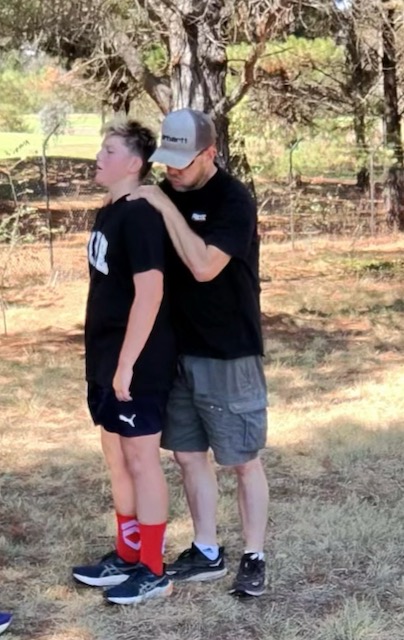
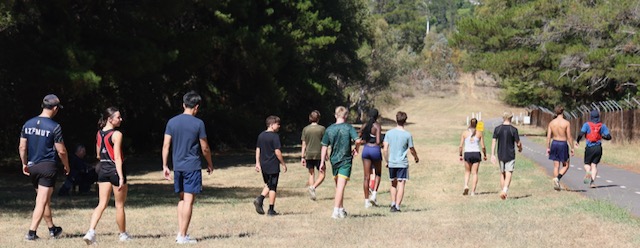
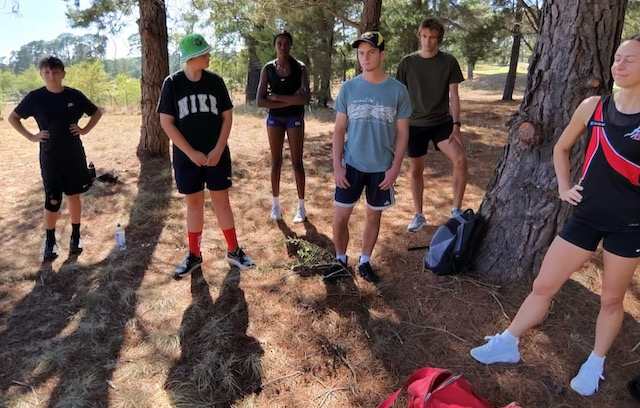
Rather than defaulting to a top-down solution, we brought the athletes into the conversation. We asked where, when, and how we could train in a way that still enhanced performance heading into the Capital Athletics Underage Championships. That consultation wasn’t about giving up coaching responsibility — it was about building ownership, understanding, and trust.
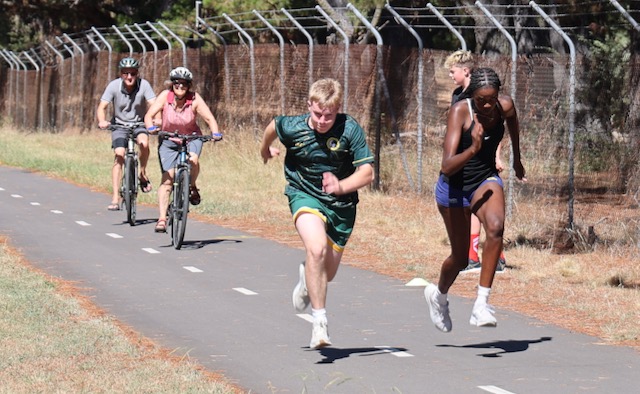
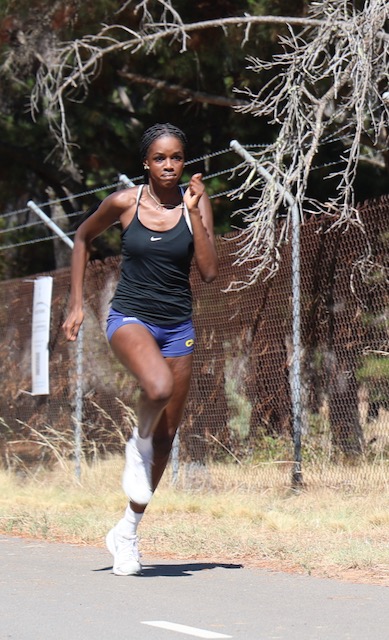
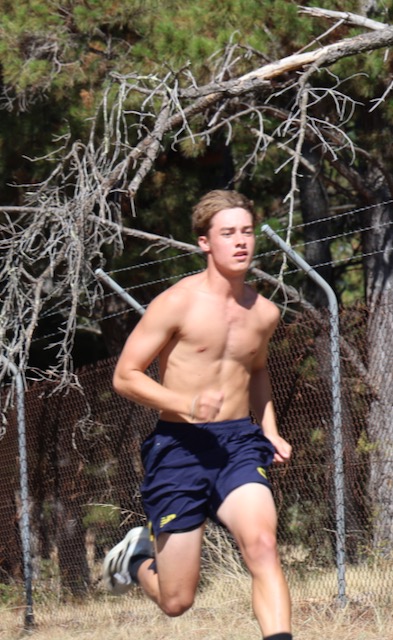
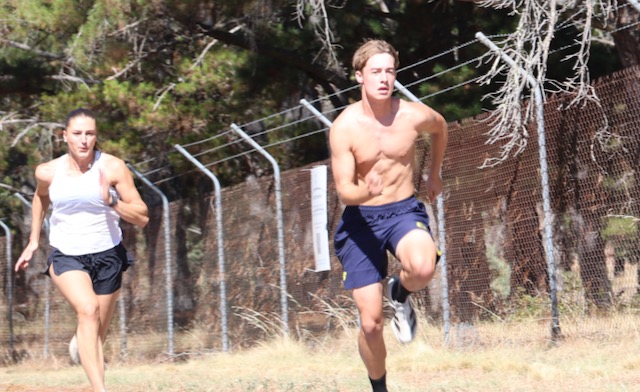
The group settled on Governor-General’s Hill. Not because it was convenient, but because it offered something valuable.
Programming With Purpose
The session wasn’t a replacement for track work — it was a deliberate performance-aligned alternative.
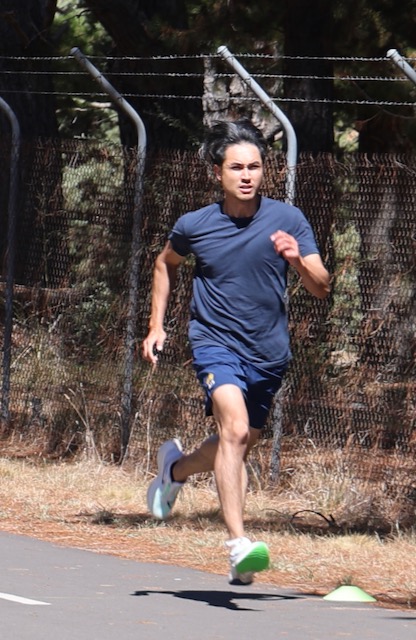
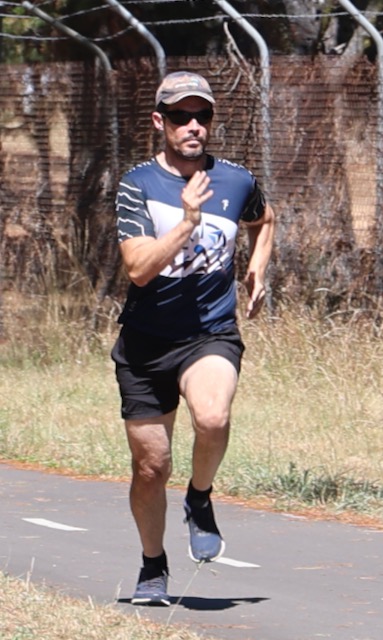
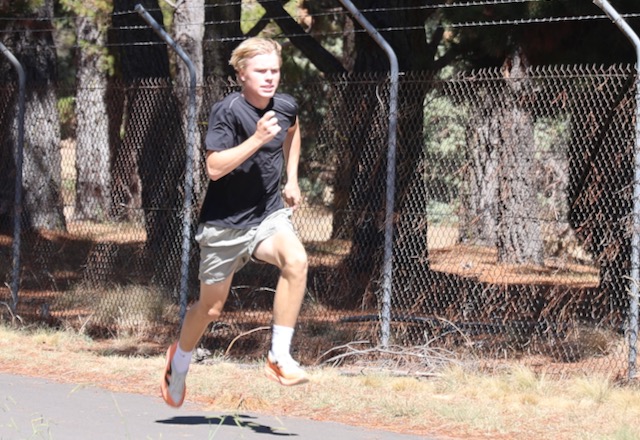
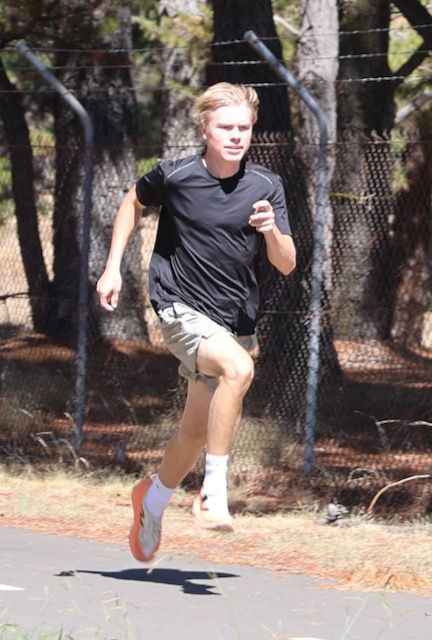
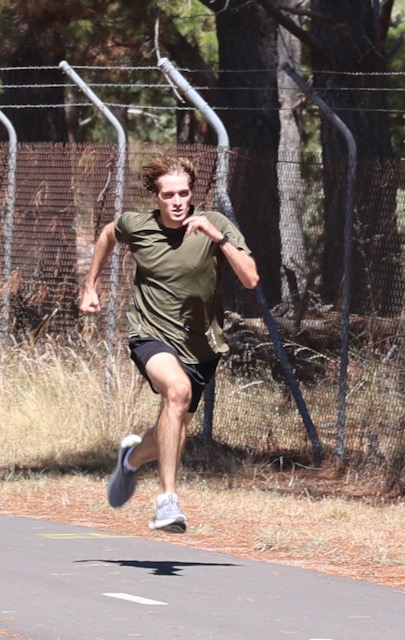
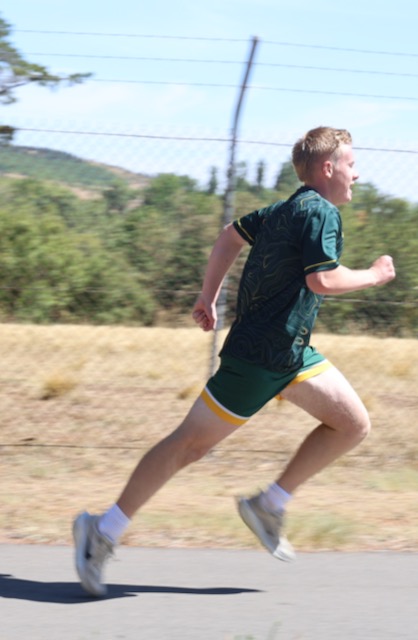
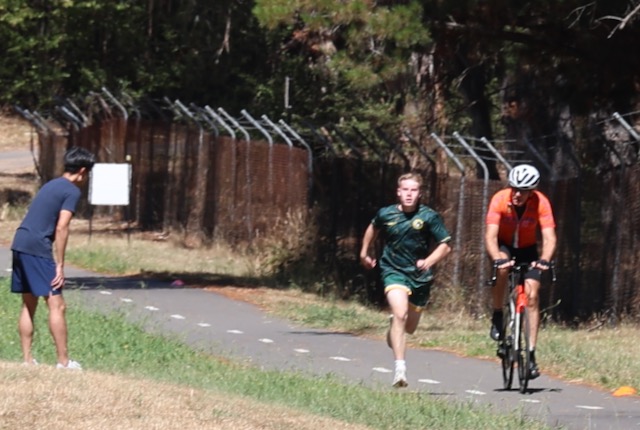
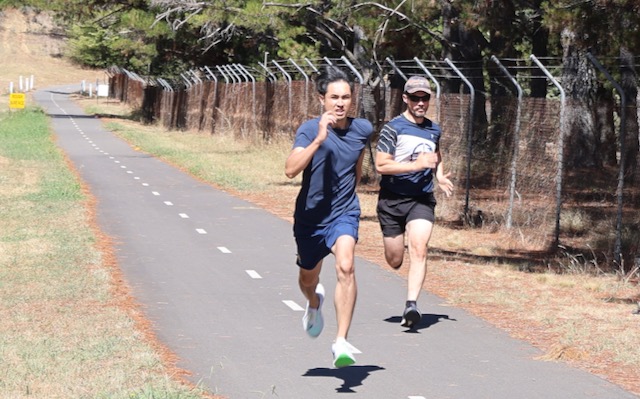
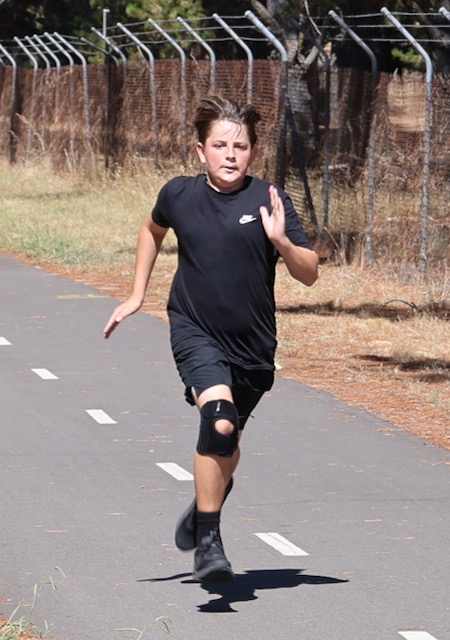
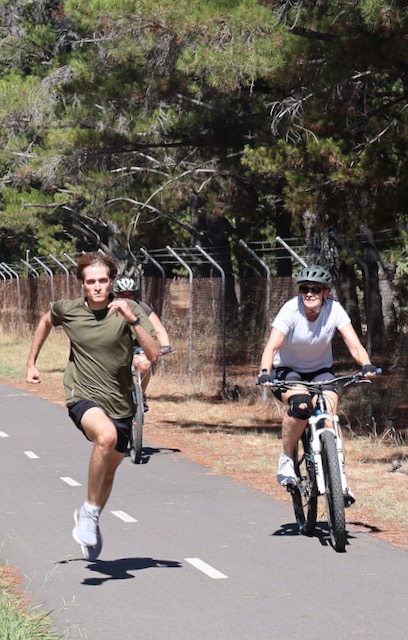
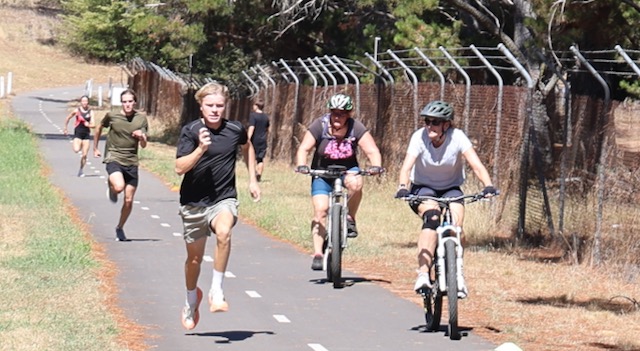
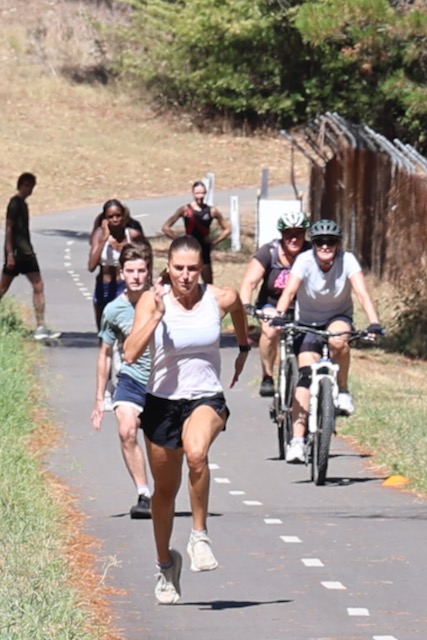
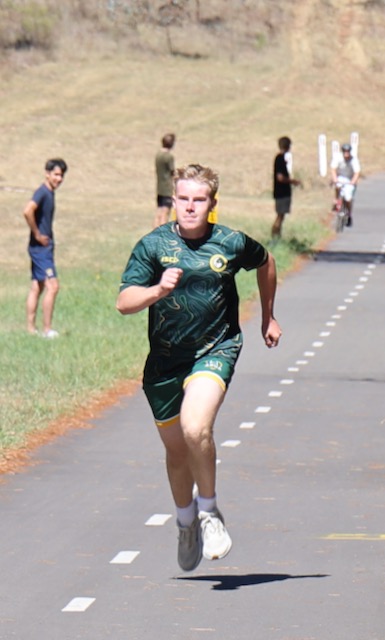
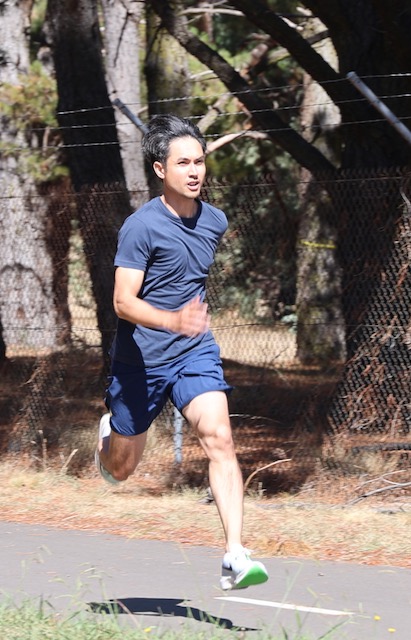
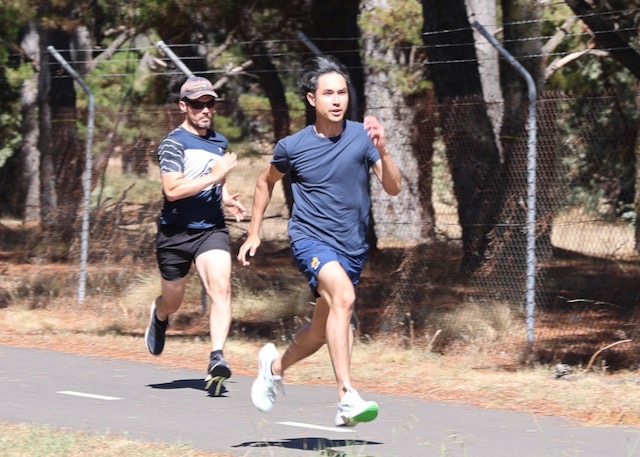
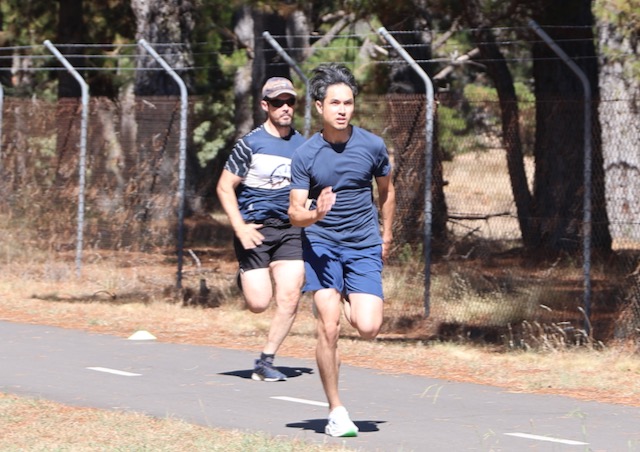
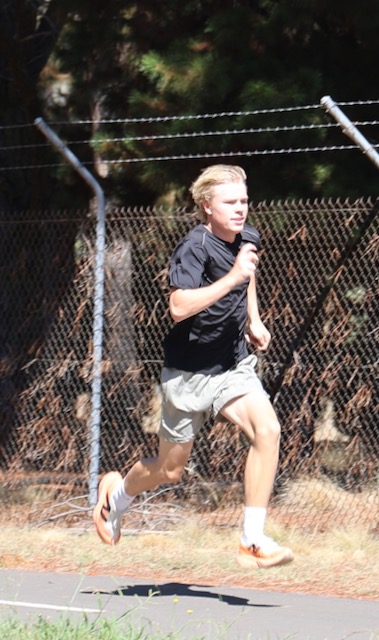
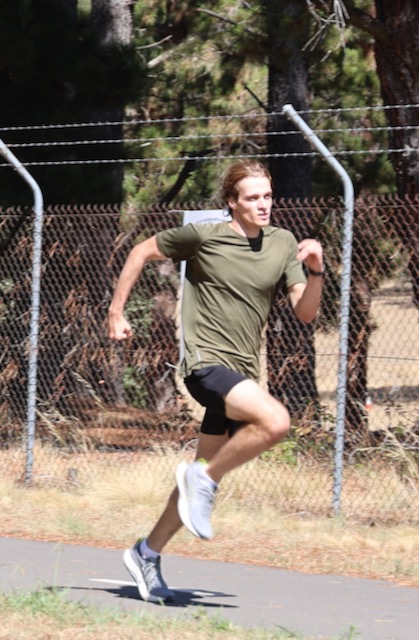
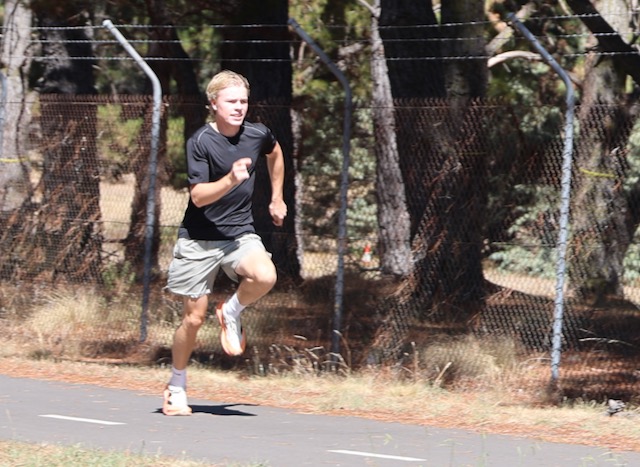
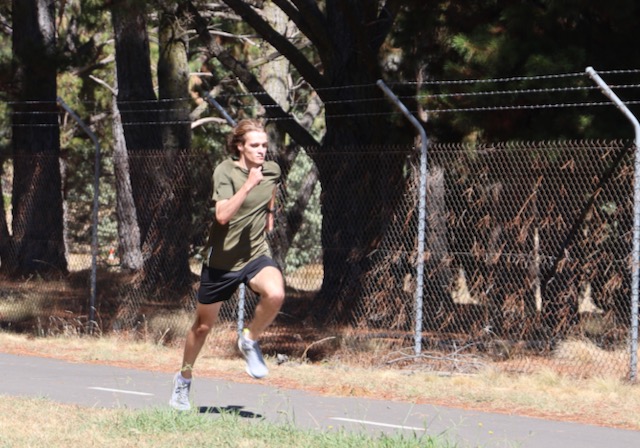
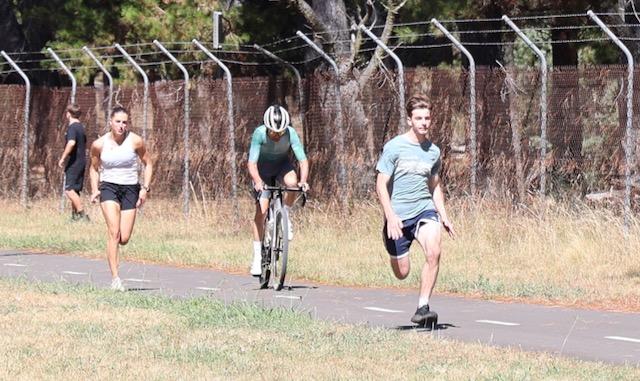
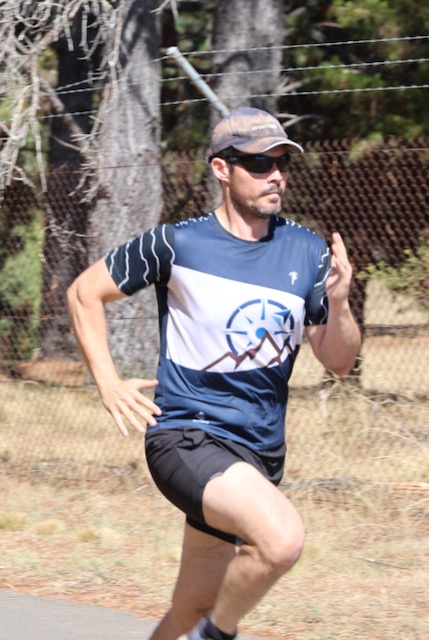
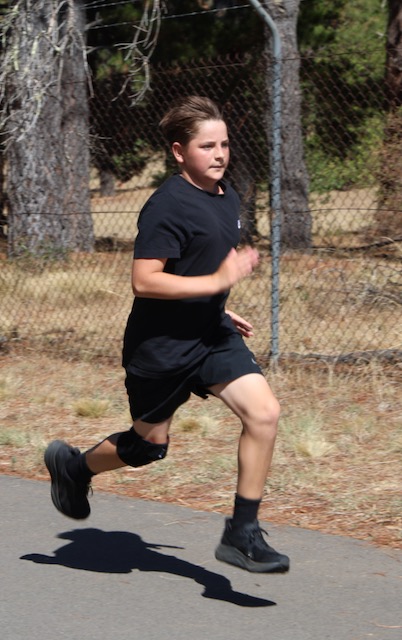
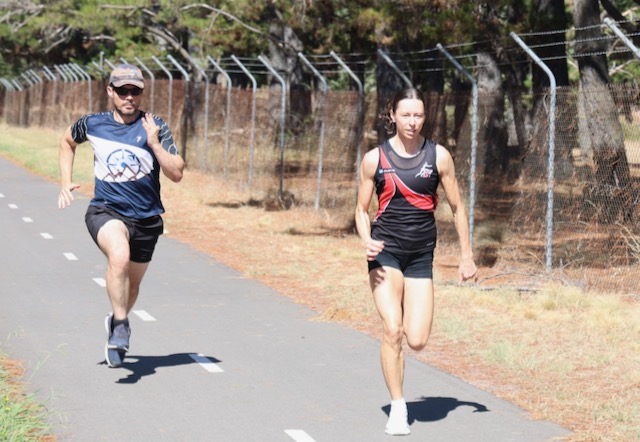
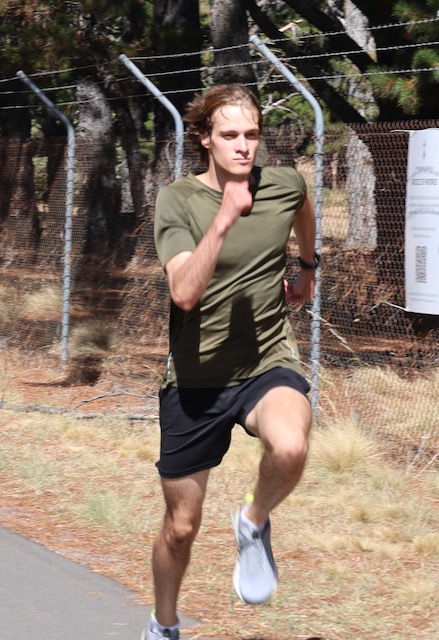
Using the natural incline, athletes worked uphill with intent and control. Passing cyclists unintentionally became moving targets — external cues that encouraged rhythm, posture, and competitive focus without forcing mechanics or chasing artificial speeds. The hill constrained over-striding, reinforced projection, and allowed athletes to run fast without the risks that often come with flat maximal sprinting close to competition.
This is what athlete-first looks like at a programming level:
- Safety without softness
- Intensity without recklessness
- Engagement without chaos
Every decision was filtered through one question:
Does this improve our chances of performing well this weekend?
Why This Matters to FAST
Athlete-first doesn’t mean athletes decide everything.
It means they understand why decisions are made — and are trusted enough to contribute meaningfully.
By involving the squad:
- Athletes took ownership of the solution
- Buy-in increased instantly
- Confidence rose, not just fitness
More importantly, it reinforced a key FAST belief: excellence is adaptable. Tracks close. Weather changes. Competitions don’t wait. The athletes who thrive are the ones who can stay calm, stay focused, and still execute quality work under imperfect conditions.
The FAST Difference
Plenty of programs train hard.
Fewer train intelligently.
Even fewer teach athletes how to think, adapt, and own their preparation.
This session was not a compromise — it was a demonstration of what FAST values:
- Athlete trust
- Smart constraints
- Performance-led decision making
- Shared responsibility for outcomes
As we head into Championships, the message is clear:
Preparation is not about perfect conditions. It’s about making the most of the conditions you have — together.
That’s athlete-first.
That’s FAST.

Comments are closed