
Sprint coaching for athletes who don’t need to become sprinters — they need to become faster players
Speed changes sport.
It can be the difference between reaching the ball first or arriving second. Creating separation or being closed down. Getting back into defence or watching the play disappear ahead. And in many sports, those moments happen repeatedly.
Yet young athletes can spend years developing the technical and tactical skills of their chosen sport without ever being taught how to run fast.
That is where FAST for Sport comes in.
Available on both the north and south sides of Canberra, FAST for Sport brings the principles we use in sprint coaching to athletes from field, court and other sports.
The objective isn’t to turn footballers, hockey players, netballers or AFL players into track sprinters.
It is to make them faster athletes for their sport.
Running is a skill
Children learn how to kick, pass, shoot, tackle, change direction and execute the technical skills required by their sport.
Running is often treated differently.
Young athletes are regularly asked to sprint without necessarily being taught how to accelerate effectively, how to organise their body as speed increases or how to move efficiently at higher velocities.
We see running differently.
Running fast is a skill — and skills can be coached.
Our coaches look at how an athlete accelerates, where and how they apply force, their posture, rhythm, coordination and what happens to their technique as they approach higher speeds.
We use the principles of elite sprinting, but we don’t simply give sporting athletes a sprinter’s training program.
We take those principles and apply them to the demands of their sport.
From elite sprinting to sporting speed
A 100m sprinter and a footballer don’t have the same competitive demands.
Neither do a hockey player, netballer, rugby player or basketballer.
But there are qualities that transfer.
The ability to accelerate effectively matters. So does producing force quickly, controlling posture, developing good running mechanics and becoming comfortable moving at speed.
For many sporting athletes, the first few metres are particularly important.
Their race might be five metres to a loose ball, ten metres into space or twenty metres trying to break away from an opponent.
That means we aren’t simply interested in an athlete’s maximum speed.
We want to improve usable speed.
What does FAST for Sport training look like?
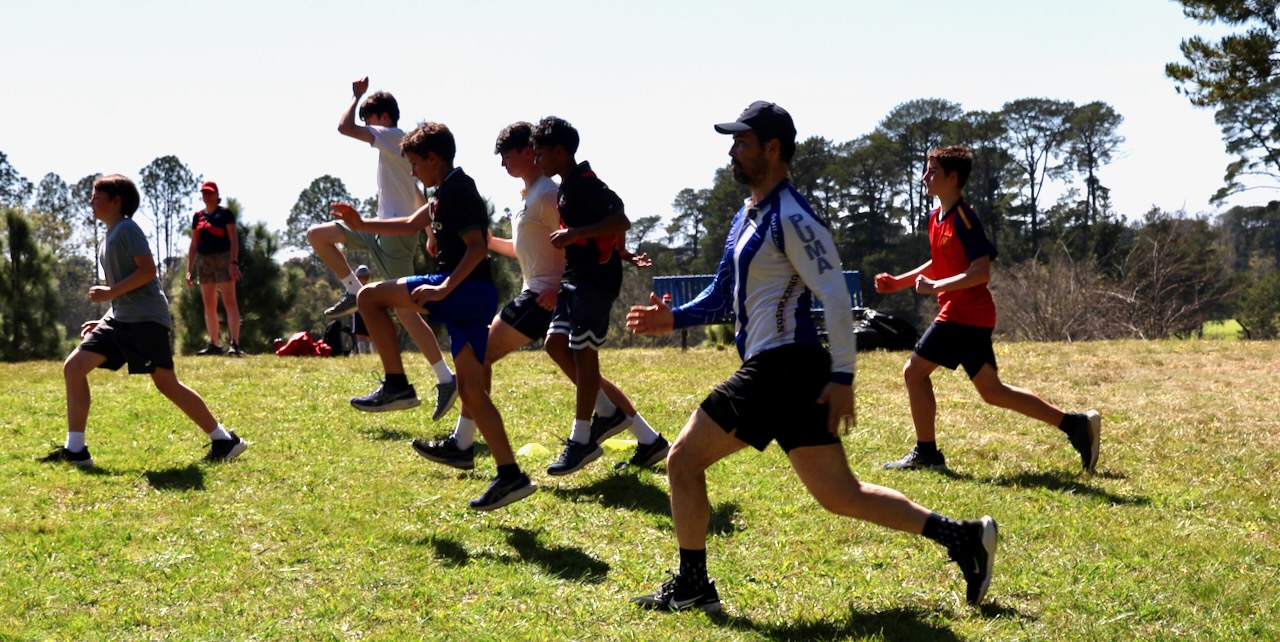
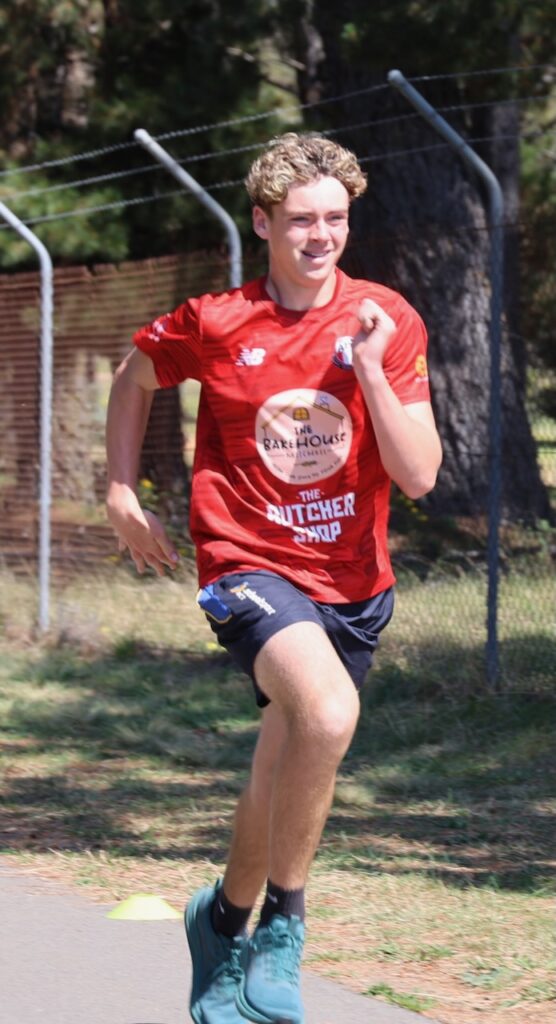
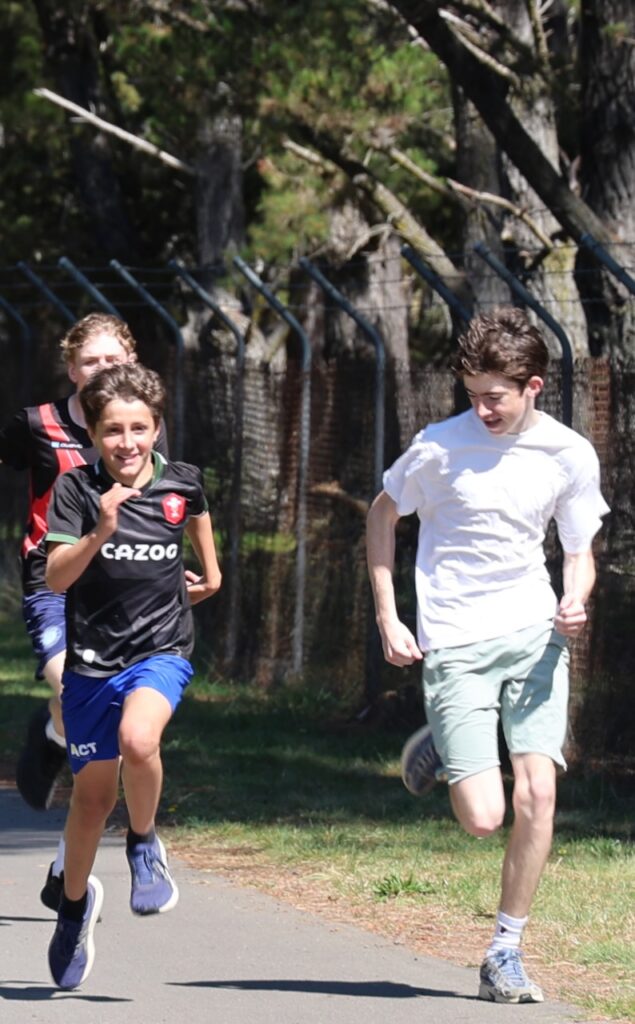
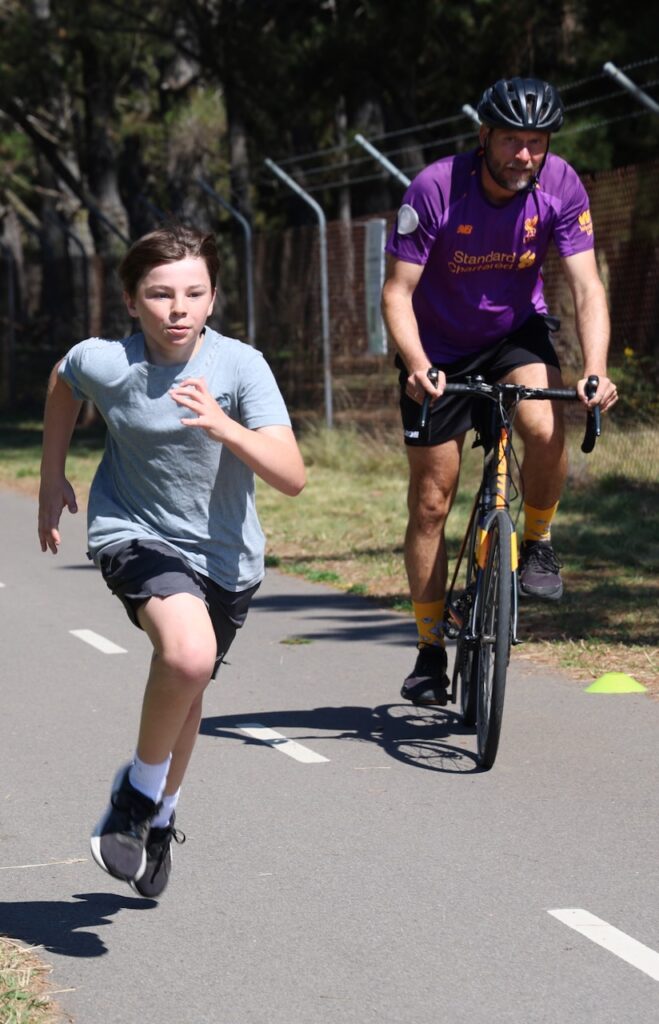
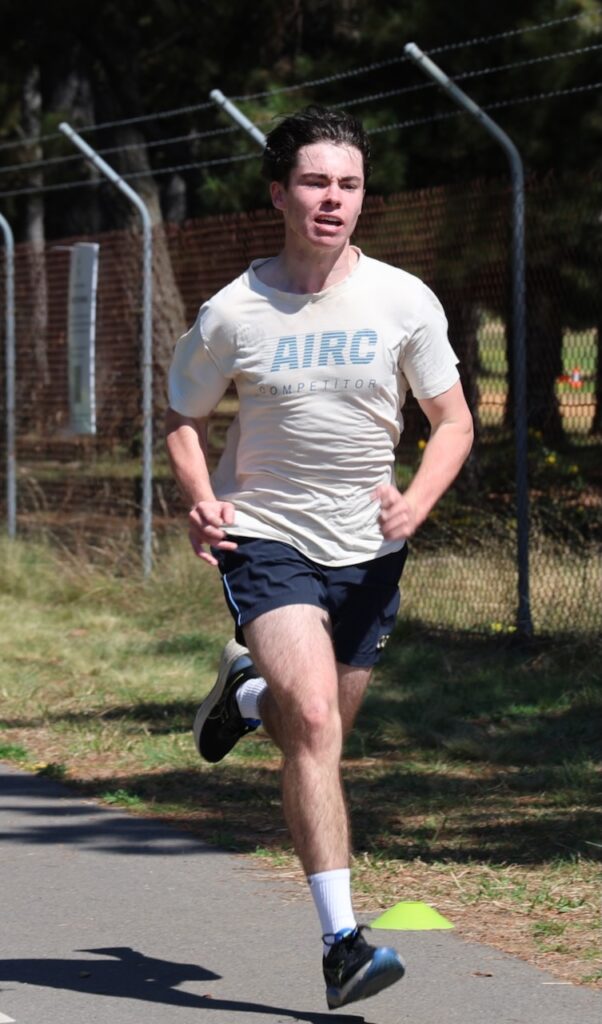
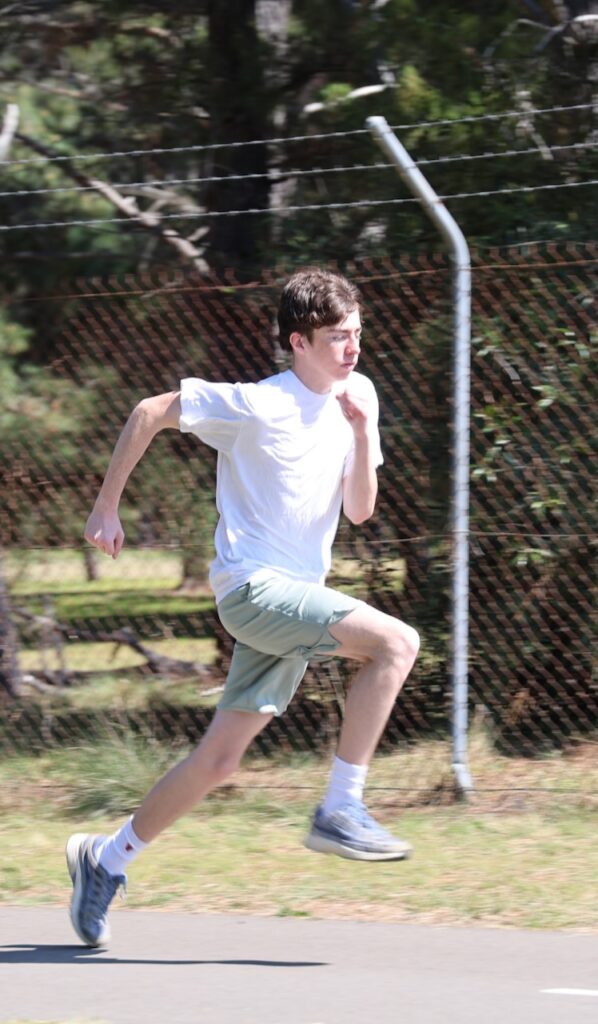
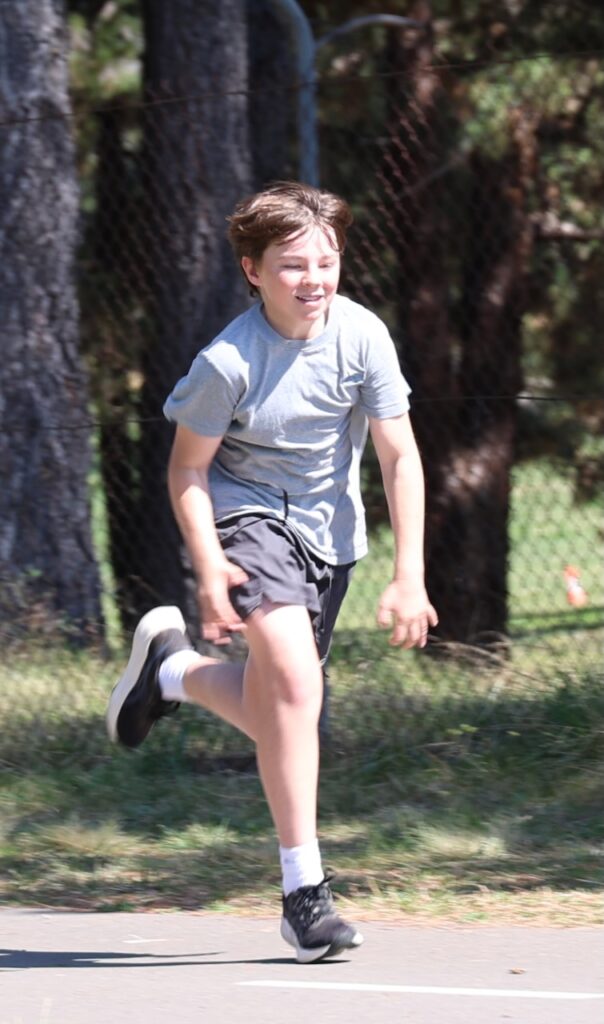
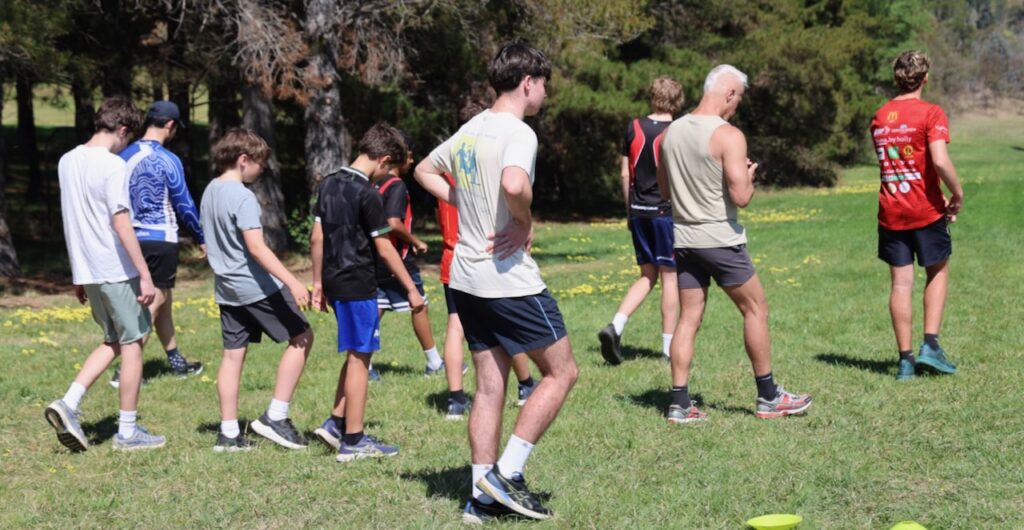
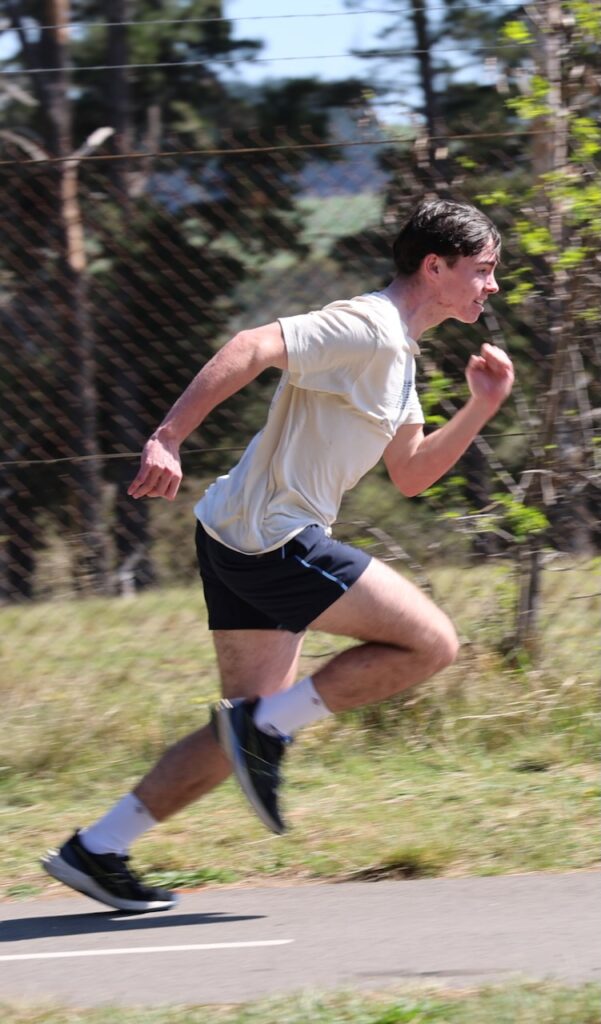
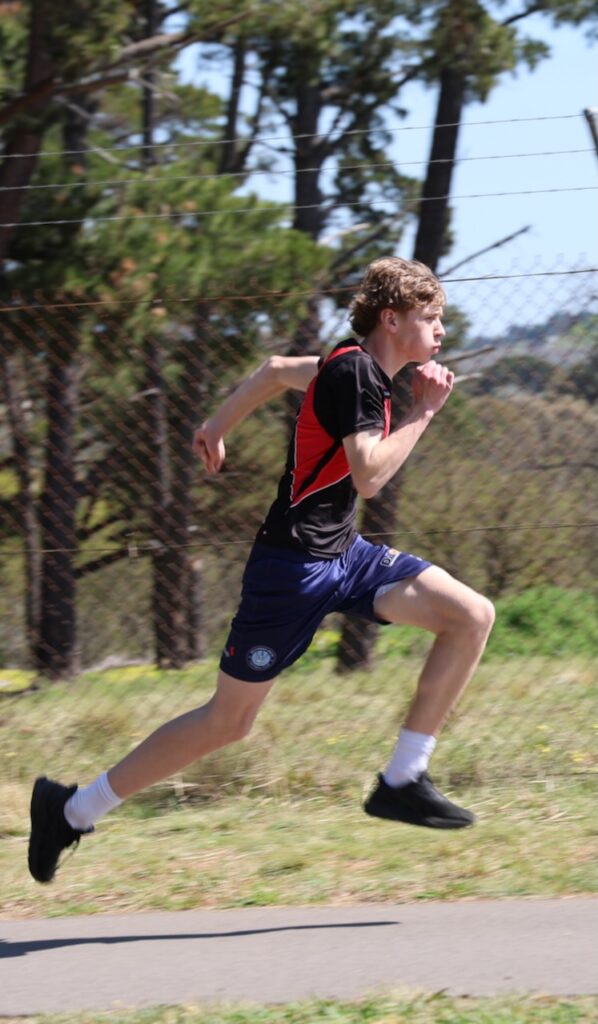
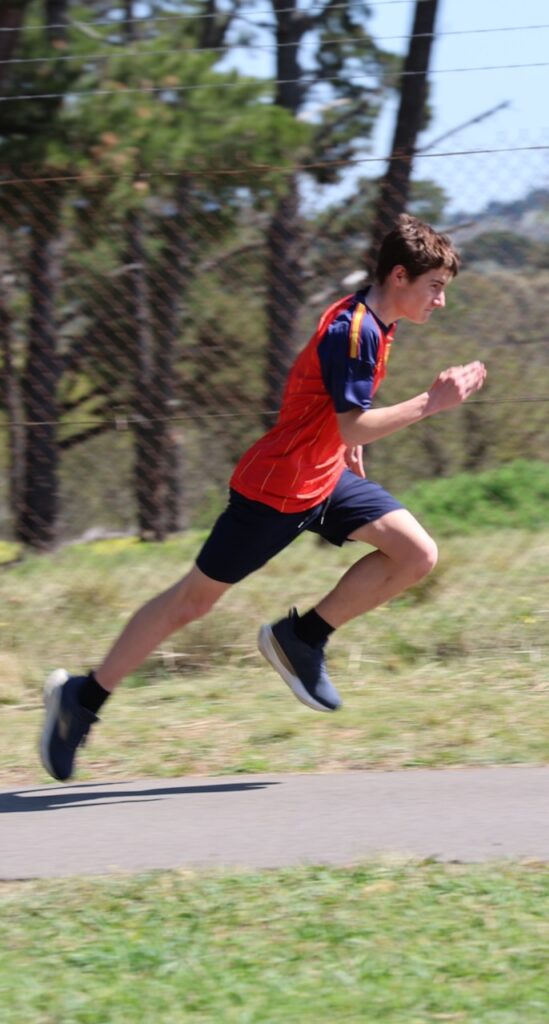
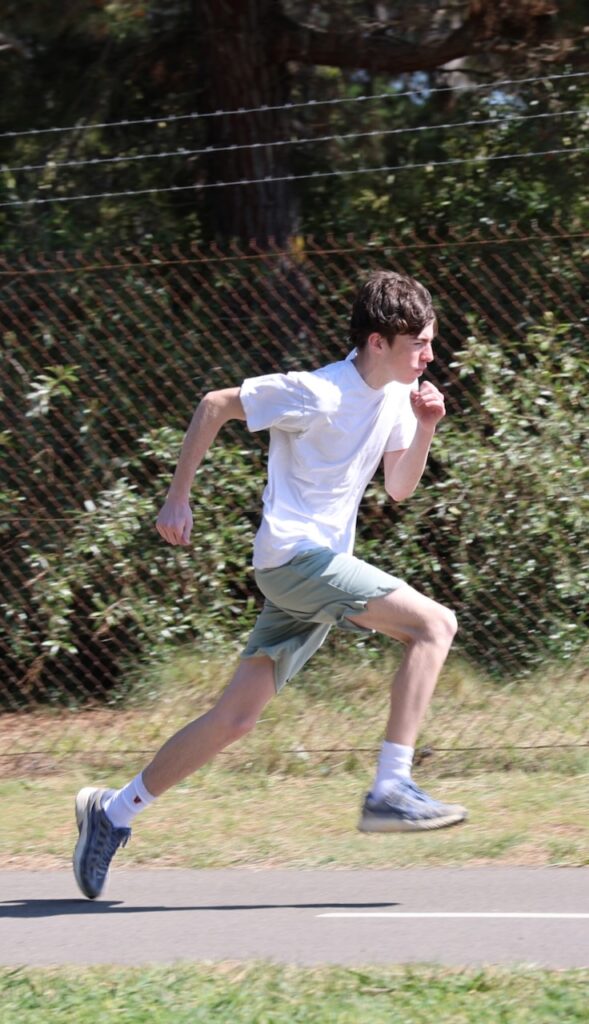
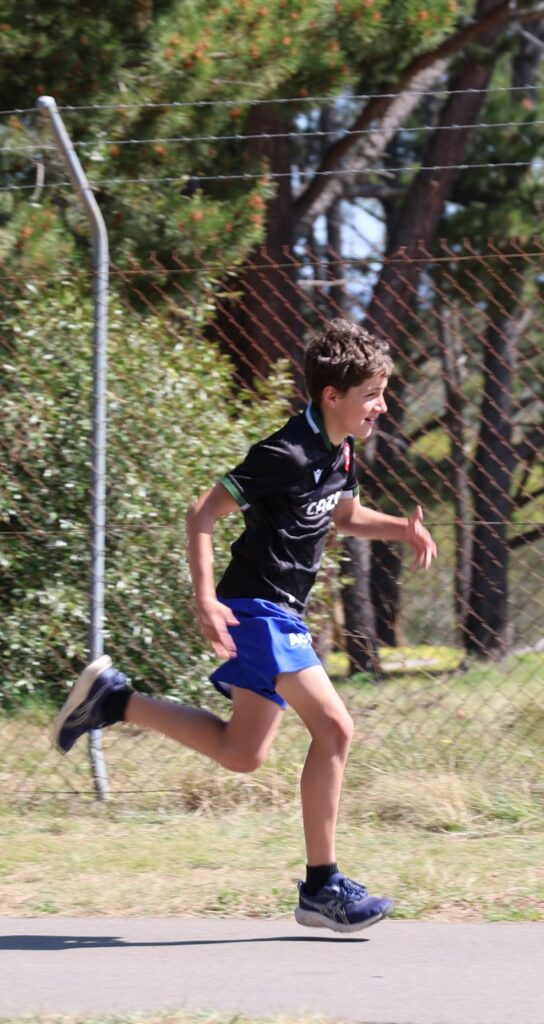
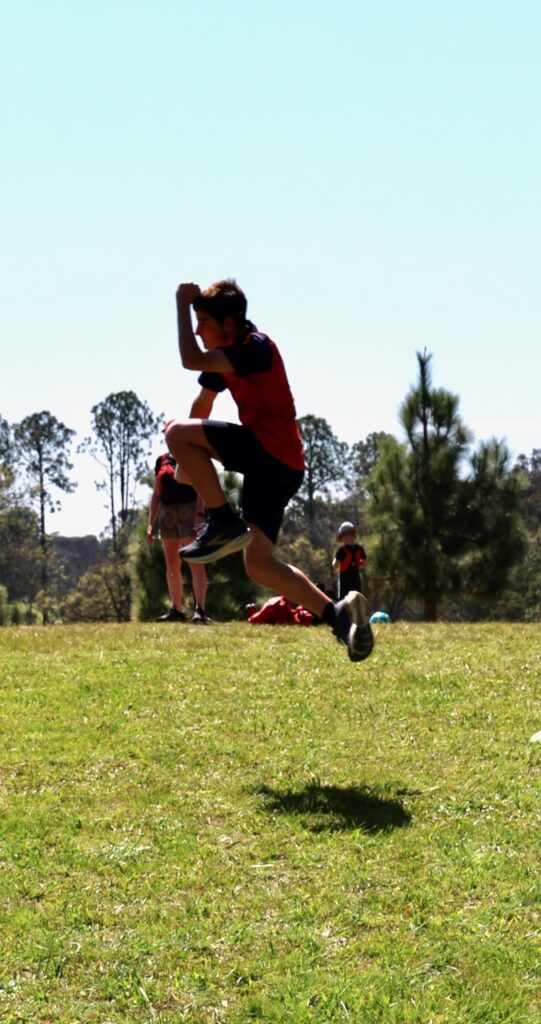
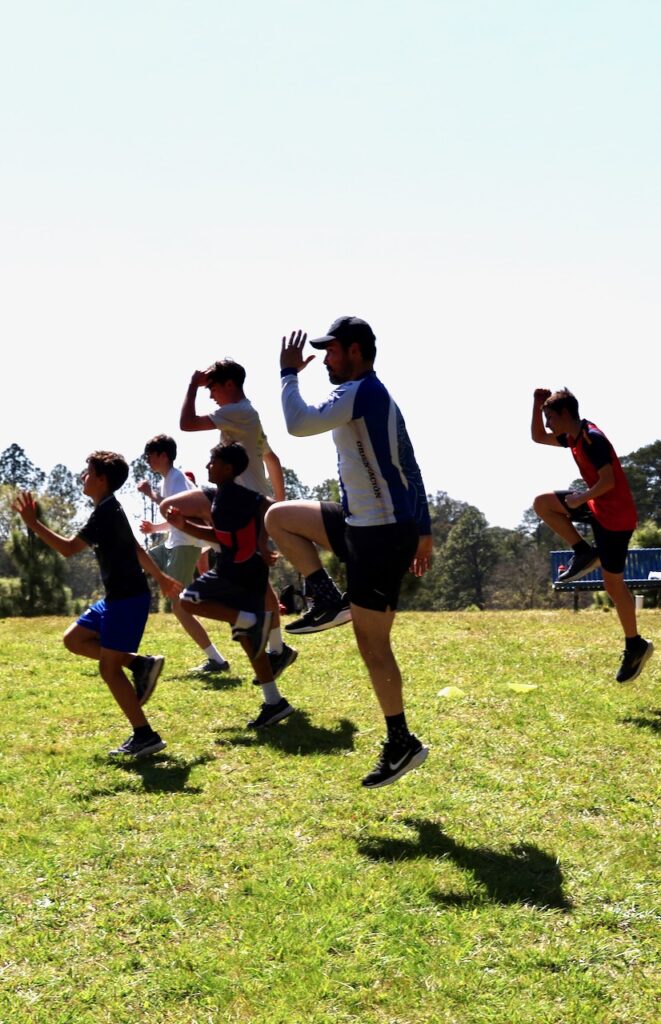
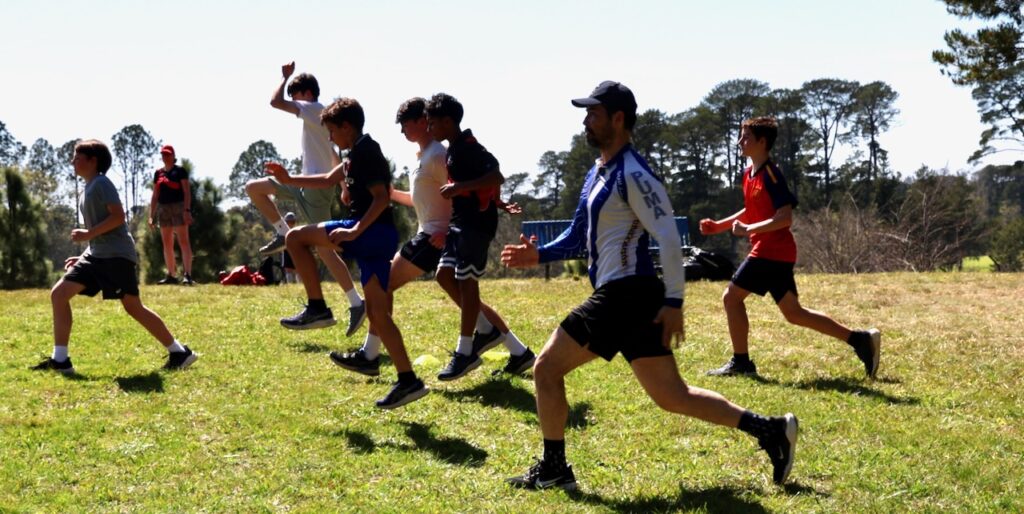
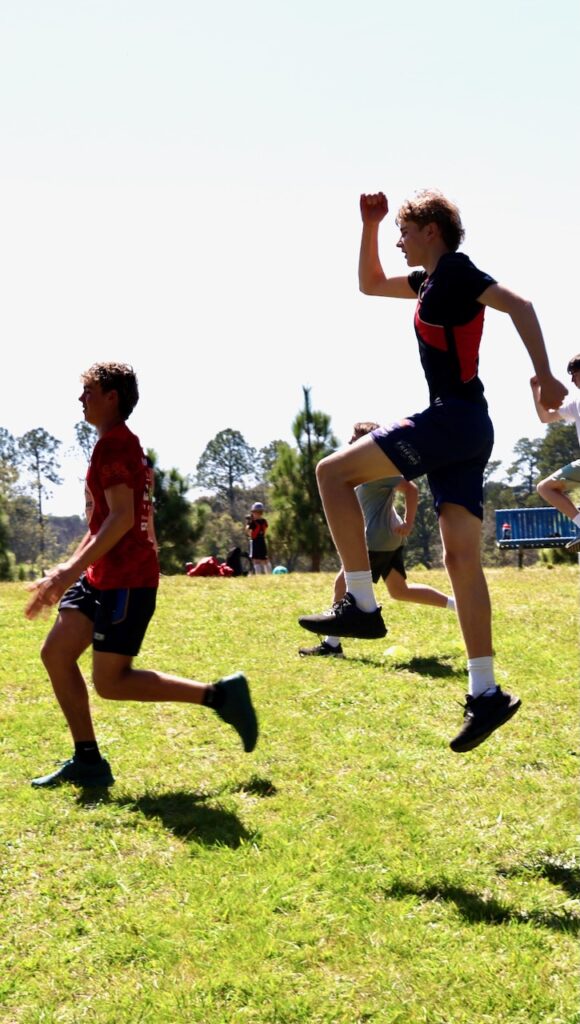
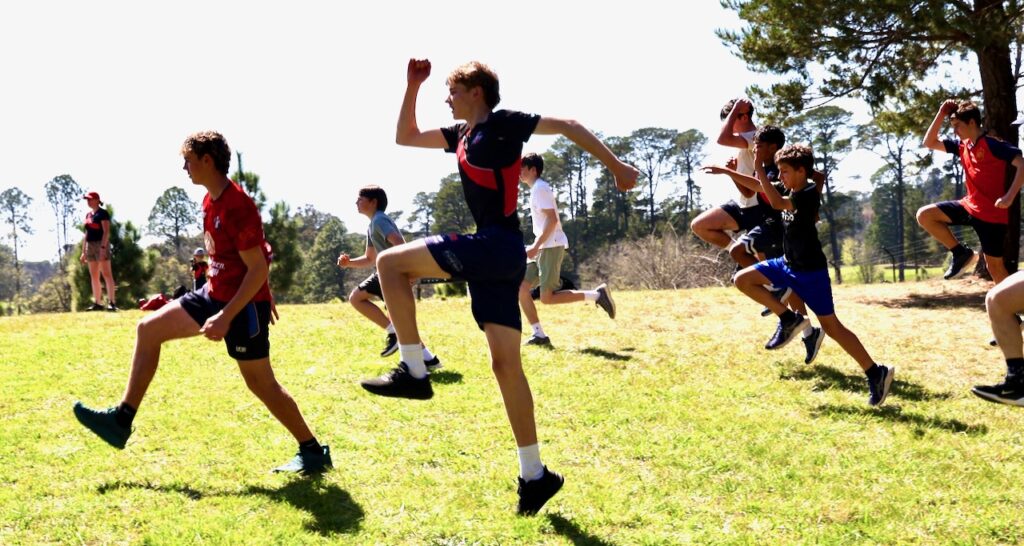
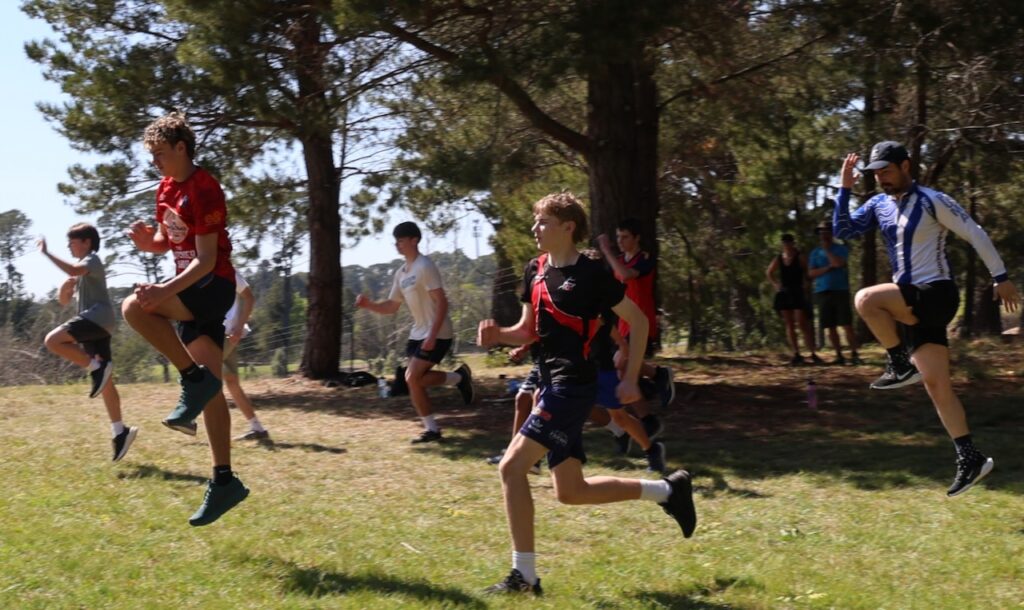
The photographs accompanying this story come from a recent FAST session at GG’s Hill on Canberra’s south side.
They show athletes working together, coaches actively teaching and a training environment where technique and effort both matter.
Sessions can include acceleration mechanics, running technique, sprint development, resisted running, hills, coordination and movement skills, with the content adjusted according to the athletes and their sporting needs.
The hill itself provides an excellent environment for acceleration development. Athletes have to project themselves forward and apply force effectively while coaches can observe and refine their movement.
But equipment and exercises are only tools.
The important part is the coaching.
We want athletes to understand what they are trying to improve rather than simply completing another fitness session.
Group coaching and individual development
There isn’t one FAST for Sport pathway.
Some athletes thrive in our group sessions, training alongside other motivated young sportspeople in an environment where athletes can work hard, learn and challenge one another.
Others have a particular problem they want to solve.
FAST therefore also provides 1:1 coaching and individual programming for athletes who need more targeted support.
That might be an athlete wanting to improve their first ten metres. Another may need technical work on their running mechanics. Someone returning from injury may need their progression managed carefully alongside their existing sporting commitments.
And sometimes speed isn’t the only requirement.
We can build individual programs around the actual performance demands facing the athlete. For example, an athlete preparing for a GIANTS Academy 2km time trial requires something quite different from an athlete trying to improve five-metre acceleration.
The program should reflect the athlete’s objective rather than forcing every athlete through the same template.
Boys and girls. Different sports. Same opportunity.
FAST for Sport is open to girls and boys from all sports.
You don’t need to be the fastest player on your team.
In fact, you don’t need to consider yourself particularly fast at all.
The starting point is simply an athlete who wants to improve.
For some, that means becoming more explosive.
For others, it is improving running technique so that speed comes more naturally. Some athletes need greater confidence when they sprint. Others already possess considerable speed and need more sophisticated coaching to continue developing it.
Where an athlete starts matters far less than what we can help them build from there.
North and south Canberra
One of the important developments in FAST for Sport is our ability to provide opportunities across Canberra.
Training is available on both the north and south sides, making specialist speed coaching more accessible without families necessarily having to travel across the city for every session.
Athletes can access group training, 1:1 coaching and individual programming, depending on their needs and sporting commitments.
We can also work directly with clubs and teams, bringing specialist speed and running coaching into an existing sporting environment.
That allows a whole group to learn the fundamentals together while coaches can still identify athletes who may benefit from more individual attention.
Faster players, not just faster runners
There is an important distinction at the centre of FAST for Sport.
We aren’t judging success by whether a footballer suddenly looks exactly like a 100m sprinter.
We want to know whether that athlete is becoming better equipped for the moments that matter in their sport.
Can they accelerate more effectively?
Can they reach useful speed sooner?
Is their running becoming more efficient?
Can they reproduce that movement when training becomes demanding?
And ultimately, can they use their improved physical qualities when there is a ball, opponent, tactical decision or scoreboard involved?
That is the transfer we’re looking for.
We start with what decades of sprint coaching and sports science have taught us about running fast.
Then we apply it to the athlete standing in front of us.
Elite sprinting principles. Sporting application. Individual development.
Because whatever sport a young athlete chooses, being able to move well — and move fast — is a powerful skill to have.
North Canberra | South Canberra
Group Sessions | 1:1 Coaching | Individual Programming | Club Sessions
Running Excellence. For every sport.
Comments are closed