
How FAST turns one training session into the right training environment for many different athletes
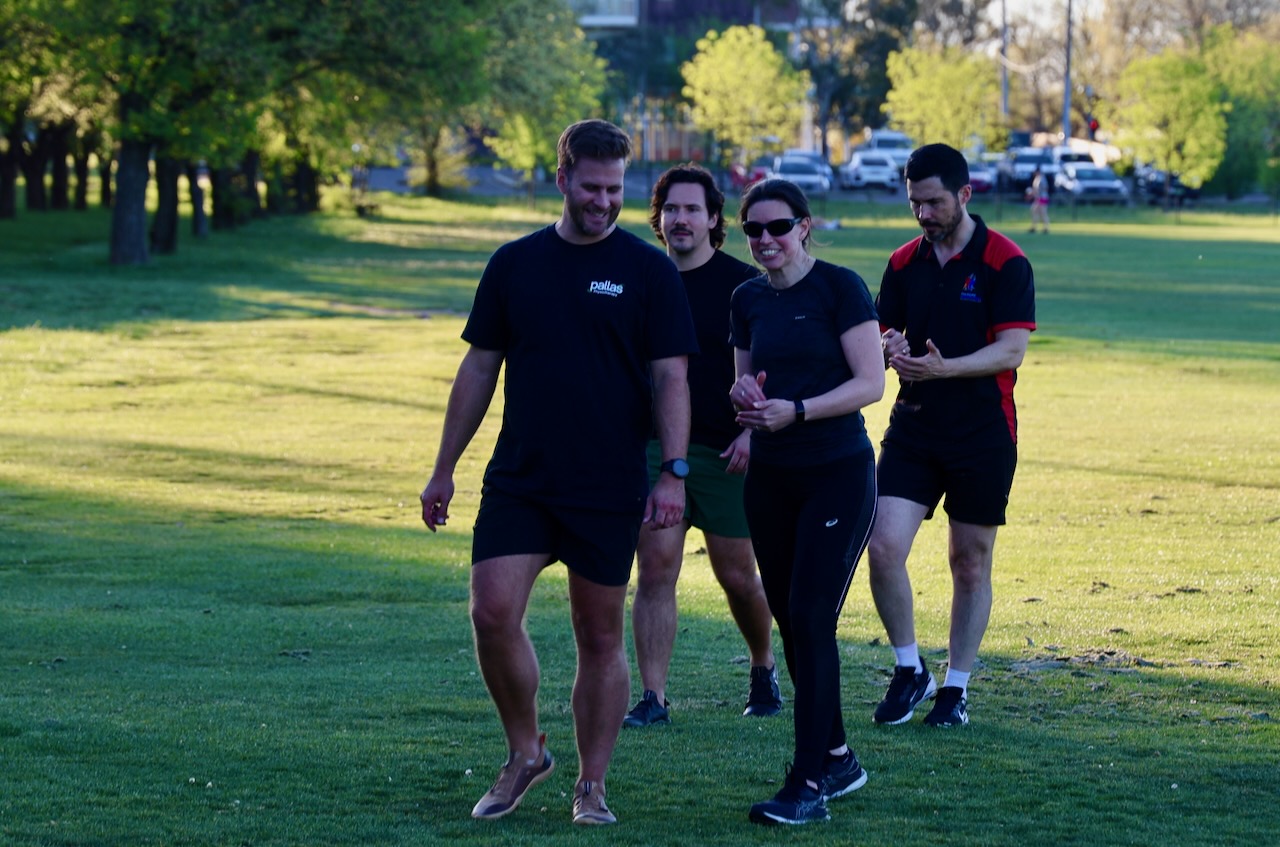
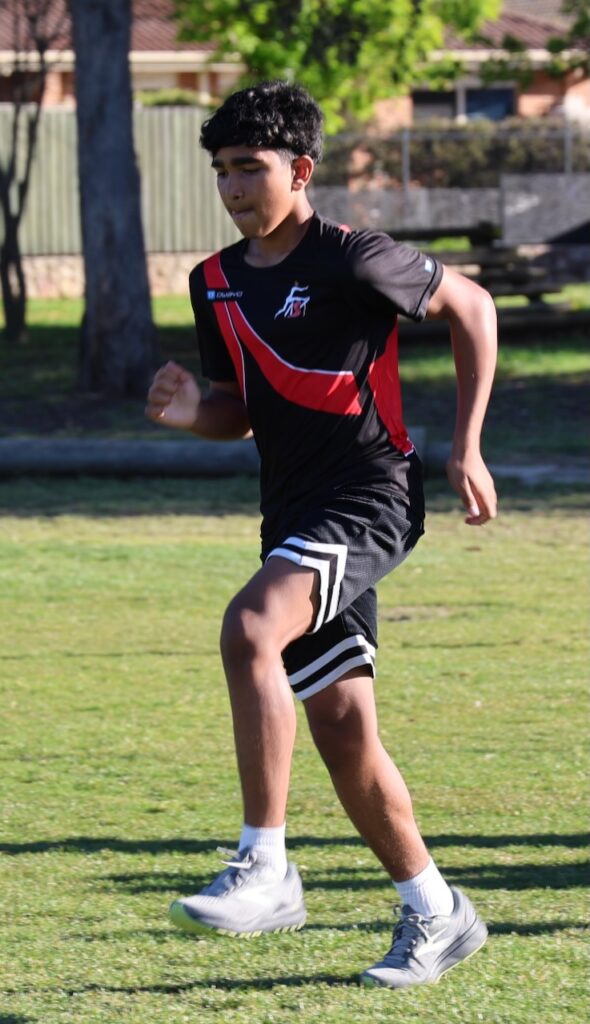
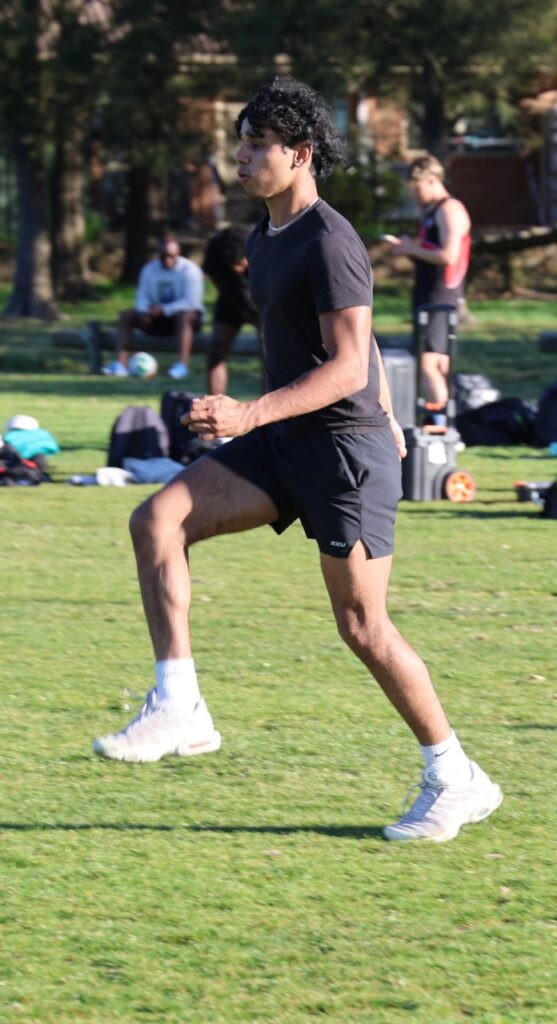
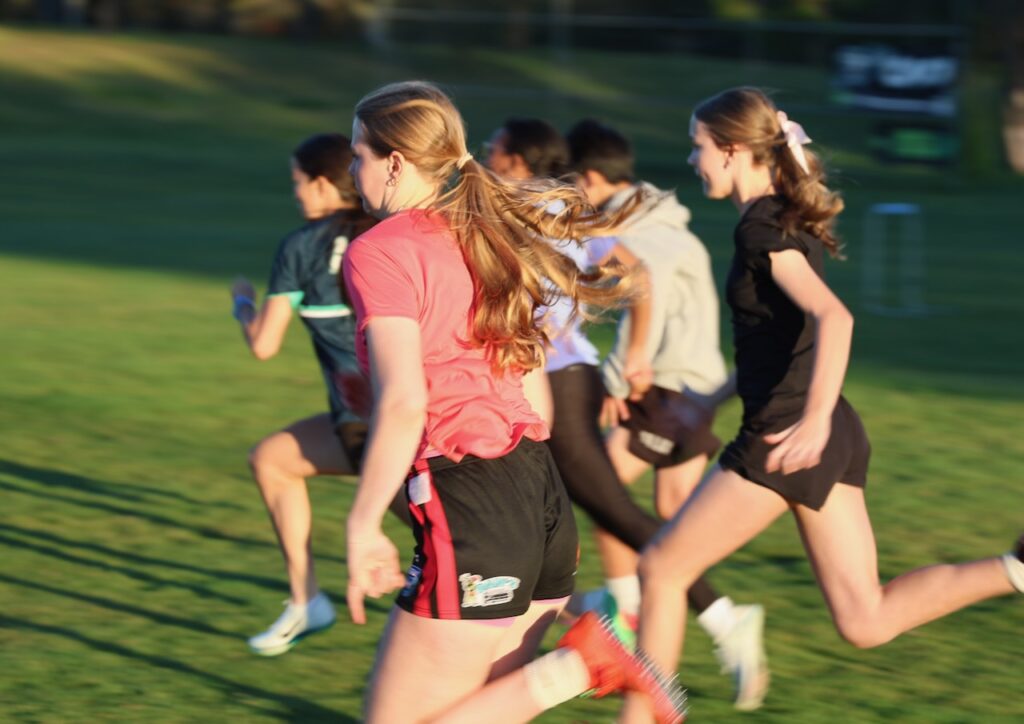
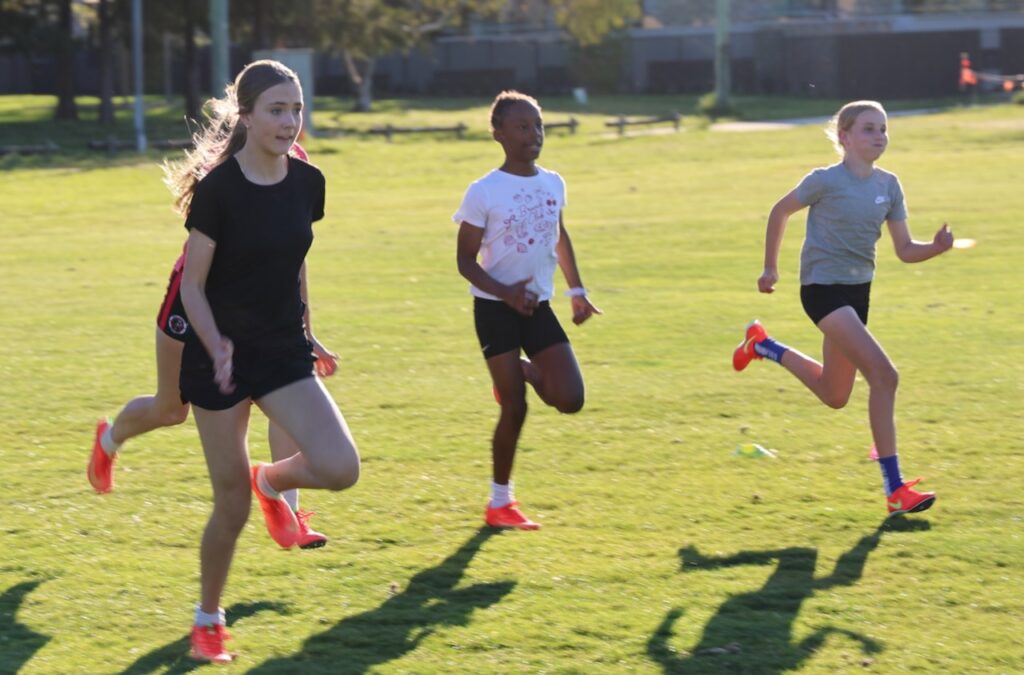
Stand on the edge of an Aranda Oval FAST session and, at first, it might look like one large group of athletes training together.
Look a little closer and something different is happening.
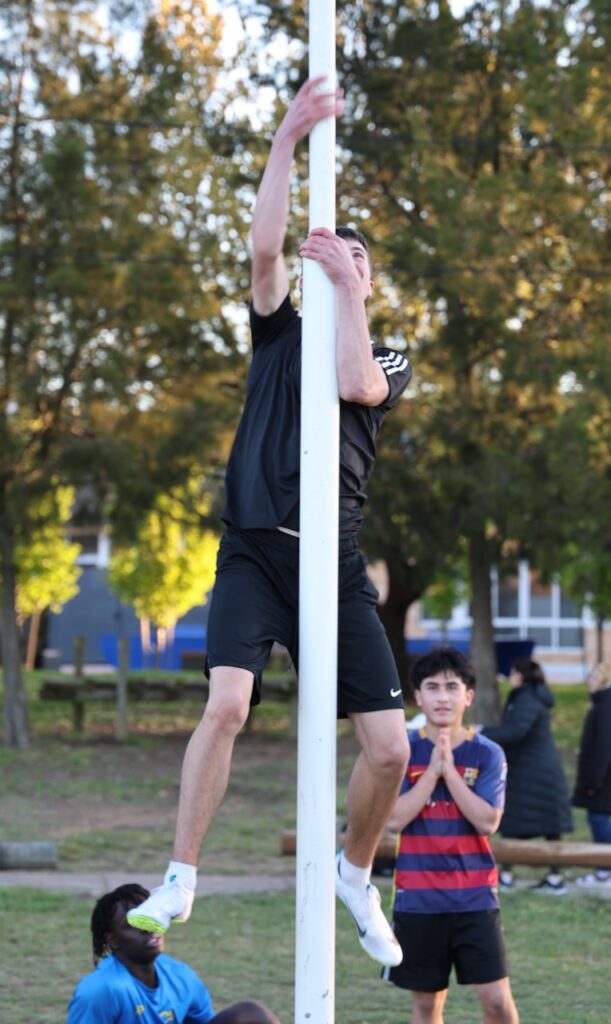
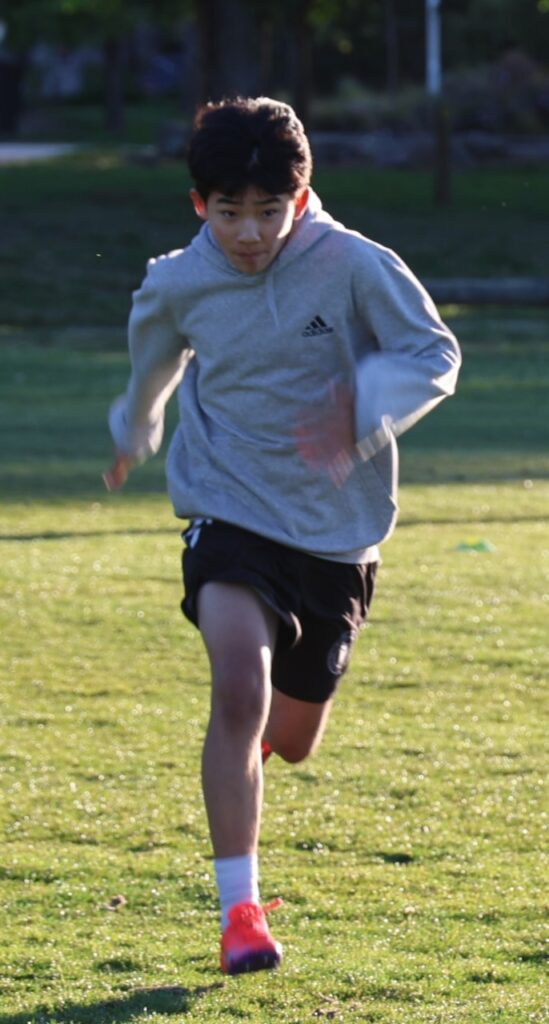
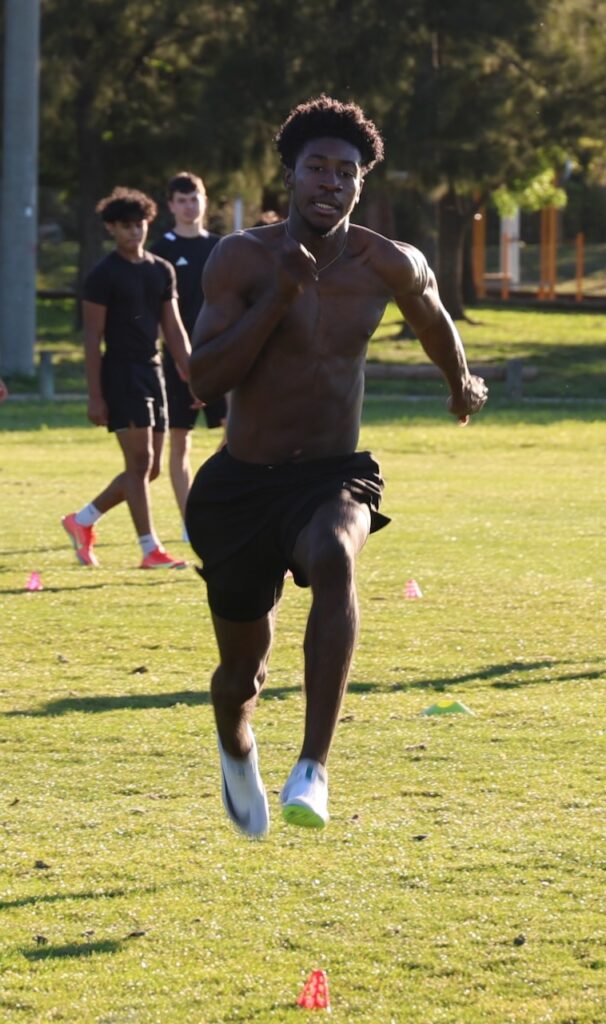
One athlete is working on acceleration. Another is developing maximum velocity. A 400m athlete has different work again. Someone returning from injury has had part of the session modified. A younger athlete is learning the fundamentals. Another athlete needs only a small technical adjustment before their next repetition.
They share an oval. They share coaches, equipment and a common training environment.
But they don’t necessarily share the same program.
That is deliberate.
As FAST has grown, one of our biggest challenges has been maintaining something we consider fundamental to Running Excellence: every athlete deserves coaching appropriate to where they are, what they do and what they need next.
The answer isn’t to write an entirely different training program for every athlete.
It is to build a system capable of individualising where it matters.
It starts with the FAST Foundation
Underneath everything we do is the FAST Foundation.
These are the principles and movement qualities we believe provide the basis for developing running athletes: good movement, acceleration, speed, appropriate strength and power, coordination, technical understanding and progressively exposing athletes to the demands of faster running.
The Foundation creates consistency.
An athlete shouldn’t receive an entirely different philosophy because they happen to train with a different FAST coach on a particular evening.
There needs to be a common language, common standards and a clear understanding of what we are trying to develop.
But a foundation is exactly that.
It is where we start.
It isn’t where individualisation ends.
Then the event starts to matter
A 100m sprinter and a 400m runner both need speed.
They don’t need exactly the same training.
Neither does a hurdler, horizontal jumper, middle-distance runner or sporting athlete developing acceleration for football, hockey or another field or court sport.
As athletes develop, their event begins to shape the program.
That is where FAST moves from the common Foundation into more event and knowledge-specific coaching.
The acceleration principles might be shared, but the volume, intensity, recovery, technical emphasis and way those qualities fit into the rest of the athlete’s week can be very different.
The same applies to strength and conditioning, plyometrics, speed endurance and technical work.
We don’t want separate programs simply for the sake of making them different.
We want differences to exist because there is a reason for them.
And then comes the athlete
Even two athletes preparing for exactly the same event aren’t the same.
One may need more acceleration development. Another may already accelerate exceptionally well but need greater exposure to maximum velocity.
One athlete may tolerate training volume easily. Another may need that volume managed.
Someone may be returning from injury. Another may be approaching an important competition. A developing athlete may need more time learning a skill before progressing it, while an experienced athlete is ready for greater complexity.
That gives FAST a simple programming hierarchy:
FAST Foundation → Event-specific development → Individual athlete needs
It allows athletes to remain part of a squad rather than disappearing into isolated individual programs, while still giving coaches the ability to modify training when the athlete in front of them requires it.
Coaching has to happen on the ground
Good programming on paper isn’t enough.
Someone still has to coach it.
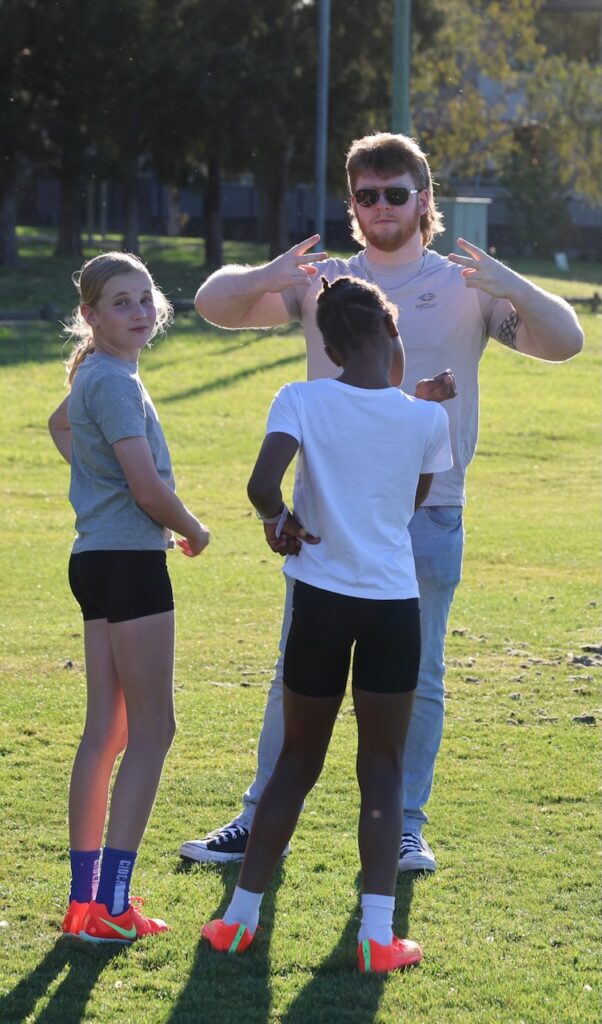
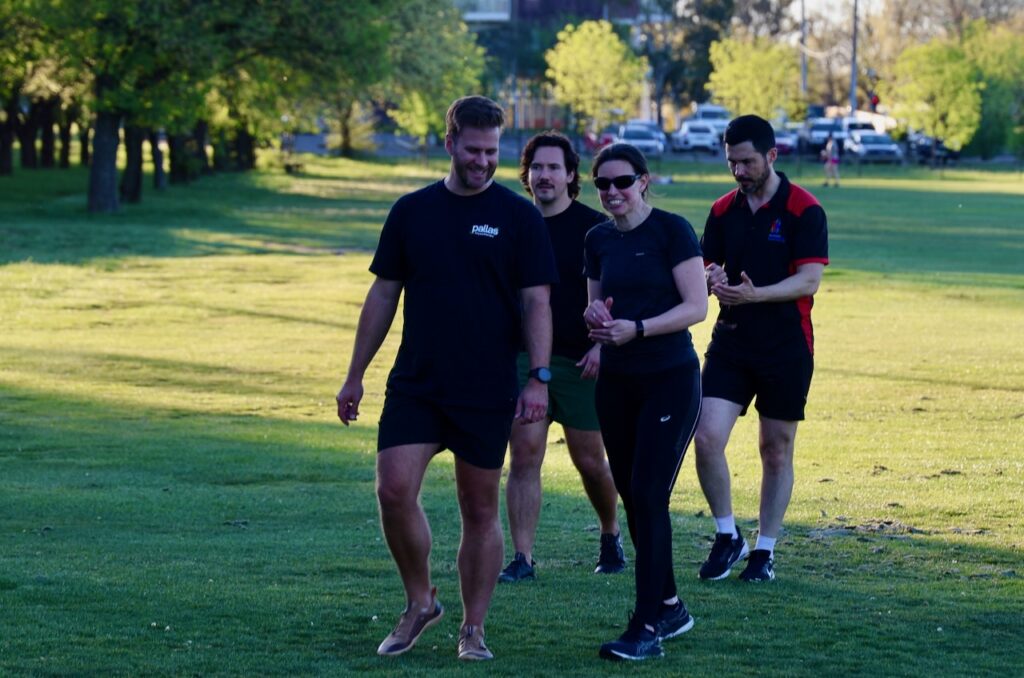
At Aranda, that means having coaches distributed throughout the session — observing, teaching, timing, setting equipment, providing feedback and making adjustments.
Matt, Conor, Eva, Nate, Mathias, Marijke and Steve bring different experience, perspectives and areas of knowledge to the training environment.
That coaching depth matters.
It means an athlete can receive feedback rather than simply complete repetitions. It allows different groups to work simultaneously. It creates opportunities for coaches to notice when something doesn’t look right and respond rather than waiting until the next training block.
Most importantly, it means athletes are seen.
For FAST, that is part of being athlete-centred.
It isn’t about surrounding every athlete with an entourage of coaches. It is about building enough capability into the session that athletes can receive the assistance they deserve when they need it.
Programming is only one part of the system
A performance environment is easy to reduce to the session written on the page.
We think it is much bigger than that.
It is the programming that establishes what we’re trying to achieve.
It is the equipment that allows us to deliver it.
It is the people who coach it.
It is the systems that help us manage athletes, communicate, record information and maintain consistency.
And it is the culture that determines how all of those things come together.
Remove any one of them and the environment becomes weaker.
That has become particularly visible as FAST has moved away from relying on a single established athletics facility.
At Aranda, just as at Cook, GG’s and Woden, much of the performance environment arrives with us.
Blocks. Hurdles. Timing equipment. Resistance equipment. Jump and plyometric equipment. Programs. Coaches.
But the most important thing we bring isn’t something that comes out of the FAST Buzz.
It is the expectation of how we train.
Running Excellence isn’t a location
For a long time, FAST athletes were closely associated with training at the AIS.
We valued that environment enormously.
But the changes of recent months have forced us to think more deeply about what actually makes a FAST session a FAST session.
It isn’t the colour or composition of the surface.
It isn’t whether there is a grandstand beside us.
And it isn’t the name of the venue.
Running Excellence isn’t just where you train. It is how you approach it.
It is arriving with a plan.
It is understanding why an athlete is doing what they are doing.
It is having coaches who are prepared to watch closely enough to change something when the plan and the athlete don’t quite match.
It is creating an environment where serious performance development and a strong squad culture can exist together.
And it is continually asking whether what we are doing is helping the athlete standing in front of us.
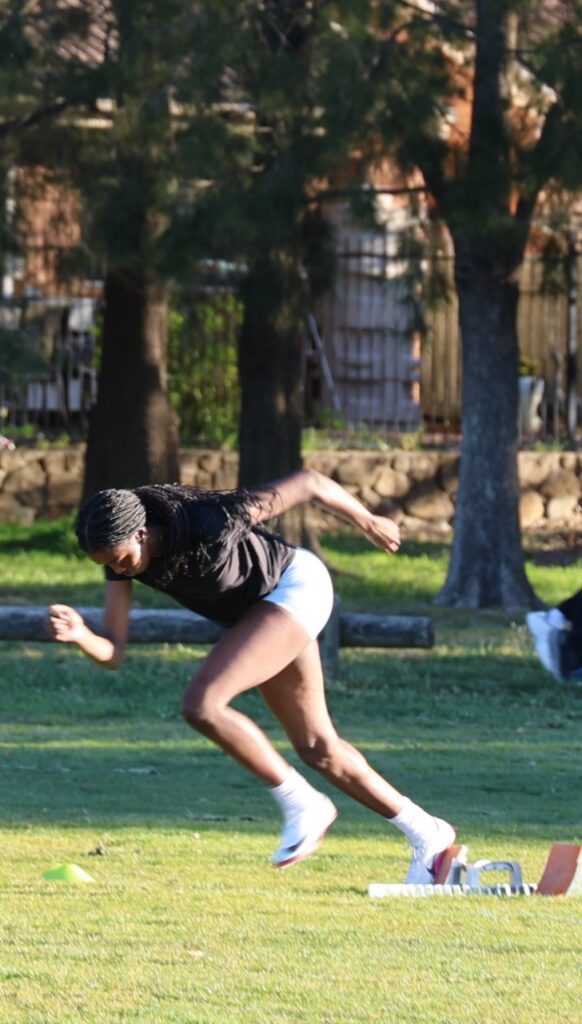
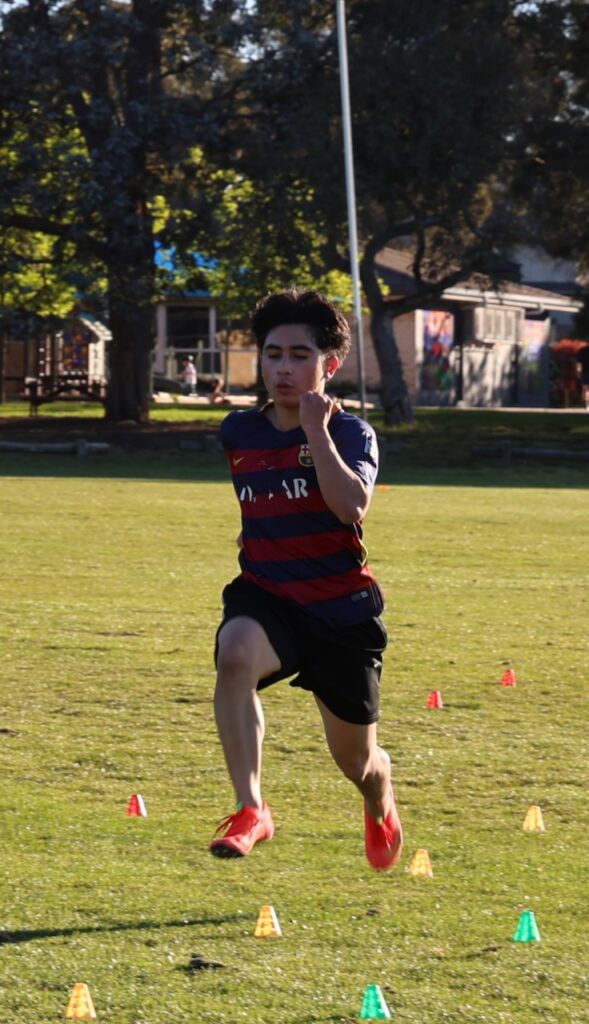
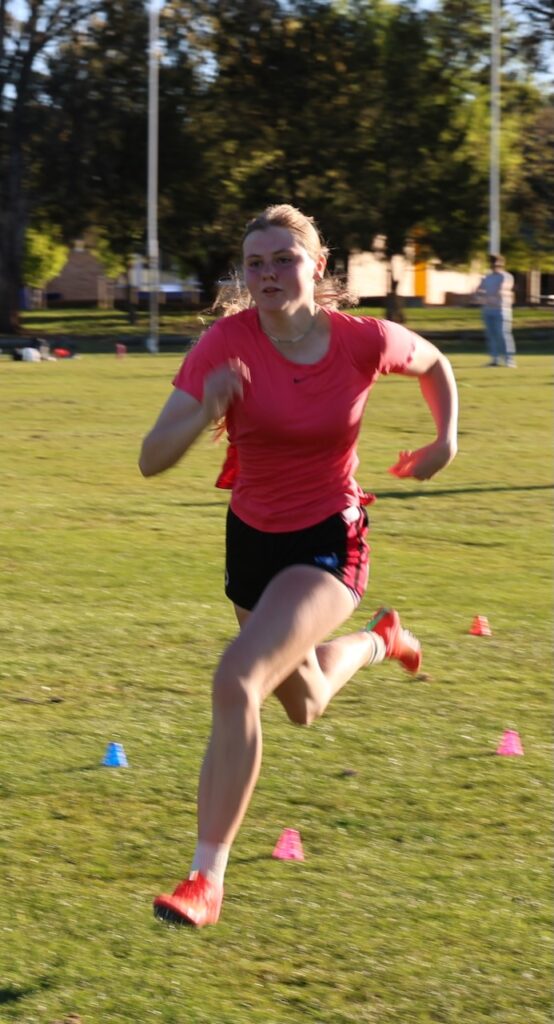
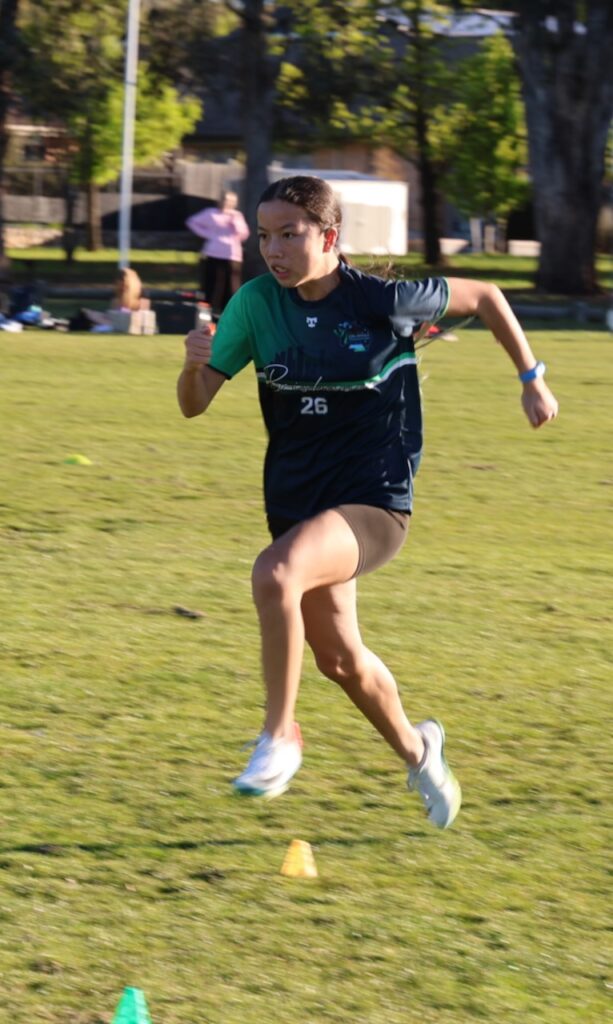
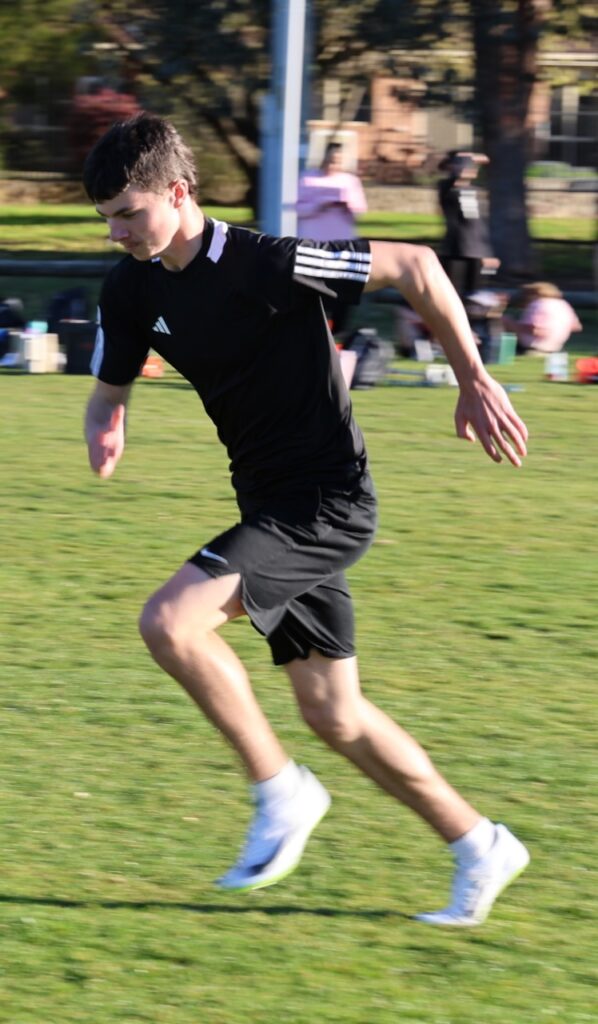
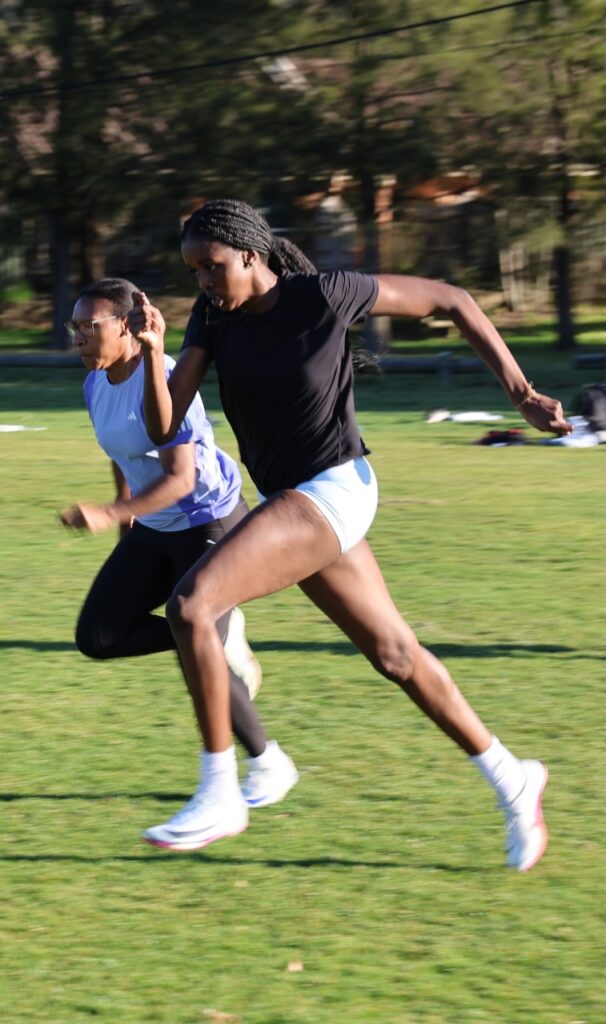
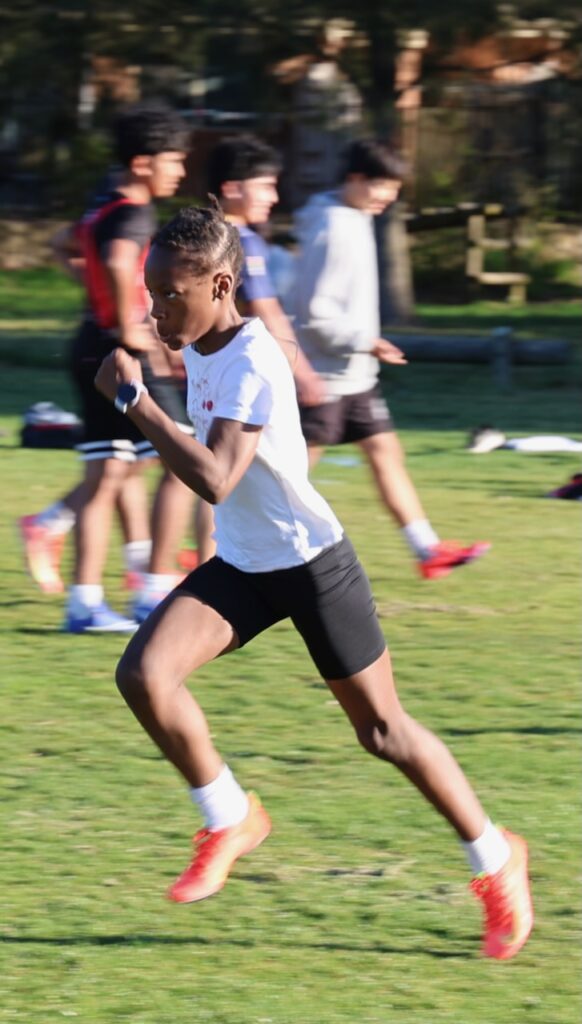
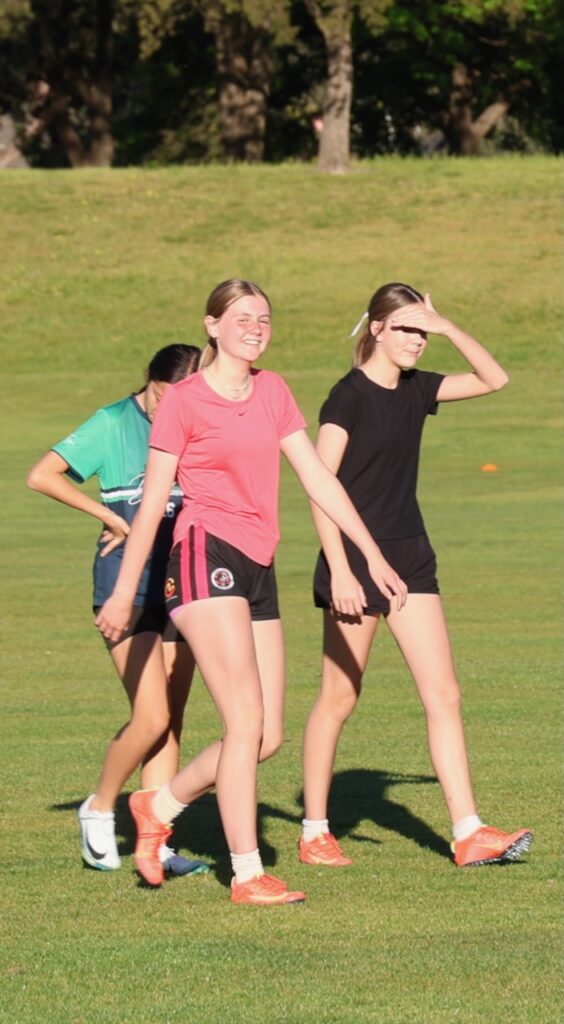
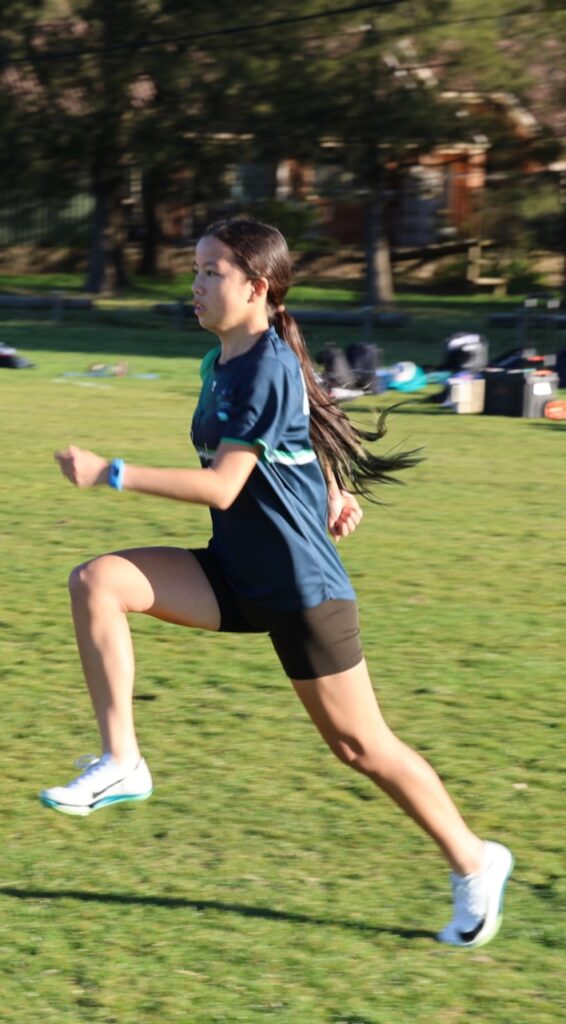
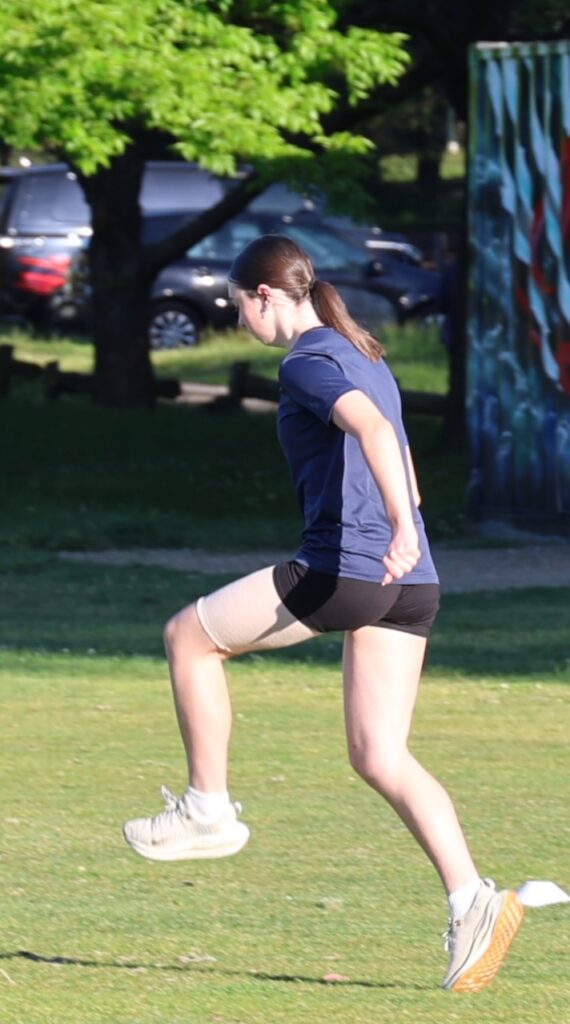
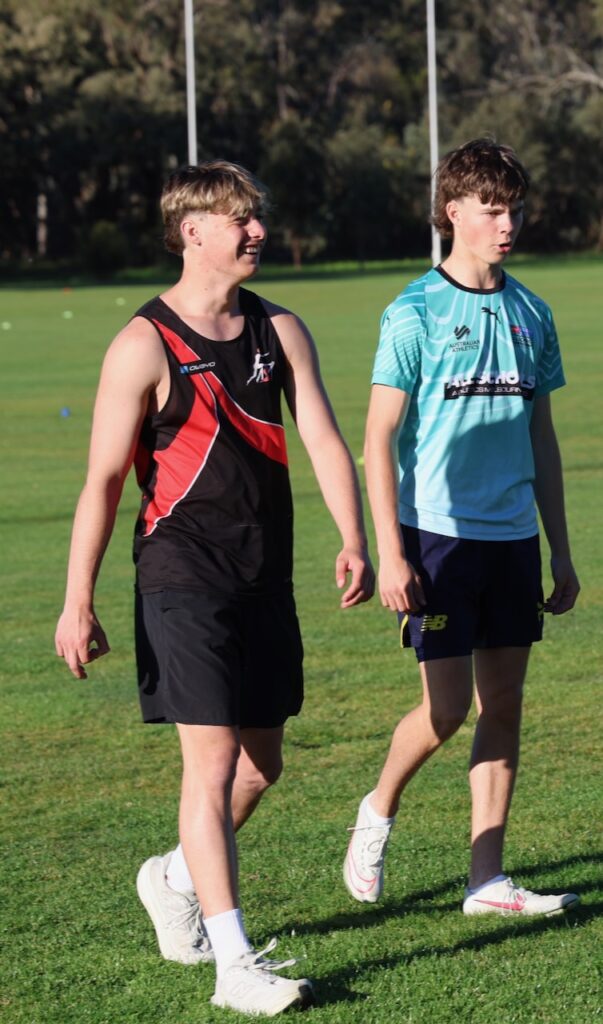
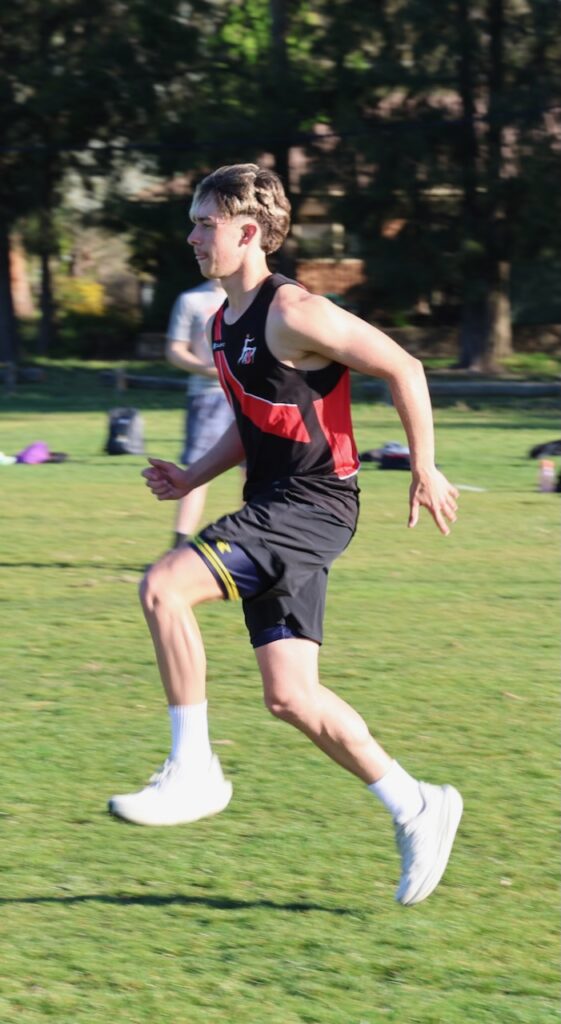
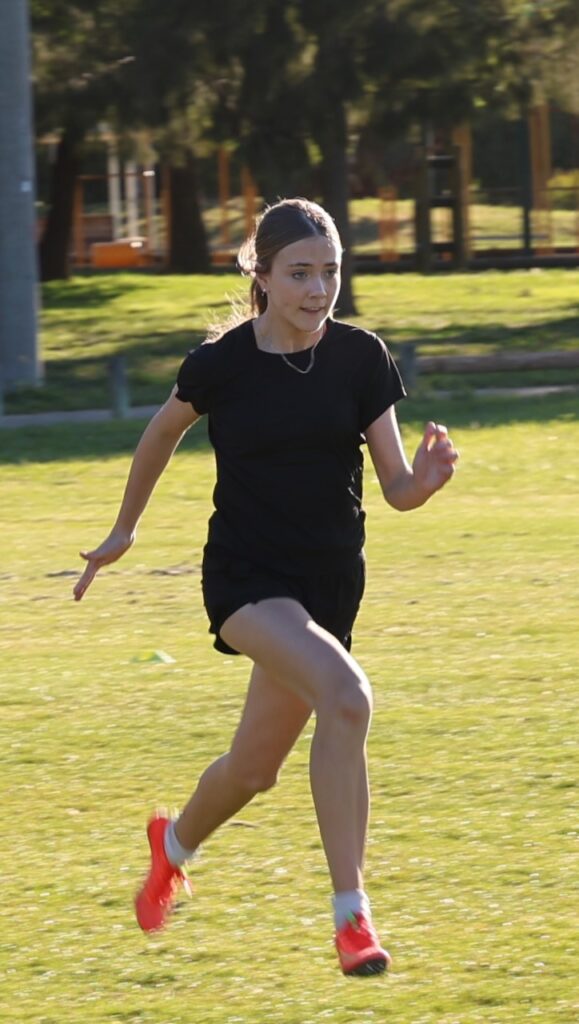
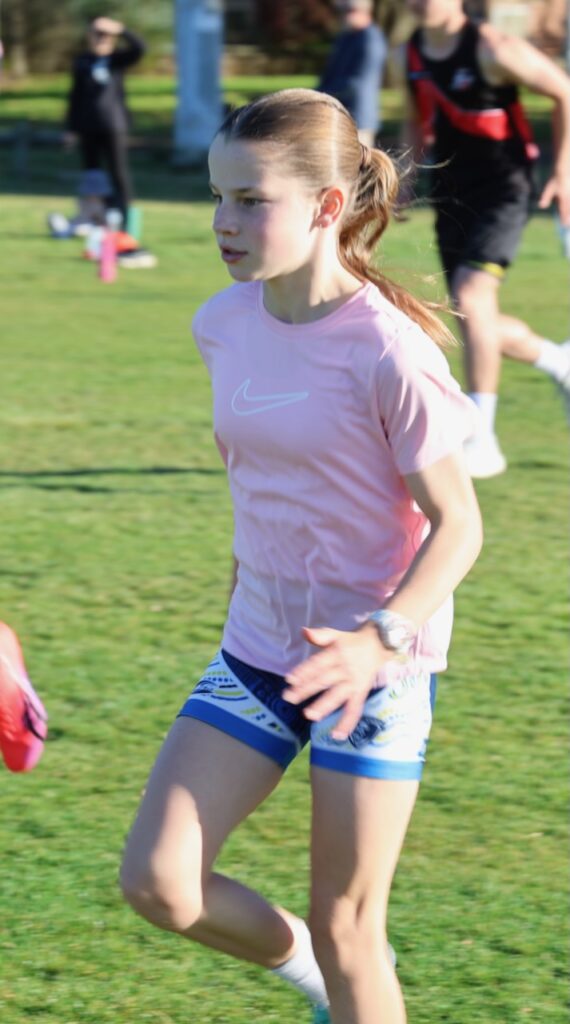
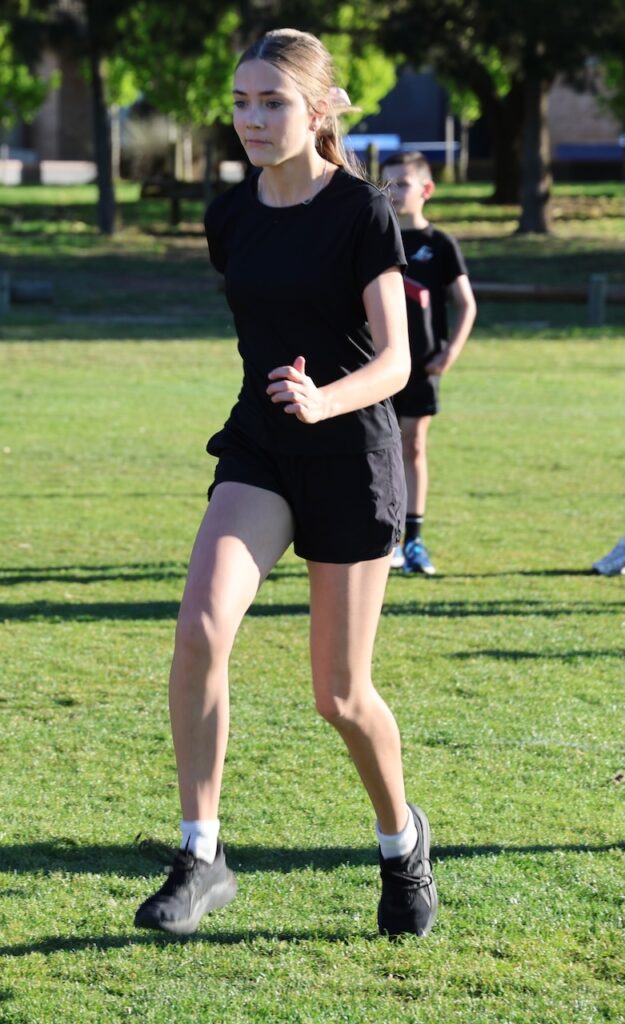
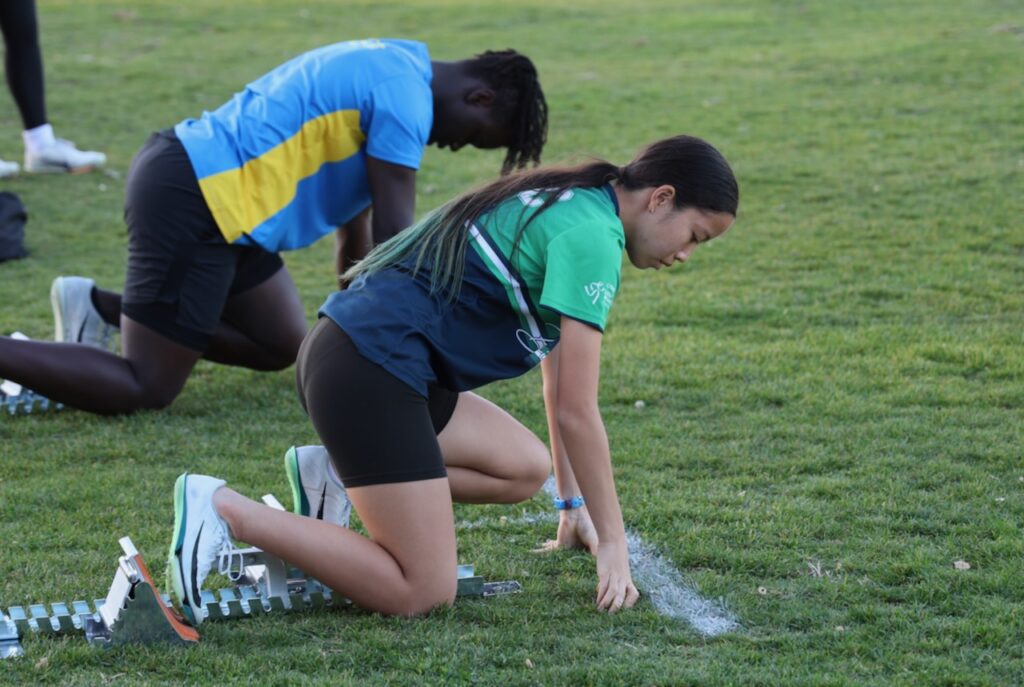
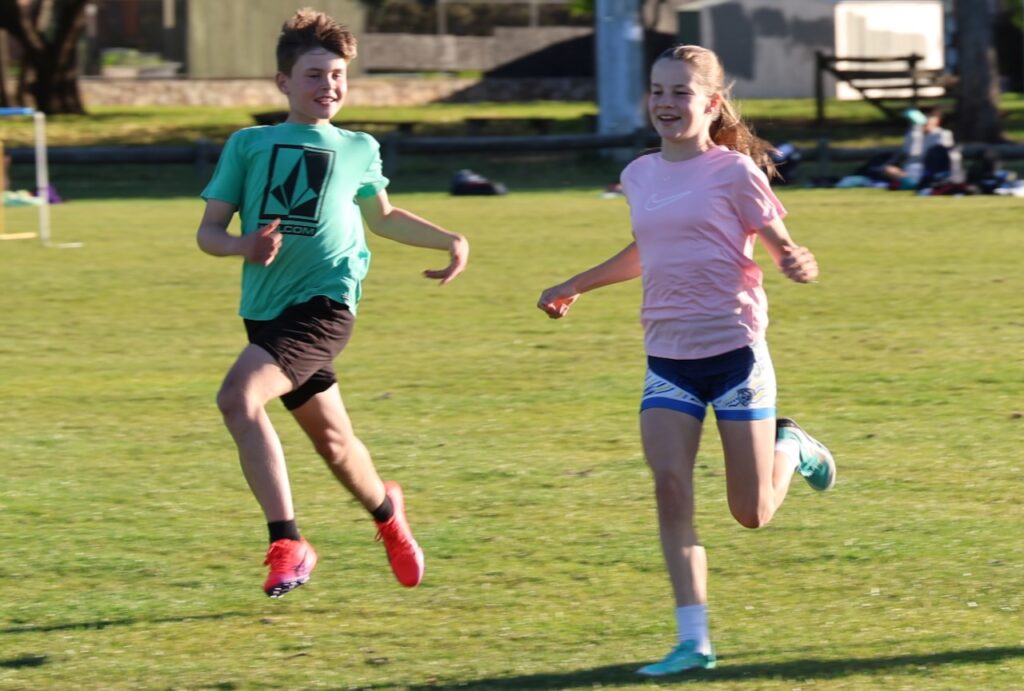
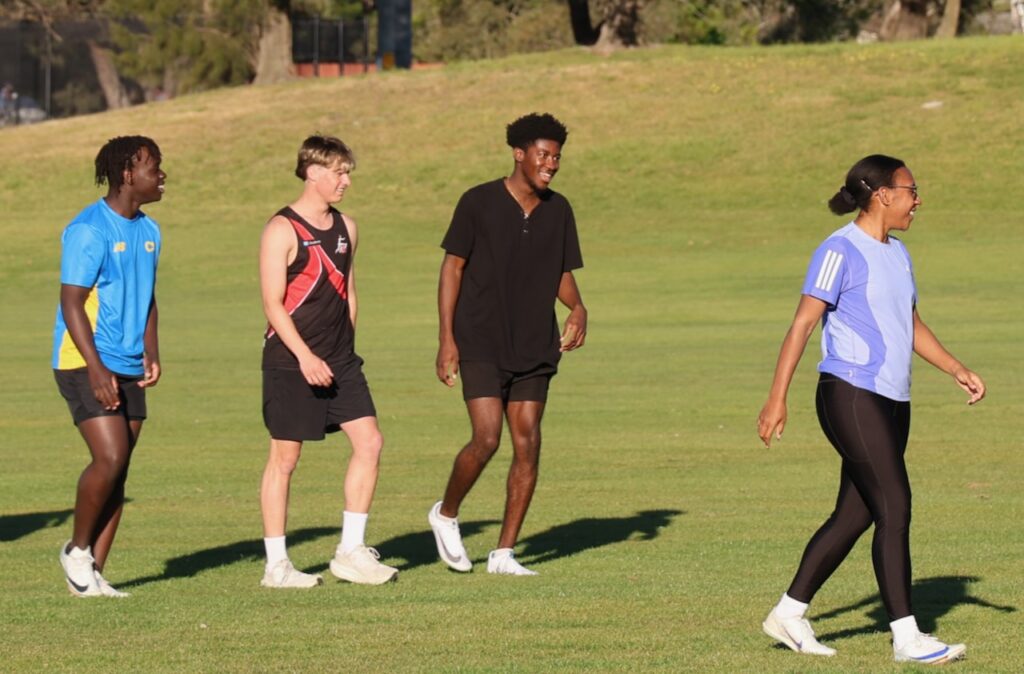
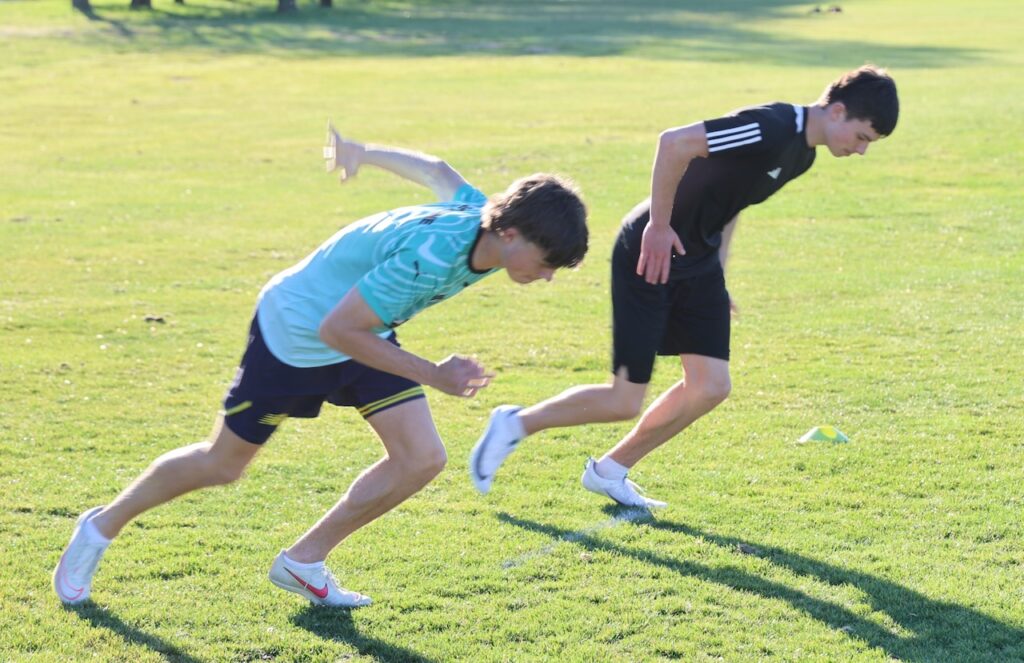
The photographs from Aranda show athletes running on grass.
We see something more.
We see a Foundation being applied in different ways. Coaches working across groups. Athletes at different stages pursuing different objectives within one environment.
We see the equipment, people, systems and culture coming together.
That is the FAST we are building.
Athlete centred. Development focused. Excellence driven.
Built to perform. Built to last.
Running Excellence grows.
Comments are closed