
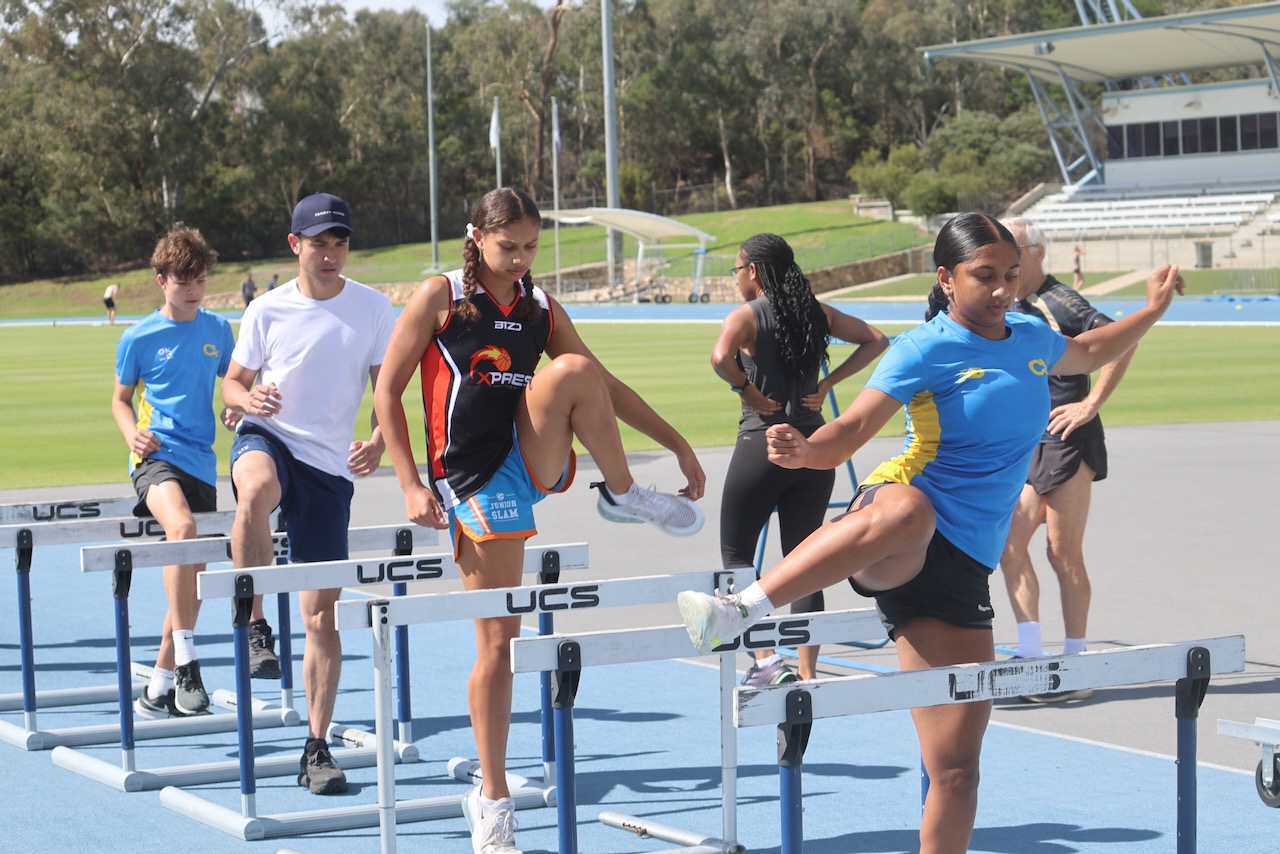
Generations of hurdlers, international achievements and a passion for technical excellence underpin FAST Running’s commitment to developing the next generation of hurdle athletes.
Hurdling has always been an important part of the FAST Running story. From young athletes learning to negotiate their first hurdles to athletes competing at national championships, the Commonwealth Games, Diamond League meetings and World Championships, our history is filled with individuals who have embraced the challenges and rewards of one of athletics’ most technically demanding disciplines.
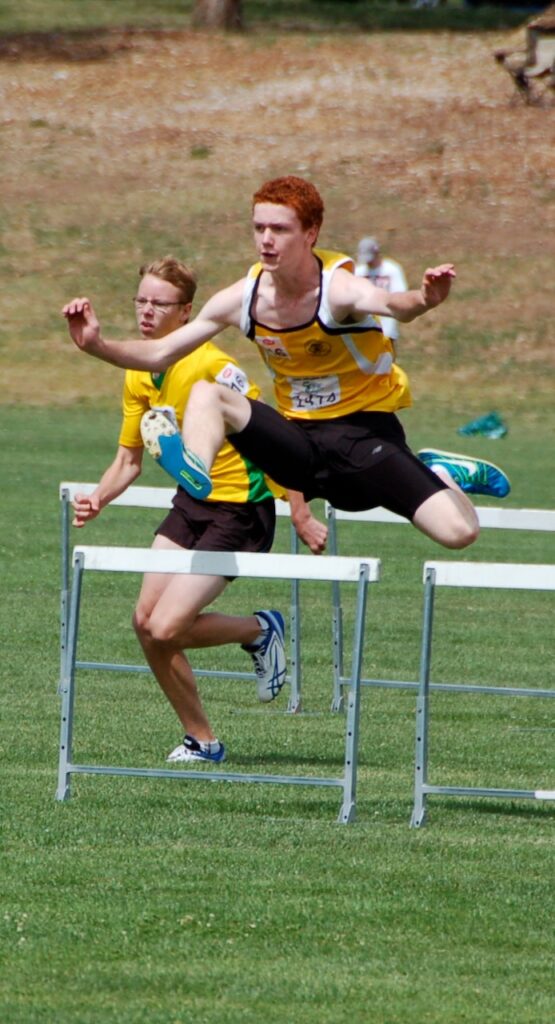
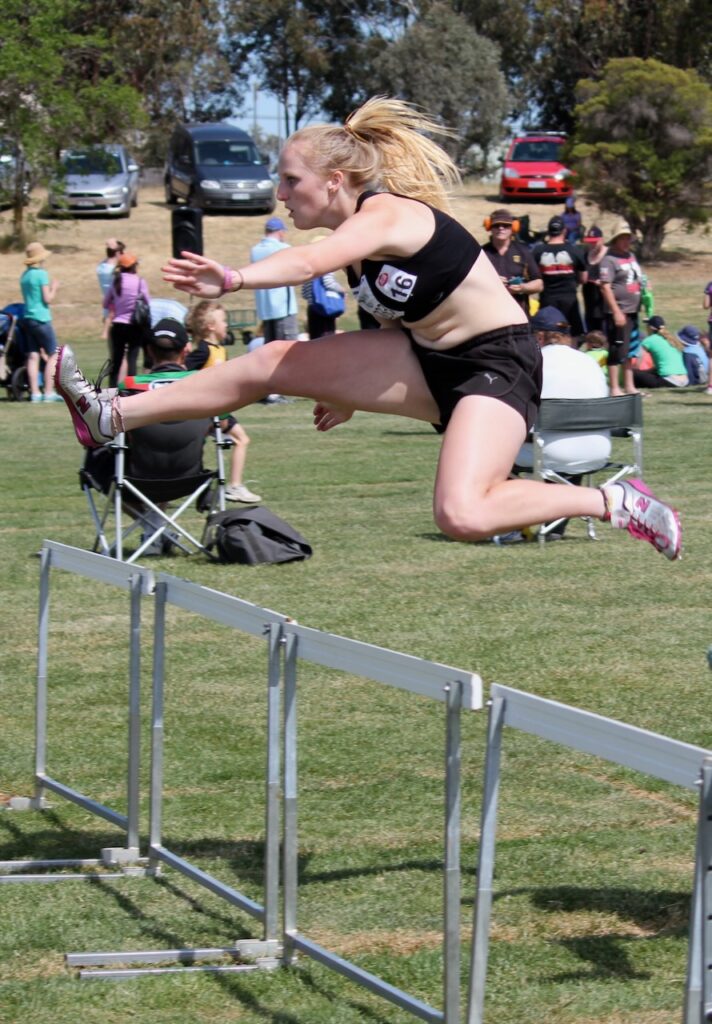
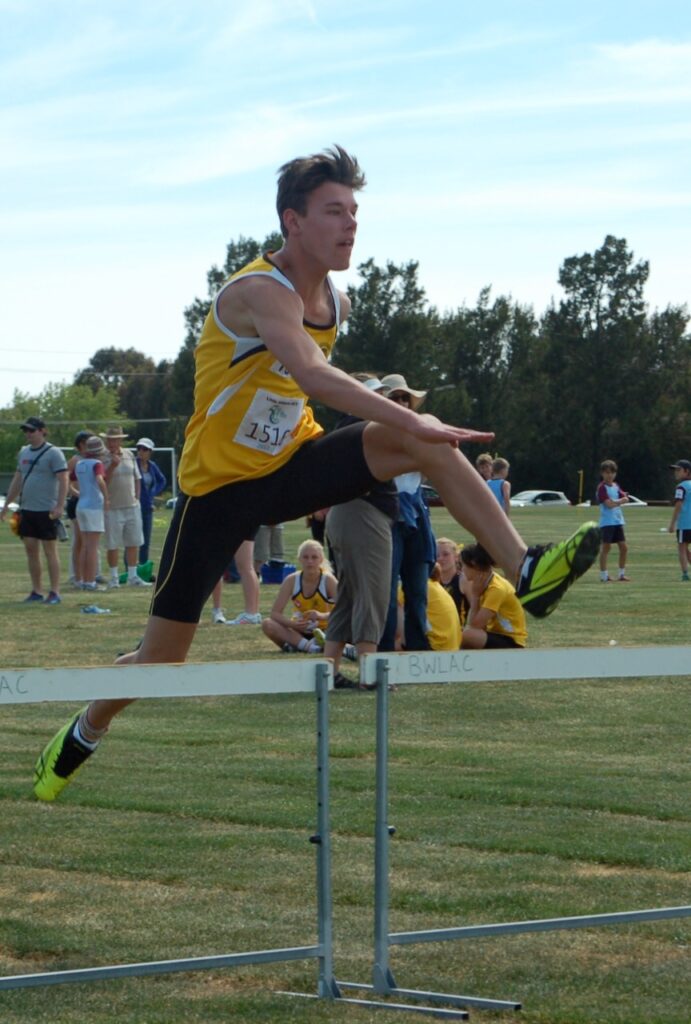
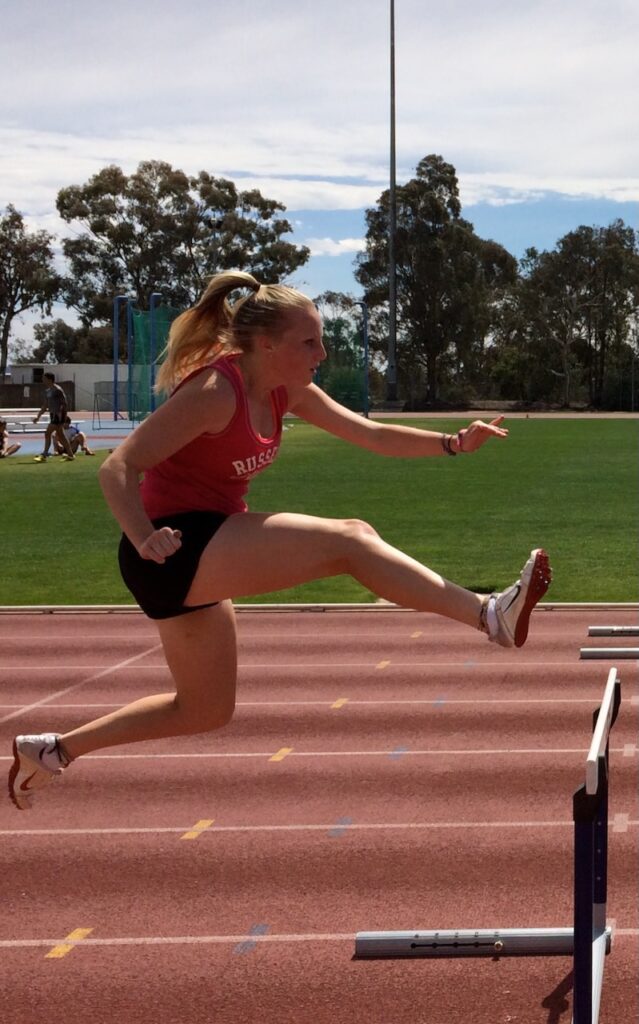
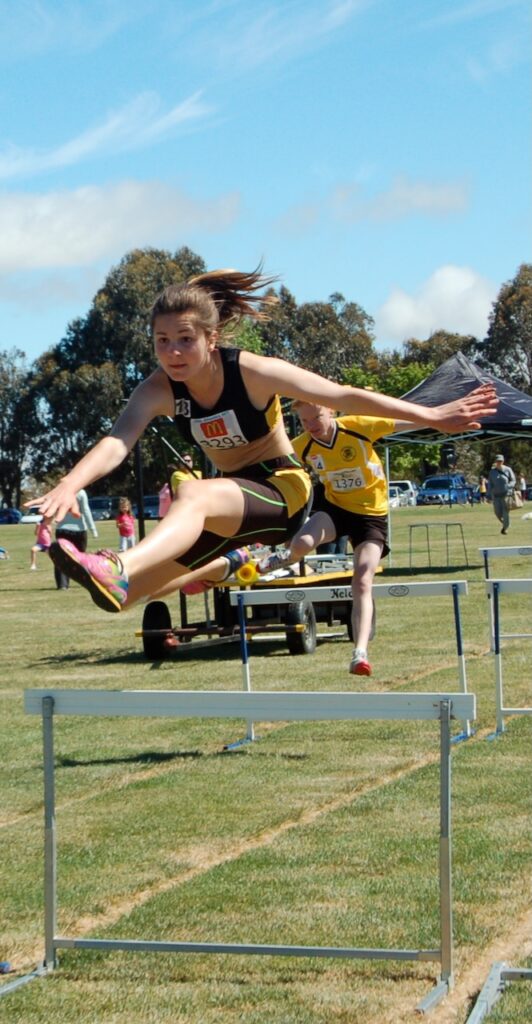
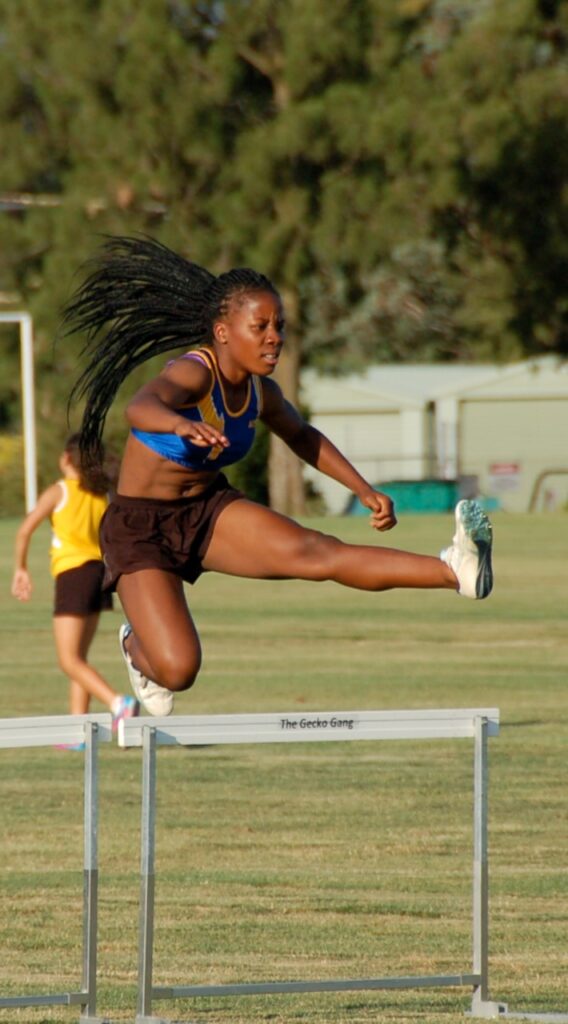
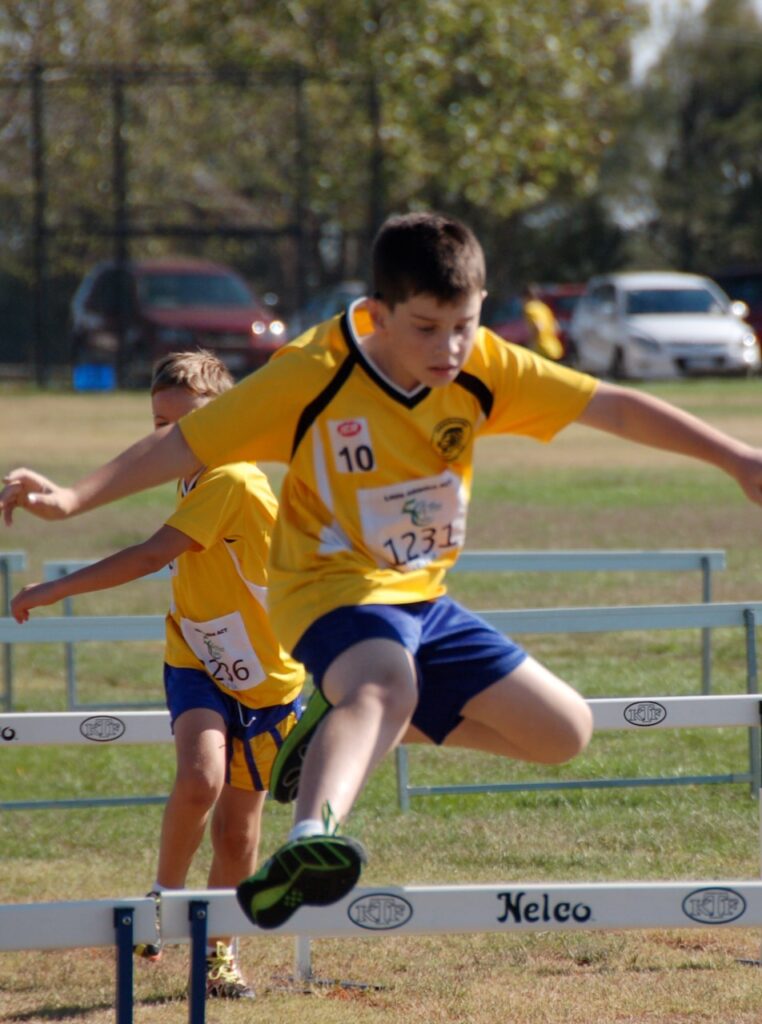
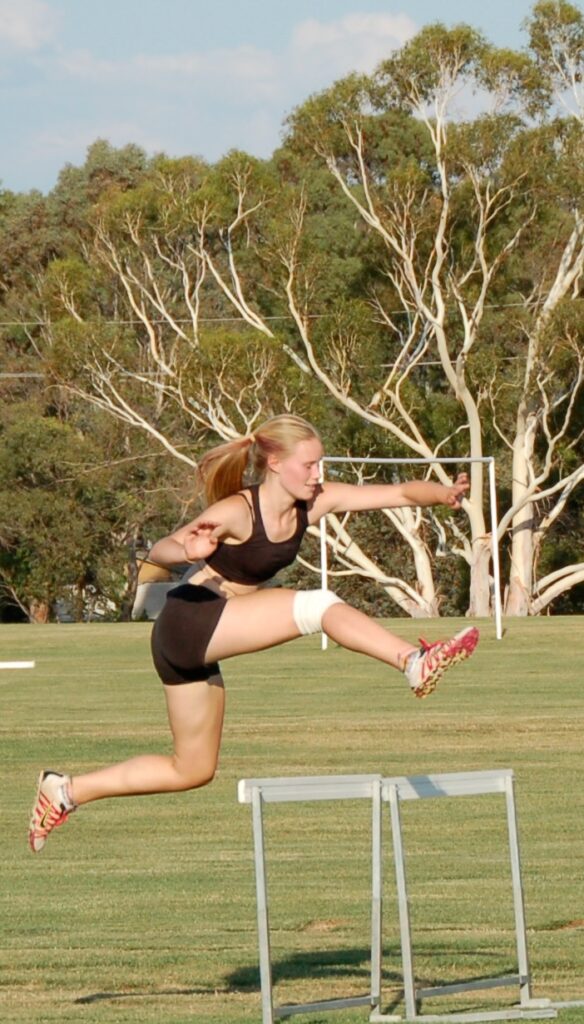
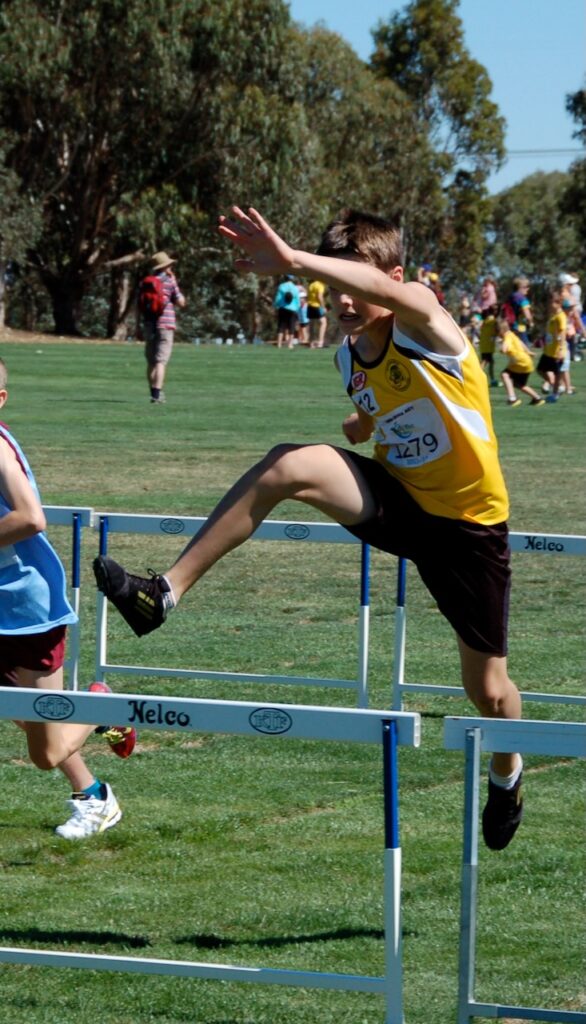
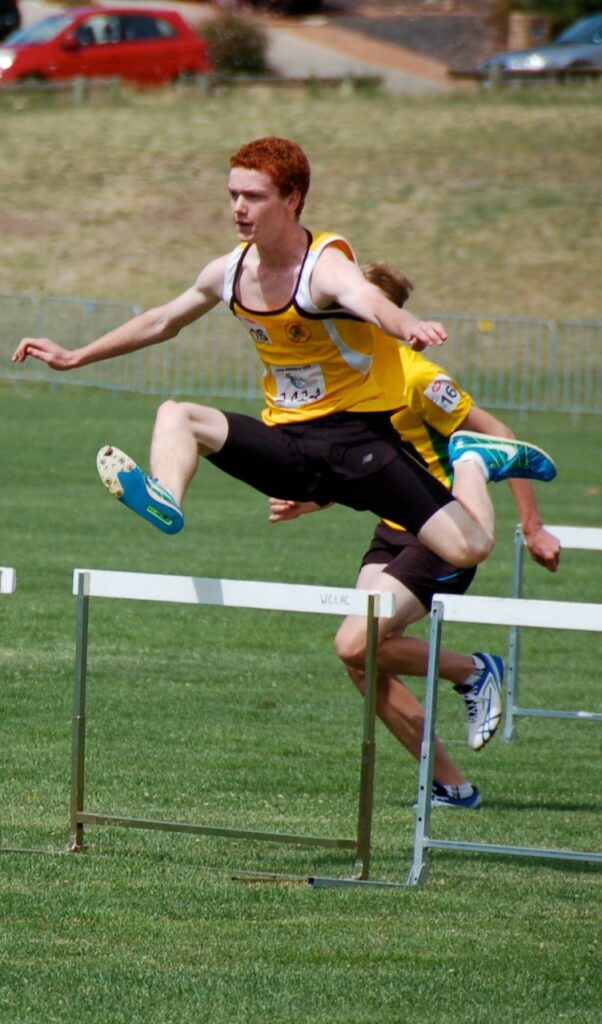
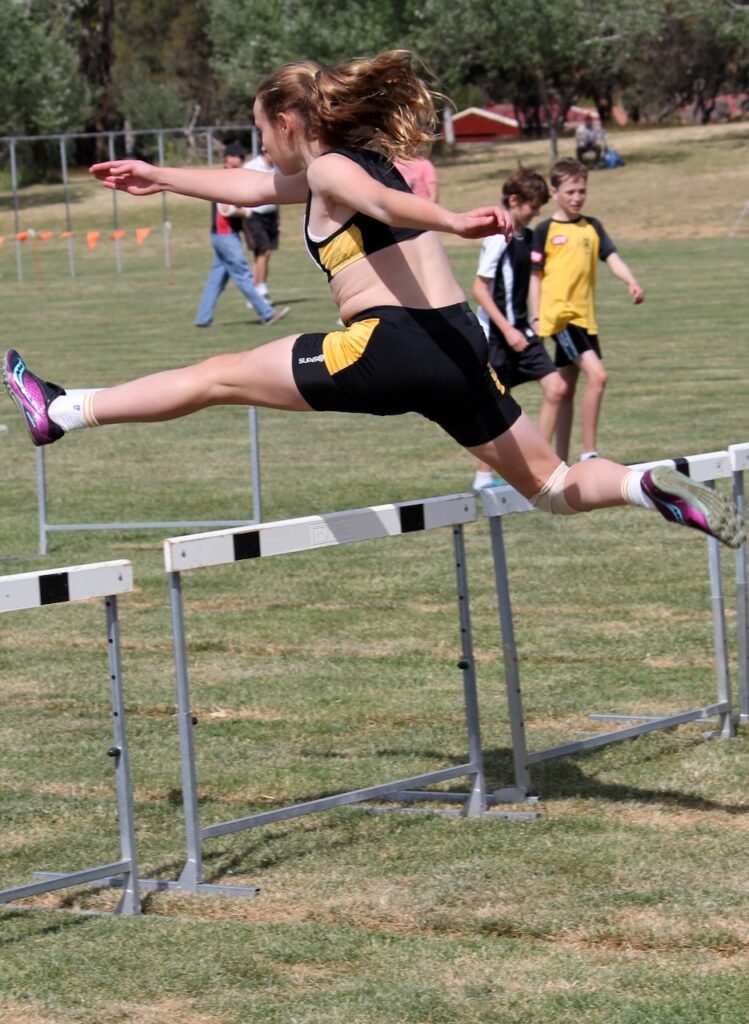
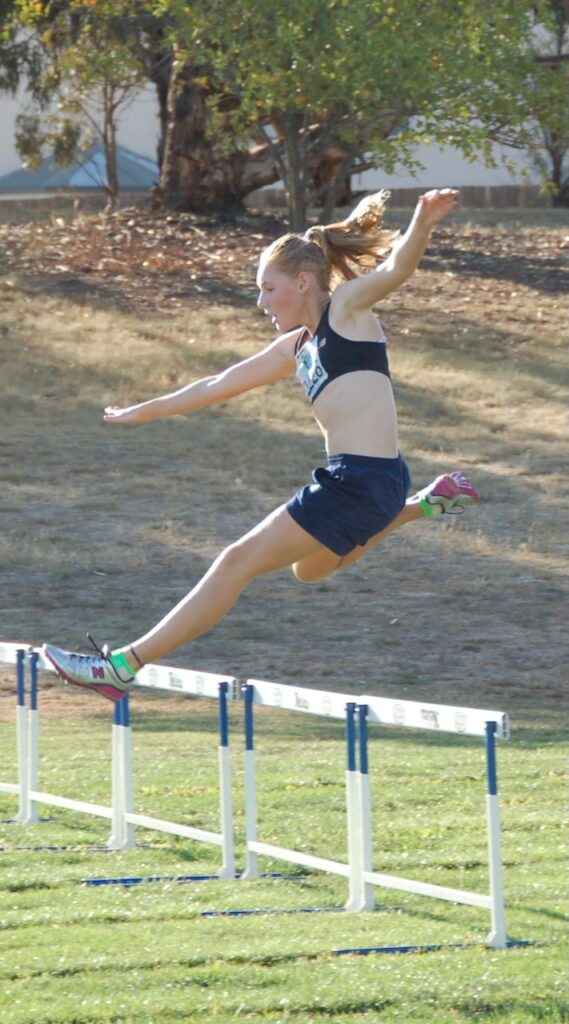
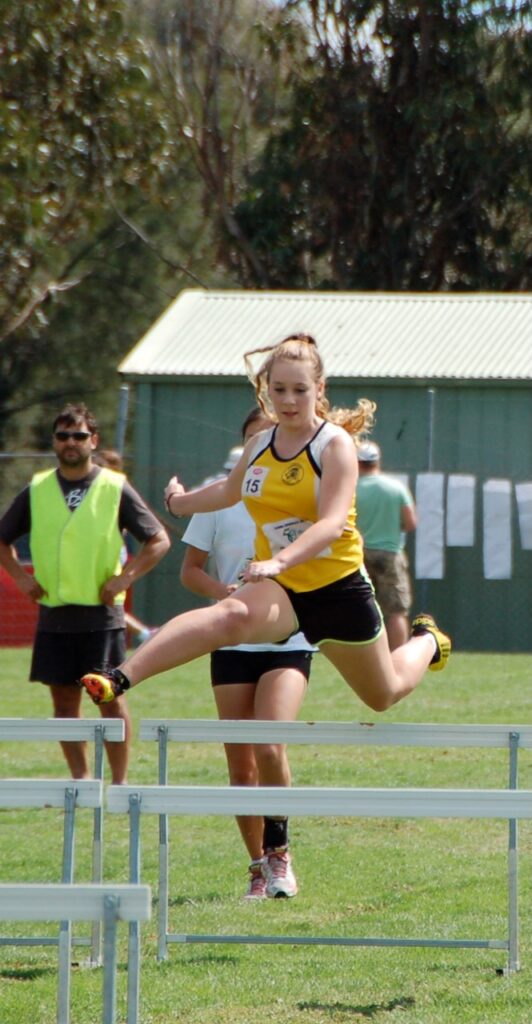
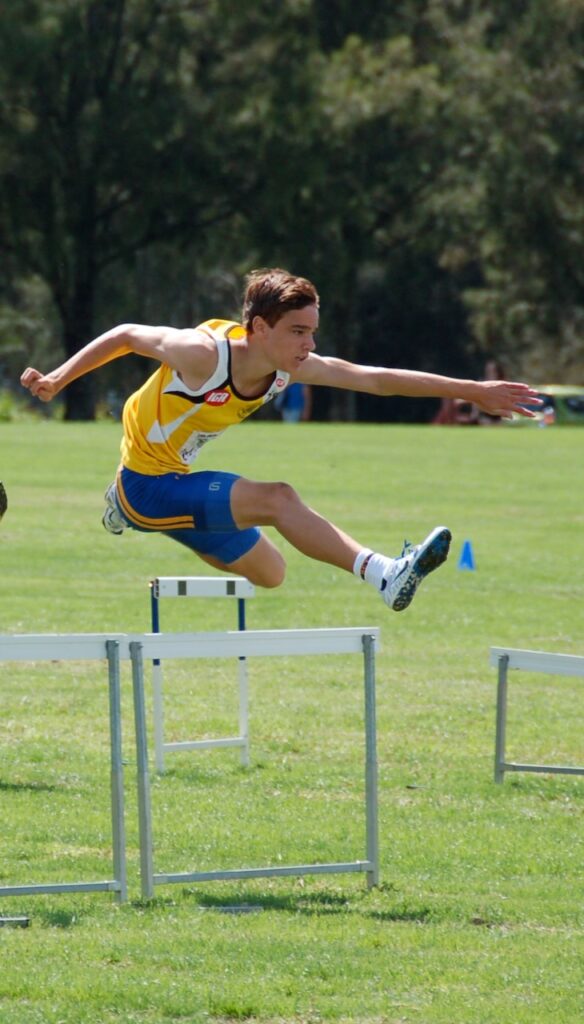
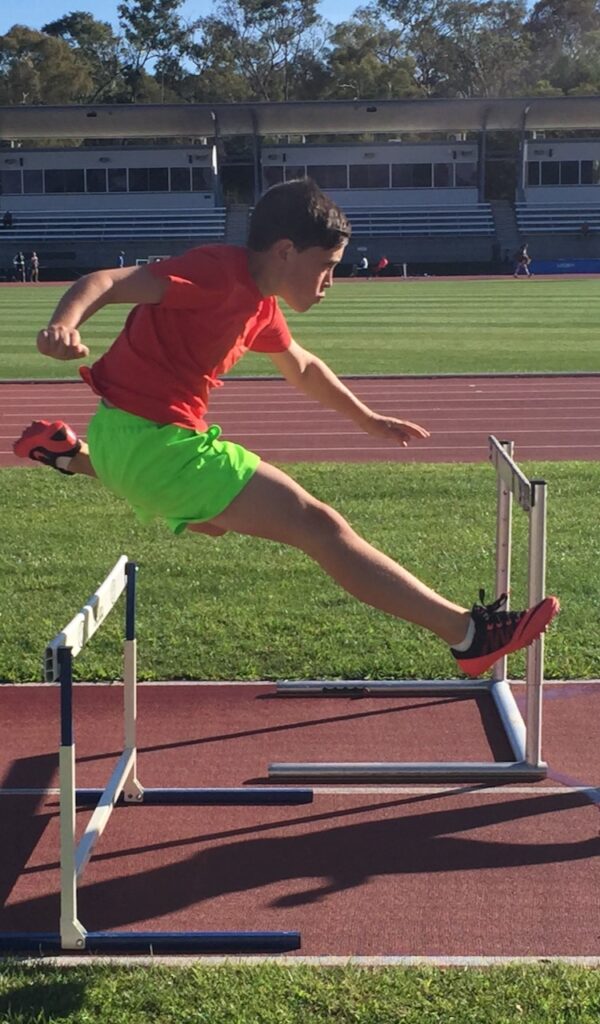
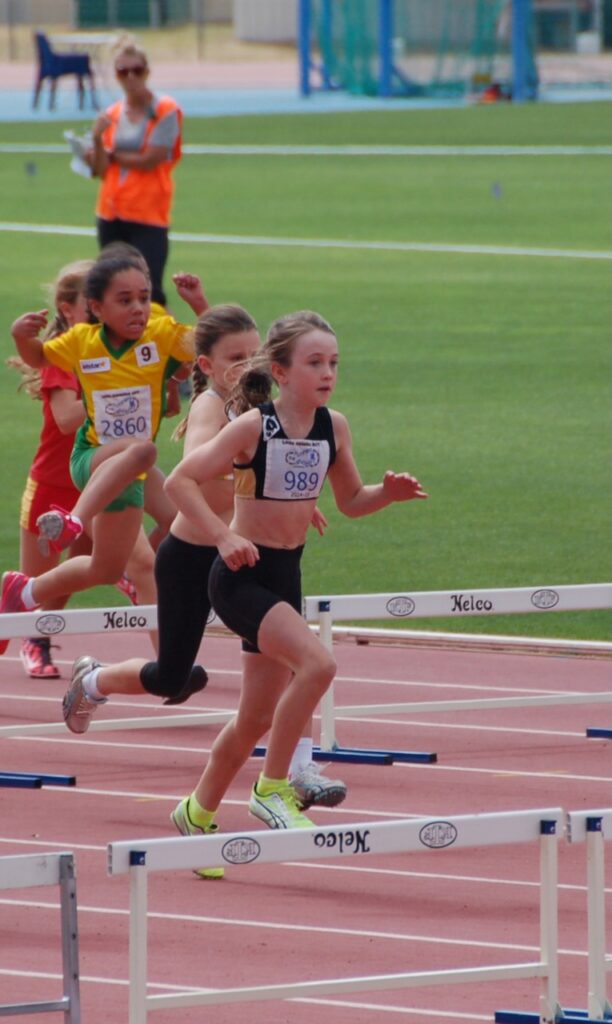
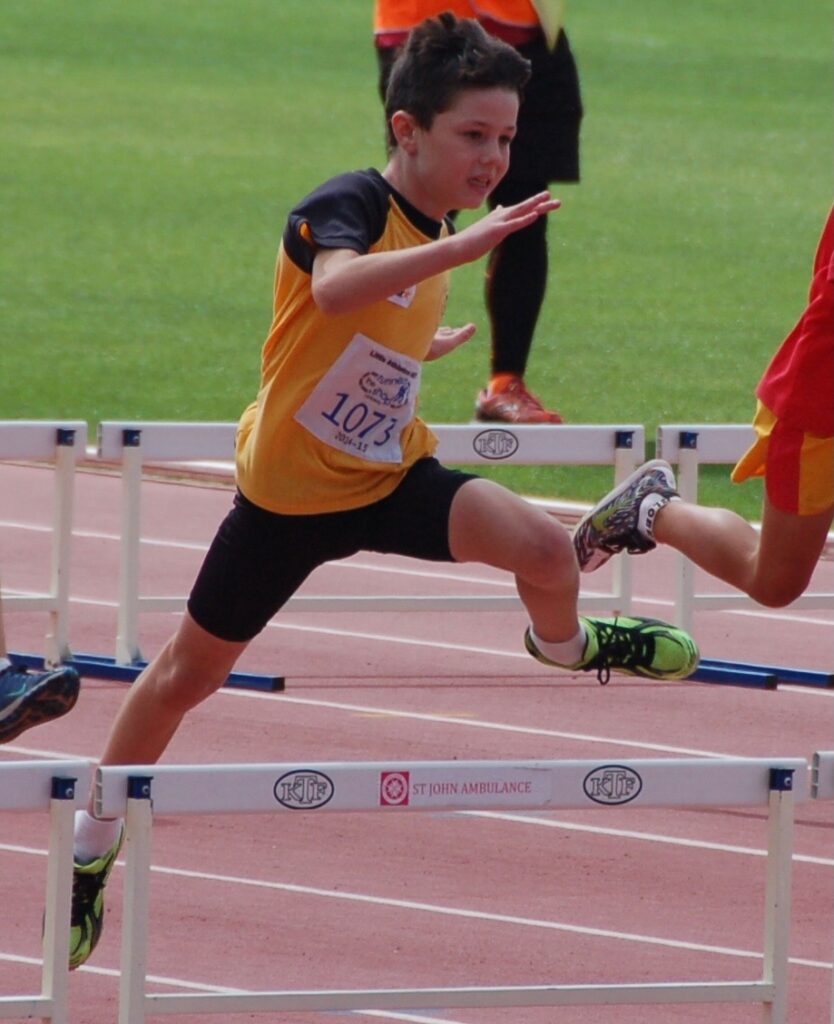
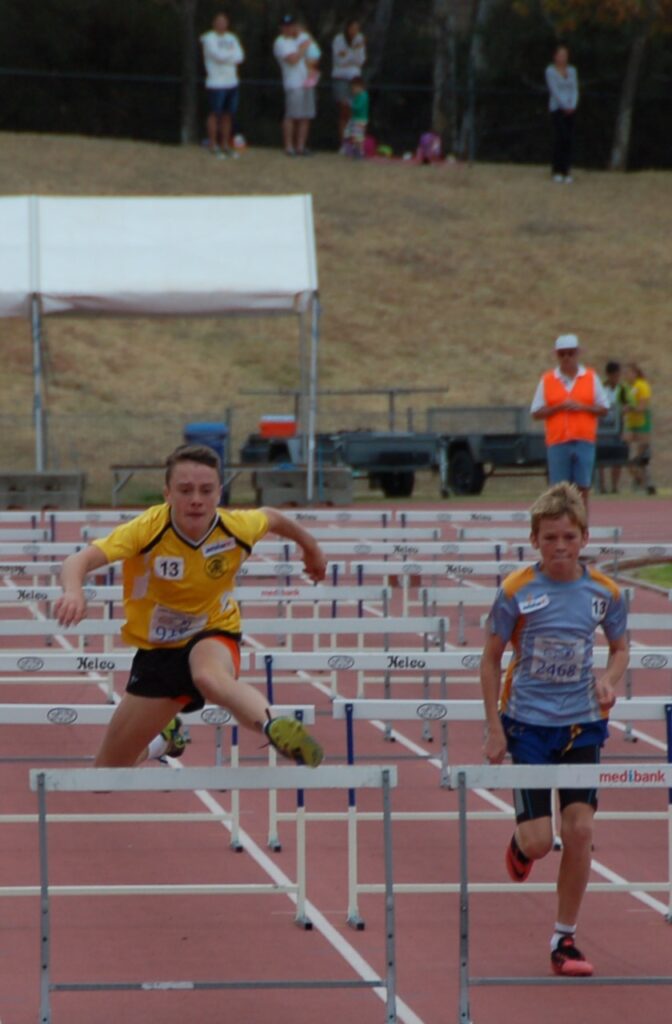
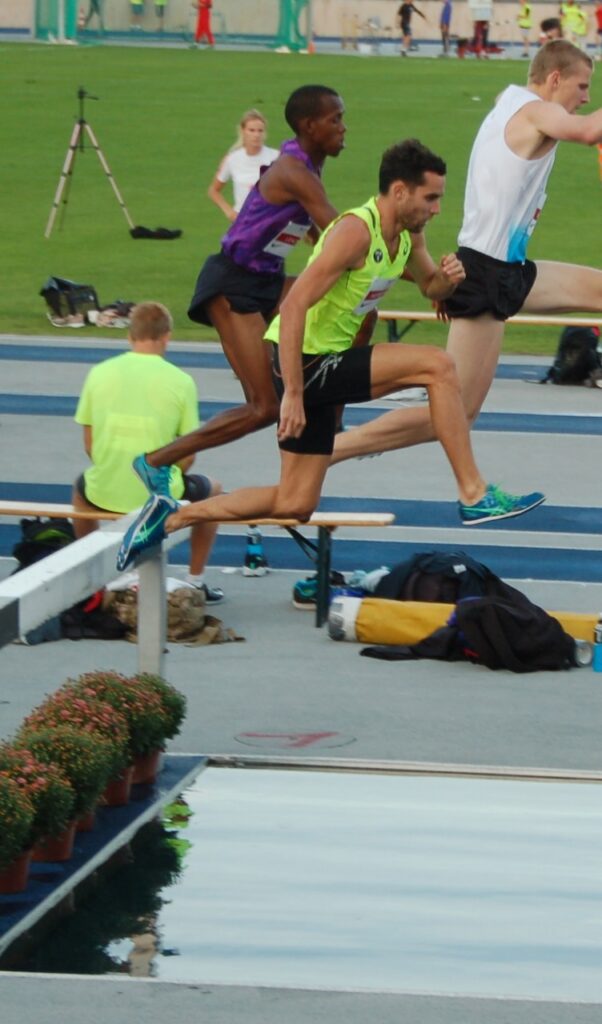
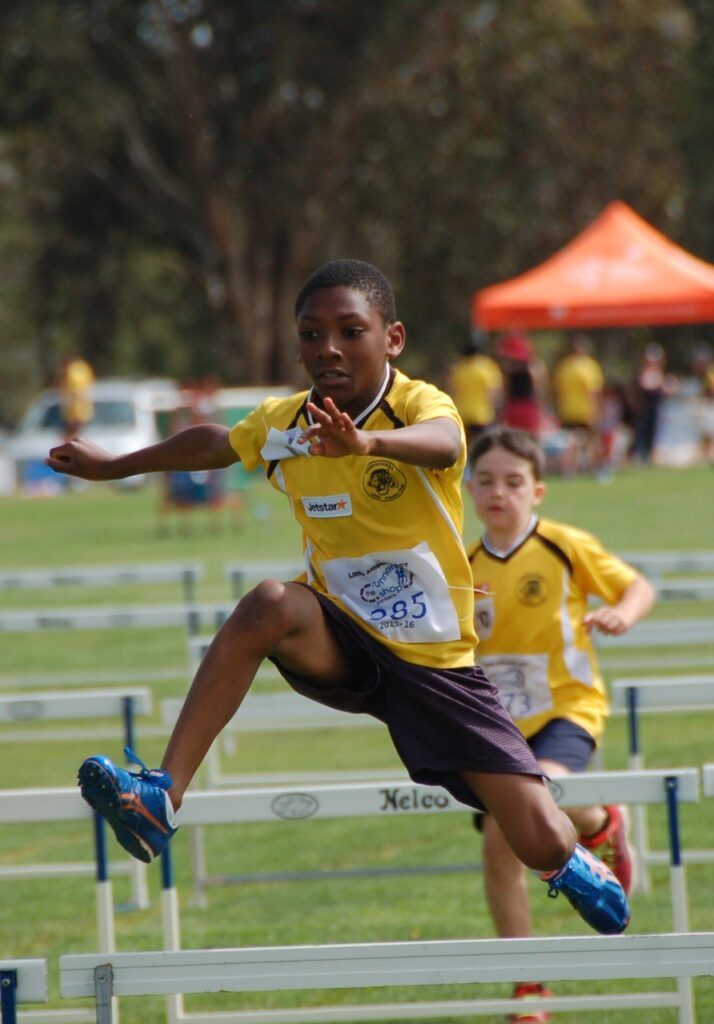
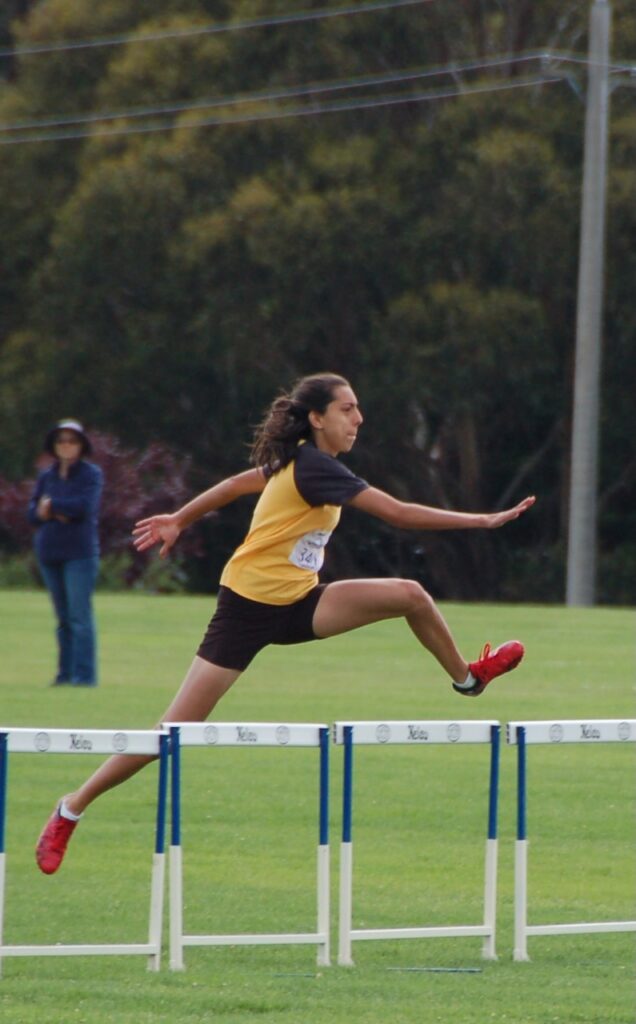
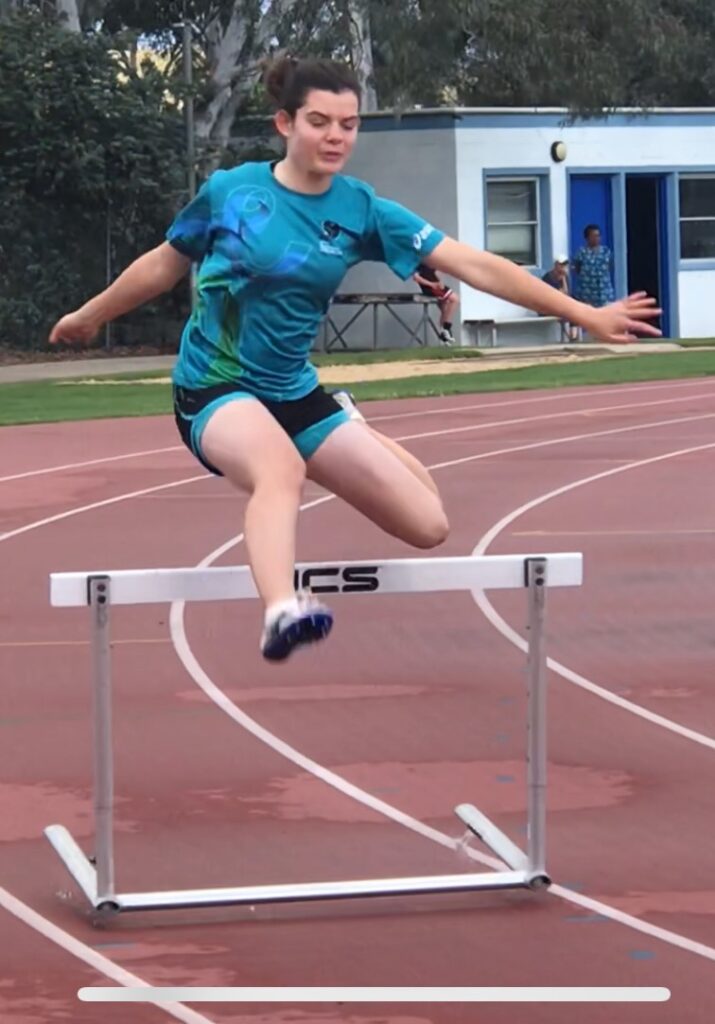
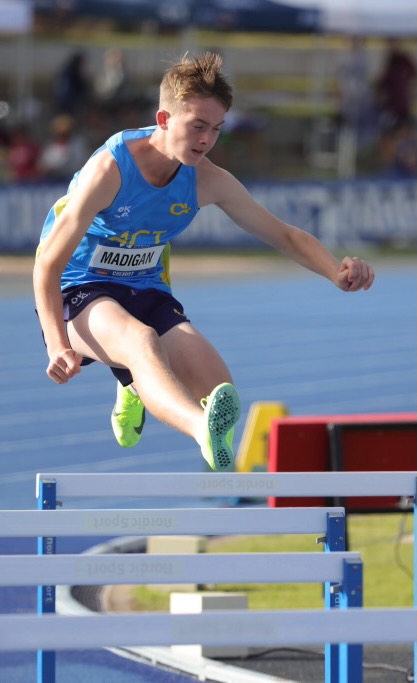
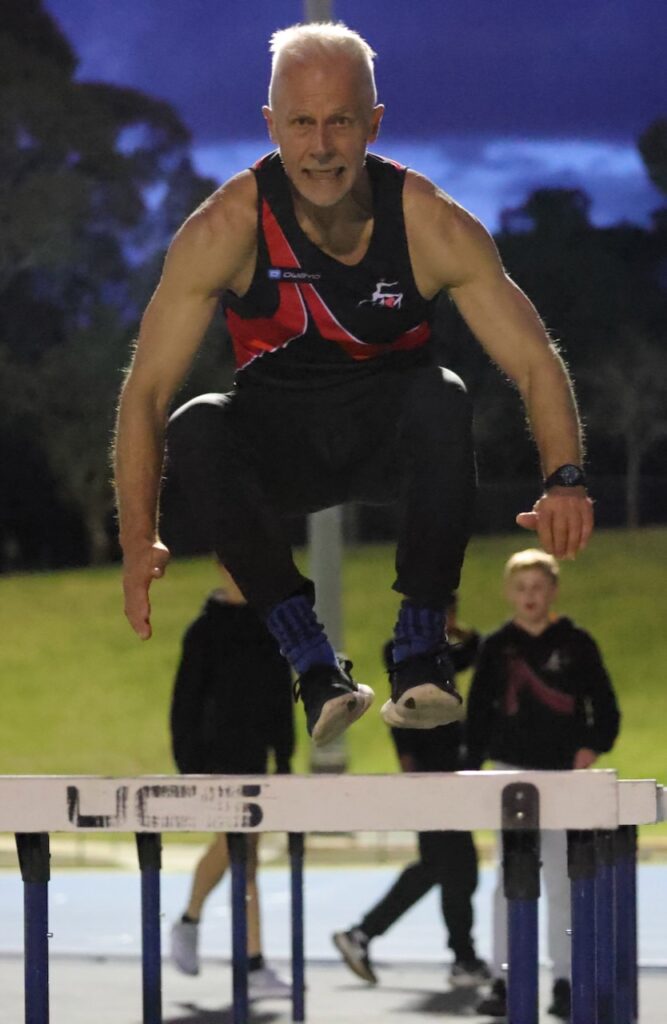
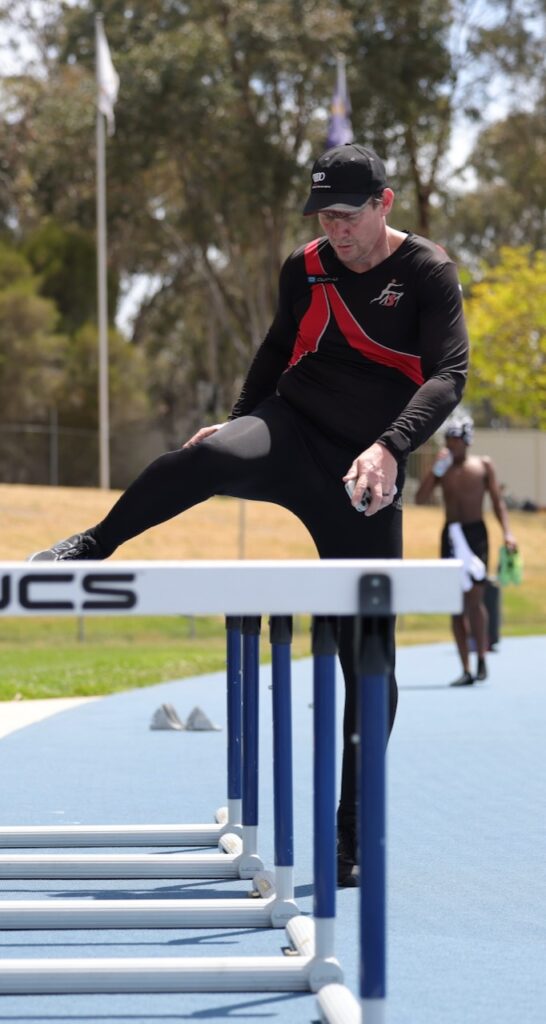
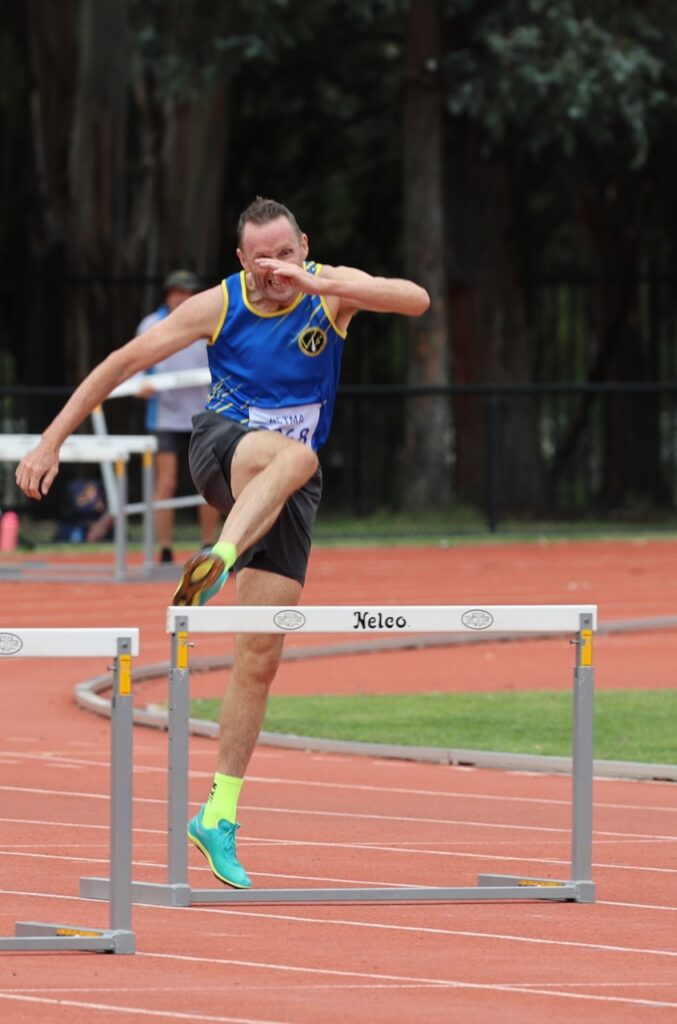
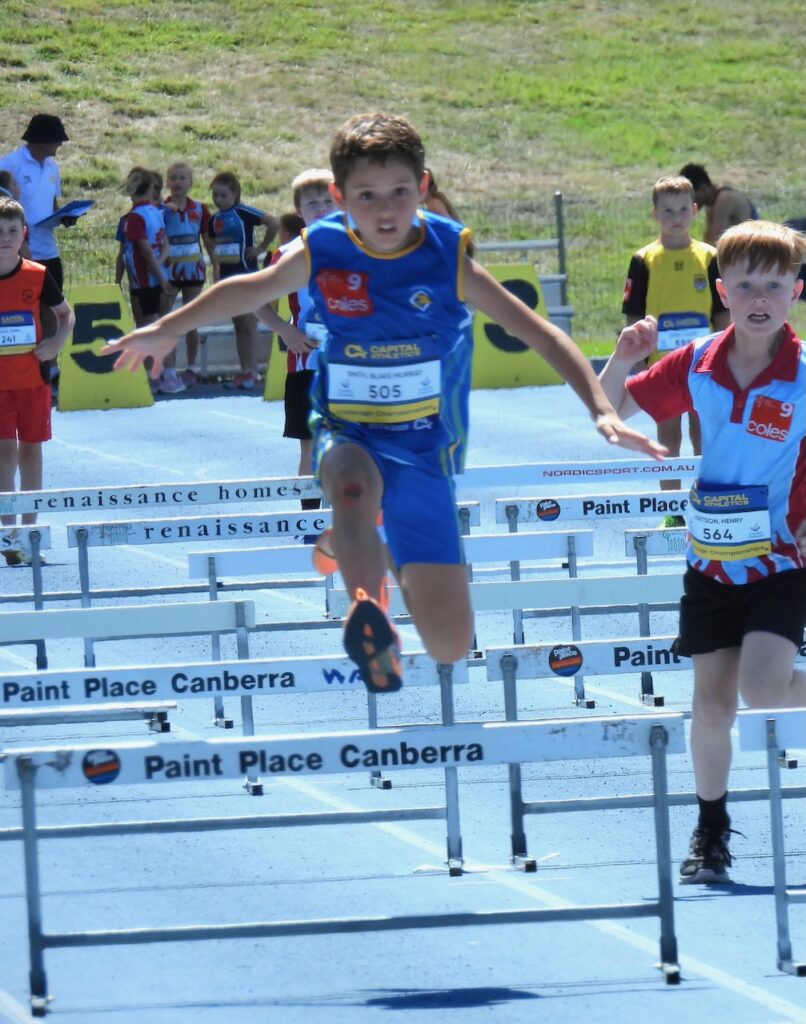
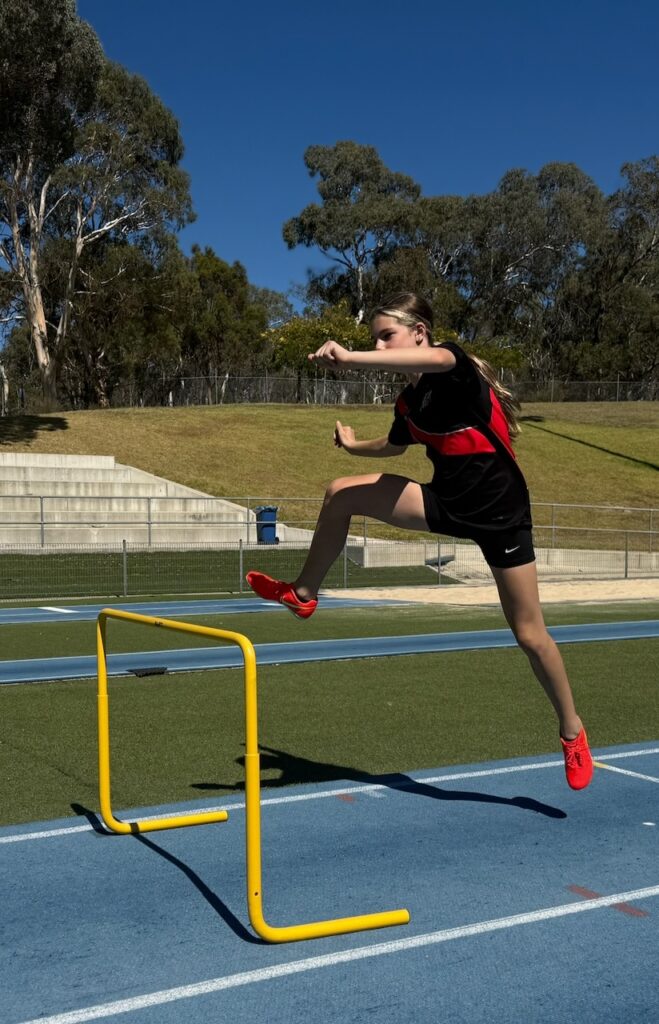
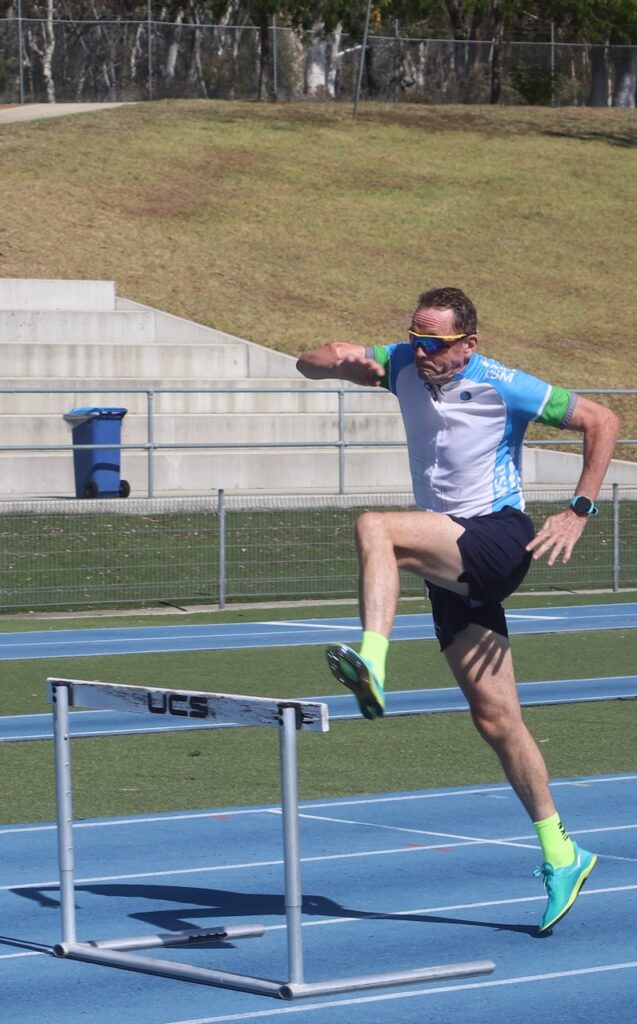
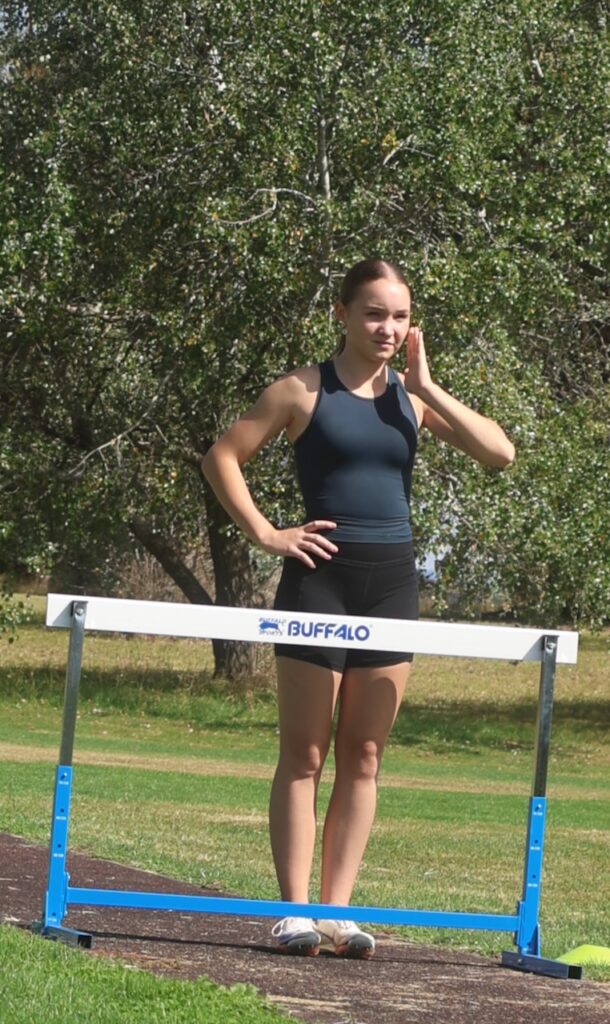
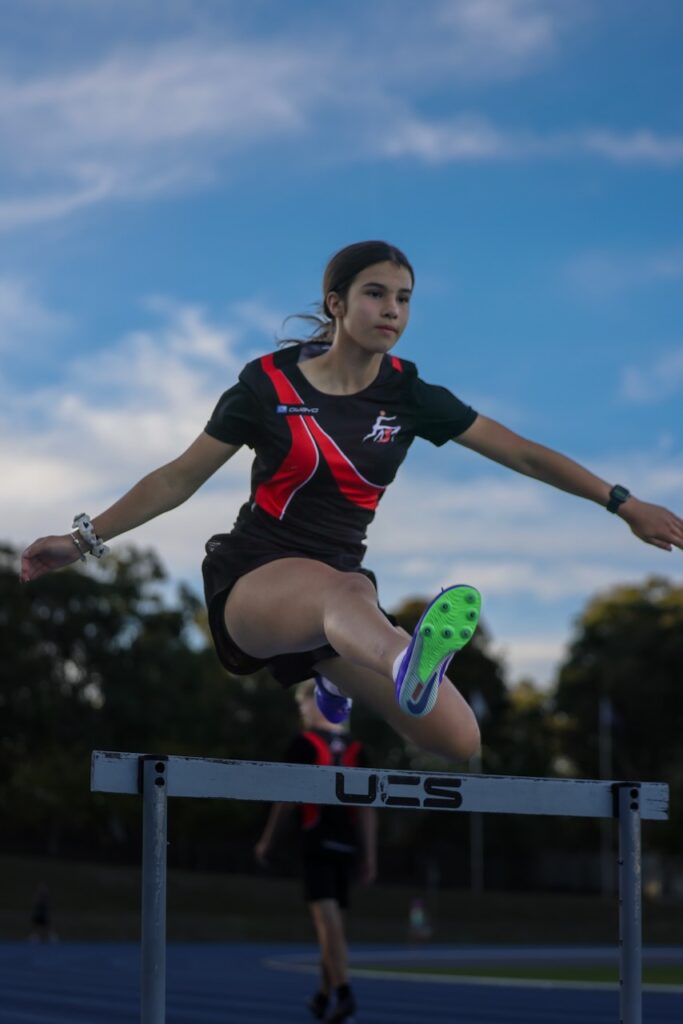
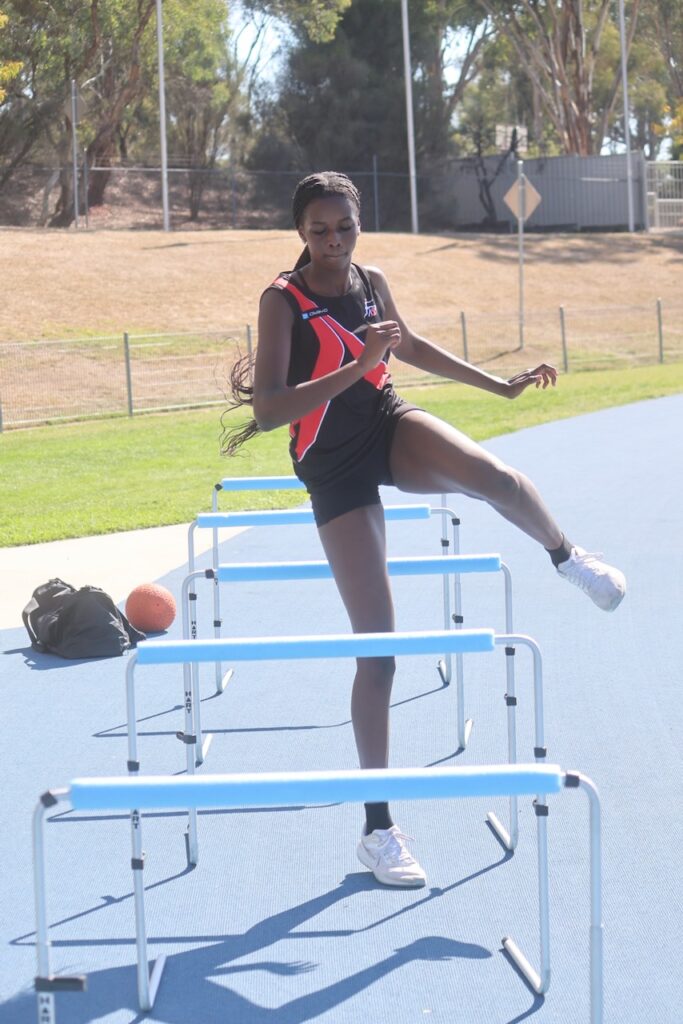
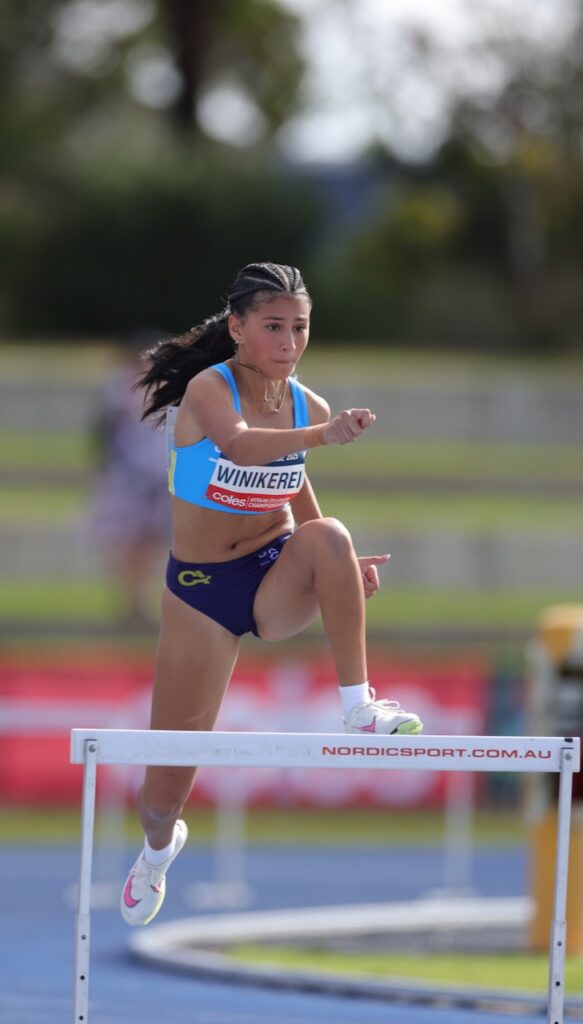
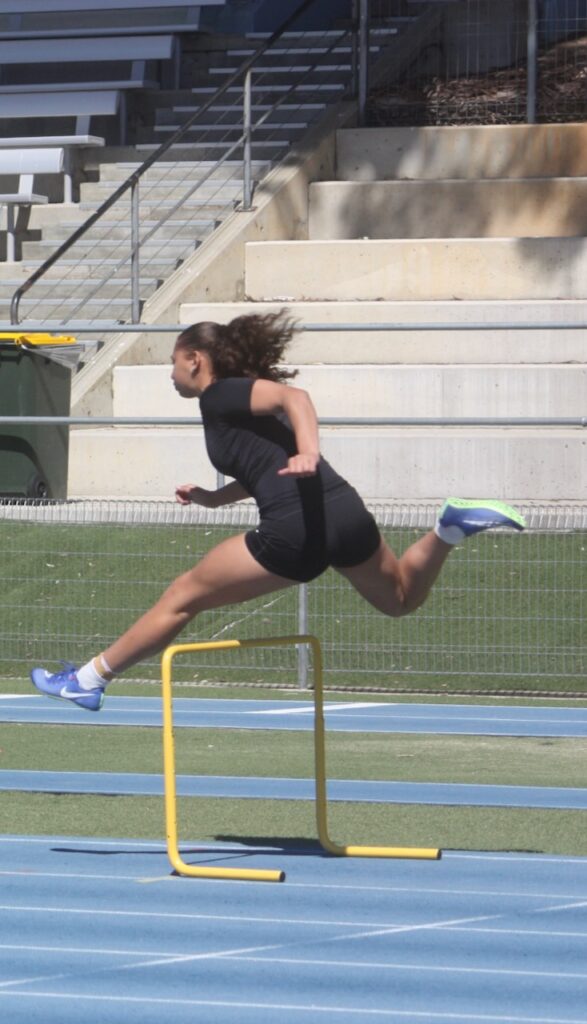
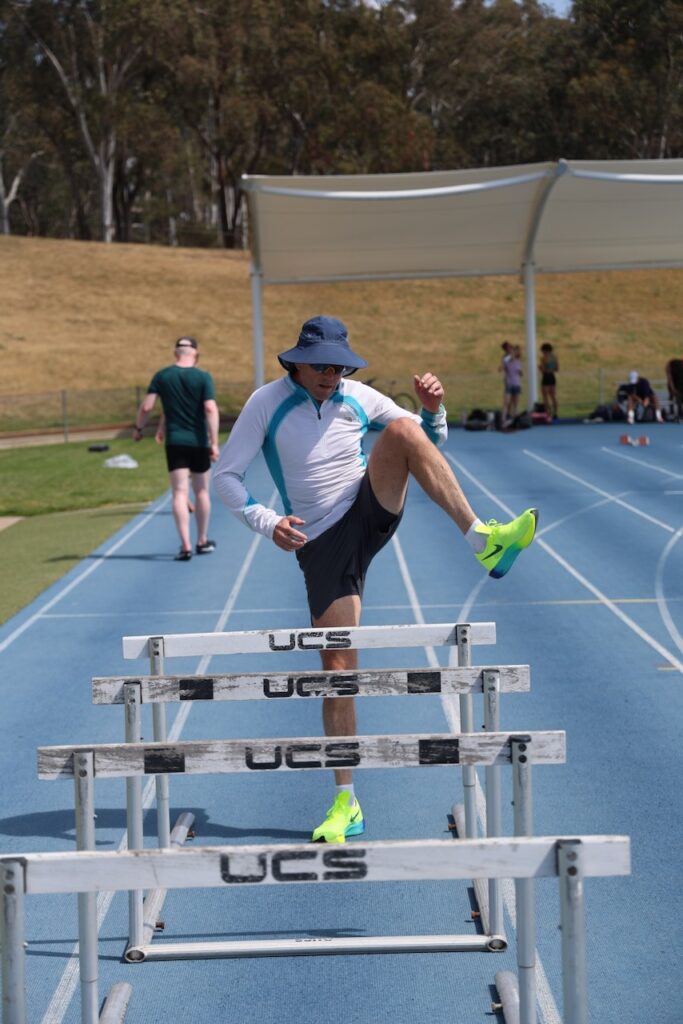
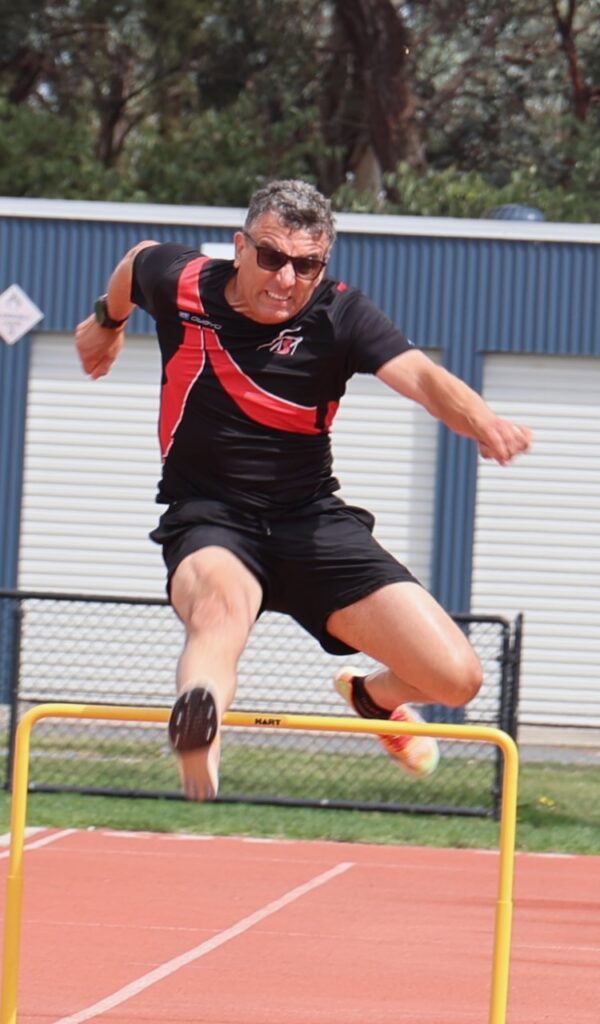
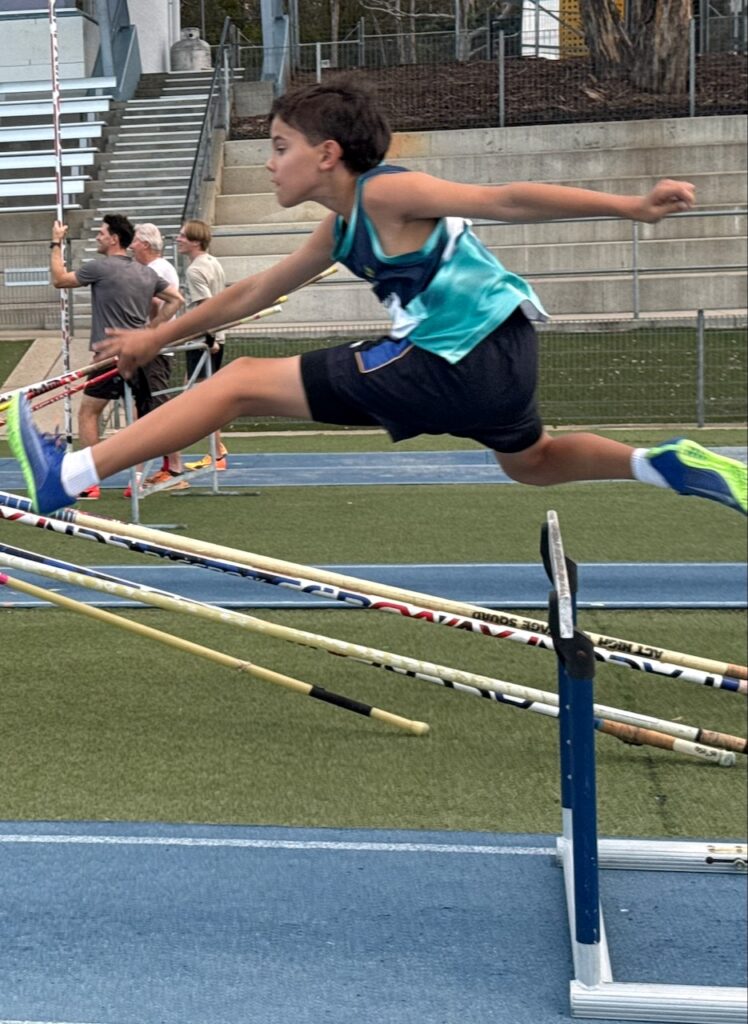
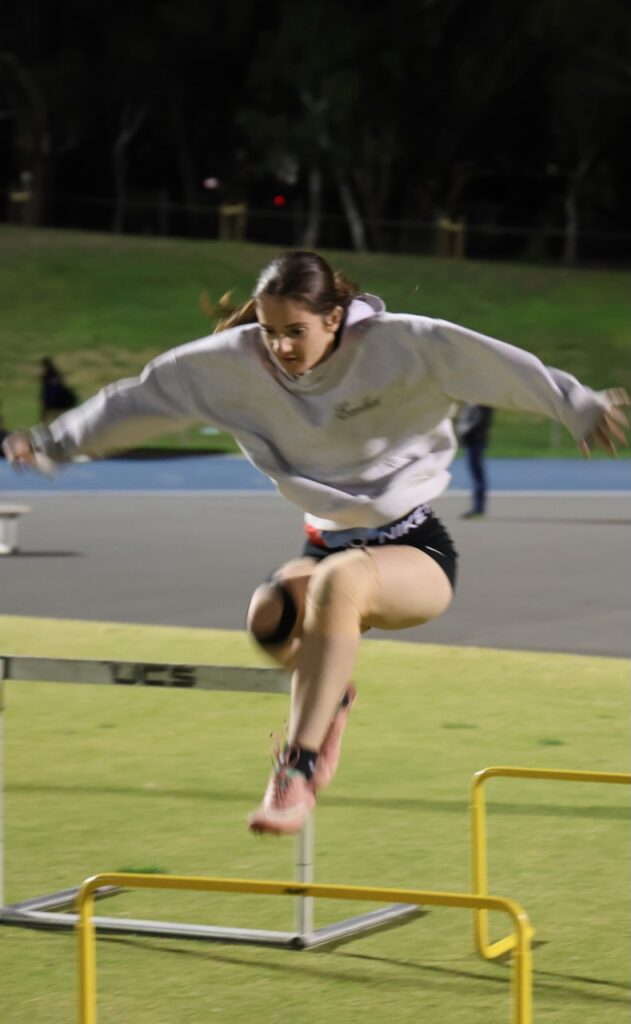
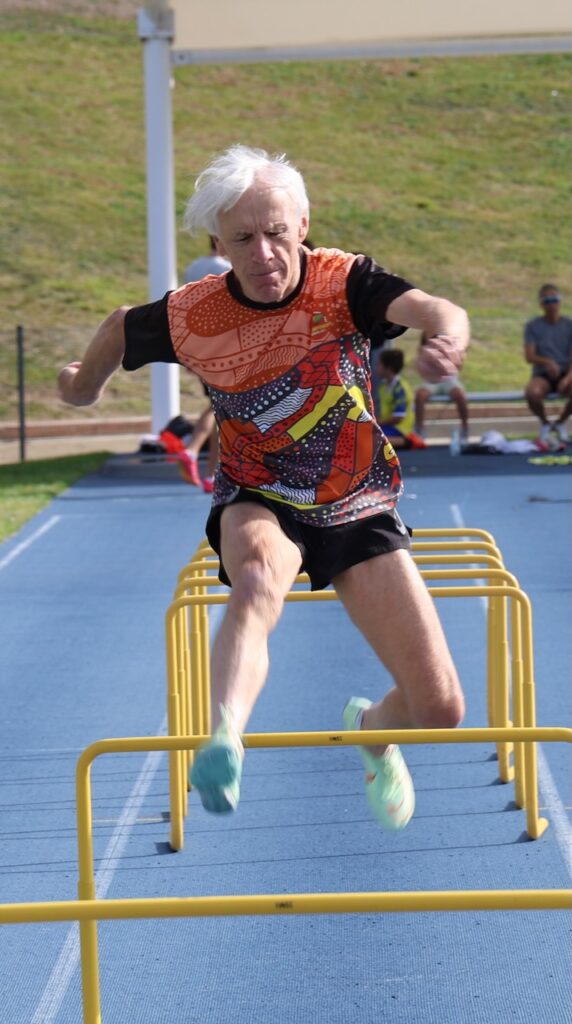
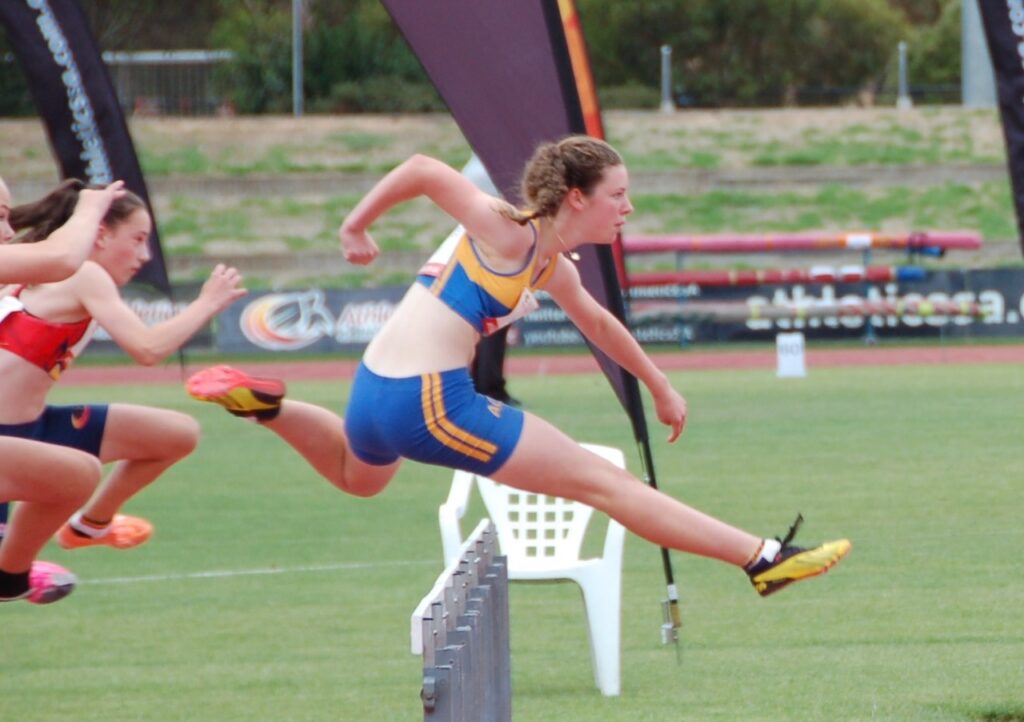
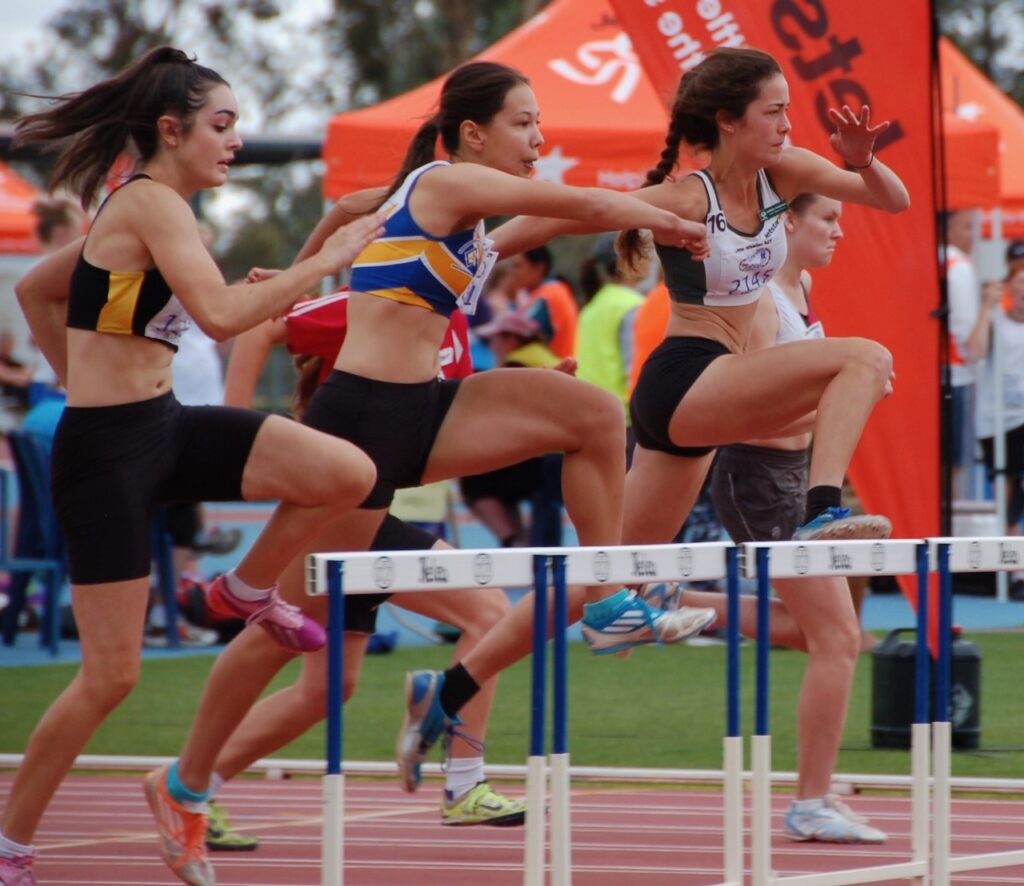
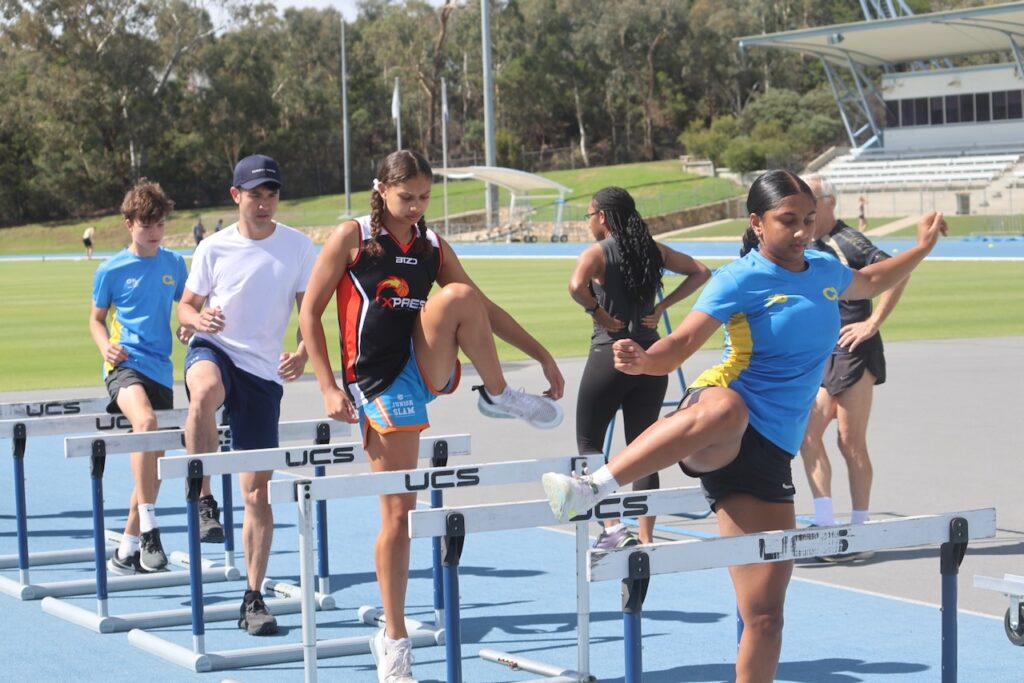
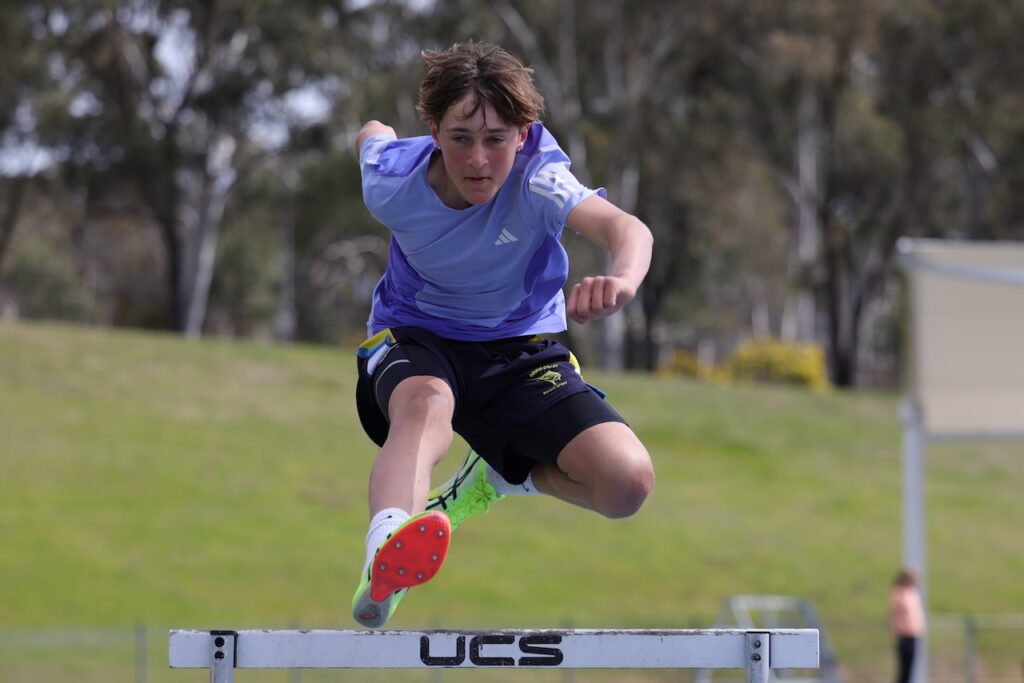
Looking back through photographs from across the years, it’s remarkable to see the different generations of hurdlers who have contributed to that history. Some began their journey with FAST as children, others arrived as experienced competitors looking to refine their technique, and many discovered hurdling through our broader athlete development programs.
Their journeys have been different, but each has contributed to the knowledge, experience and coaching culture that continues to shape our hurdle program today. Hurdling isn’t simply another event we offer at FAST Running. It’s part of our DNA.
A History of Hurdling Excellence
FAST Running’s history includes athletes who have achieved success at virtually every level of competition, from local athletics carnivals through to the international stage.
John Lamb has achieved world championship success, James Nippress has competed at Diamond League meets and the Commonwealth Games, and Matt Walters has claimed Oceania championship honours. Bree, John and James have achieved national championship success across the hurdles and steeplechase, while John, Bree, David O’Keefe, Matt and Mohammad Zaid have all stood on national championship podiums.
Our history of national finalists extends further, including Maja, Tearia, Isabel, Tom and Peter, while Tom, David Unger and Matt have established ACT records. Beyond those achievements are many more ACT championship medallists, finalists and developing athletes whose personal improvements have been equally important parts of our story.
Our hurdle coaching is led by FAST Running Head Performance Coach Steve Dodt, himself a former national hurdles champion and a World Athletics Level 4 Sprints and Hurdles Coach. Combining personal competitive experience with decades of athlete development provides a foundation for understanding both the technical demands of hurdling and the challenges athletes encounter throughout their development.
That collective experience matters because successful hurdle coaching requires considerably more than knowing how to clear a hurdle. It requires an understanding of sprint mechanics, rhythm, coordination, acceleration, physical preparation and the individual characteristics that influence how each athlete approaches the event.
While we’re proud of our championship achievements, we’re equally proud of the athletes who have developed the confidence to compete in hurdles for the first time. Every international athlete began somewhere, and creating positive experiences at the grassroots level remains an important part of what we do.
Hurdling Is Running
One of the fundamental principles of our hurdle coaching at FAST is that hurdling is an extension of running. The objective is not simply to get over an obstacle, but to negotiate it while maintaining as much forward momentum, rhythm and running efficiency as possible.
Developing an effective hurdler therefore begins with developing an effective runner. Acceleration, posture, ground contact, coordination and the ability to apply force efficiently all contribute to an athlete’s capacity to negotiate hurdles at speed.
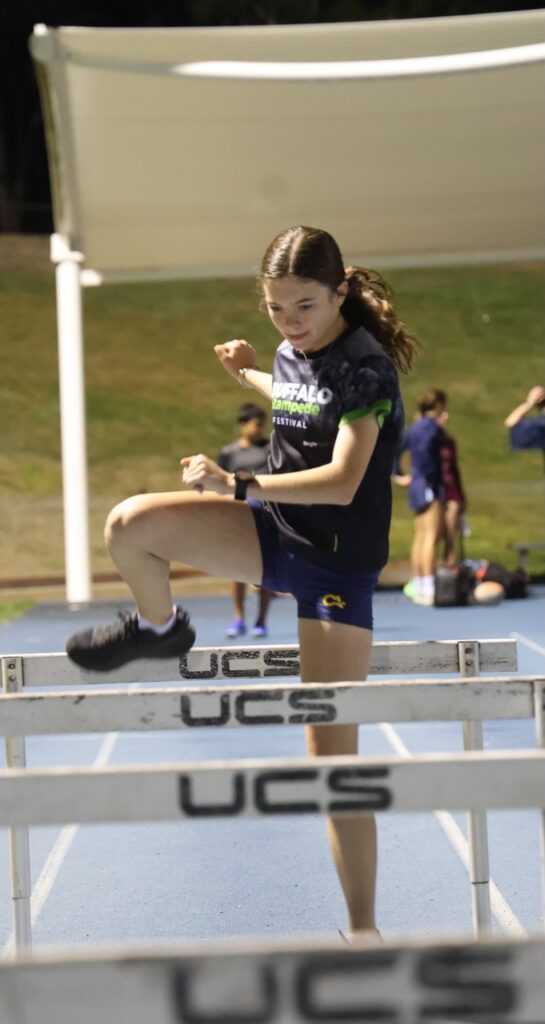
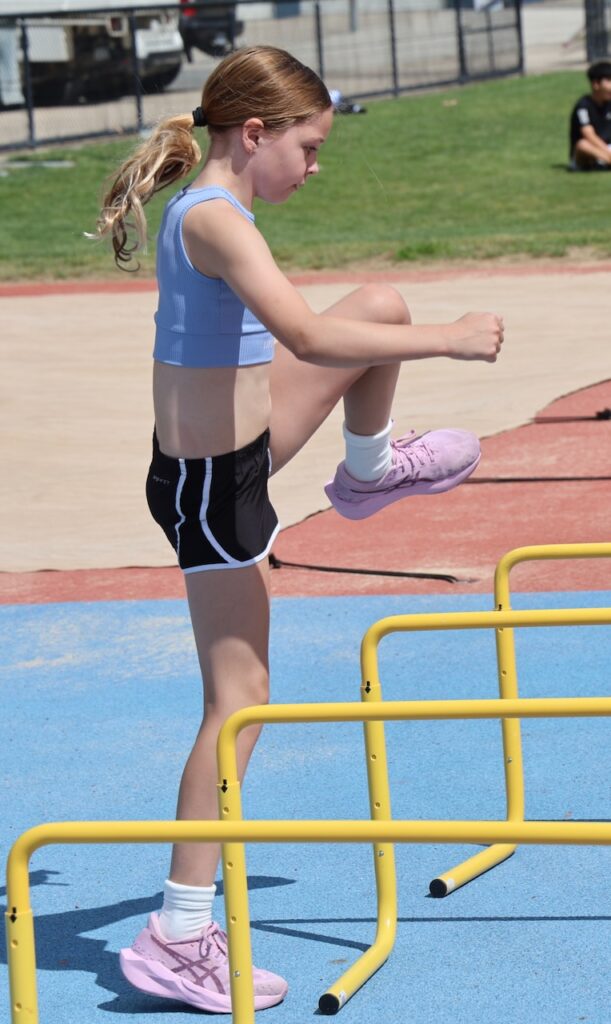
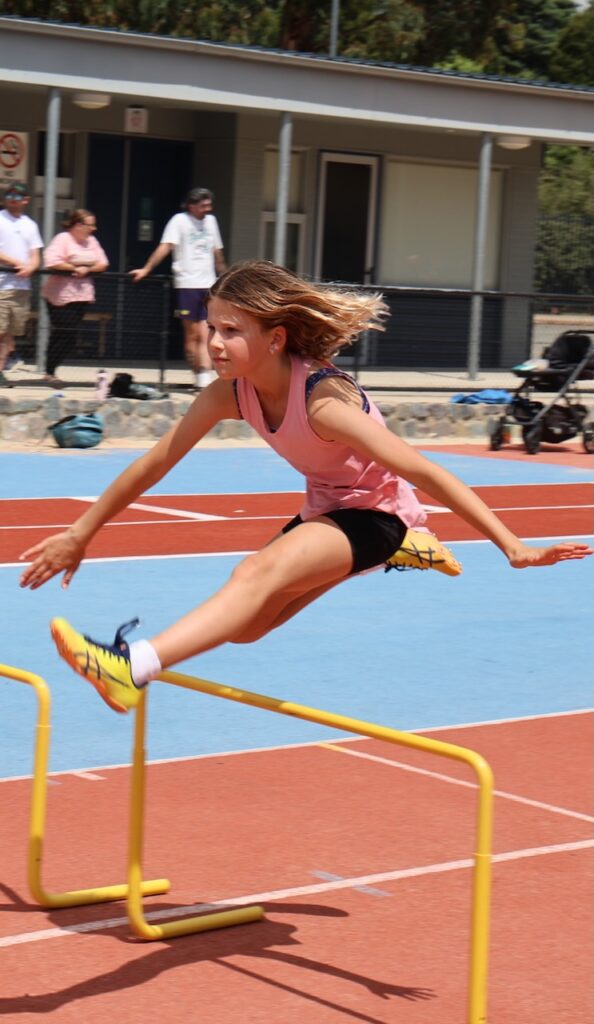
From those foundations, we introduce the specific technical qualities required for hurdling, including the approach to the first hurdle, take-off position, lead and trail leg coordination, touchdown mechanics and the rhythm between hurdles. These elements are developed progressively, allowing athletes to build confidence and understanding before increasing the complexity or intensity of their training.
We don’t expect every athlete to look identical over a hurdle. Differences in height, limb length, speed, strength, mobility and experience influence how an athlete executes the event. Our responsibility as coaches is to understand those individual characteristics and help each athlete develop a solution that allows them to hurdle efficiently and confidently.
The same philosophy extends across the sprint hurdles, long hurdles and steeplechase. While each discipline presents different technical and physical demands, the ability to maintain effective running mechanics while negotiating barriers remains fundamental.
From the First Hurdle to High Performance
One of the strengths of FAST Running is our ability to support athletes throughout their development, rather than concentrating exclusively on those who have already demonstrated competitive success.
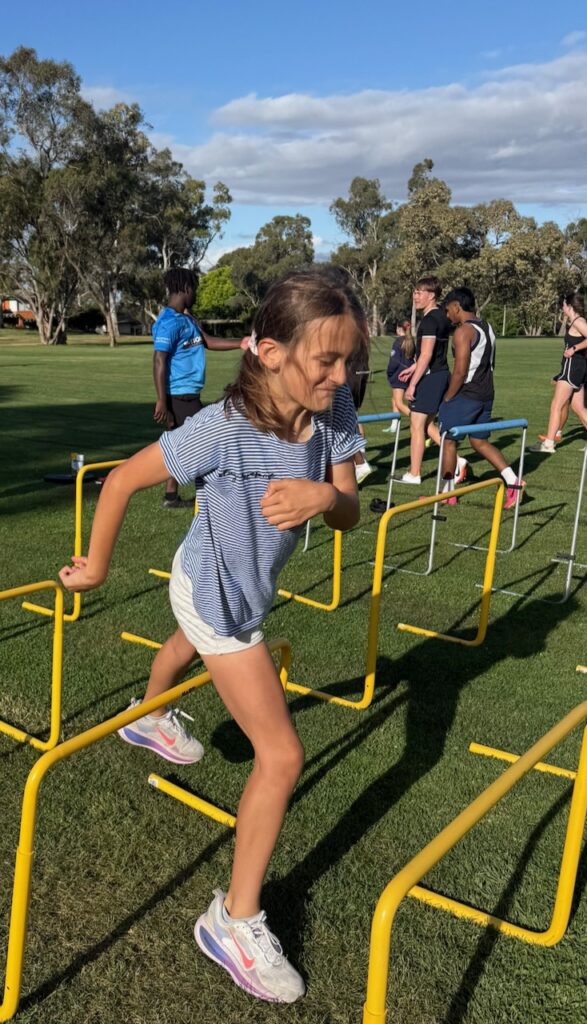
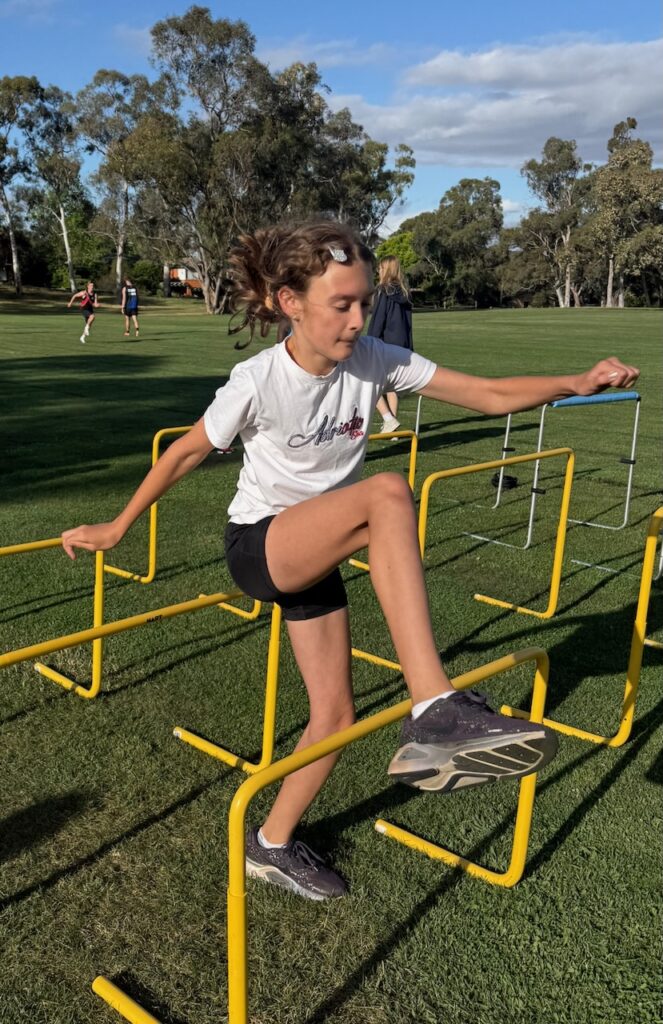
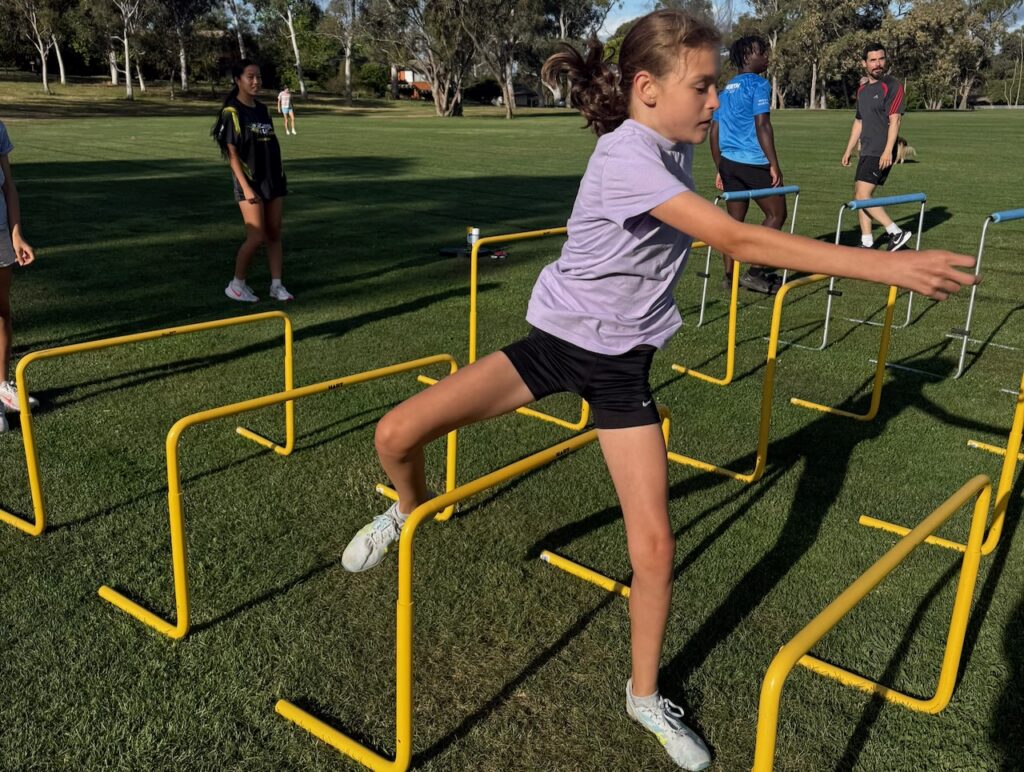
Within FAST Kids and FAST Accelerate, younger athletes have opportunities to explore rhythm, coordination, movement over obstacles and the fundamental running skills that provide a foundation for future hurdle development. These experiences are designed to build confidence and enjoyment while introducing movement challenges appropriate to their age and ability.
As athletes develop, our more specialised programs within FAST Track introduce increasingly technical aspects of hurdling, helping them understand the demands of competition and develop the physical qualities required to perform their events effectively.
Within FAST Performance, hurdle development becomes part of a comprehensive and individualised approach to athletic preparation. Sprint development, technical hurdle sessions, strength and conditioning, Pilates, mobility, physical resilience, recovery and competition preparation are integrated according to the needs of the athlete.
For an experienced hurdler, that might involve refining the approach to the first hurdle, improving touchdown positions or developing greater consistency between hurdles. For a 400m hurdler, it may also involve developing stride patterns, speed endurance and the ability to maintain technical efficiency under fatigue.
Our approach is guided by the athlete’s current capabilities and long-term ambitions, rather than expecting everyone to progress through the same training prescription at the same rate.
Whether the goal is to compete confidently at a school athletics carnival, qualify for an ACT championship, reach a national final or pursue international competition, we have the experience and coaching framework to support that journey.
Taking Hurdling Across Canberra
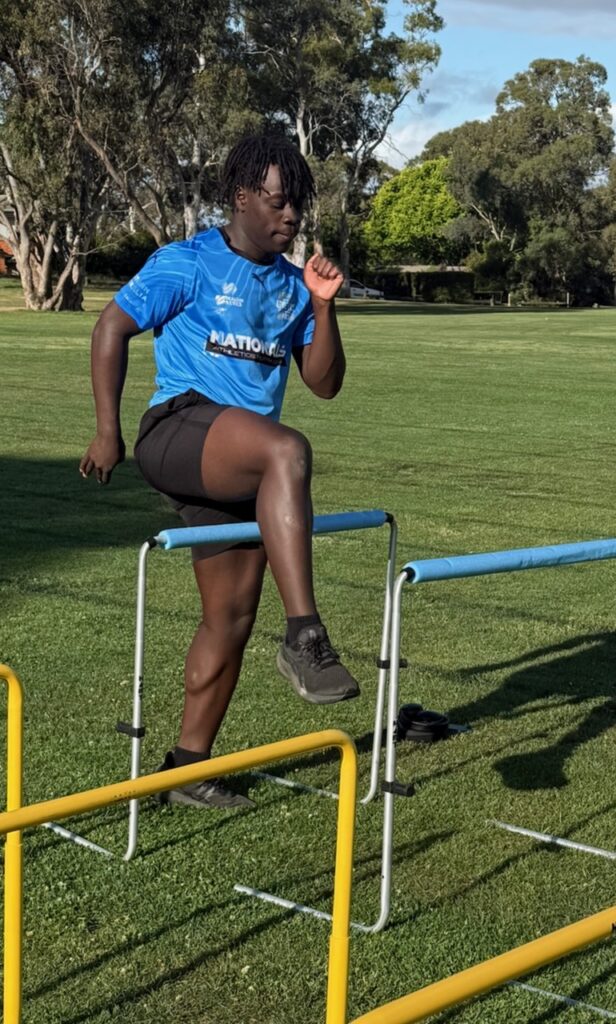
Specialist hurdle coaching requires access to appropriate equipment, and we’ve made a considerable commitment to ensuring that our athletes have opportunities to develop their skills across our different training environments.
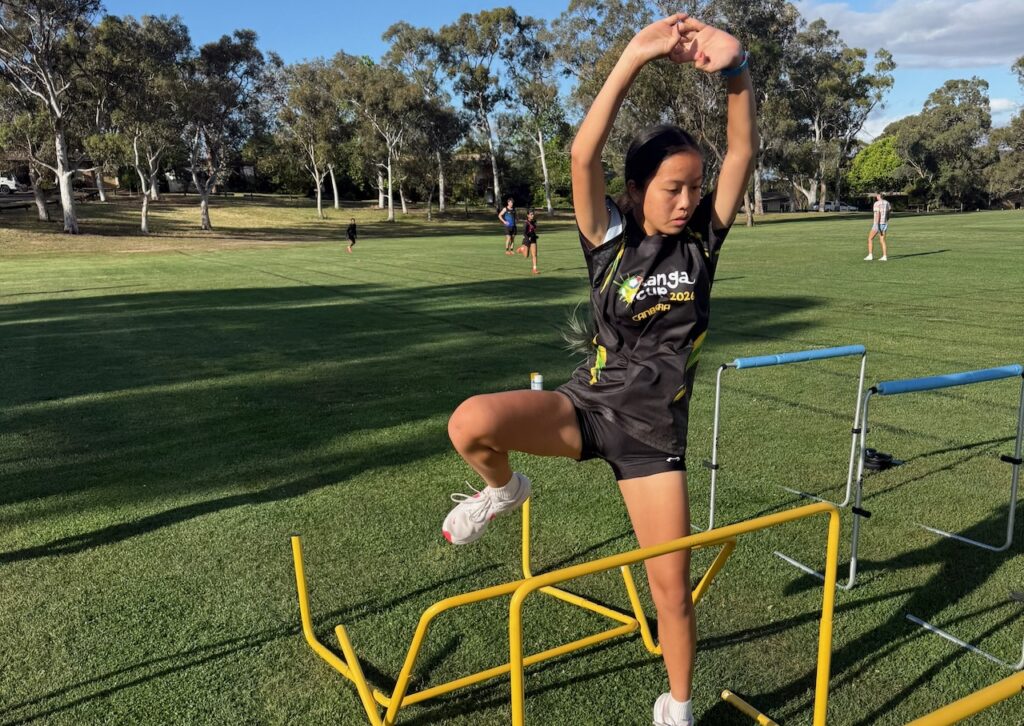
With the FAST Buzz fully loaded with hurdles, starting blocks and specialist training equipment, we’re able to deliver purposeful technical sessions at locations on both the northside and southside of Canberra.
That flexibility allows us to bring coaching and equipment to our athletes, rather than relying exclusively on a single athletics facility. It also creates opportunities to adapt training environments, explore different teaching progressions and provide athletes with access to specialist equipment appropriate to their stage of development.
Our investment in equipment reflects our commitment to the discipline. Having hurdles available is one thing; having the coaching knowledge to manipulate hurdle heights, spacing, approach distances and training tasks to achieve a particular technical outcome is another.
Not every hurdle session needs to reproduce competition specifications. Adjusting the training environment can help athletes develop rhythm, improve confidence, explore movement solutions and progressively build towards the demands of their event.
The equipment provides the opportunity, while the coaching gives it purpose.
Developing the Next Generation of Hurdlers
One of the most rewarding aspects of looking back through our photographs is seeing how generations of FAST athletes have inspired those who followed them.
Our younger athletes have the opportunity to observe experienced hurdlers in training, learn from their approach and develop an understanding of what is possible through consistent preparation. Our more experienced athletes, in turn, contribute to an environment where knowledge, encouragement and experience can be shared.
Recent achievements from athletes such as Bree Madigan Wong and Mohammad Zaid demonstrate that our hurdling story continues to evolve, both here in Canberra and internationally through FAST Running’s coaching program in Pakistan.
Bree’s national championship success and recent Ginninderra Athletics hurdles records reflect the exciting development taking place among our younger athletes, while Zaid’s national bronze medal in the 400m hurdles demonstrates how our coaching principles can be adapted to athletes training in very different environments.
These achievements are part of a much bigger picture. We’re continuing to develop athletes across different hurdle distances, ages and abilities, while remaining committed to learning, innovation and improving our own coaching practices.
Our history gives us confidence in what we do, but it also gives us a responsibility to continue developing the program. The next generation of FAST hurdlers deserves the same opportunities, attention and commitment that helped shape the athletes who came before them.
Your Hurdling Journey Starts Here
If you’ve ever watched a hurdle race and wondered whether it might be an event for you, we’d love to help you explore that possibility.
Perhaps you’re a young athlete preparing for your first hurdle competition, a sprinter interested in trying a new discipline, a school athlete looking to improve your technique or an established hurdler with ambitions to compete at a higher level.
You don’t need to arrive at FAST as an accomplished hurdler. Developing that ability is part of our role as coaches, and our programs are designed to support athletes at different stages of their journey.
With specialist coaching, dedicated equipment, training opportunities across Canberra and a history of developing athletes from grassroots to international competition, FAST Running provides an environment where aspiring hurdlers can learn, develop and pursue their ambitions.
We’re passionate about hurdling, we’re proud of our history, and we’re excited about the athletes who will contribute to its next chapter.
From the first hurdle at a school carnival to the final hurdle at a World Championship, every journey begins with an opportunity to learn.
Come and discover what’s possible with FAST Running.
To learn more about our hurdle coaching and training opportunities on Canberra’s northside and southside, get in touch with FAST Running.
Hurdling is in our DNA. Athlete First. Running Excellence grows.
Comments are closed