
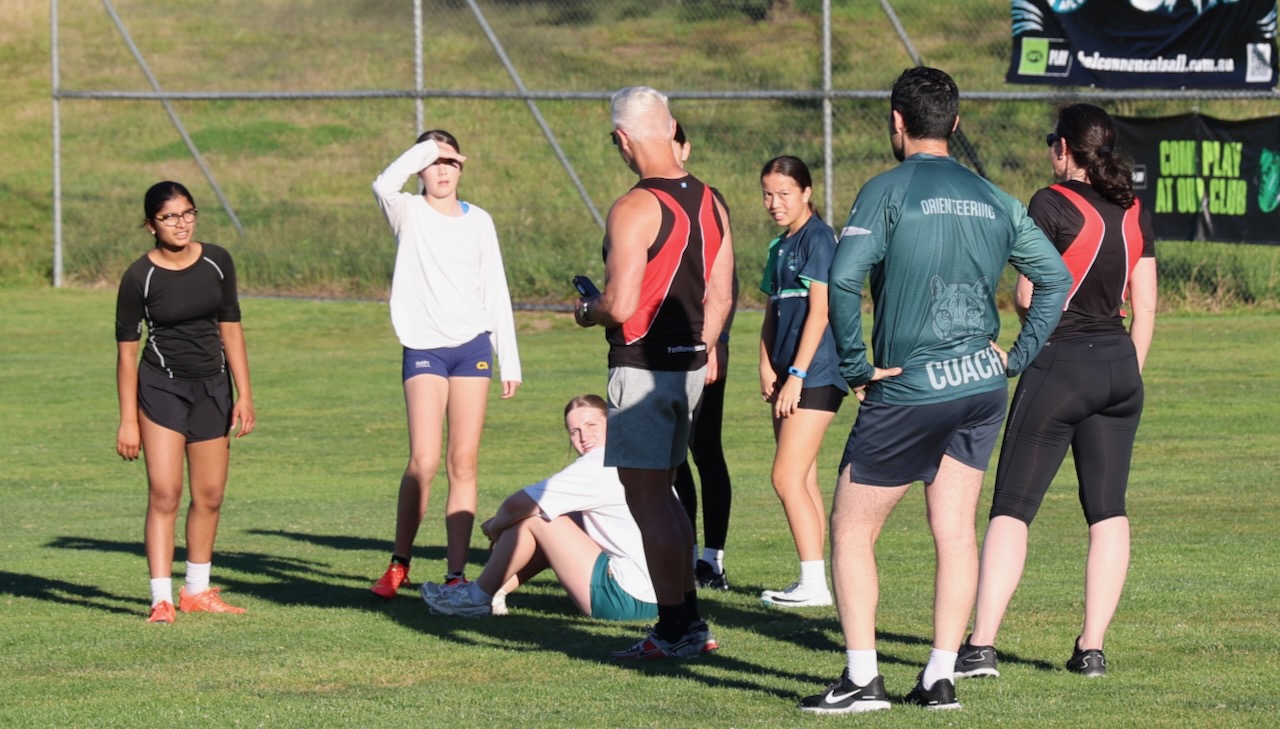
From the 800m to the jumping pits, a new generation of FAST athletes is finding its place among the best performances in our history. And some of the numbers might surprise you.
There’s something rather enjoyable about updating the FAST Top Ten Performances.
Every time we add new results, we get another opportunity to look back at the athletes who have contributed to FAST over the years. Some names are familiar to our current members, while others belong to athletes who have long since moved on to different adventures.
But they’re all part of our history.
And lately, something interesting has been happening.
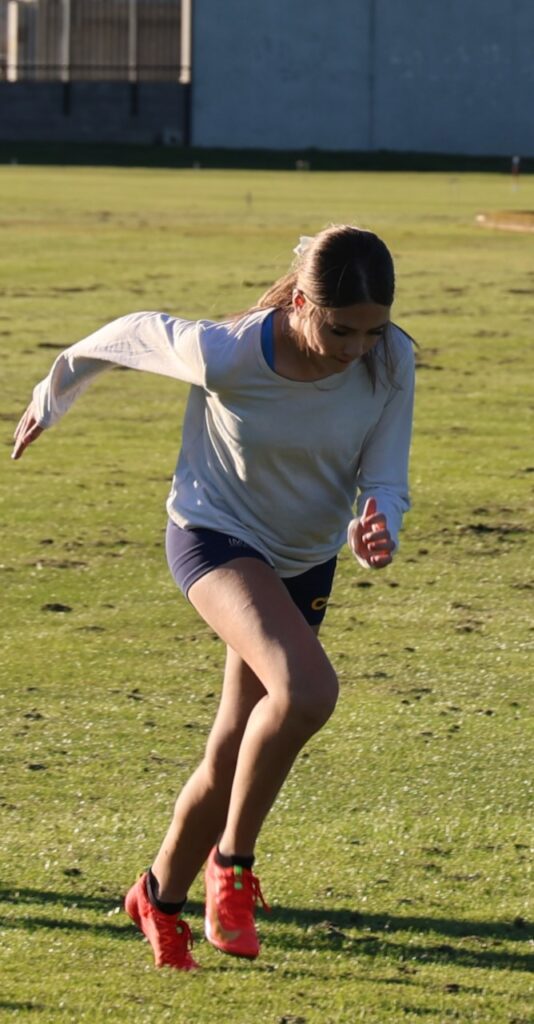
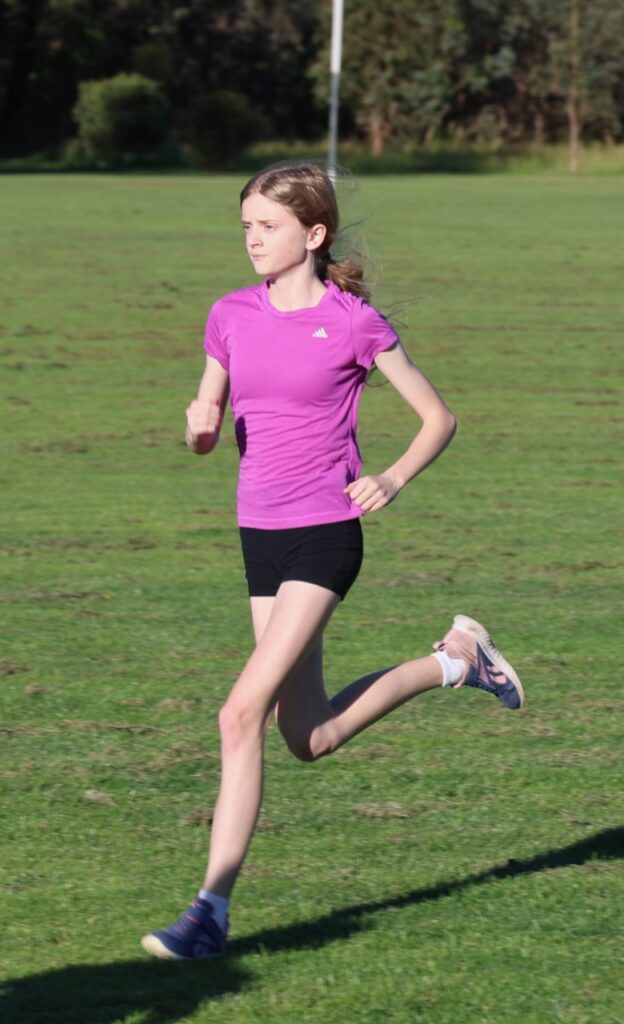
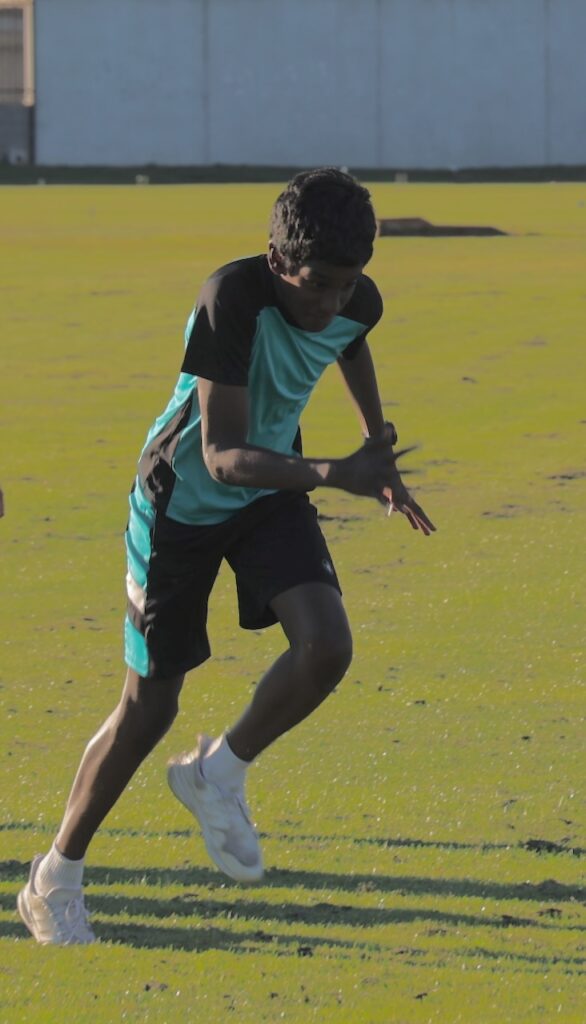
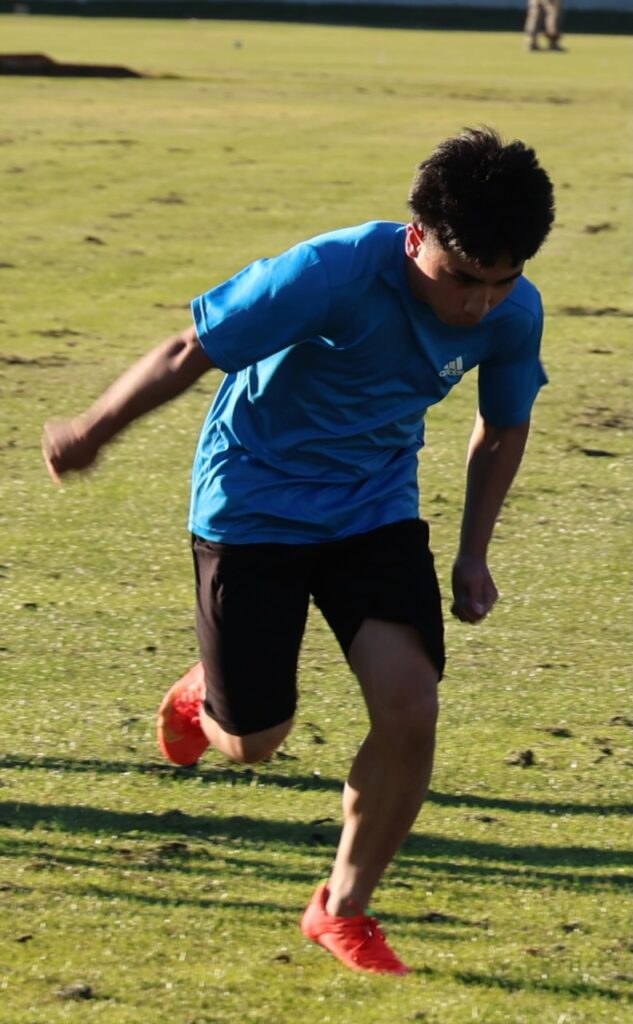
Our newest updates to the 800m, long jump and triple jump rankings show just how strongly the current generation of FAST athletes is establishing itself.
In some events, they’re not simply appearing in the rankings. They’re occupying most of the leading positions.
The 800m: A new generation at the front
The men’s 800m rankings have undergone a noticeable shift.
The four fastest performances on the list now belong to athletes from the modern FAST era. In fact, ten of the top twenty positions are occupied by this newer generation.
That’s half the list.
It’s an encouraging reflection of how middle-distance running has developed within FAST, particularly as we’ve continued to expand the opportunities available to athletes beyond our traditional sprint events.
The women’s 800m rankings tell a slightly different story.
Chloe leads the list, with Anastasia sitting eighth. Another five modern-era athletes appear between positions eleven and twenty, giving the newer generation seven of the top twenty places.
There’s plenty to celebrate in those performances, but the contrast with the men’s rankings is interesting.
It also gives us something to work towards.
As FAST Distance continues to develop, we’d love to see more female athletes exploring middle-distance running and eventually adding their names to the leading positions.
After all, today’s rankings aren’t the finish line. They’re something for the next generation to chase.
Long jump: Now this is getting interesting!
If there’s one event that really stands out in the latest updates, it’s long jump.
Eight of the men’s top ten performances belong to modern FAST athletes.
Eight!
And another seven modern athletes appear in positions eleven to twenty.
That means fifteen of the twenty leading positions are occupied by athletes from our more recent generations.
The women’s rankings are looking encouraging too, with six modern athletes in the top ten and another four in the next ten.
Together, that’s twenty-five of the forty positions across the men’s and women’s long jump lists.
For an event that hasn’t always received the same attention as sprinting within FAST, that’s a particularly pleasing development.
We’ve been putting more energy into creating opportunities for our horizontal jumpers, and it’s exciting to see how strongly they feature in our performance history.
Long jump is a wonderful event because it brings together so many of the qualities we enjoy developing at FAST. Athletes need speed, coordination, rhythm, confidence and the ability to put everything together at precisely the right moment.
And sometimes, despite all that preparation, they still need to remember where the take-off board is!
There’s a lot to learn, which is part of what makes the event so enjoyable to coach.
The latest rankings suggest we’ve got a growing group of athletes who are enjoying that challenge.
Triple jump: Some familiar names leading the way
Triple jump has produced another encouraging set of results.
The top four positions in the men’s rankings all belong to modern FAST athletes, with six of the top ten and another two in the wider top twenty.
The women’s list has some particularly familiar names near the top.
Afsa Chowdhury and Cecilia Ador occupy the first two positions, while Bree Madigan-Wong sits fourth and Clare Rice is tenth.
Another four modern athletes appear between positions eleven and twenty.
That’s a strong contribution from our newer generation, especially in an event that demands considerable technical skill, coordination and patience.
Triple jump isn’t simply long jump with a couple of extra steps. The hop, step and jump each present their own challenges, and learning to connect them effectively takes time.
It’s also an event where athletes can continue developing as their strength, speed and technical understanding improve.
Seeing our newer athletes occupying so many of the leading positions is exciting, but we’re equally interested in what happens next.
Can we introduce more athletes to the event? Can we help those already participating continue developing? And who might be the next athlete to appear in the rankings?
Those are the questions that make coaching enjoyable.
More than just numbers
Across the men’s and women’s 800m, long jump and triple jump rankings, modern FAST athletes now occupy 58 of the 120 available top-twenty positions.
That’s almost half.
It’s an encouraging reflection of how FAST has evolved, particularly as we’ve broadened our coaching opportunities across different athletics disciplines.
But the rankings also remind us of something important.
Every athlete on those lists has contributed to the story.
The earlier generations established performances that today’s athletes can measure themselves against. Some of those marks have stood for years, while others have gradually been overtaken as new athletes have developed.
That’s how sporting history works.
And while we’re excited about the growing representation of our current athletes, we’re not suggesting that every newer performance is automatically better than what came before.
The number of athletes participating, their ages, their opportunities to compete and the strength of different generations all influence the rankings.
What we can say is that our more recent athletes are making a substantial contribution across events that extend well beyond sprinting.
And that’s something we’re particularly pleased to see.
There’s room for more names
One of the things we enjoy about the FAST Top Ten Performances is that they give athletes something tangible to explore.
A younger athlete can look at the rankings and discover what others have achieved. A developing athlete might recognise a teammate’s name and begin wondering whether they could eventually join them.
And sometimes, an athlete who never imagined appearing on one of those lists discovers that they’re getting closer.
That’s part of the fun.
We don’t expect every athlete to become a record holder, and we certainly don’t believe that rankings are the only measure of success.
For some athletes, the biggest achievement might be learning a new event, improving their technique, competing for the first time or finally reaching a personal goal they’ve been working towards.
Those achievements matter too.
But for athletes who enjoy chasing performances, our historical rankings offer another opportunity to set goals and celebrate progress.
And with FAST continuing to develop its middle-distance and horizontal jumps programs, we suspect there are plenty more names waiting to be added.
The next chapter is already being written
The latest rankings are a reminder of just how much FAST has grown.
We’re still passionate about sprinting, but the athletes contributing to our history now represent a much broader range of events and sporting backgrounds.
From the 800m to the long jump runway and the triple jump pit, they’re finding opportunities to learn, compete and discover what they’re capable of.
Some are already at the top of our lists. Others are making their way towards them.
And somewhere in our younger training groups, there may be an athlete who hasn’t even tried one of these events yet.
That’s a rather exciting thought.
Every athlete adds to our history. Every performance gives the next athlete something to chase.
Explore the FAST Top Ten Performances and see how our athletes are making their mark.
Running Excellence grows.

Comments are closed